Blog
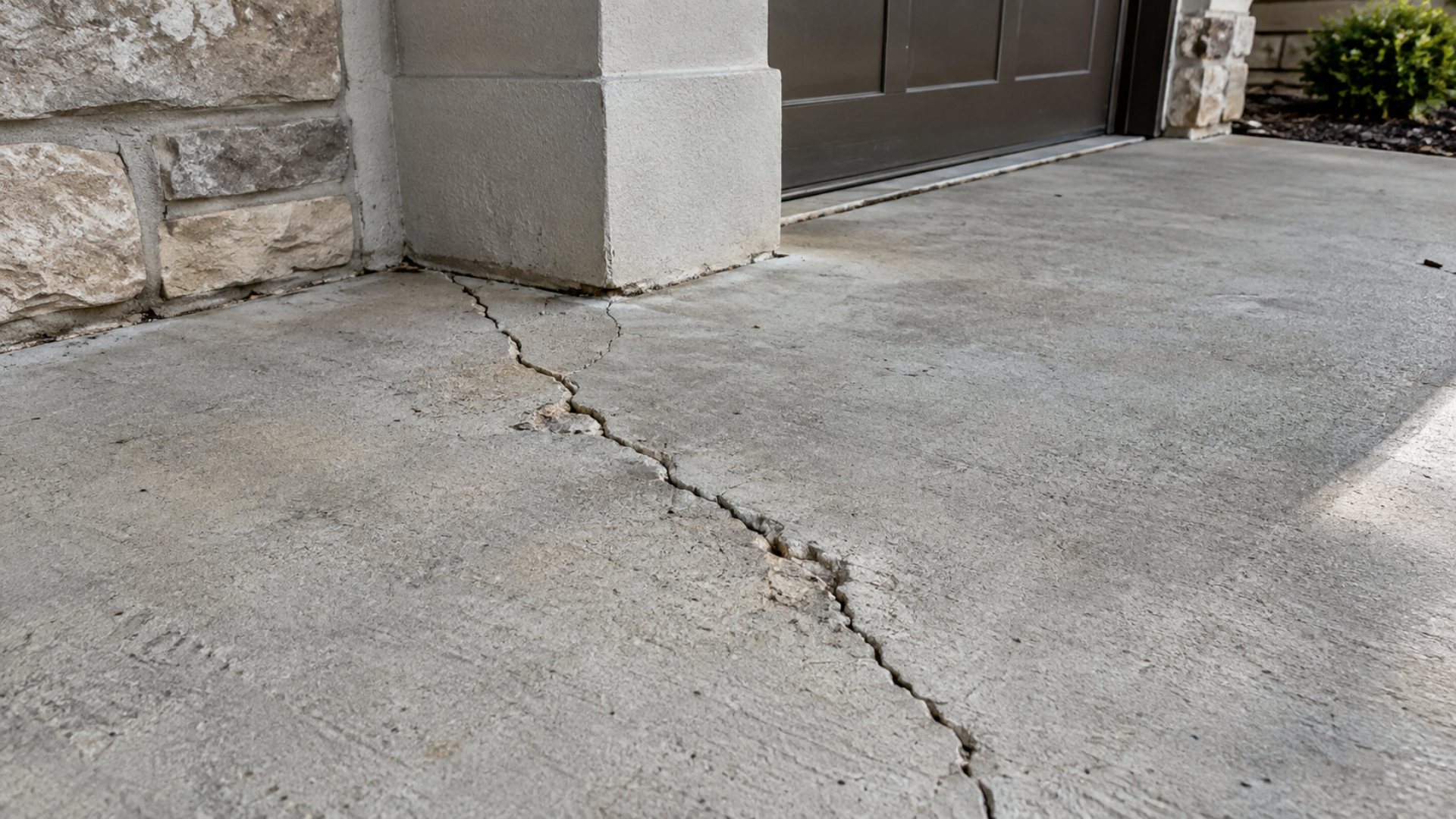
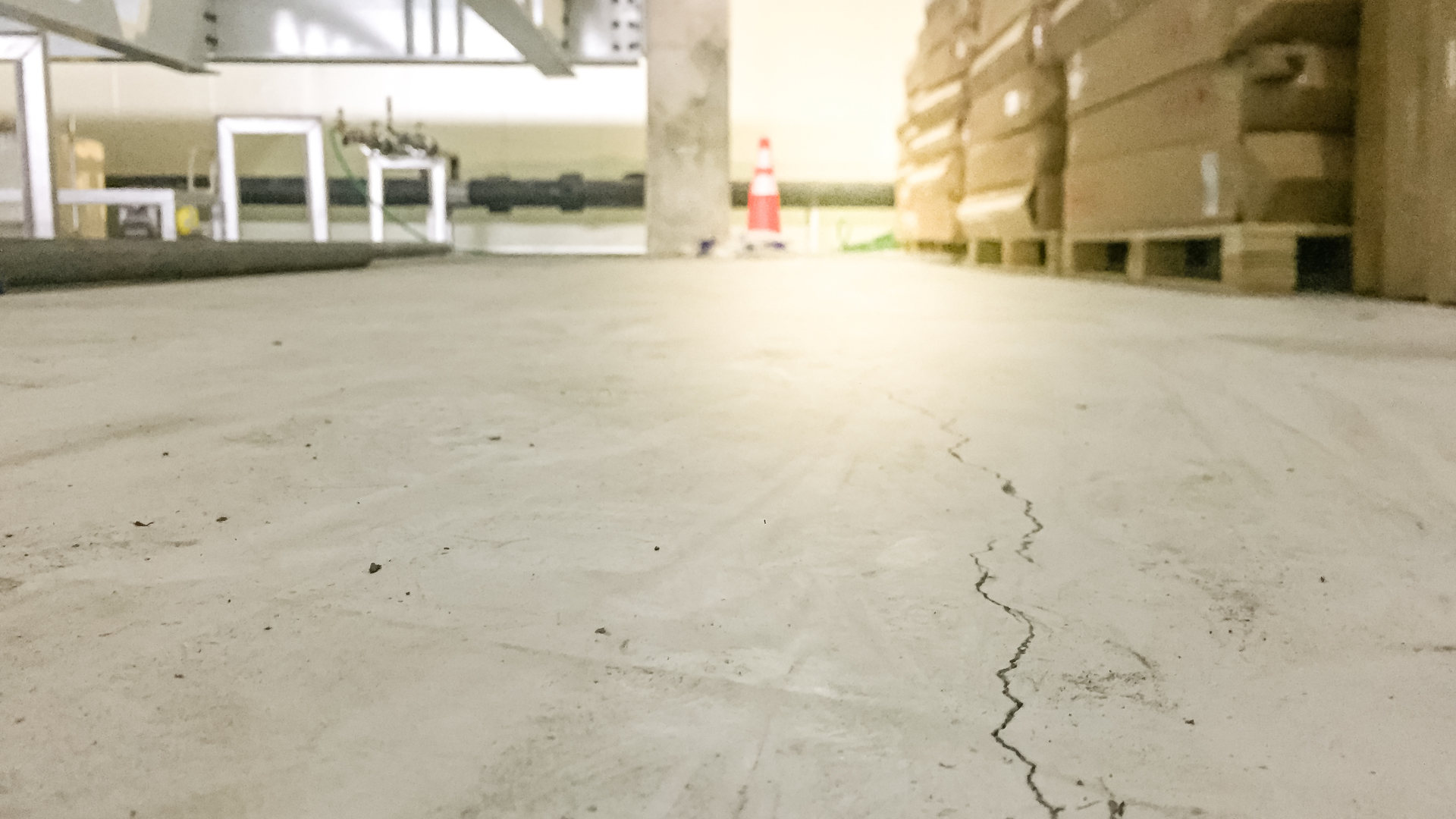
Not every concrete crack carries the same level of concern. A small surface crack in an open slab may be relatively straightforward, while cracking that develops near columns, walls, or other structural elements can deserve a closer look. These areas often carry concentrated loads or mark transitions between different parts of a building. When concrete begins cracking nearby, the pattern may reveal movement, settlement, stress, or deterioration that is affecting more than the slab surface. Columns Create Concentrated Loads Columns transfer significant building loads into the floor and foundation system. Because that weight is concentrated in a relatively small area , the surrounding concrete can experience different stresses than the rest of the slab. Cracks that radiate away from a column, form around its base, or repeatedly reopen may indicate that the slab is responding to load , movement, or support conditions beneath the surface. That does not automatically mean there is a major structural failure, but it does mean the crack should be evaluated in context.
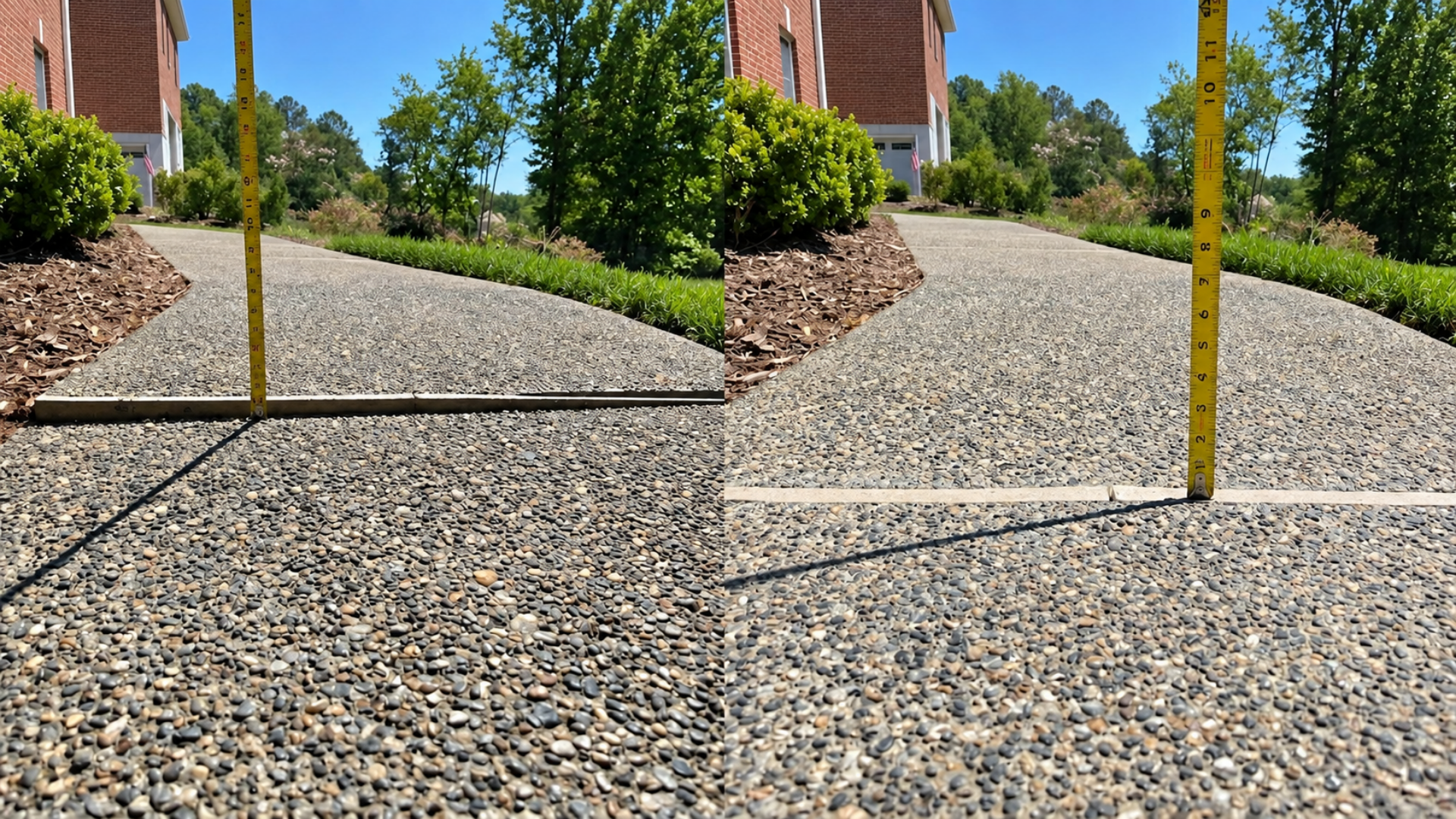
Concrete joints are designed to manage movement, but when they begin to fail, the damage often does not stay confined to the joint itself. Crumbling edges, missing filler, water intrusion, and repeated impact from traffic can gradually affect the surrounding slab. For commercial and industrial properties, this matters because joint deterioration can interfere with equipment movement, create rough transitions, and accelerate damage in otherwise serviceable concrete. Repairing a failed joint is therefore not just about improving appearance. It can help preserve the surrounding slab and reduce the chance that a relatively localized problem becomes much larger.
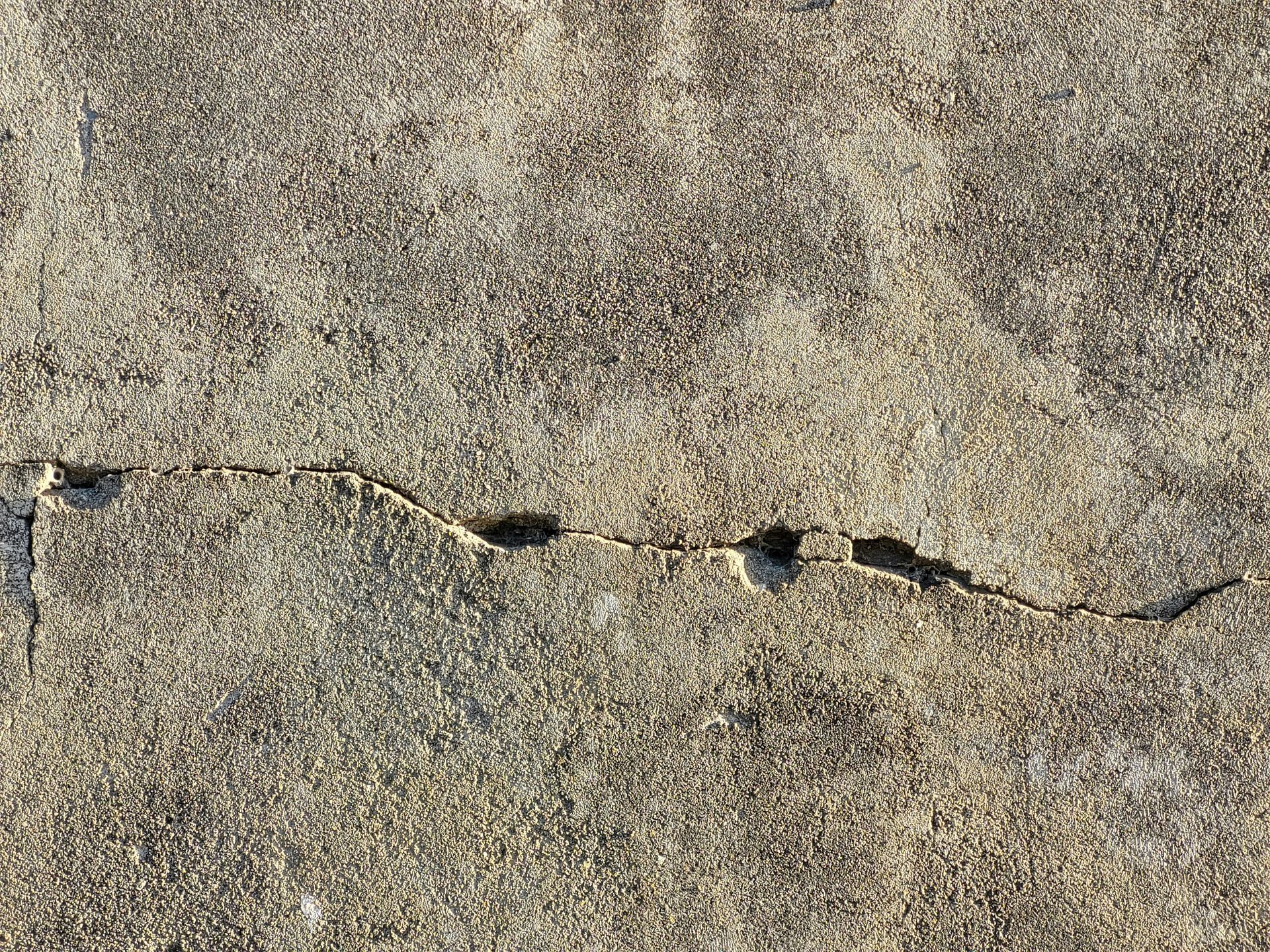
A crack in concrete may seem minor when viewed from above, but once water begins moving through that opening, the problem can extend beneath the surface. Moisture can reach the base material, contribute to erosion, worsen freeze-thaw damage, and reduce support beneath the slab. For property owners and facility managers , that means crack repair is not only about appearance. Rite-Wash focuses on restoring and preserving existing concrete by addressing the underlying conditions that can cause damage to spread. Water Can Reach the Base Beneath the Slab Concrete depends on stable support underneath it. When water passes through cracks and reaches the material below, it can begin moving fine soil or aggregate away from the slab. Over time, this may create small voids or areas with reduced support. The slab may initially look normal, but once support becomes uneven, sections can begin to settle or move. This is one reason cracks should be evaluated in context rather than treated as isolated surface defects.
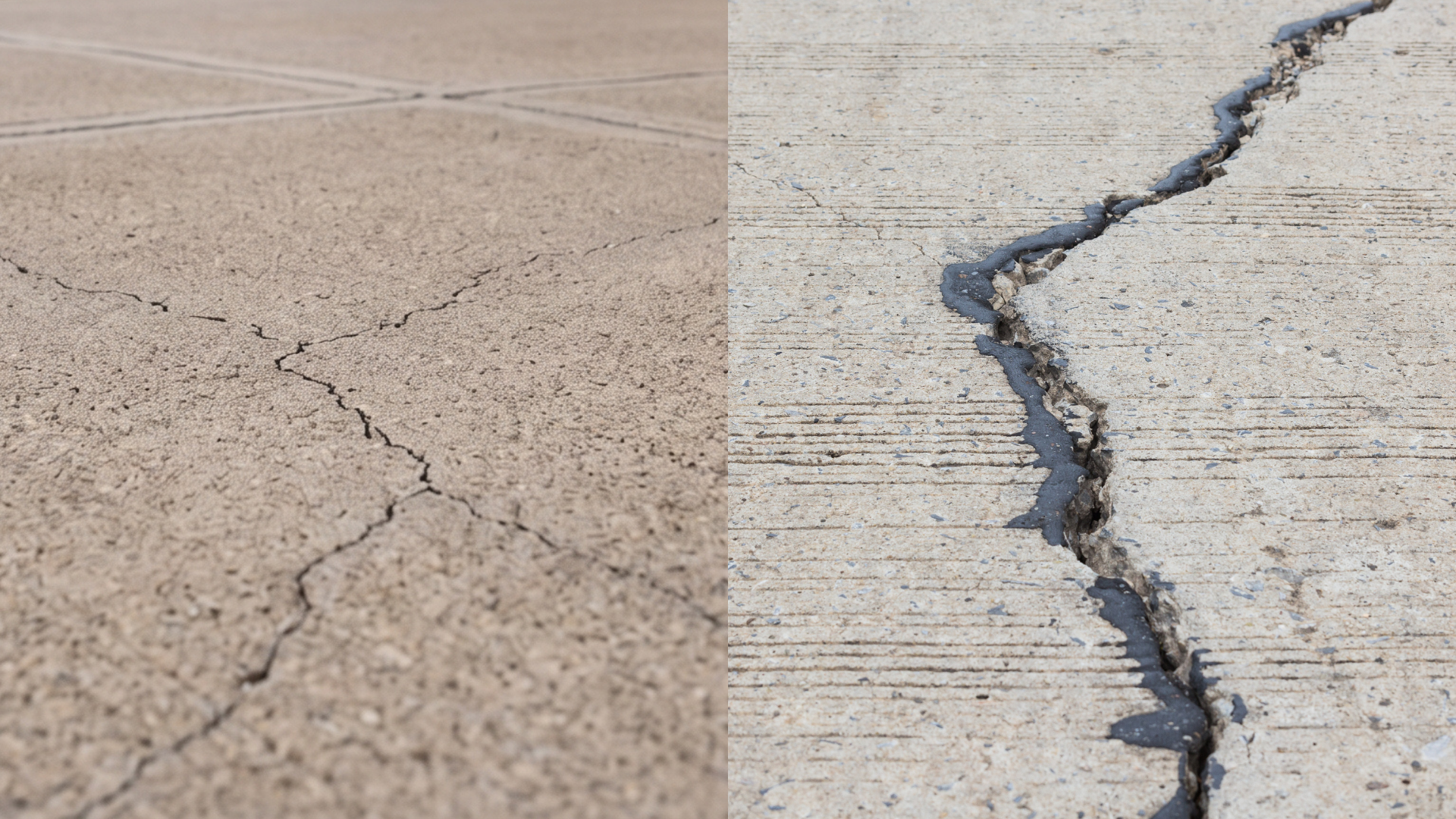
Cracks are common in concrete , but they do not all mean the same thing. Some are minor surface imperfections that have little effect on performance, while others can indicate movement, moisture intrusion, settlement, or deterioration that should be addressed. For property owners and facility managers, the key is understanding the difference between a cosmetic crack and one that may require professional repair. Rite-Wash focuses on restoring and preserving existing concrete whenever practical, using targeted repairs rather than assuming damaged concrete must be replaced.
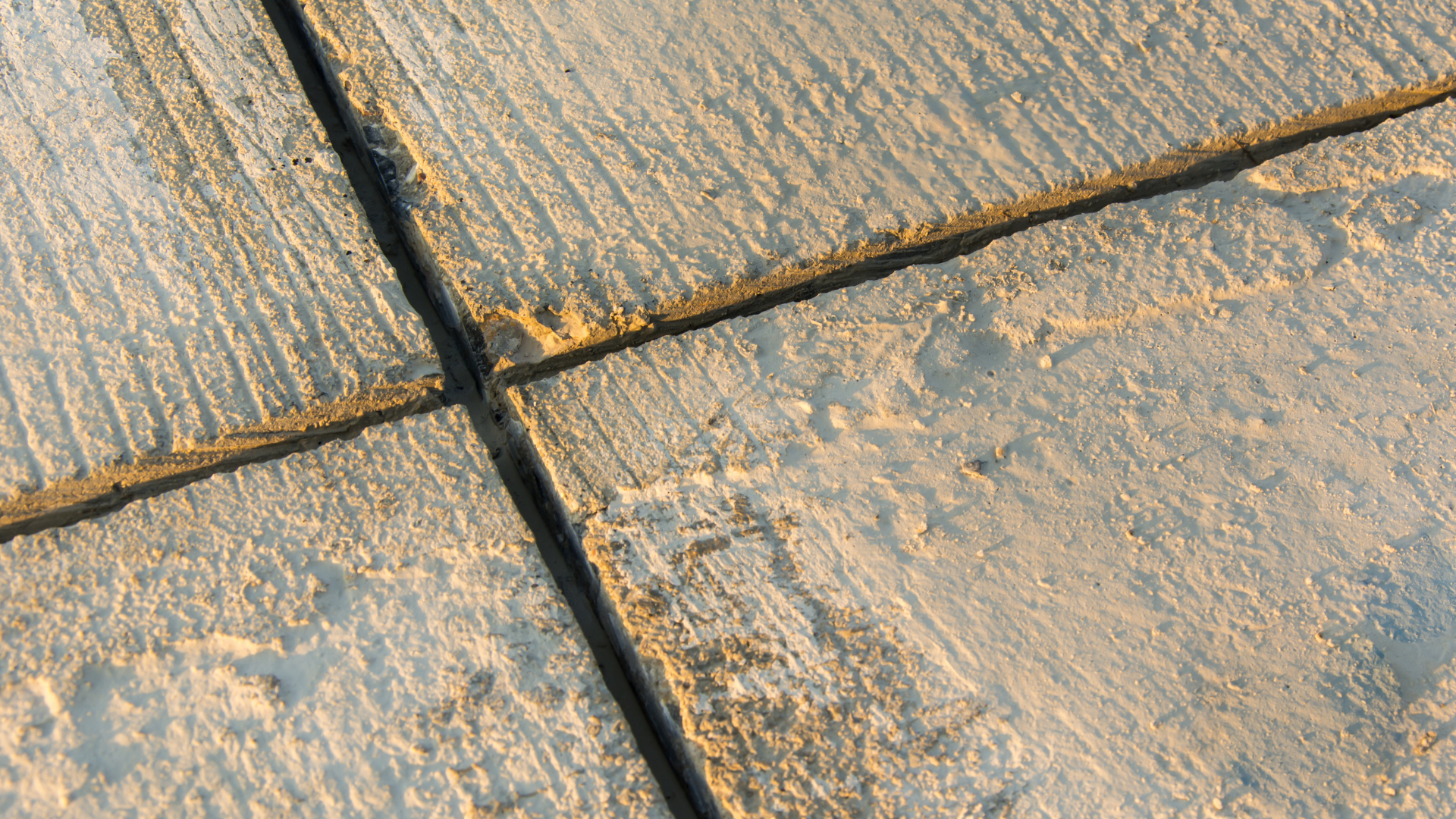
Concrete looks solid and permanent, but it is constantly reacting to the environment around it. One of the most important forces affecting concrete is temperature. As temperatures rise and fall, concrete expands and contracts. Over time, that repeated movement can contribute to cracking, joint failure, spalling, and other forms of deterioration. For property owners and facility managers, understanding how temperature affects concrete can make it easier to recognize early signs of damage. Rite-Wash specializes in concrete repair and restoration, helping preserve existing slabs before small problems spread.
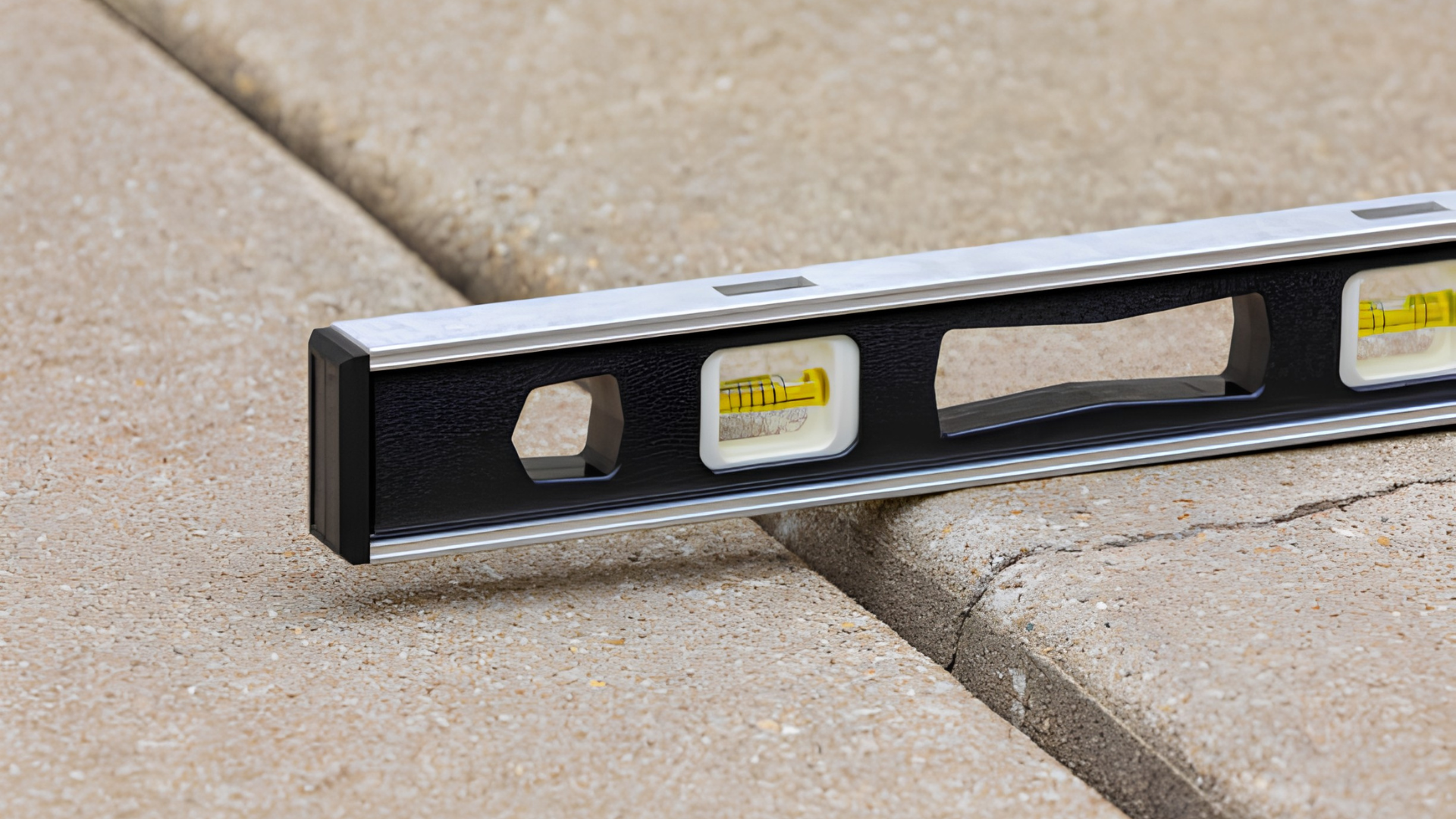
Concrete may look rigid and permanent, but it is constantly reacting to changes in temperature, moisture, and load. Expansion joints are built into concrete surfaces to help manage that movement. They create controlled spaces between slabs so concrete can expand and contract without placing excessive stress on surrounding areas. When those joints begin to fail, the damage can spread beyond the joint itself. Cracking, spalling, water intrusion, and edge deterioration may develop around otherwise serviceable concrete. Rite-Wash specializes in concrete repair and restoration, helping property owners address failed joints early so existing concrete can remain functional for as long as possible.
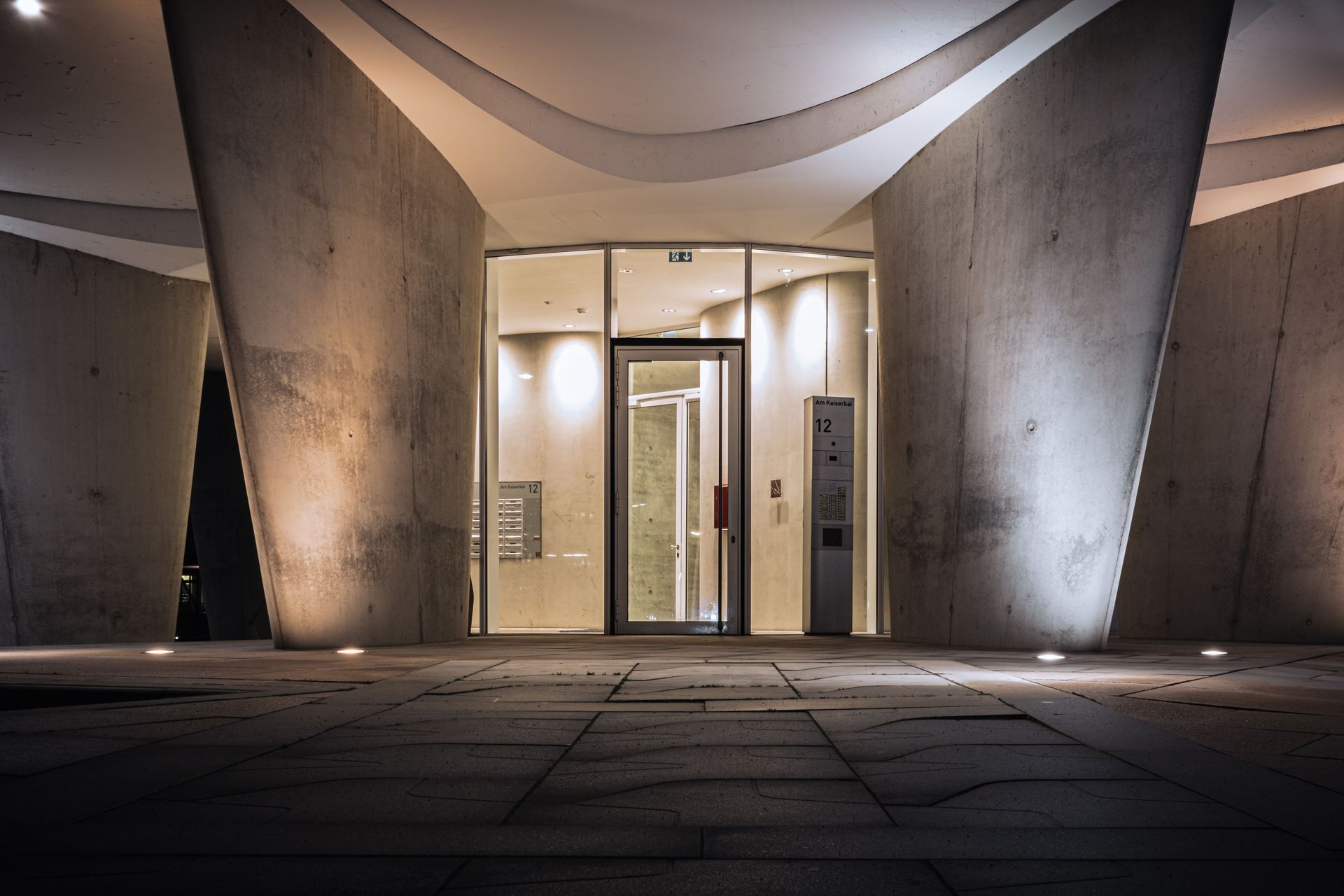
Concrete is one of the most durable construction materials in the world, but even well-built concrete surfaces eventually show signs of wear . Years of traffic, changing temperatures, moisture intrusion, and normal weathering can leave sidewalks, parking lots, loading docks, warehouse floors, and other concrete structures looking worn or developing localized damage. While complete replacement may seem like the only solution, it is often not necessary. In many cases, professional concrete restoration can renew the performance and appearance of existing concrete while avoiding the cost and disruption of full replacement. Concrete restoration focuses on repairing damaged areas, correcting deterioration, and extending the service life of existing concrete. Rite-Wash specializes in concrete restoration and repair, helping commercial and industrial property owners preserve valuable concrete assets through targeted, long-lasting repair solutions. When Is Restoration a Better Option? Not every damaged concrete surface needs to be demolished and rebuilt. If the underlying concrete remains structurally sound, restoration can often address localized problems while preserving the majority of the existing slab. Common conditions that may be suitable for restoration include surface spalling, minor to moderate cracking, deteriorated expansion joints, isolated settlement, scaling, edge damage, and localized areas of concrete deterioration. By focusing repairs only where they are needed, property owners can often restore functionality without replacing large sections of concrete that remain in good condition. A professional evaluation is the best way to determine whether restoration or replacement is the most appropriate course of action.
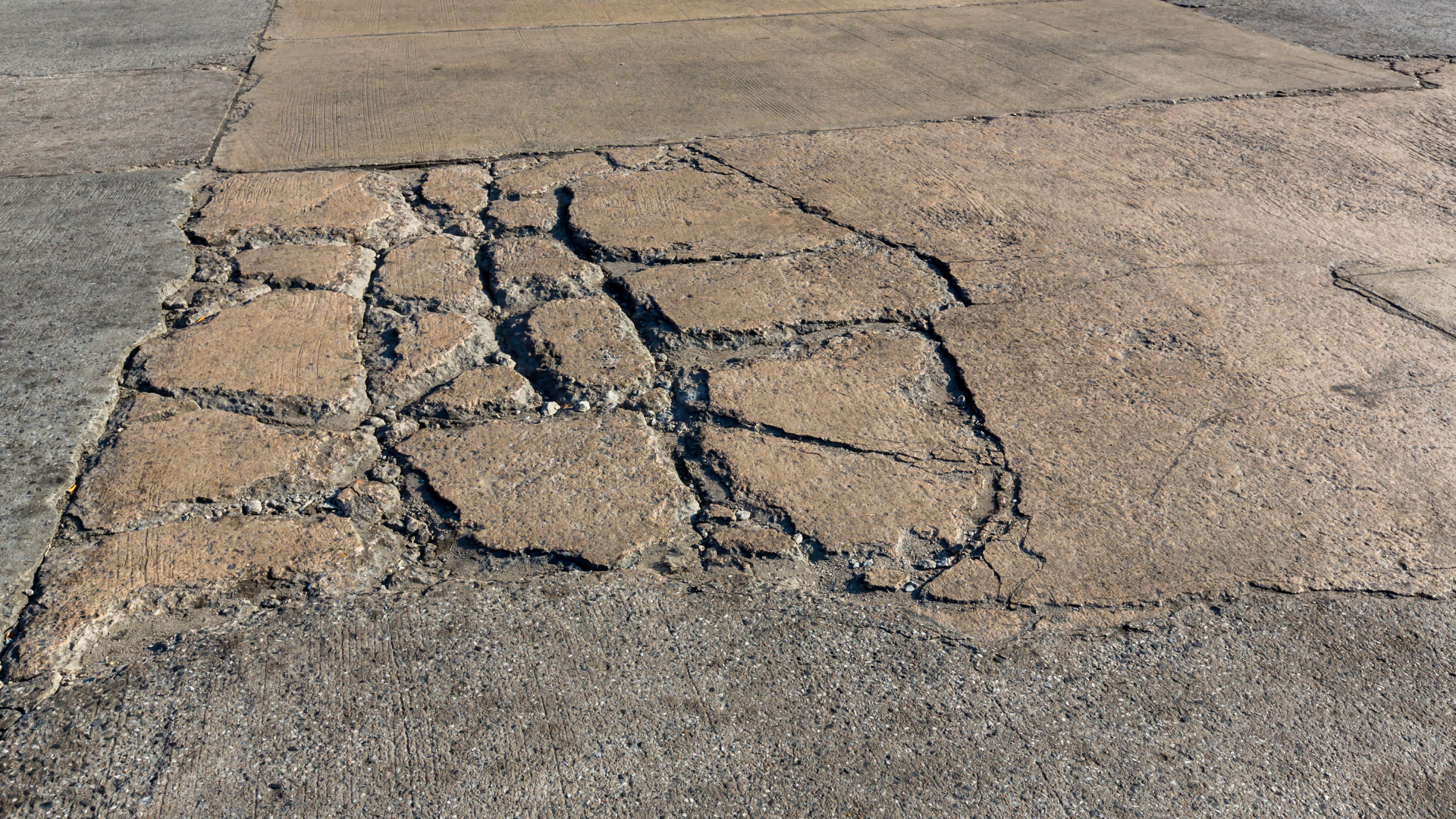
Concrete has earned a reputation as one of the most durable building materials available , but even the strongest concrete is constantly responding to its environment. Every driveway, sidewalk, patio, pool deck, and parking lot is exposed to changing temperatures, moisture, sunlight, and everyday traffic. These forces gradually alter the concrete’s structure, eventually leading to cracks, discoloration, surface damage, and uneven slabs. Understanding the science behind concrete deterioration helps explain why regular maintenance and timely restoration can significantly extend the life of your investment. Concrete Is Strong, But It Is Always Moving Although concrete appears rigid, it is never completely still. Every day, it expands as temperatures rise and contracts as temperatures fall. This process, known as thermal expansion and contraction , occurs continuously throughout the life of the concrete. Over time, these repeated movements place stress on the material. If the concrete cannot expand and contract freely, internal pressure begins to develop. Eventually, that pressure may contribute to cracking, joint separation, or other forms of structural distress. This is one reason properly designed expansion joints are so important. They provide controlled areas where the concrete can safely move without creating unnecessary stress throughout the slab.
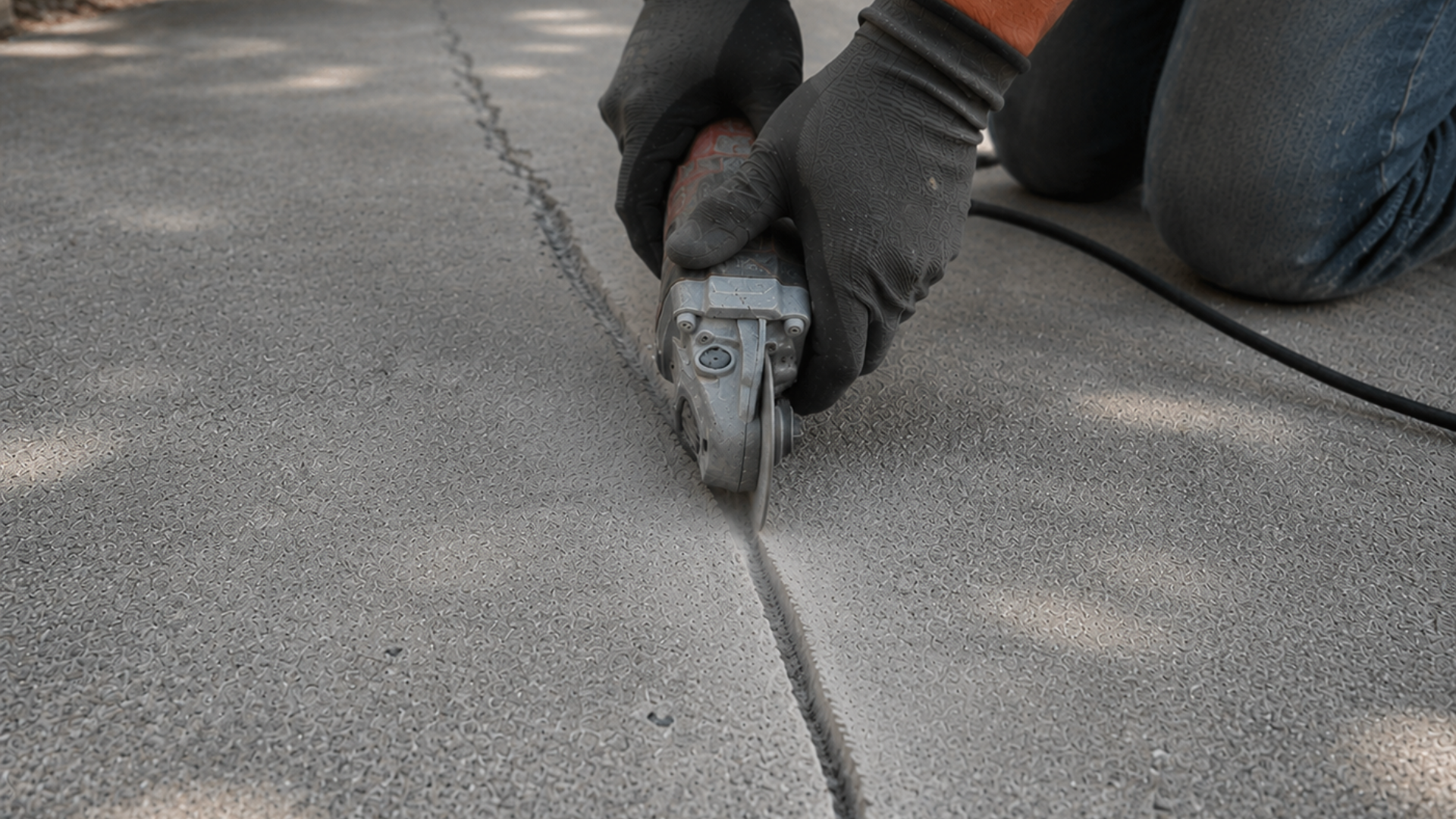
When concrete begins to crack, settle, or show signs of deterioration, many property owners assume complete replacement is the only solution. In reality, that is often not the case. While some severely damaged concrete must be removed and replaced, many problems can be addressed through professional concrete restoration techniques that extend the life of the existing surface. Knowing when concrete can be repaired instead of replaced can help property owners make informed decisions that balance safety, longevity, and cost.
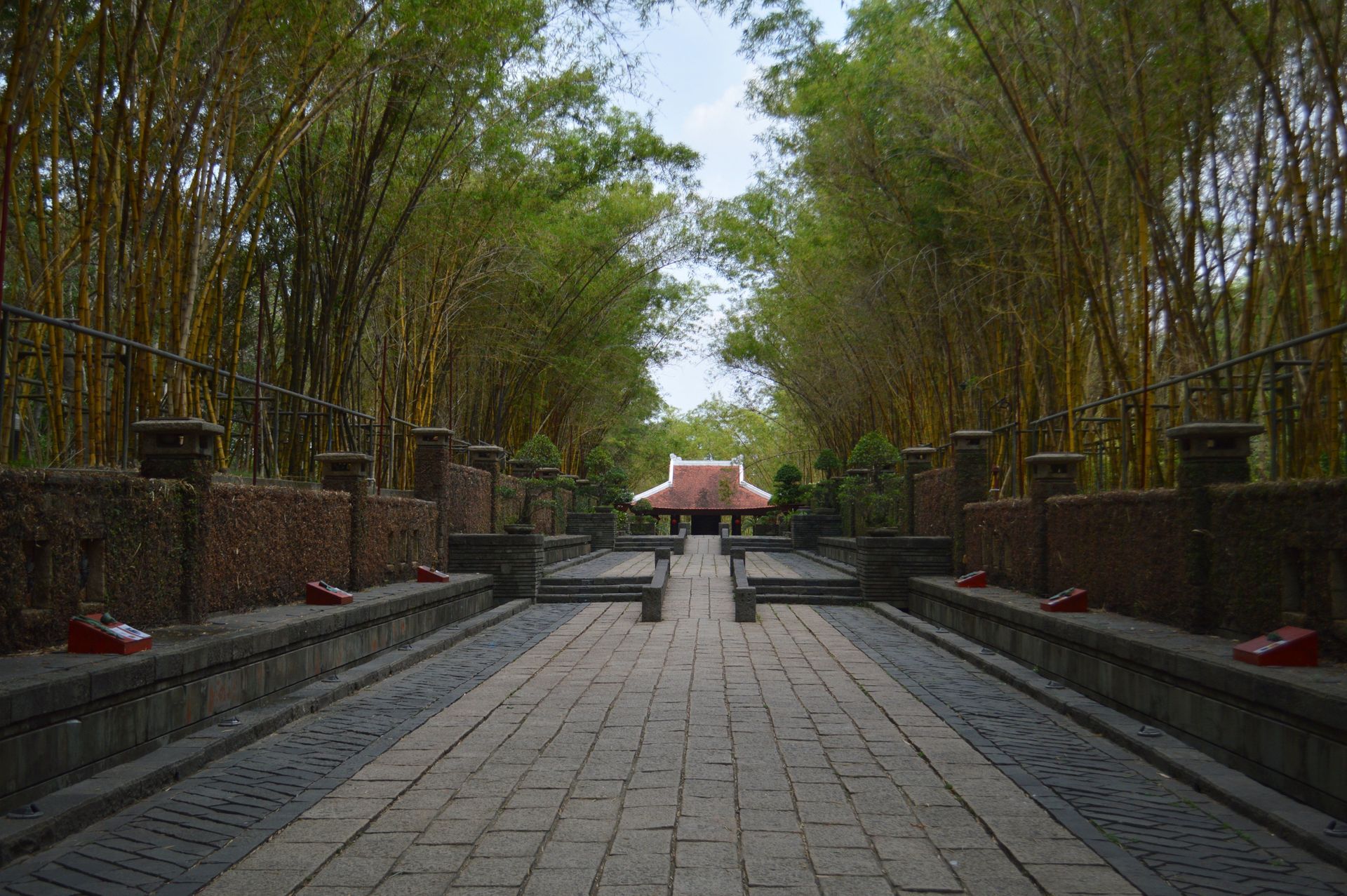
Accessible walkways are an essential feature of every commercial property. Customers, employees, residents, patients, students, and visitors all rely on sidewalks, entryways, and pedestrian pathways that are safe, stable, and easy to navigate. As concrete ages, however, normal settling, weather exposure, tree roots, and everyday wear can gradually create uneven surfaces that make travel more difficult and increase the risk of trips and falls. The Americans with Disabilities Act ( ADA ) is a federal law that requires businesses and public spaces to provide equal access to individuals with disabilities. For walkways, this means maintaining smooth, stable, and slip-resistant surfaces with minimal elevation changes. ADA compliance is not only a legal requirement —it also reflects a commitment to inclusivity and ensures that all visitors can safely access your property. Professional concrete restoration helps property owners maintain walkways that meet these expectations while remaining functional and safe.
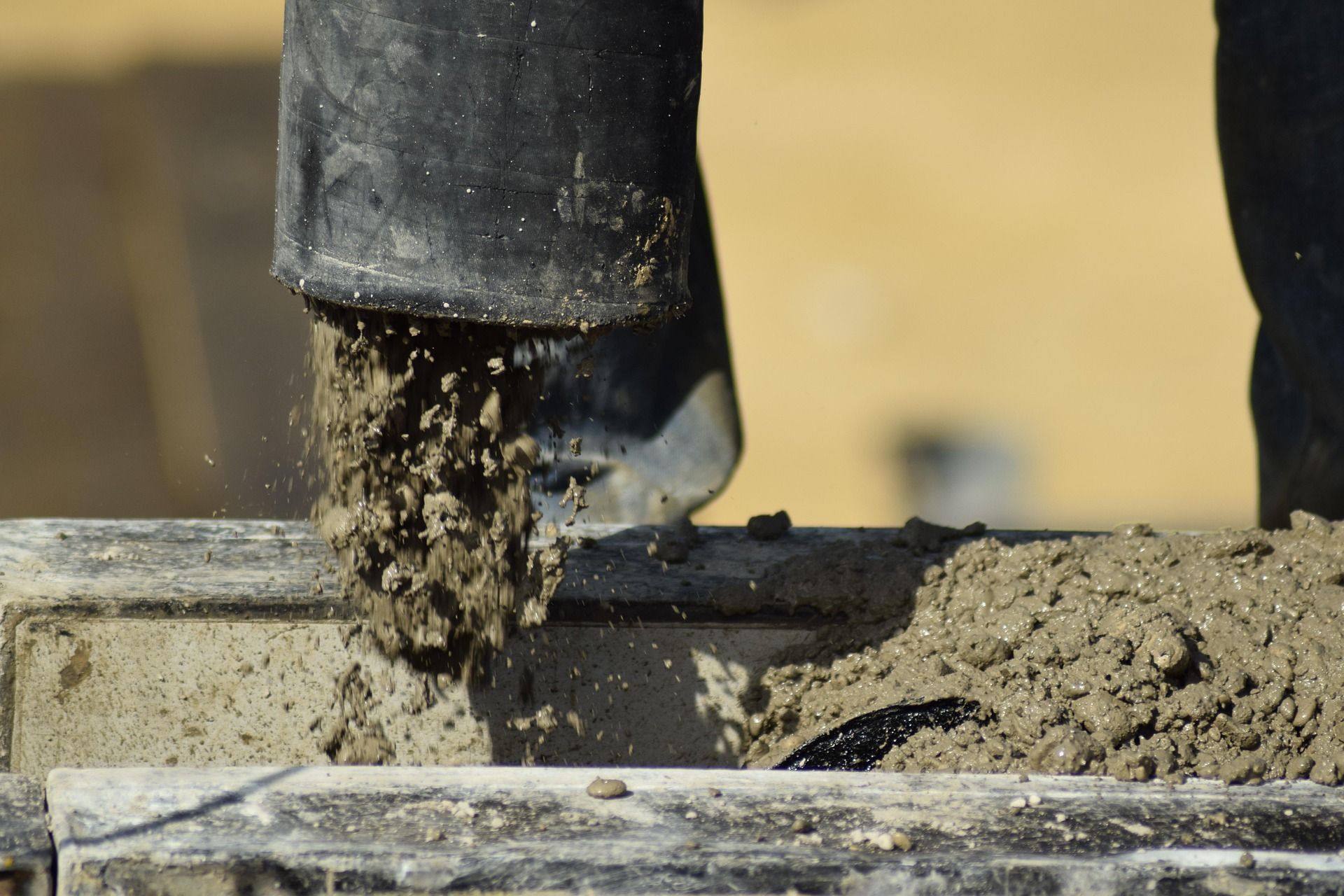
Concrete is one of the most durable construction materials used in commercial and residential properties, but even the strongest concrete is not immune to wear over time. Exposure to moisture, changing temperatures, heavy traffic, and natural ground movement can gradually affect its condition. While small cracks or minor surface damage may not seem urgent, delaying repairs often allows these issues to grow into more extensive and expensive problems. Addressing concrete damage early is one of the most effective ways to preserve your property, reduce long-term maintenance costs, and extend the life of existing concrete surfaces. Small Problems Rarely Stay Small Concrete damage often develops gradually . A small crack may allow water to penetrate beneath the surface. Over time , moisture can weaken the supporting base, contribute to settlement, or accelerate deterioration during freeze-thaw cycles in colder climates. What begins as a minor imperfection can eventually lead to uneven concrete, larger cracks, spalling, or other structural concerns. By repairing damage while it is still limited, property owners can often avoid more extensive restoration work later.
Concrete is one of the most durable construction materials in the world. It supports sidewalks, parking lots, warehouse floors, loading docks, driveways, patios, and countless other structures that people rely on every day. Its strength and longevity make it a practical choice for both commercial and residential properties. Despite its reputation for durability, however, concrete is not indestructible. Like any building material, concrete is constantly exposed to environmental conditions, heavy loads, moisture, and natural ground movement. Over time, these forces can affect its appearance, performance, and structural integrity. Understanding why concrete changes over the years helps property owners appreciate the value of regular inspections and timely restoration.