Why Driveways Age Faster Than Most Other Parts of a Property
Prevention is Key
When homeowners think about maintaining their property, they often focus on roofs, siding, landscaping, or interior spaces. One area that frequently receives less attention is the driveway. Despite being one of the most heavily used parts of a property, driveways are often overlooked until visible wear, staining, or cracking begins to appear. Over time, many homeowners notice that their driveway seems to age faster than other exterior surfaces.
Concrete driveways are durable and designed to withstand years of use, but they are also exposed to conditions that gradually cause
deterioration. Understanding why driveways age faster than many other parts of a property can help homeowners take steps to preserve their surfaces and address problems before they worsen.
Constant Vehicle Traffic
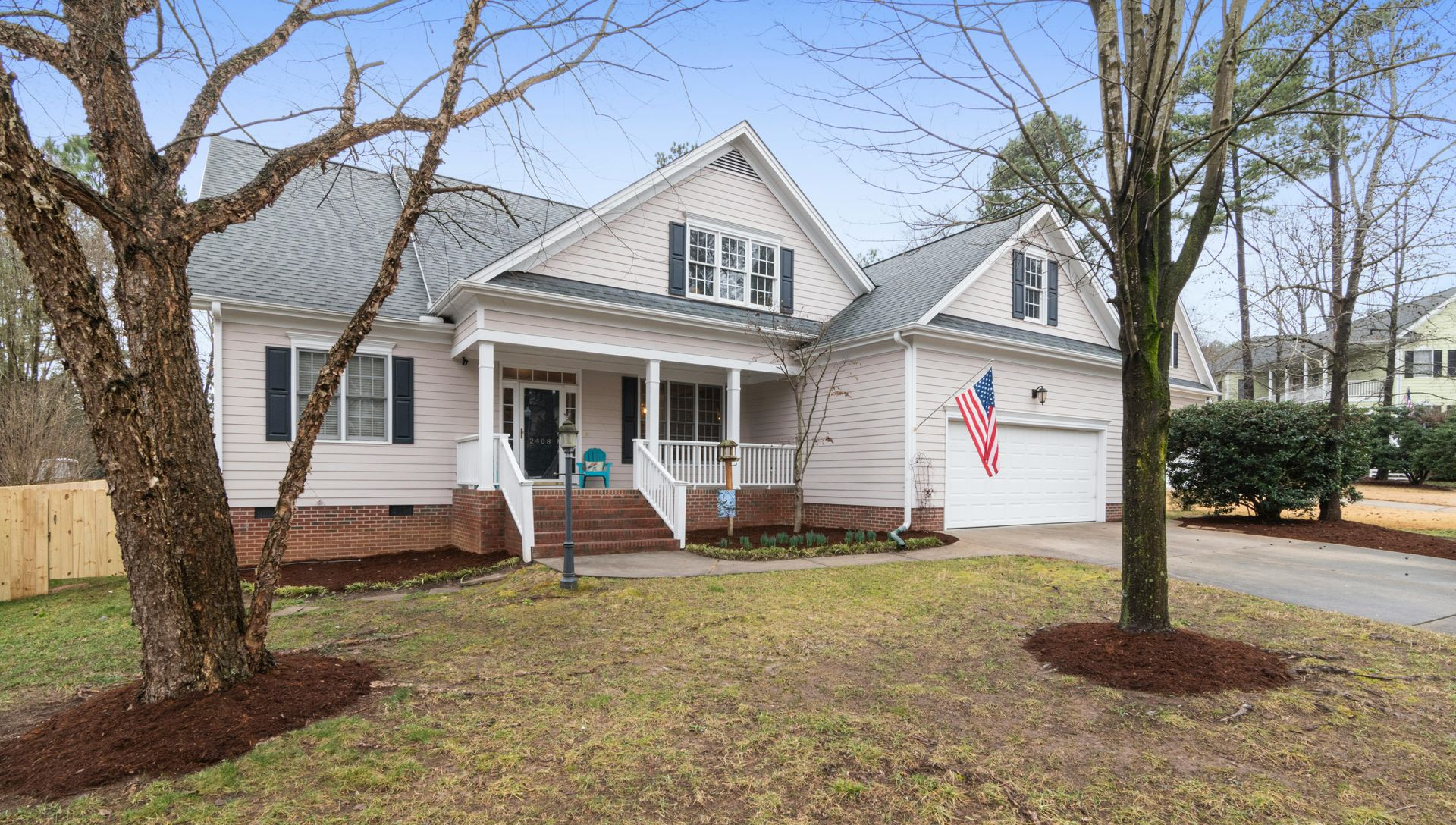
The most obvious factor affecting driveway aging is daily vehicle traffic. Every time a car enters or leaves the driveway, the surface absorbs weight and pressure. Unlike walkways or patios that primarily support foot traffic, driveways must support vehicles that weigh thousands of pounds.
Over time, repeated pressure from vehicle tires gradually wears down the surface. This stress can cause minor surface deterioration that becomes more noticeable as the years pass. Areas where vehicles frequently stop, turn, or park tend to show the most wear.
Heavy vehicles such as trucks, delivery vans, or work vehicles can accelerate this process even further.
Exposure to Oil and Automotive Fluids
Driveways are also exposed to substances that other outdoor surfaces rarely encounter. Vehicles often leave behind oil, transmission fluid, coolant, or brake fluid. These liquids can penetrate the porous surface of concrete and leave stubborn stains.
Oil stains are especially common and can become deeply embedded in concrete if they are not addressed. Over time, these stains accumulate and darken the surface of the driveway, making it look significantly older than it actually is.
Professional cleaning and restoration services are often necessary to remove these deep stains and restore the original appearance of the concrete.
Environmental Exposure
Concrete driveways are exposed to the elements every day. Sunlight, rain, humidity, and temperature fluctuations all contribute to gradual wear.
Ultraviolet radiation from the sun can slowly degrade surface materials, while rainwater carries dirt, organic matter, and pollutants onto the driveway. In humid environments, algae, mold, and mildew may develop on the surface, creating dark discoloration and slippery areas.
Over time, these environmental factors combine to dull the appearance of the concrete and contribute to long-term surface deterioration.
The Development of Concrete Cracks
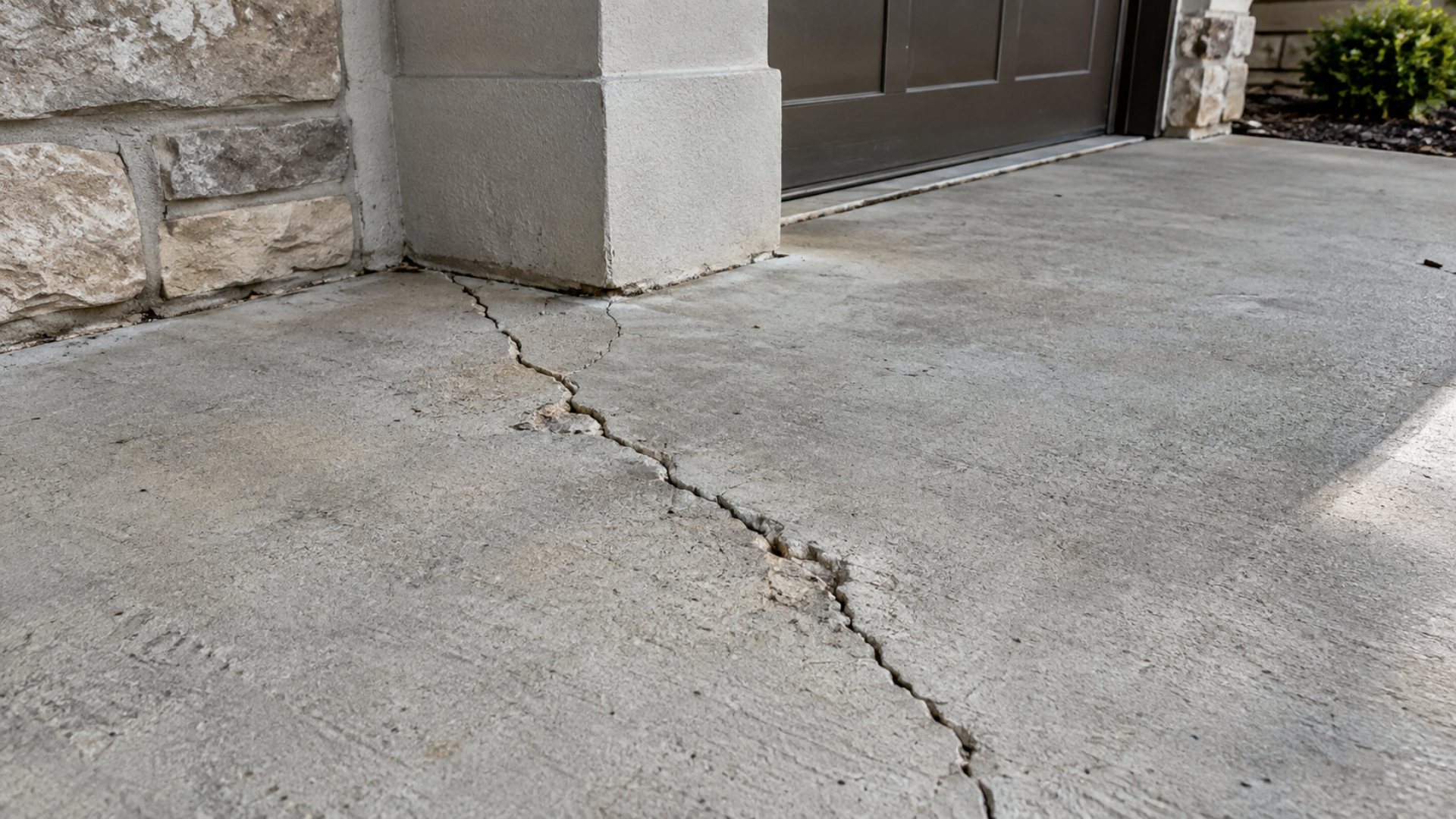
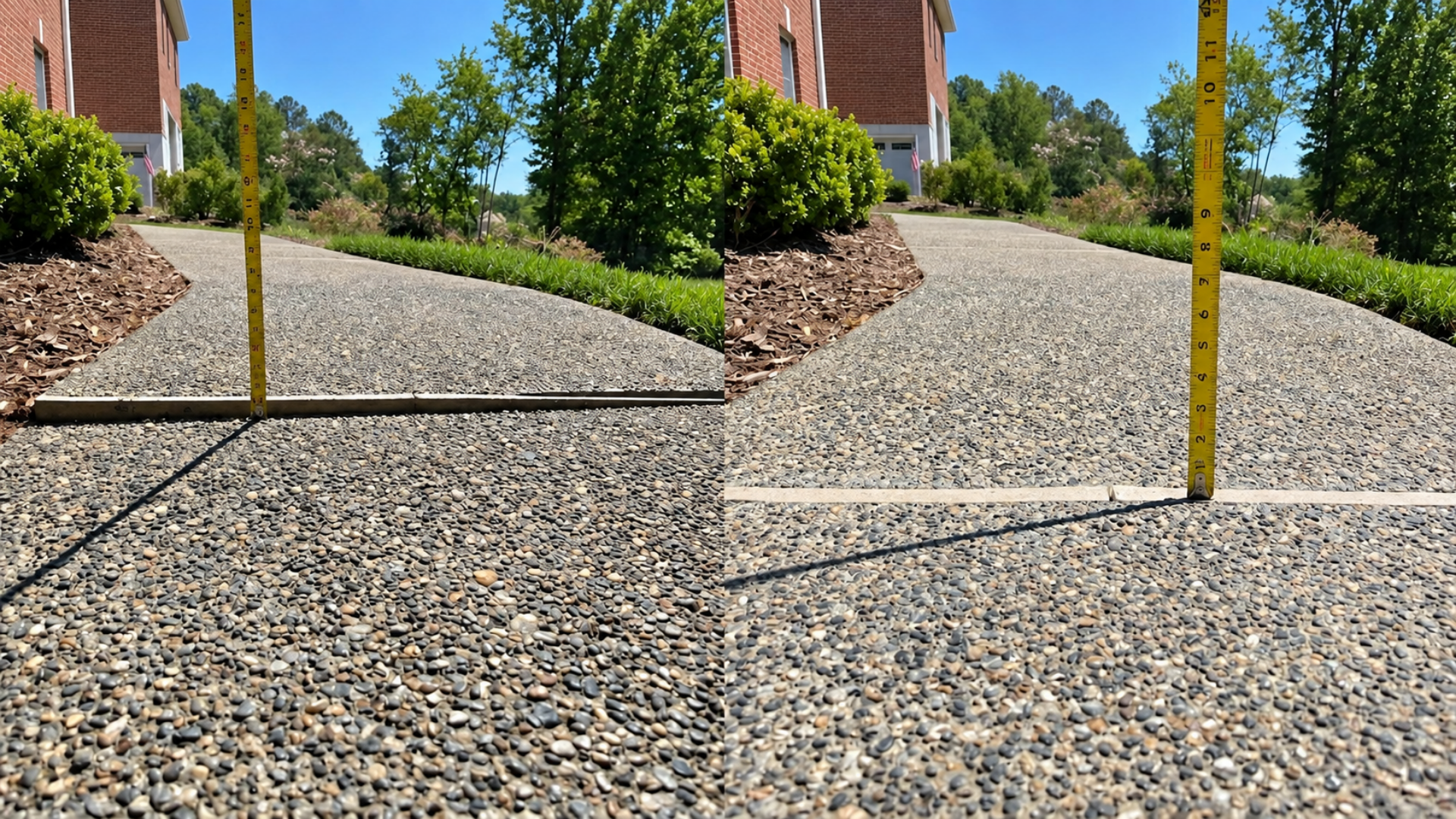
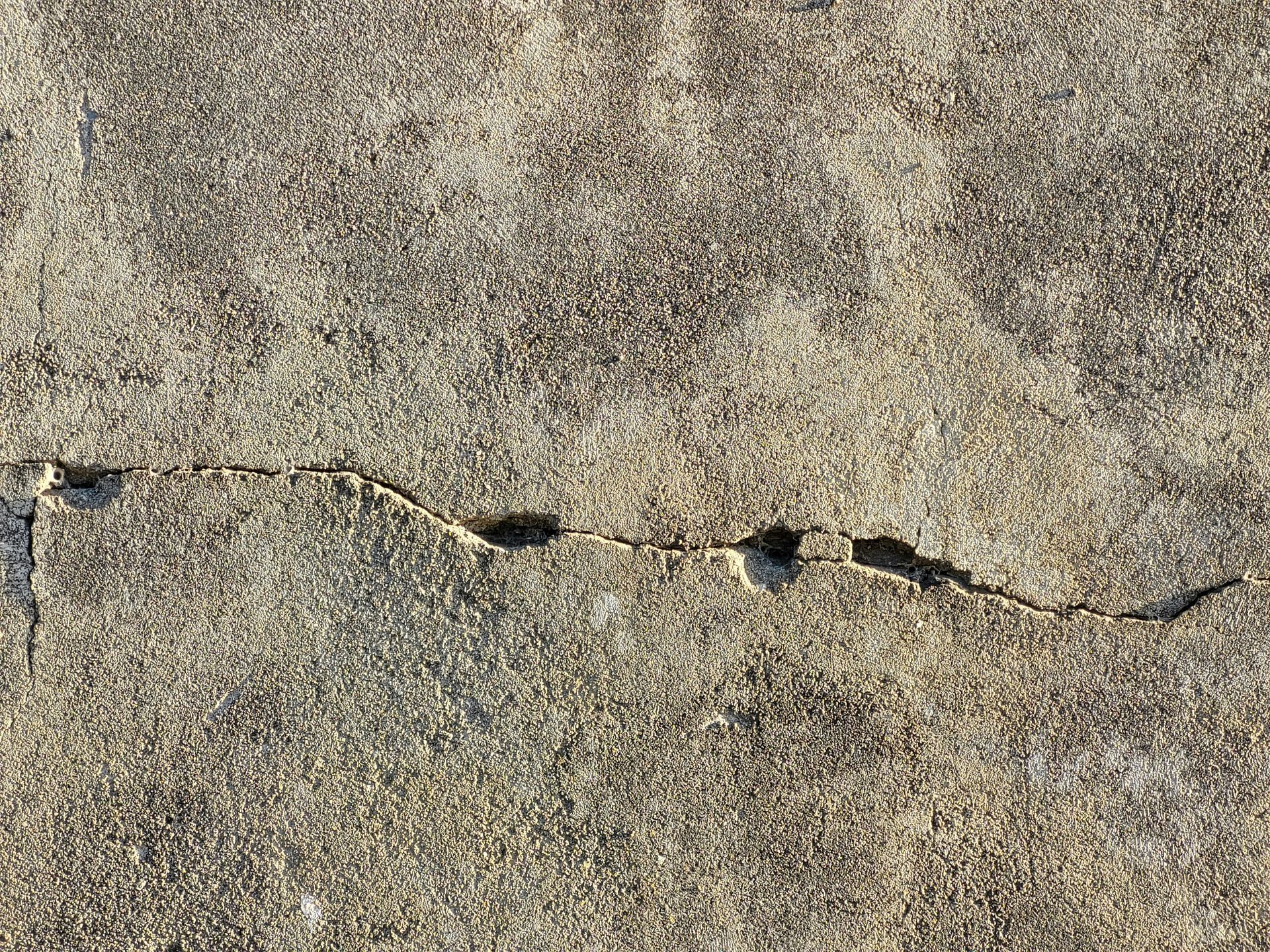
Another common issue affecting aging driveways is cracking. Concrete naturally expands and contracts as temperatures change. As the material moves, small stress fractures can develop within the surface.
These cracks often begin as small hairline fractures but can grow larger if they are not addressed. Water can seep into these openings, and repeated cycles of moisture and temperature change may cause cracks to widen over time.
Once cracks appear, they can trap dirt, debris, and moisture, accelerating the aging process of the driveway. Repairing cracks early helps prevent further damage and preserves the structural integrity of the surface.
Professional driveway repair services can seal or repair cracks before they expand into more serious problems that may require major reconstruction.
Organic Growth and Surface Buildup
Driveways also accumulate layers of dirt, pollen, organic debris, and airborne pollutants. Over time, this buildup can support the growth of algae, mold, and mildew.
These organisms create dark stains that spread across the surface of the concrete, making the driveway appear dirty and aged. In addition to affecting appearance, organic growth can create slippery conditions that present safety concerns.
Routine cleaning helps prevent these organisms from establishing themselves on the surface.
Why Restoration Is Often the Better Option
Many homeowners assume that an aging driveway must eventually be replaced. In reality, many concrete driveways can be significantly improved through professional restoration services.
Deep cleaning removes years of buildup, stains, and organic growth. Crack repair addresses structural concerns before they worsen. Together, these services can dramatically improve both the appearance and longevity of the driveway.
Restoration is often far more cost-effective than replacement, allowing homeowners to extend the life of their existing concrete.
Professional Driveway Restoration
Because driveways experience constant use and exposure, they benefit greatly from periodic professional care. Addressing stains, organic growth, and cracks early can help maintain the appearance and durability of the surface.
At Rite-Wash, we specialize in concrete driveway restoration and repair services designed to bring aging surfaces back to life. Our team uses professional cleaning methods to remove stubborn stains and buildup while also addressing cracks that may compromise the surface over time.
Driveways work hard every day, and it is natural for them to show signs of wear. With proper cleaning, restoration, and repair, however, many concrete surfaces can continue performing well and looking their best for years to come.