How Concrete Slowly Absorbs Its Environment Over Time
Concrete is often viewed as one of the most durable materials used in residential and commercial construction. Driveways, sidewalks, and patios are expected to withstand years of use with minimal change. While concrete is strong, it is not immune to its surroundings. Over time, it gradually absorbs elements from the environment, and this process plays a direct role in why concrete surfaces begin to look worn and uneven.
At Rite-Wash, understanding how concrete interacts with its environment is essential to restoring and repairing surfaces effectively.
Concrete Is More Porous Than It Appears
Although concrete feels solid, it is actually a porous material. Its surface contains tiny openings that allow moisture, dirt, and other particles to penetrate over time. These openings may not be visible, but they are constantly interacting with the surrounding environment.
As water enters these pores, it can carry with it soil, organic matter, and pollutants. Once inside, these materials settle into the structure of the concrete. This is one of the primary reasons surfaces begin to discolor and lose their original appearance.
The longer this process continues without intervention, the deeper these contaminants become embedded.
The Role of Moisture in Surface Degradation
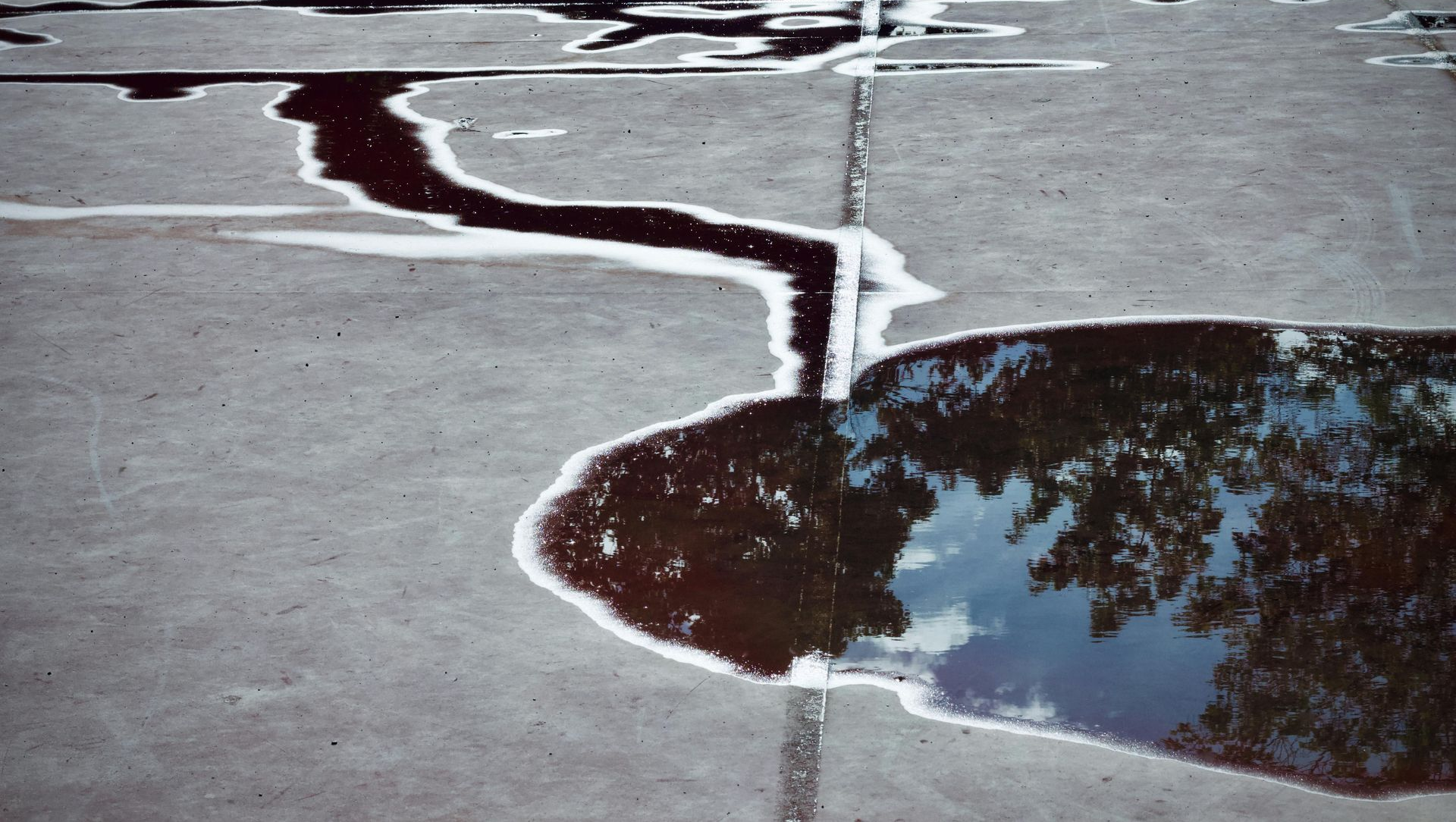
Moisture is one of the most influential factors affecting concrete over time. Rain, humidity, and ground moisture all contribute to the absorption process. In regions with fluctuating weather conditions, this cycle becomes even more pronounced.
When water enters the surface and then evaporates, it leaves behind residues that accumulate gradually. In colder conditions, moisture can expand within the concrete, contributing to small cracks and surface wear. Even in milder climates, repeated exposure to moisture can weaken the integrity of the surface over time.
This ongoing cycle is a key reason why concrete begins to deteriorate even when it is not subjected to heavy loads.
Environmental Staining and Buildup
As concrete absorbs its surroundings, staining becomes more noticeable. Organic materials such as leaves, dirt, and debris contribute to discoloration. Oil, grease, and other substances can also penetrate the surface, creating deeper stains that are difficult to remove with standard cleaning methods.
Over time, these elements combine to create a layered appearance. The surface may appear uneven in color, dull, or aged. In many cases, this is not due to structural failure but rather the accumulation of environmental contaminants within the concrete.
Understanding this distinction is important when determining whether repair or replacement is necessary.

How Absorption Leads to Surface Damage
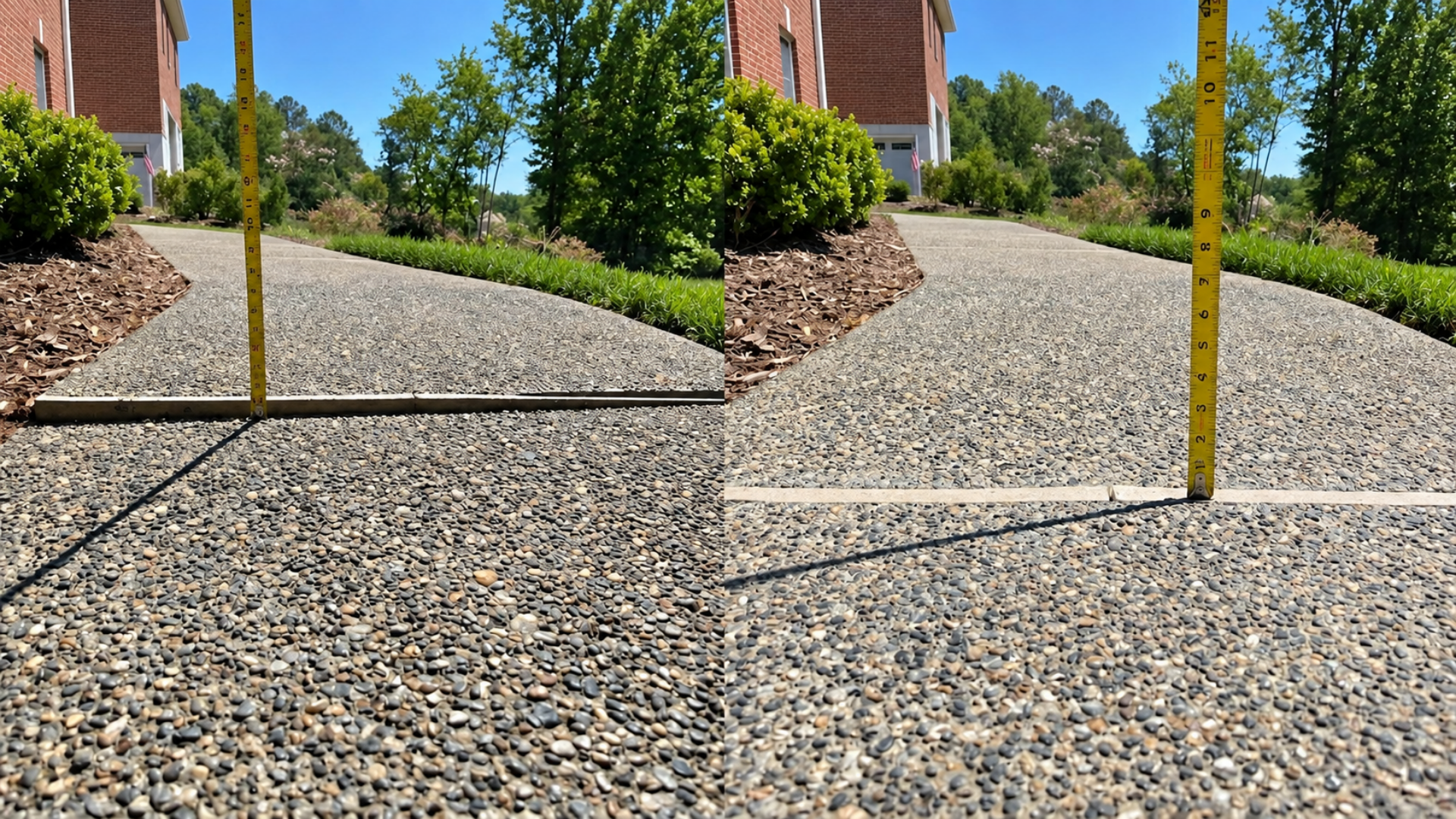
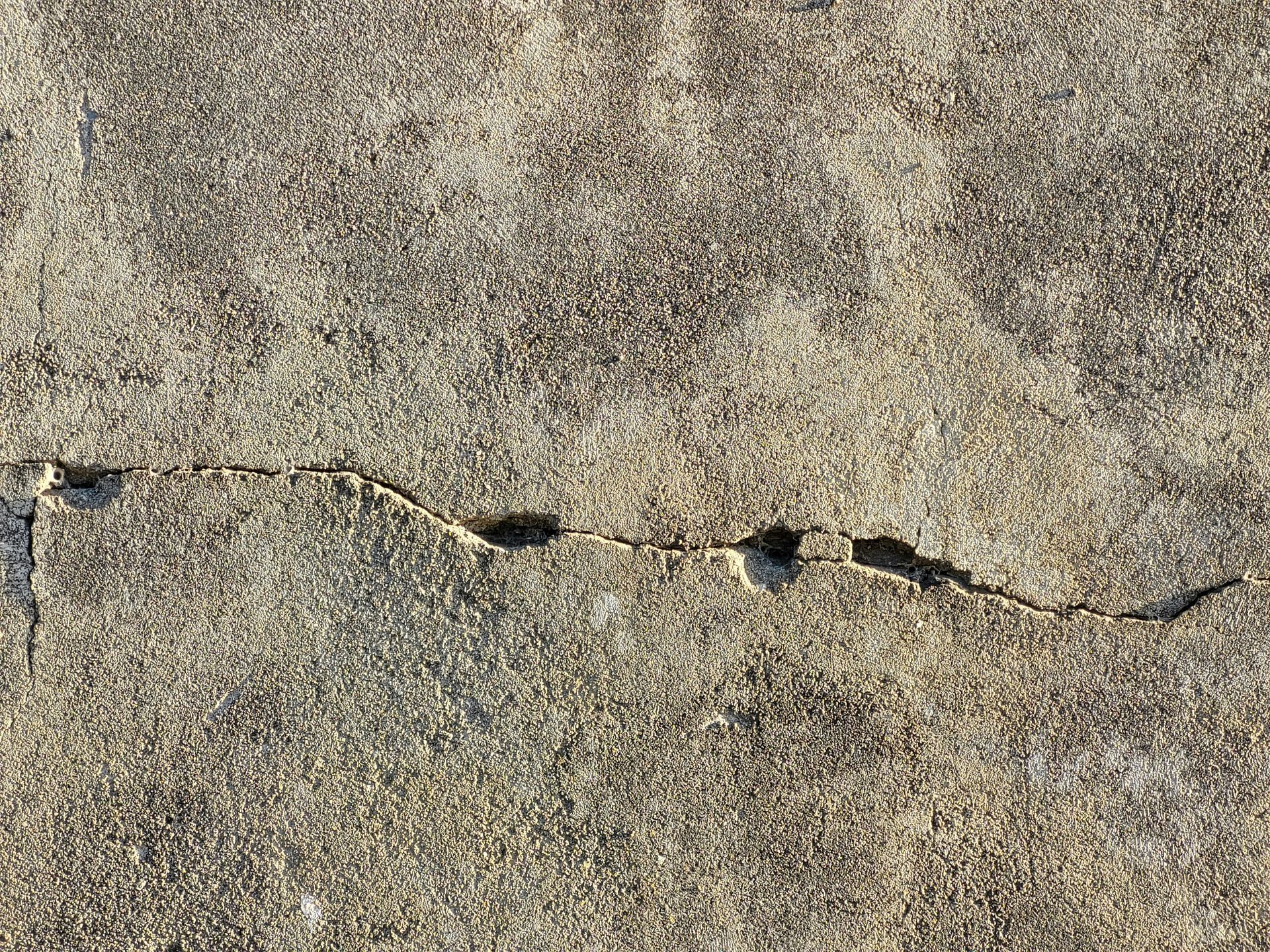
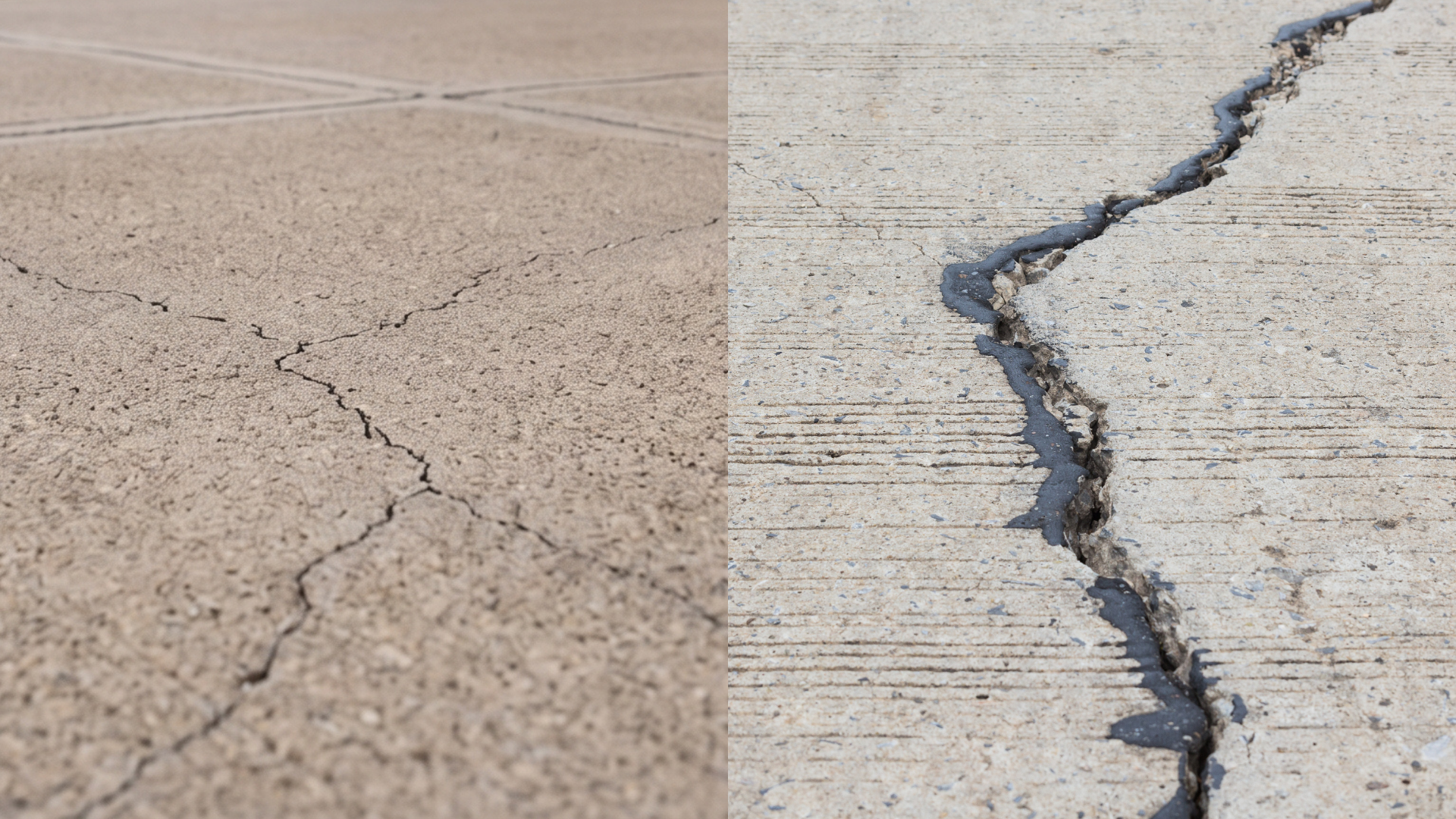
The absorption process does not only affect appearance. As contaminants settle into the concrete, they can contribute to gradual surface damage. Dirt and debris can act as abrasives, wearing down the surface with repeated use. Moisture can weaken the bonds within the material, making it more susceptible to cracking.
Small cracks often begin at the surface and expand over time as environmental factors continue to interact with the material. These cracks may seem minor at first, but they can lead to more significant issues if left unaddressed.
Repairing these areas early helps prevent further deterioration and extends the life of the concrete.
Why Standard Cleaning Is Not Enough
Many homeowners attempt to restore concrete using basic pressure washing. While this can remove surface-level dirt, it does not address contaminants that have been absorbed into the material.
Because these substances are embedded within the pores, they require more advanced methods to fully remove. Without proper treatment, the surface may appear cleaner temporarily but will often return to its previous condition.
Effective concrete repair and restoration must address both the surface and the underlying buildup.

The Role of Professional Concrete Repair
Concrete repair involves more than fixing visible cracks. It requires addressing the conditions that caused the damage in the first place. This includes removing embedded contaminants, restoring the surface, and treating areas that have begun to weaken.
At Rite-Wash, the approach to concrete restoration is designed to reverse the effects of environmental absorption. By targeting buildup within the surface and repairing areas of wear, the goal is to return concrete to a more uniform and stable condition.
This process not only improves appearance but also helps protect the surface from future damage.
A Smarter Approach to Long-Term Concrete Care
Concrete does not fail overnight. It changes gradually as it absorbs its environment. Recognizing this process allows for more effective maintenance and repair strategies.
Rather than waiting for significant damage to occur, addressing issues early can preserve the integrity of the surface and reduce the need for more extensive work later.
If your concrete surfaces are showing signs of wear, discoloration, or cracking, contact Rite-Wash to explore repair and restoration solutions designed to extend the life and performance of your property.