Driveway Replacement vs Concrete Restoration: What Williamsburg Homeowners Should Know
Before You Tear It Out
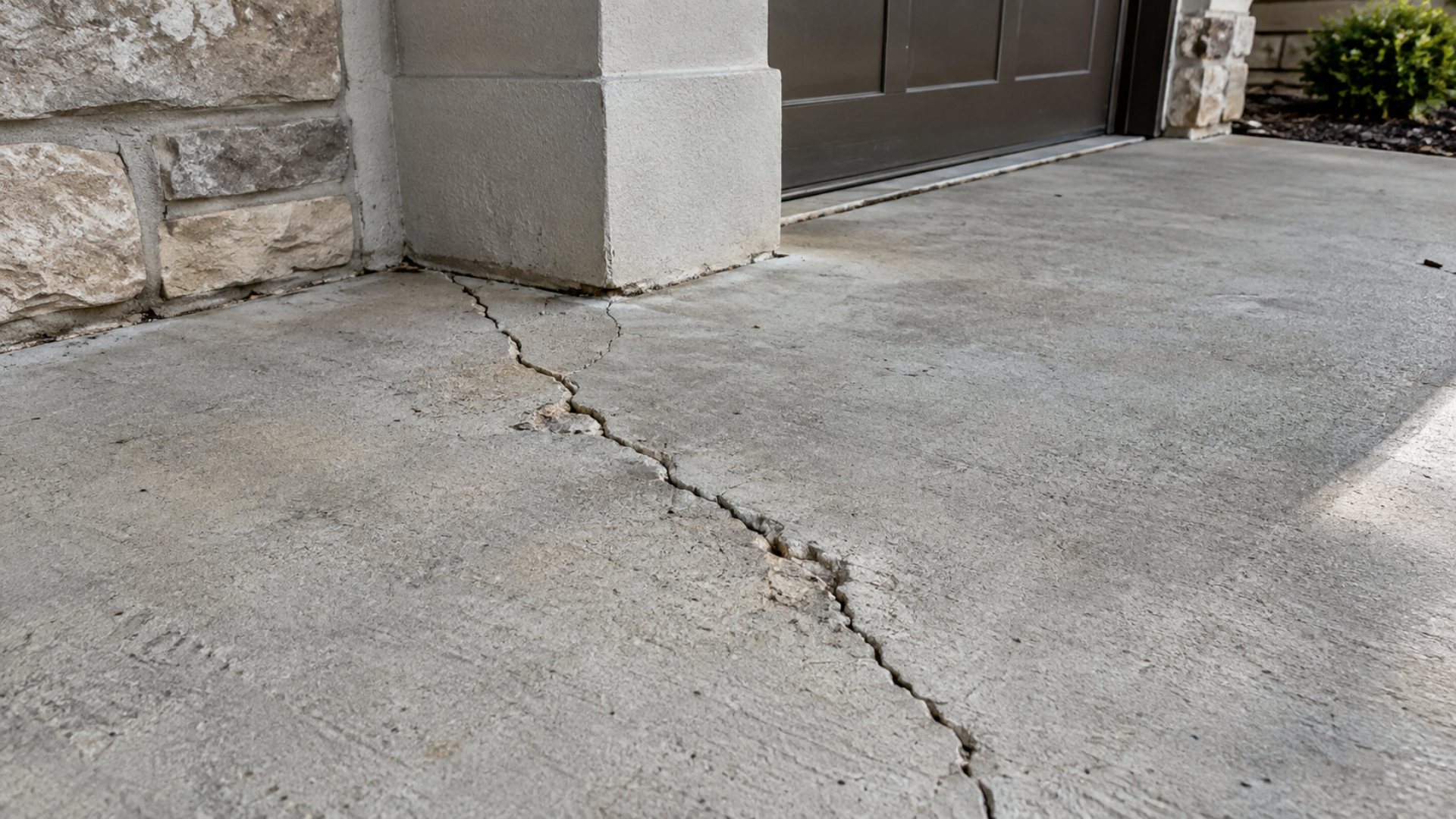
If your driveway is cracked, stained, or uneven, your first instinct may be to consider tearing it out and starting over. Full replacement often sounds like the most permanent solution. However, in Williamsburg and throughout the Hampton Roads region, driveway replacement is not always the most practical or cost-effective choice. In many cases, professional concrete restoration delivers long-lasting results at a fraction of the cost and disruption.
At Rite-Wash, we focus on restoring existing concrete surfaces because we understand how concrete behaves in
coastal Virginia’s climate. Replacement is sometimes necessary, but it is rarely the only option, and it does not eliminate the underlying factors that cause cracking and settling in the first place.
Why Driveways Crack in the First Place
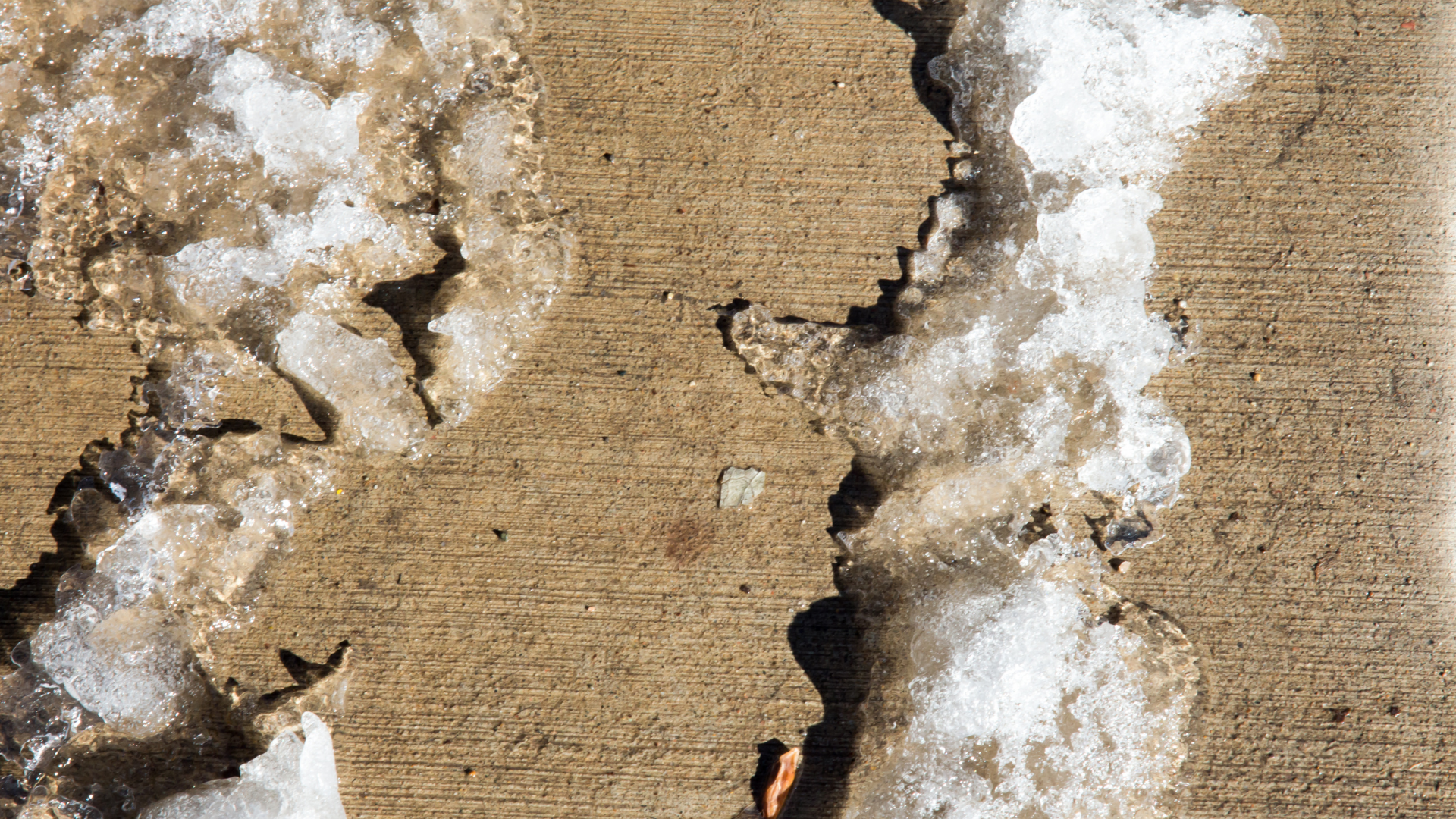
Concrete is strong, but it is not immune to environmental stress. In Williamsburg, shifting soil, seasonal moisture changes, and temperature fluctuations place constant pressure on driveways. Water intrusion is especially problematic. When water seeps into small cracks or beneath slabs, it can weaken the base material and contribute to settling and surface separation.
Even brand-new concrete is susceptible to cracking over time. Replacing an entire driveway does not prevent future movement in the soil or eliminate the natural
expansion and contraction that concrete undergoes. Without addressing those conditions, new slabs can eventually develop the same problems.
The True Cost of Replacement
Full driveway replacement involves demolition, hauling away debris, preparing the base, forming, pouring, curing, and finishing. The process is labor intensive and disruptive. Homeowners often lose access to their driveway for an extended period while the new surface cures properly.
Replacement also comes at a
significantly higher price point. Beyond the material and labor costs, there are additional considerations such as landscaping disturbance, potential permitting requirements, and extended downtime. For many homeowners, replacement may feel like an excessive response to cracks, minor settling, or worn expansion joints.
What Concrete Restoration Offers
Concrete restoration focuses on correcting specific issues without removing the entire driveway. Services such as crack repair, expansion joint replacement, and concrete lifting address the root causes of surface deterioration.
Crack repair seals existing fractures to prevent water intrusion. Expansion joint replacement ensures that slabs have room to expand and contract without creating stress fractures. Concrete lifting corrects sunken or uneven sections by stabilizing the underlying base material and restoring level alignment.
These solutions improve both appearance and structural performance without the expense and disruption of complete demolition.

Why Restoration Is Often the Smarter Choice
In many cases, the majority of a driveway remains structurally sound. Isolated cracks or minor settlement do not automatically justify full replacement. By targeting the affected areas, restoration preserves usable concrete and extends its lifespan.
Restoration also offers a faster turnaround. Instead of waiting for demolition and curing periods, homeowners can often regain normal driveway use much sooner. This convenience matters, particularly for busy households.
Most importantly, restoration is cost effective. Addressing cracks and settling early prevents more extensive damage later. Proactive maintenance reduces the likelihood that small issues will develop into widespread structural failure.
Addressing Coastal Conditions
Williamsburg’s climate plays a significant role in driveway performance. High humidity, seasonal rains, and shifting soil conditions all contribute to movement beneath concrete slabs. Restoration techniques are designed with these conditions in mind.
Concrete lifting stabilizes compromised areas, while joint replacement improves flexibility and water resistance. By improving drainage and sealing vulnerable areas, restoration can help driveways perform better in the long term.
A Practical Investment in Your Home
Choosing restoration does not mean compromising quality. When performed correctly, professional concrete restoration strengthens and protects your driveway while improving curb appeal. The surface looks refreshed, cracks are sealed, and uneven areas are corrected.
Replacing an entire driveway does not guarantee that cracking will not return. Concrete remains subject to the same environmental forces. Restoration, when implemented proactively, offers a practical way to manage those forces while preserving your existing investment.
At Rite-Wash, we believe homeowners deserve honest solutions that align with their needs and budget. In many situations, restoration provides the durability, appearance, and value that homeowners are seeking, without the unnecessary expense of full replacement.