How Driveway Restoration Improves First Impressions Instantly
The Power of a Clean, Revitalized Driveway
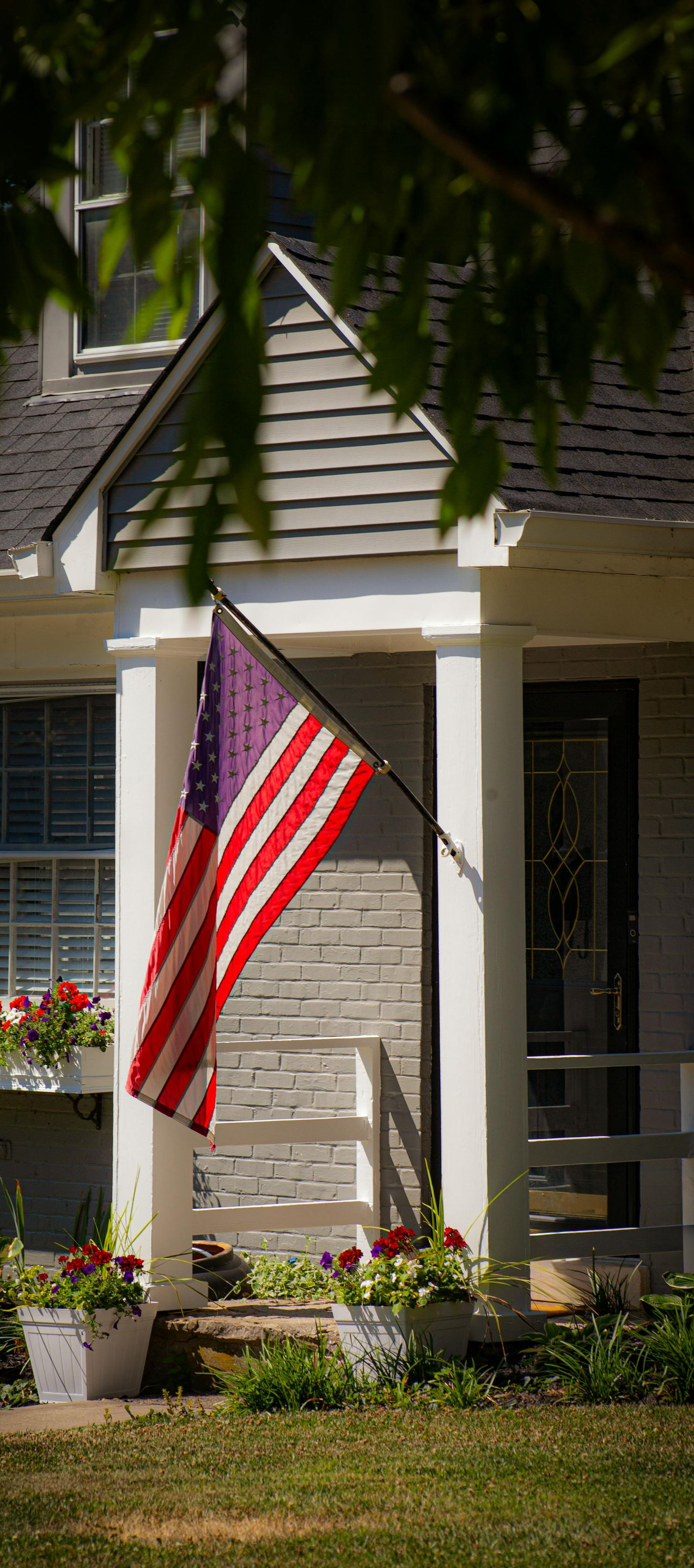
First impressions matter, especially when it comes to a home’s exterior. The driveway is often one of the first things people notice when they arrive at a property. Whether welcoming guests, attracting potential buyers, or simply maintaining pride in ownership, the condition of a driveway plays a larger role than many homeowners realize.
Over time, concrete driveways can become stained, discolored, and worn. Oil spots, dirt buildup, algae growth, and weather exposure gradually change the appearance of the surface. As a result, even well-maintained homes can appear older or less cared for than they actually are. Fortunately, professional driveway restoration offers a practical way to reverse this process and dramatically improve curb appeal without the need for costly replacement.
The Driveway as a Focal Point
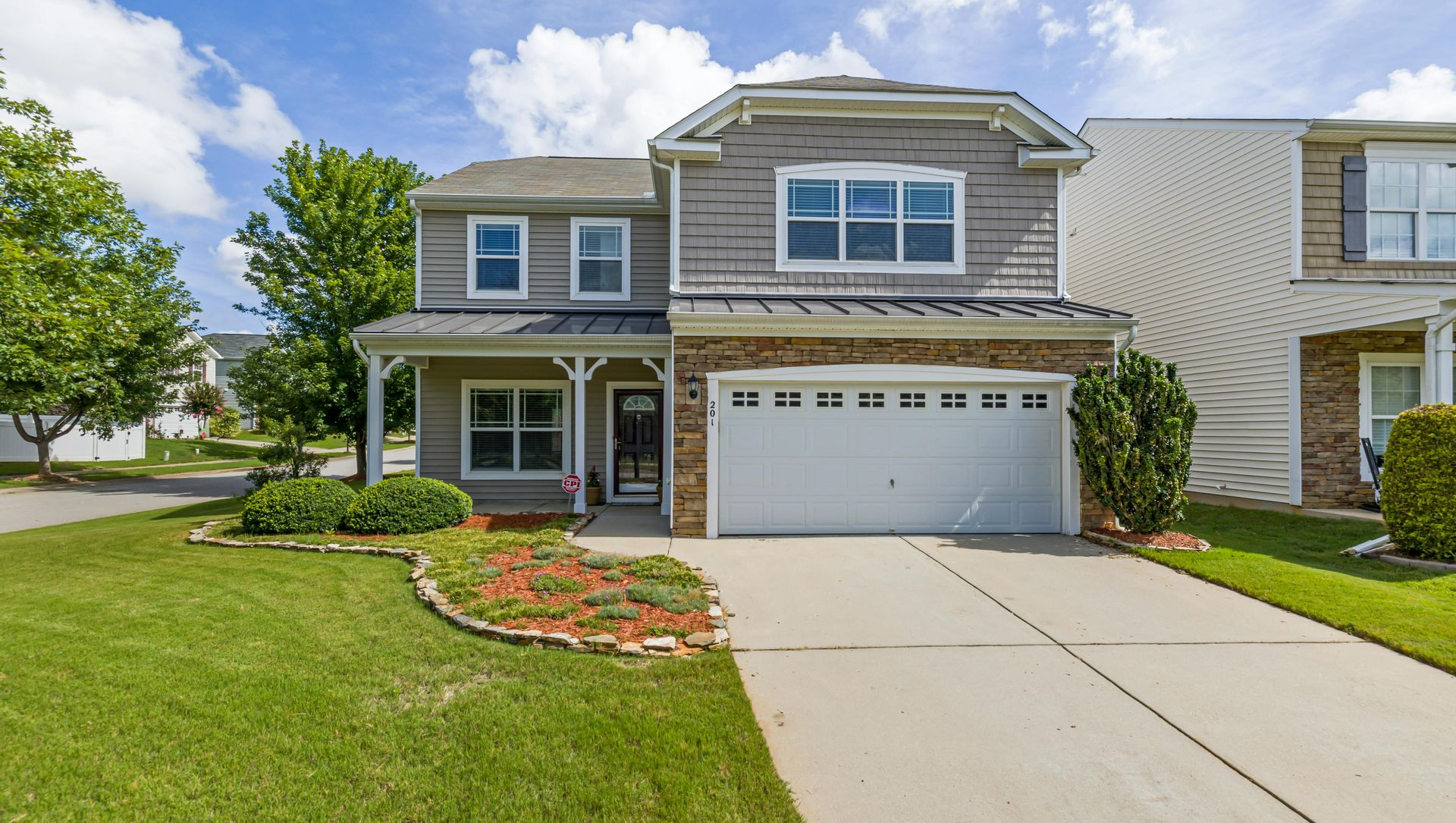
A driveway occupies a large portion of a home’s exterior. Unlike smaller features such as trim or landscaping details, it is a broad surface that draws immediate attention. When the driveway looks clean and well-maintained, it sets a positive tone for the entire property.
On the other hand, a stained or weathered driveway can detract from the curb appeal of even the most attractive home. Dark spots, uneven coloring, and visible buildup create a sense of neglect, even when the rest of the property is in excellent condition.
Restoring the driveway helps bring the entire exterior back into balance, allowing other features of the home to stand out.
Removing Years of Buildup
Concrete is a porous material, which means it absorbs substances over time. Oil, grease, dirt, and organic growth can penetrate the surface, creating stains that are difficult to remove with basic cleaning methods.
Professional restoration goes beyond surface-level washing. It involves deep cleaning techniques designed to break down and remove embedded contaminants. This process lifts years of buildup from the concrete, revealing the original color and texture beneath.
The difference can be significant. Surfaces that once appeared permanently stained often regain a much cleaner and brighter appearance.
Addressing Organic Growth
Algae, mold, and mildew are common on driveways, especially in areas with moisture or limited sunlight. These organisms create dark patches that spread across the surface and can make the driveway look aged and unclean.
In addition to affecting appearance, organic growth can create slippery conditions that present safety concerns. Professional cleaning removes these growths and helps prevent them from returning quickly.
Eliminating organic buildup not only improves the look of the driveway but also makes it safer for everyday use.
Repairing Cracks for a Cleaner Look
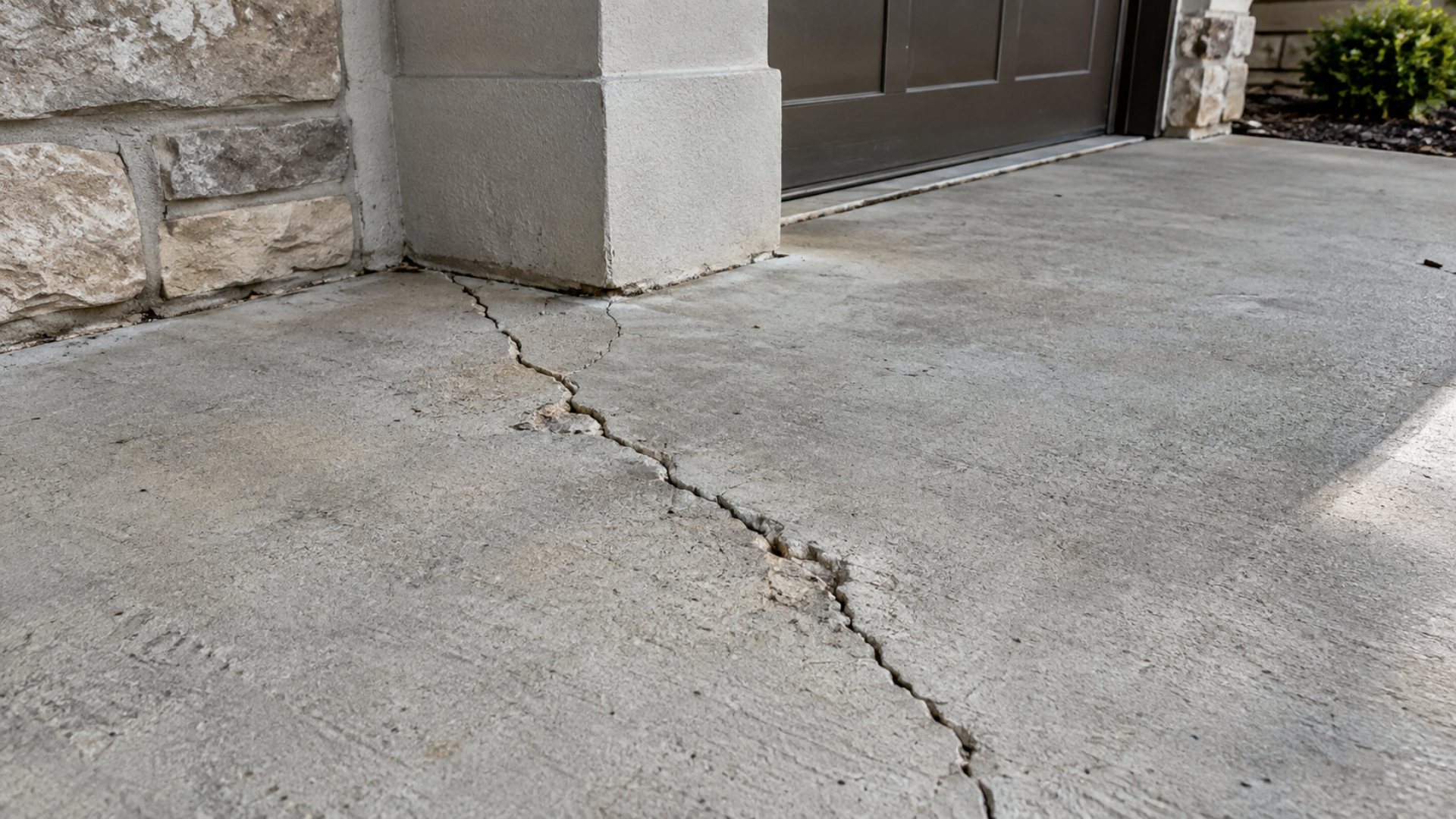
Cracks are another factor that can affect the appearance of a driveway. Even small cracks can make a surface look older and less maintained. Over time, these cracks may collect dirt and debris, making them more noticeable.
Driveway restoration often includes addressing these cracks through repair techniques that help stabilize the surface. Repairing cracks not only improves appearance but also helps prevent further deterioration.
By combining cleaning and repair, homeowners can achieve a more uniform and polished look.
A Cost-Effective Alternative to Replacement
Many homeowners assume that a worn or stained driveway must be replaced. However, replacement can be expensive and time-consuming. In many cases, professional restoration provides a more practical solution.
Restoration focuses on improving the existing surface rather than removing and replacing it. This approach can significantly reduce costs while still delivering noticeable results.
For homeowners looking to
improve curb appeal without a major investment, driveway restoration offers a strong return.
Enhancing Property Value and Appeal
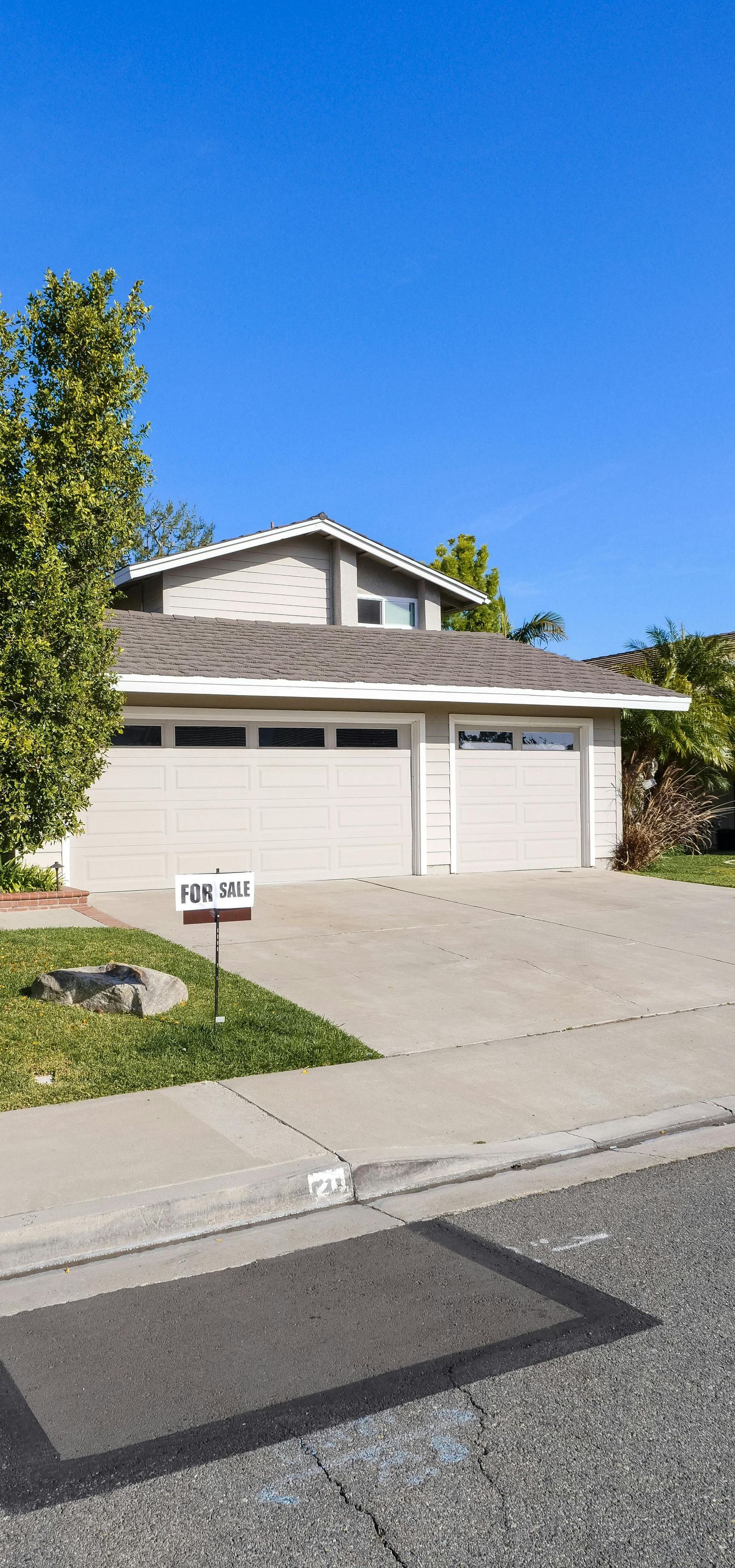
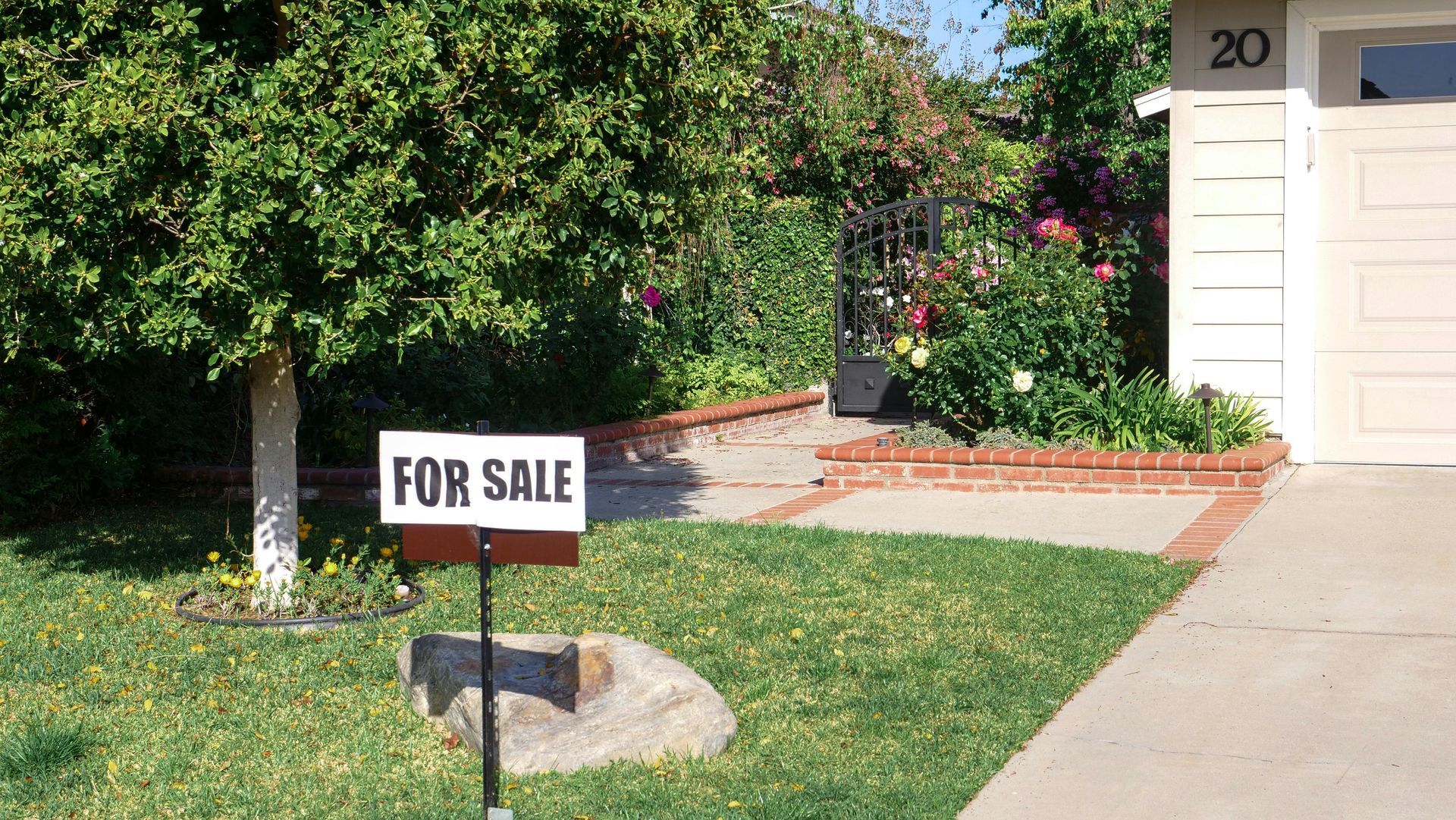
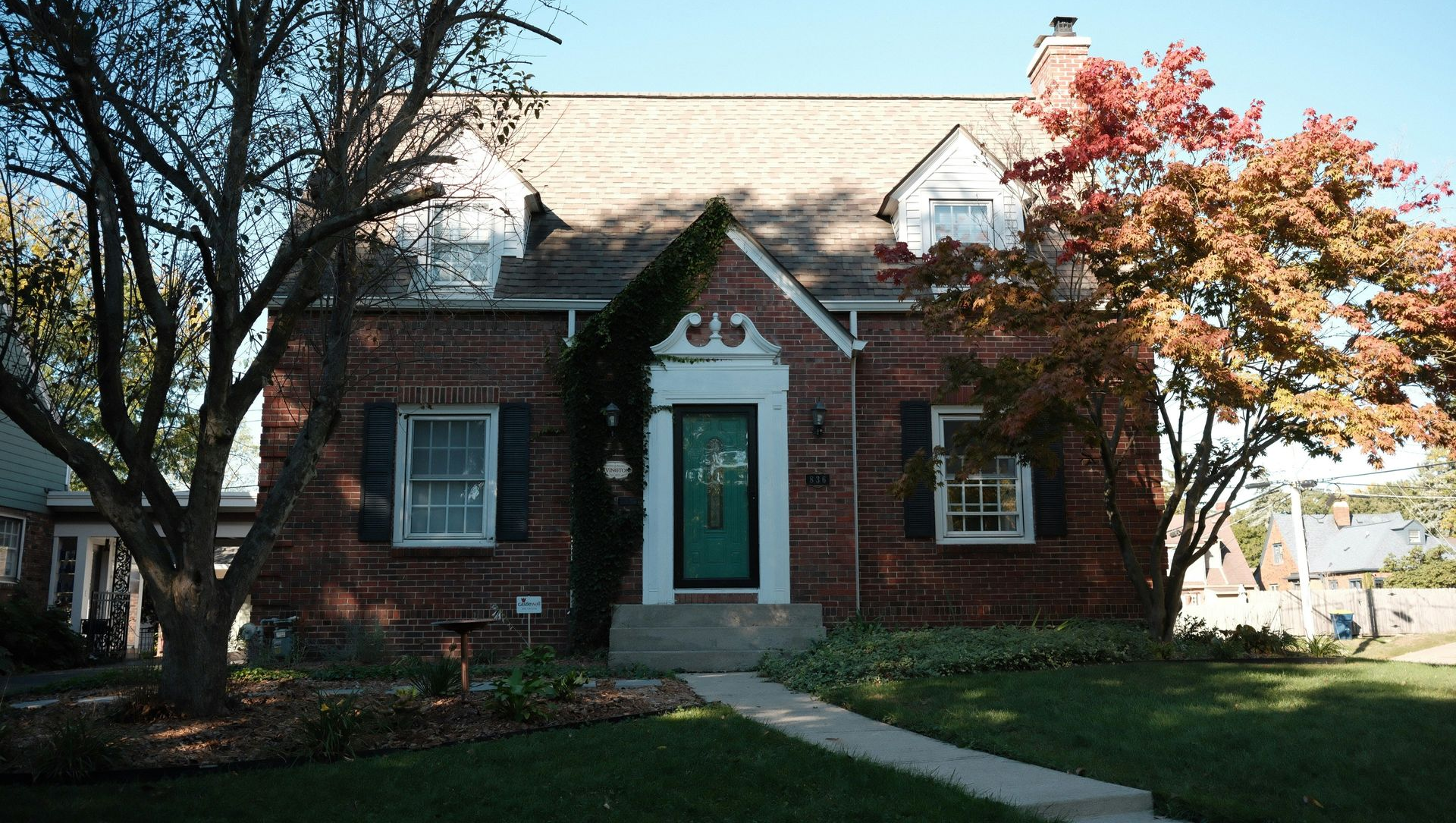
A clean and well-maintained driveway contributes to the overall value of a property. For those preparing to sell a home, exterior appearance plays a key role in attracting potential buyers.
First impressions often influence how buyers perceive the rest of the property. A restored driveway signals that the home has been cared for and maintained, which can create a more favorable impression during showings.
Even for homeowners who are not planning to sell, improving curb appeal enhances pride in ownership and enjoyment of the property.
Professional Restoration Makes the Difference
Achieving meaningful results requires more than basic cleaning equipment. Professional restoration services use specialized techniques and equipment designed to treat concrete effectively.
At Rite-Wash, we focus on restoring concrete driveways through deep cleaning and repair services that bring surfaces back to life. Our approach emphasizes restoration over replacement, helping homeowners improve the appearance and longevity of their driveways.