What Your Driveway Says About How Your Home Is Maintained
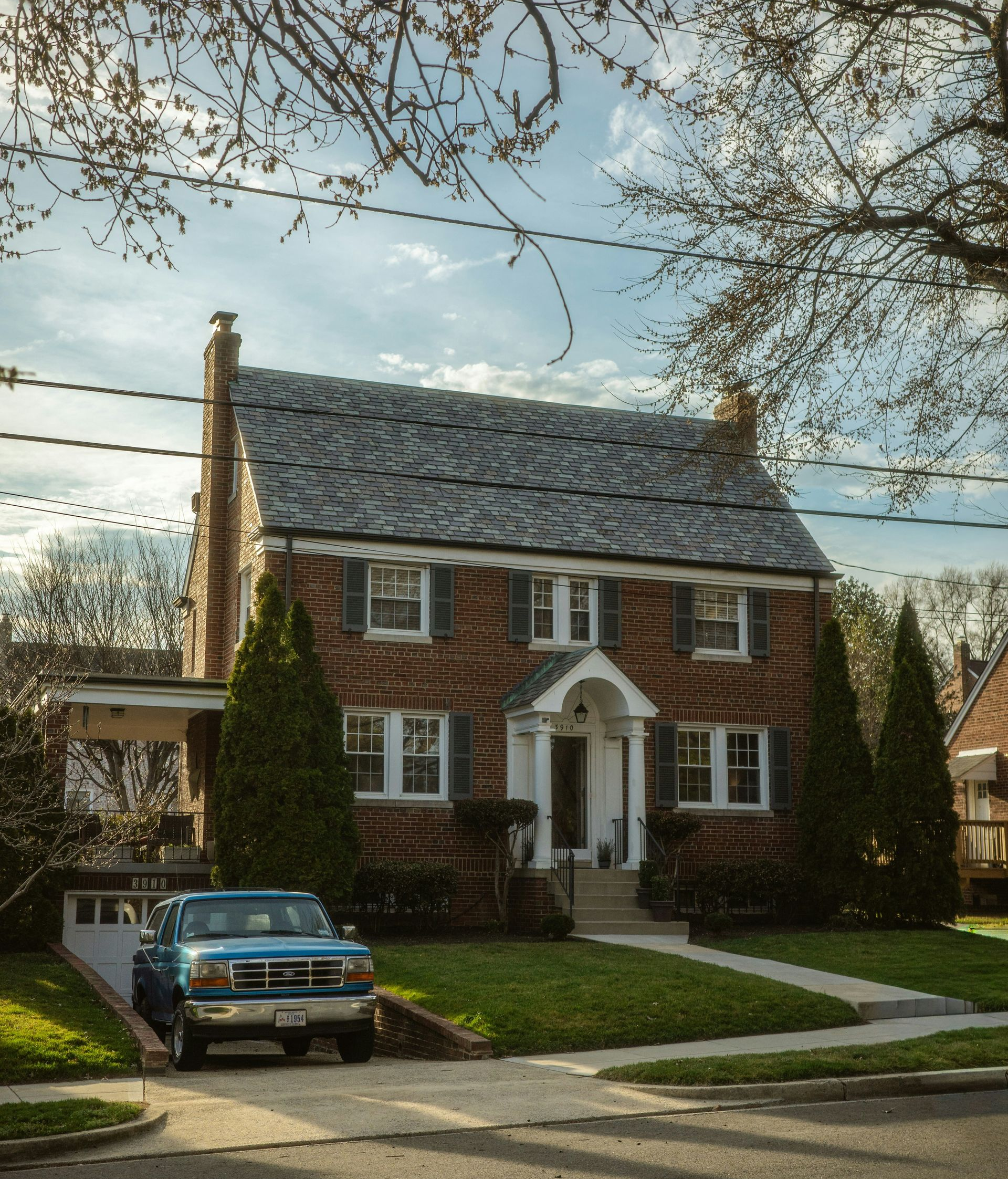
When homeowners think about property maintenance, attention often goes to roofs, siding, or landscaping. These are important elements, but one of the most visible features of any home is often overlooked: the driveway. As one of the first surfaces people see, concrete plays a significant role in how a property is perceived.
A driveway does more than provide access. It reflects how consistently a home is cared for.
First Impressions Begin at Ground Level
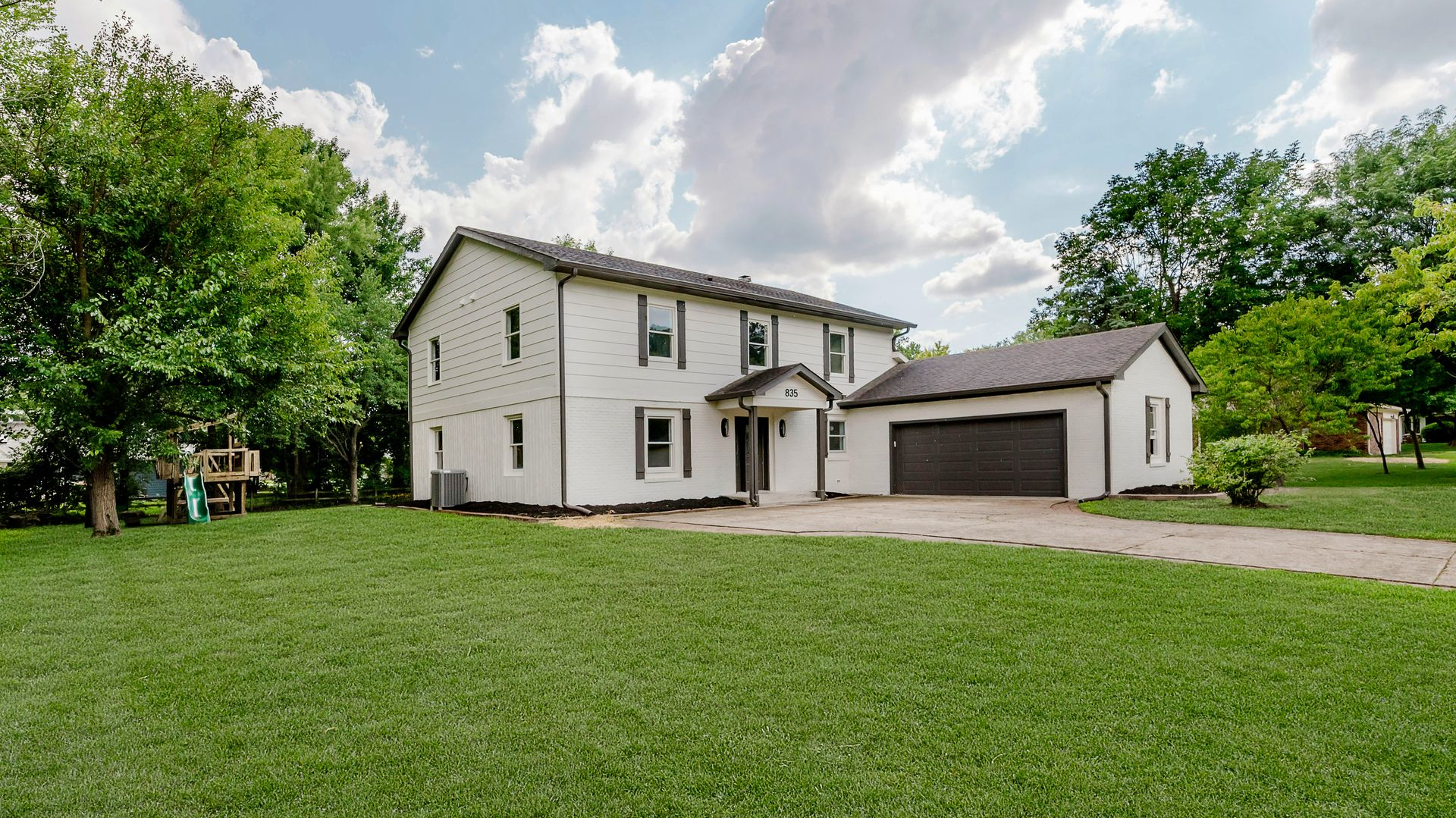
Before anyone notices architectural details or landscaping choices, they encounter the driveway. Whether it is a visitor, a neighbor, or a potential buyer, the condition of that surface can shape an immediate impression.
Clean, well-maintained concrete suggests:
- Attention to detail
- Ongoing property care
- A sense of pride in ownership
In contrast, stained or deteriorating concrete may create the opposite impression, even if the rest of the home is well maintained. This
visual impact is often subtle, but it influences how the entire property is perceived.
Surface Condition Signals Maintenance Habits
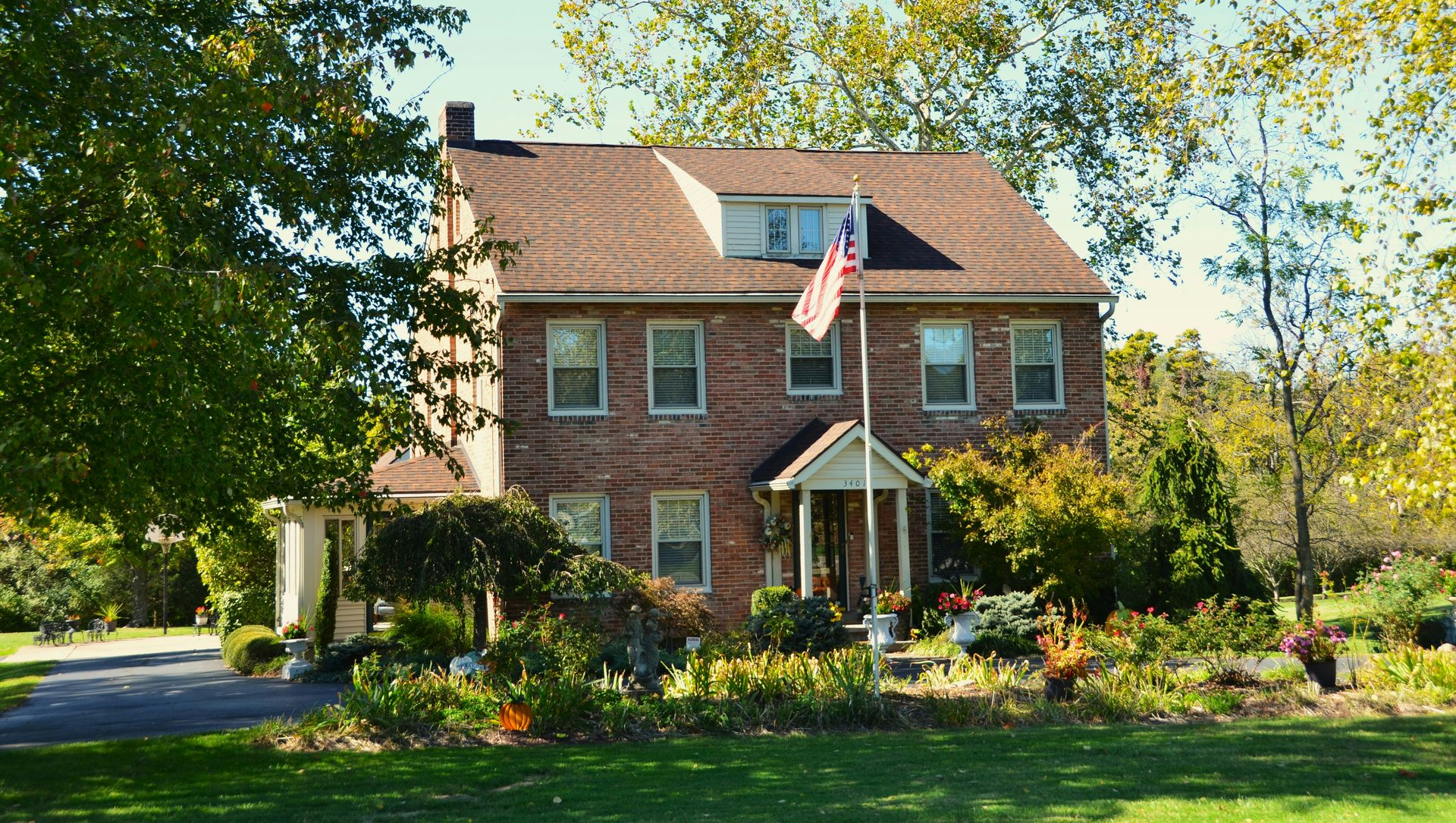
Concrete does not degrade overnight. Discoloration, staining, and surface wear develop gradually over time. Because of this, the condition of a driveway can indicate how regularly maintenance tasks are performed.
For example:
- Dark staining may suggest prolonged exposure to organic buildup or environmental residue
- Uneven coloration can indicate inconsistent cleaning or lack of restoration
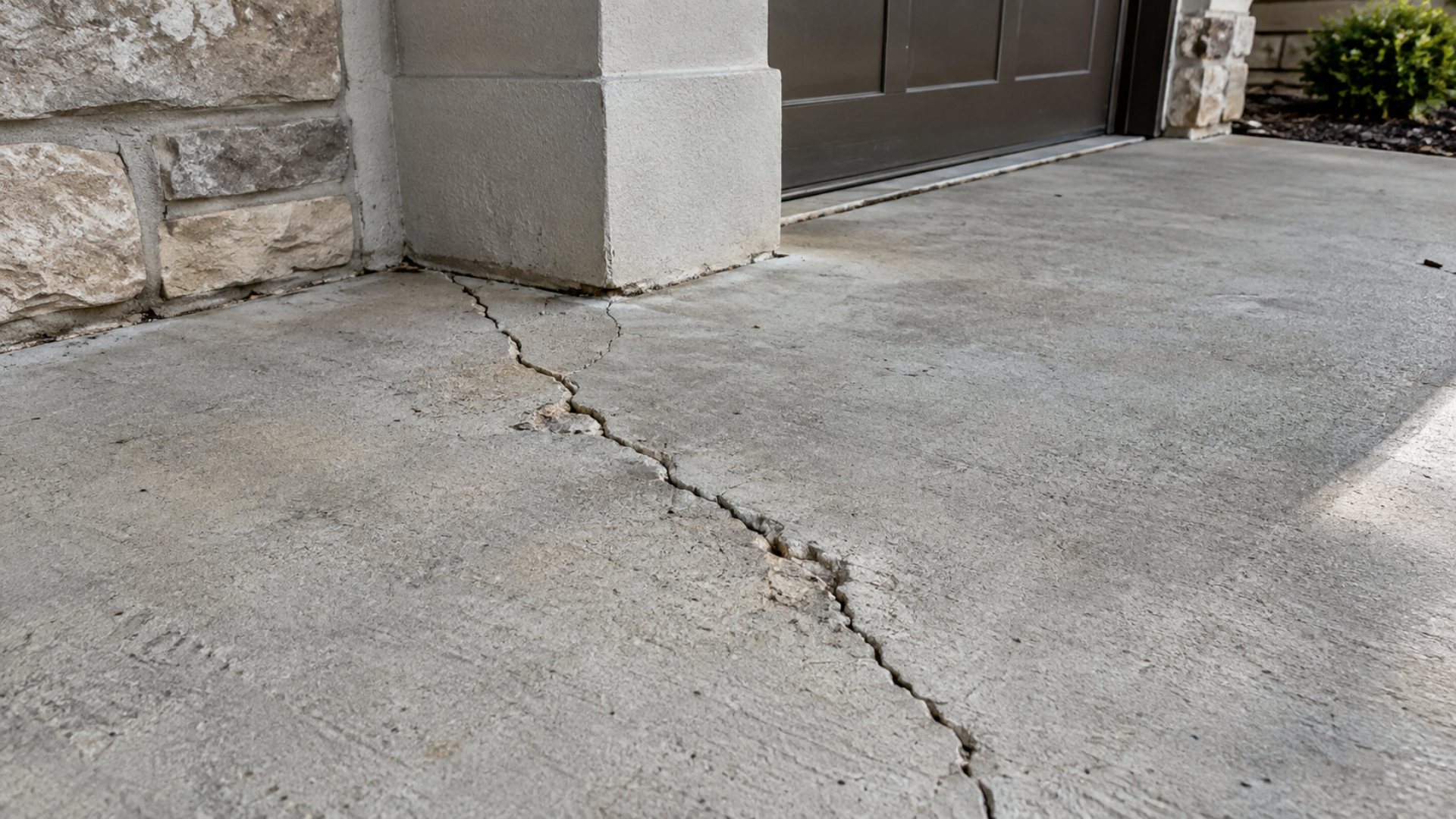
- Surface wear may point to delayed attention to minor issues
These signs are not just cosmetic. They reflect how small maintenance tasks are managed over time.
The Difference Between “Clean” and “Maintained”
Many homeowners assume that occasional cleaning is sufficient. While this can improve appearance temporarily, it does not address deeper surface issues.
Concrete is porous, which means contaminants can settle below the surface. Over time, this leads to:
- Persistent discoloration
- Embedded stains
- Gradual deterioration of the surface layer
Restoration focuses on addressing these deeper issues. It goes beyond surface-level cleaning to improve both appearance and condition.
A maintained driveway is not simply one that looks better for a short time. It is one that has been properly restored and preserved.
How Neglected Concrete Affects the Entire Property
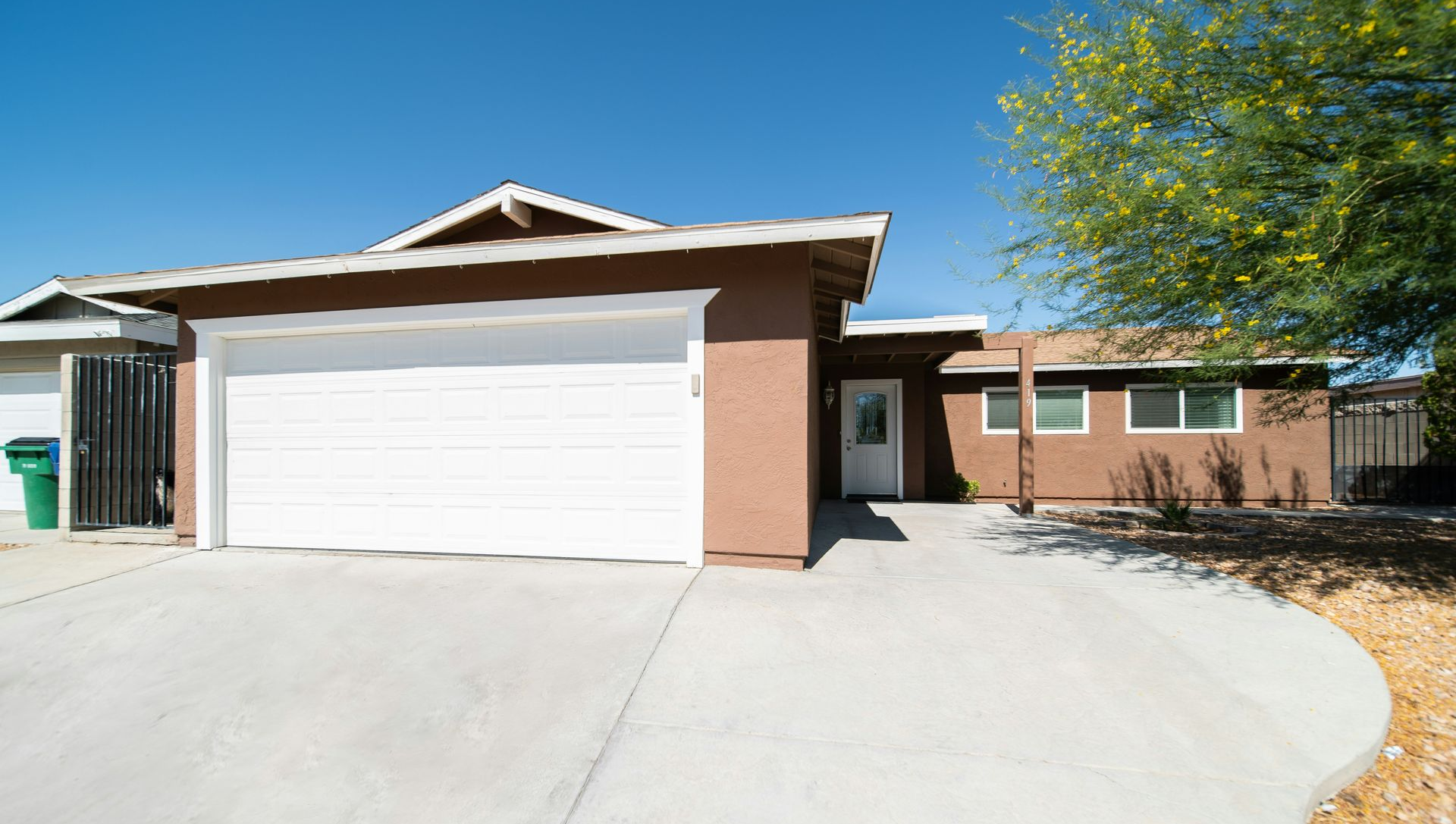
Concrete surfaces often cover a large portion of a property’s exterior. Driveways, walkways, and patios create a visual foundation for the home.
When these surfaces are neglected, they can:
- Make the property appear older than it is
- Reduce the impact of landscaping improvements
- Create a contrast with otherwise well-maintained features
Even small areas of discoloration can draw attention and affect the overall presentation of the home.
The Role of Environment in Concrete Appearance
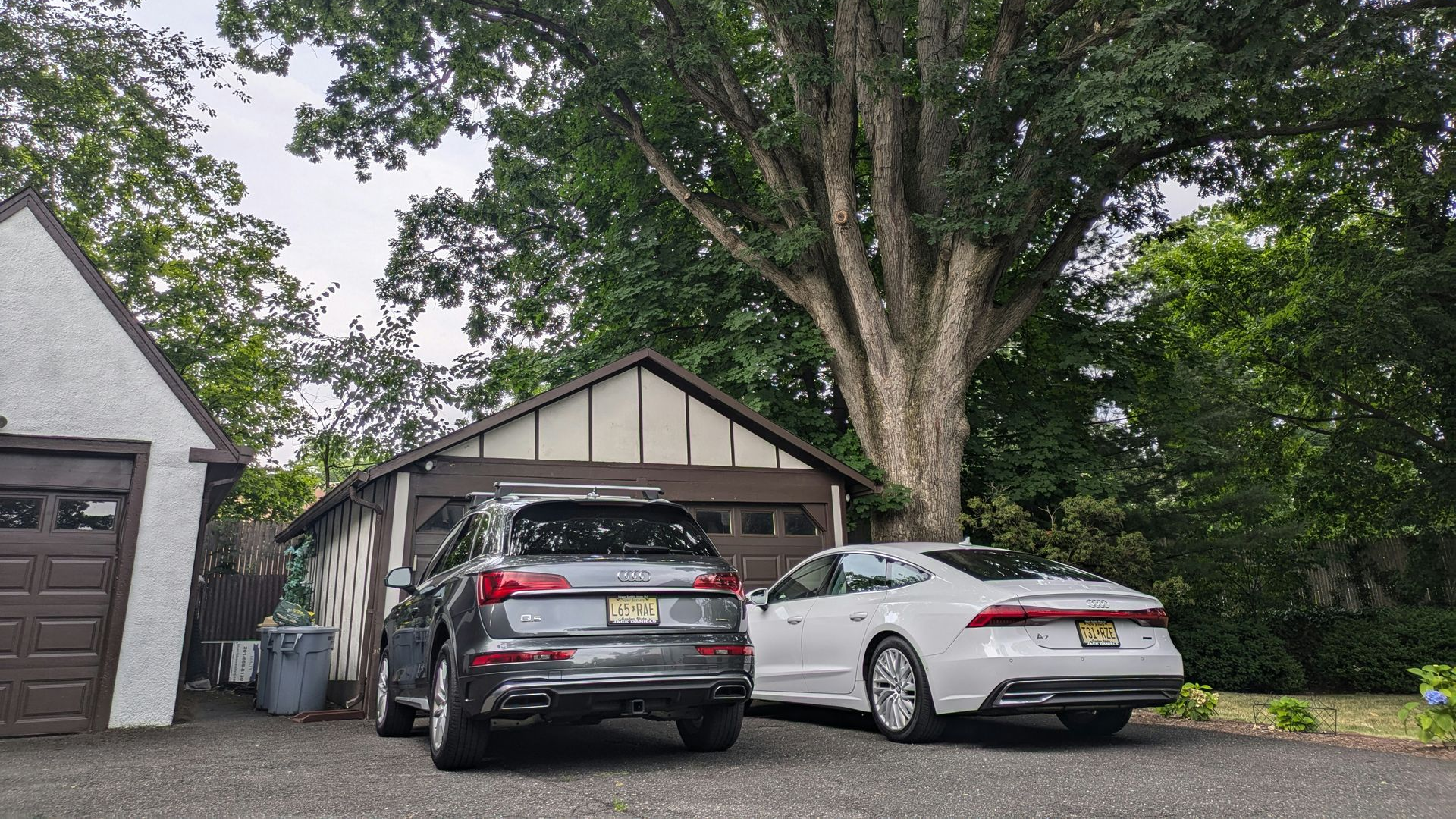
In regions like coastal Virginia, environmental conditions play a significant role in how concrete ages. Moisture, humidity, and organic growth can accelerate the buildup of stains and surface discoloration.
Over time, these factors may lead to:
- Darkened concrete surfaces
- Increased algae or organic growth
- Reduced visual consistency across the driveway
Without restoration, these effects can continue to develop and become more noticeable.
A More Complete Approach to Property Care
Maintaining a home involves more than addressing visible damage. It includes recognizing how each element contributes to the overall appearance and function of the property.
Concrete restoration is often overlooked because it does not always seem urgent. However, addressing it can have an immediate and noticeable impact.
By restoring concrete surfaces, homeowners can:
- Improve the visual consistency of their property
- Enhance curb appeal without major renovation
- Extend the usable life of their driveway and walkways
A Reflection of Long-Term Care
A well-maintained driveway is not just about appearance. It reflects a broader approach to property care. It shows that attention is given to both major systems and smaller details.
Rite-Wash specializes in professional concrete restoration designed to improve both the appearance and longevity of your surfaces. If your driveway is showing signs of wear, discoloration, or buildup, contact Rite-Wash to restore it and ensure your home reflects the level of care it deserves.