Why Moisture Plays a Major Role in Concrete Deterioration
Concrete is often viewed as one of the most durable materials used in residential and commercial properties. While it is strong and long-lasting, it is not immune to environmental factors. Among these, moisture is one of the most significant and often underestimated causes of concrete deterioration.
Understanding how moisture affects concrete helps explain why surfaces that once looked uniform can gradually develop discoloration, texture changes, and structural wear.
Concrete Is Not Impermeable
One of the most common misconceptions about concrete is that it is completely solid and resistant to water. In reality, concrete is porous. It contains microscopic openings that allow water and moisture to move through it over time.
This means that when concrete is exposed to rain, humidity, or ground moisture, it does not simply shed that water. Instead, it absorbs and retains a portion of it. As this process repeats, the internal condition of the concrete begins to change.
How Moisture Leads to Surface Changes
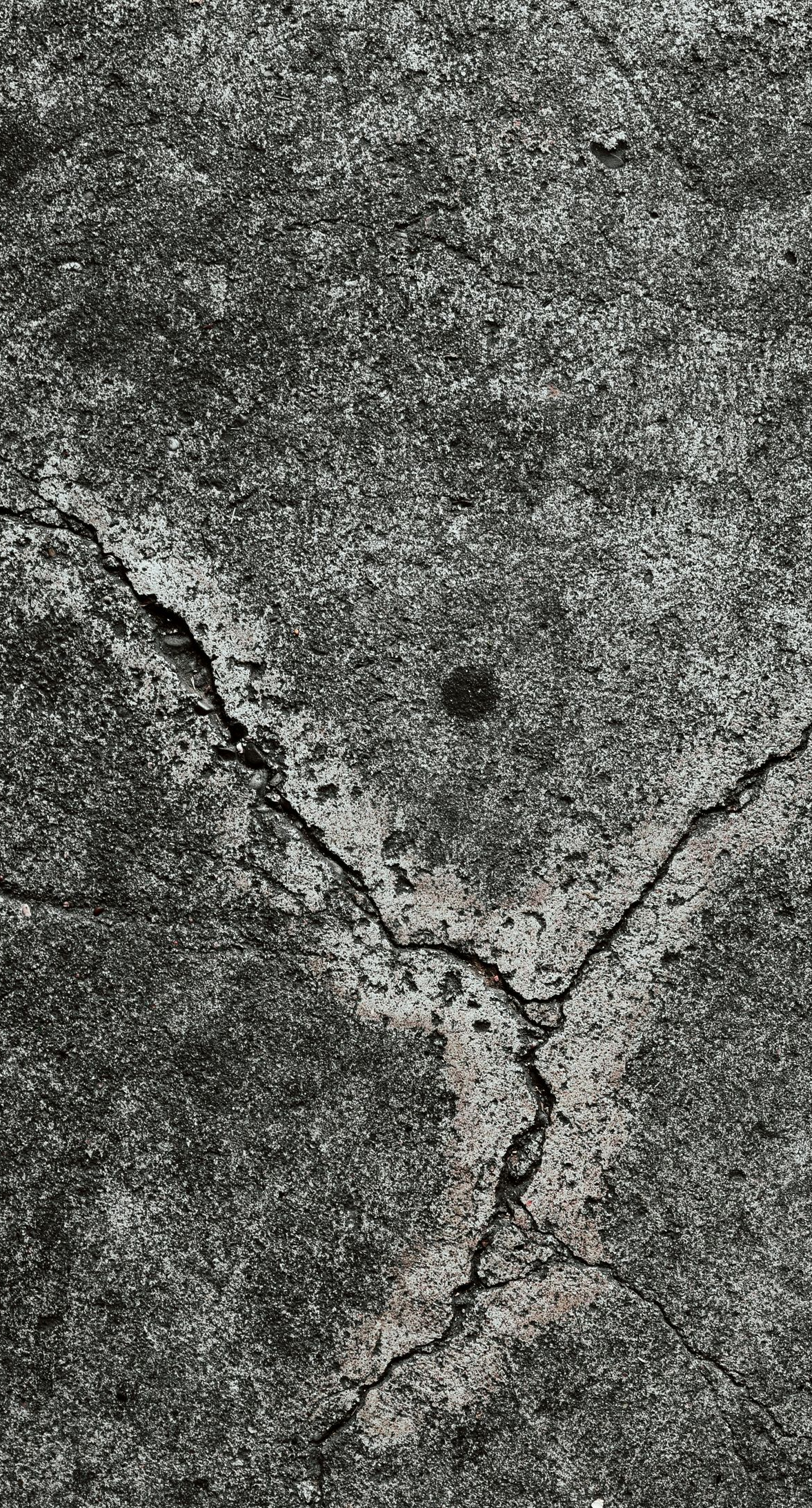
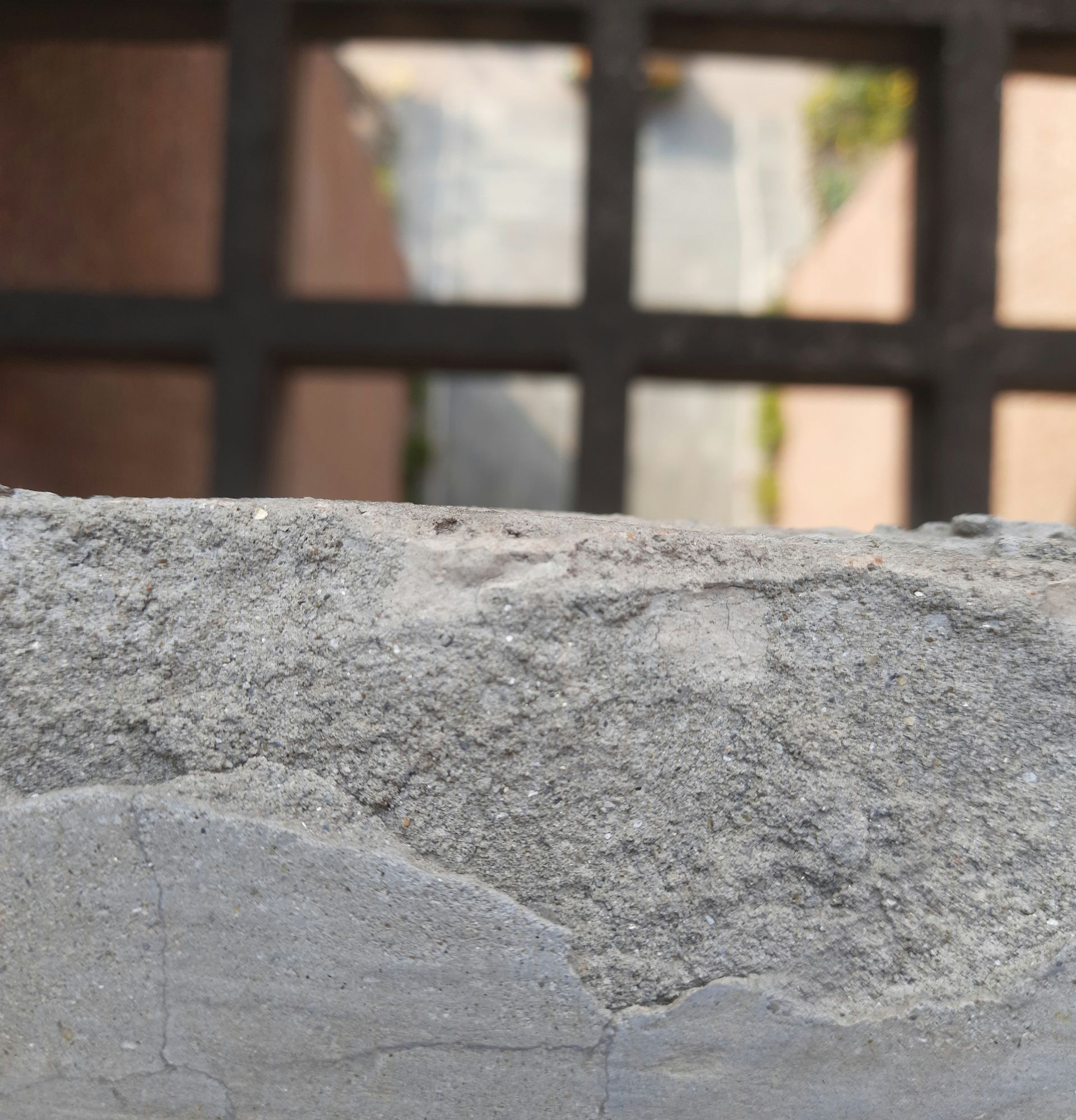
As moisture enters and exits the concrete, it can carry minerals, dirt, and other substances with it. Over time, this contributes to visible changes on the surface.
These changes may include:
- Darkening or uneven coloration
- Surface staining that does not respond to basic cleaning
- A gradual shift in texture
What appears to be simple discoloration is often the result of moisture interacting with the internal structure of the concrete.
The Role of Humidity in Coastal Environments
In regions like the Hampton Roads area, humidity plays an ongoing role in how concrete surfaces age. Even in the absence of heavy rain, moisture in the air can be absorbed into the surface.
Because this process is continuous, the effects of moisture can accumulate gradually without being immediately noticeable.
Moisture and Embedded Buildup
Moisture does more than alter the appearance of concrete. It also contributes to the buildup of materials within the surface.
Once embedded, this buildup becomes difficult to remove with standard cleaning methods. It becomes part of the surface rather than something resting on top of it.
Freeze-Thaw and Expansion Effects
In some climates, moisture within concrete can expand and contract due to temperature changes. While this is less frequent in milder regions, the principle still applies.
When moisture is present within the concrete, any expansion or contraction can place stress on the material. Over time, this stress contributes to:
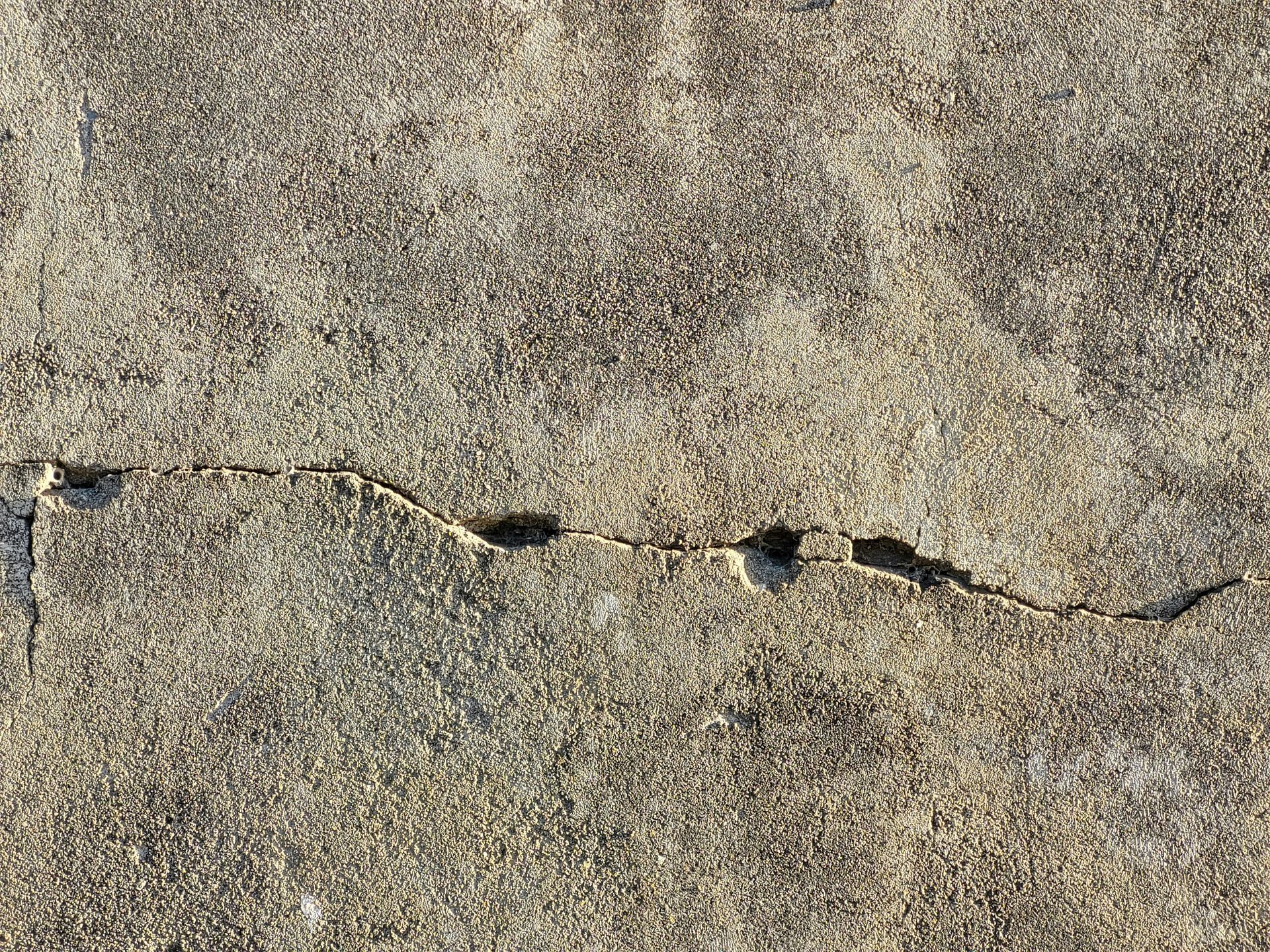
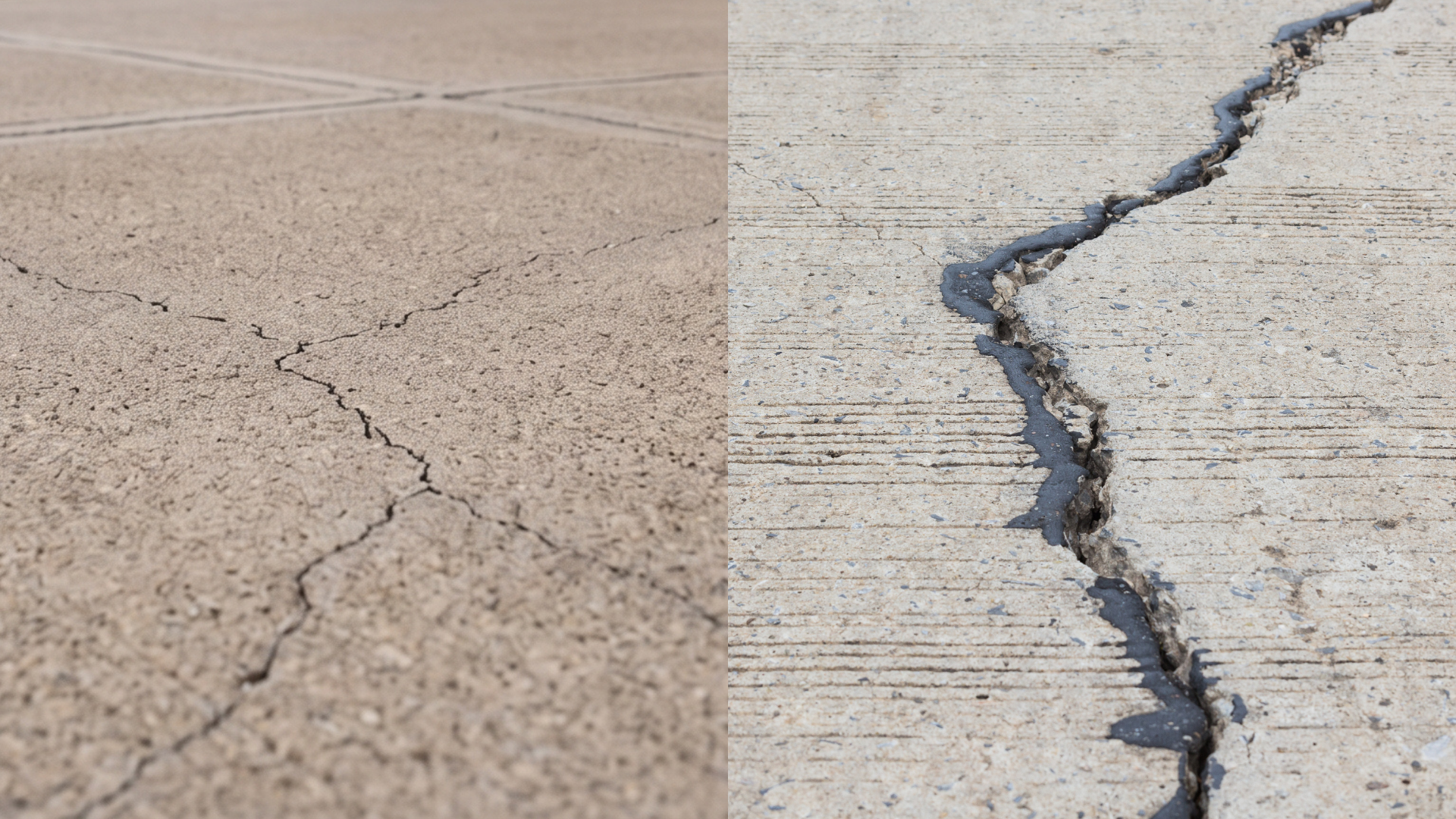
- Minor surface cracking
- Gradual weakening of the structure
- Increased susceptibility to further moisture intrusion
Even without extreme temperature swings, repeated cycles of moisture exposure can have a cumulative effect.
Why Moisture-Related Damage Is Often Overlooked
One of the challenges with moisture-related deterioration is that it develops slowly. Unlike sudden damage, these changes occur over months or years.
This can delay proper treatment and allow the condition to progress further.
The Role of Concrete Restoration
Addressing moisture-related issues requires more than surface-level cleaning. Because the effects extend into the concrete itself, restoration focuses on removing embedded buildup and improving the condition of the surface.
Effective restoration helps:
- Remove deep-set residue caused by moisture
- Restore a more uniform appearance
- Improve the surface’s ability to resist further buildup
By targeting the underlying issue, restoration provides a more lasting result than routine cleaning alone.
A More Informed Approach to Concrete Care
Moisture is a constant factor in how concrete surfaces age, especially in regions with high humidity. Recognizing its impact allows property owners to take a more proactive approach to maintenance.
Rite-Wash specializes in concrete restoration solutions designed to address the effects of moisture and long-term buildup. If your concrete surfaces are showing signs of discoloration or wear, contact Rite-Wash to explore options that go beyond surface cleaning and restore the condition of your property.