Concrete Expansion Joint Repair: A Cost-Effective Solution for Uneven Concrete
Uneven concrete is a common issue across driveways, walkways, patios, and commercial surfaces. It often develops gradually, creating trip hazards, drainage problems, and a worn appearance. Many property owners assume that replacement is the only solution. In reality, one of the most effective and affordable approaches often involves something far less invasive: concrete expansion joint repair.
Understanding how expansion joints function and how they relate to surface movement provides valuable insight into why this method can deliver strong results without the cost of full replacement.
What Are Concrete Expansion Joints?
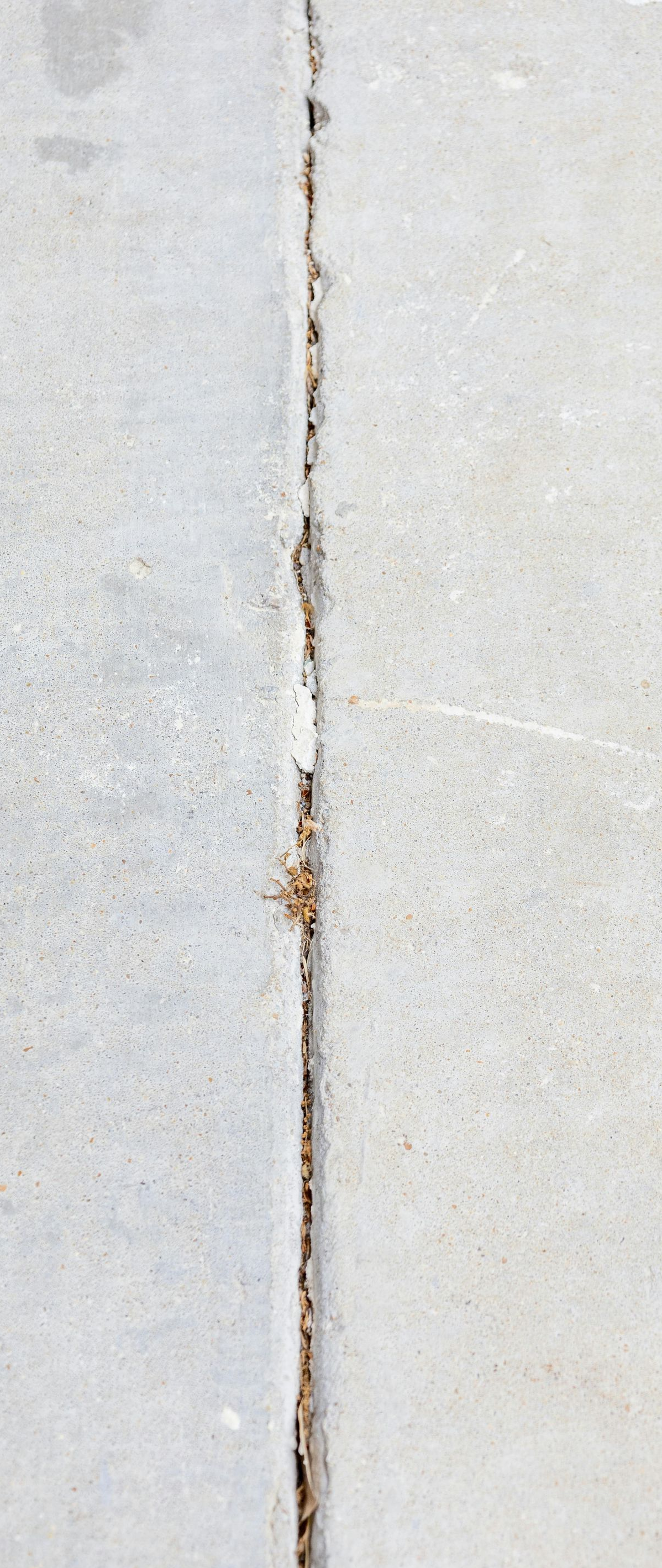
Concrete expansion joints are intentional gaps placed between sections of concrete during installation. These joints are designed to allow the material to expand and contract as temperatures change and as the ground shifts.
Without these joints, concrete would have no room to move. This would lead to:
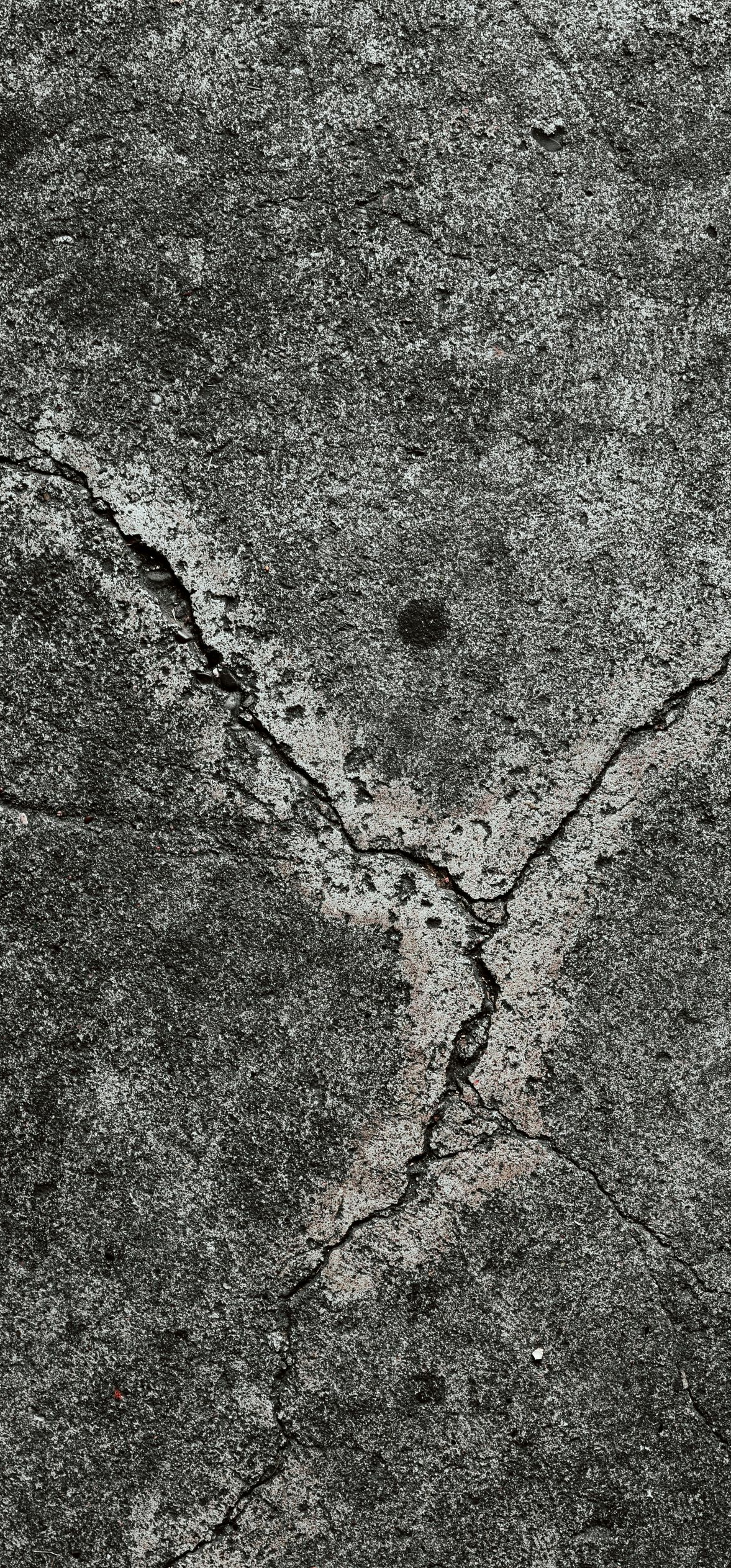
- Cracking across the surface
- Pressure buildup between slabs
- Structural stress that shortens the lifespan of the concrete
Expansion joints act as controlled spaces where
movement can occur without damaging the surrounding structure.
Why Expansion Joints Are Important
Concrete is not static. It responds to environmental conditions such as heat, moisture, and ground movement. Expansion joints play a key role in managing these forces.
When functioning properly, they help:
- Absorb movement between slabs
- Reduce stress on the concrete surface
- Maintain alignment over time
However, when these joints become compromised, the effects can spread beyond the joint itself.
How Joint Failure Leads to Uneven Concrete
Over time, expansion joints can deteriorate. The filler material within the joint may break down, wash out, or become compacted. When this happens, the joint no longer performs its intended function.
This can lead to:
- Adjacent slabs shifting out of alignment
- Edges settling at different heights
- Increased stress on surrounding concrete
As the joint fails, it creates conditions that allow one section of concrete to move independently of another. This is a primary cause of uneven surfaces.
Why Expansion Joint Repair Is a Cost-Effective Solution
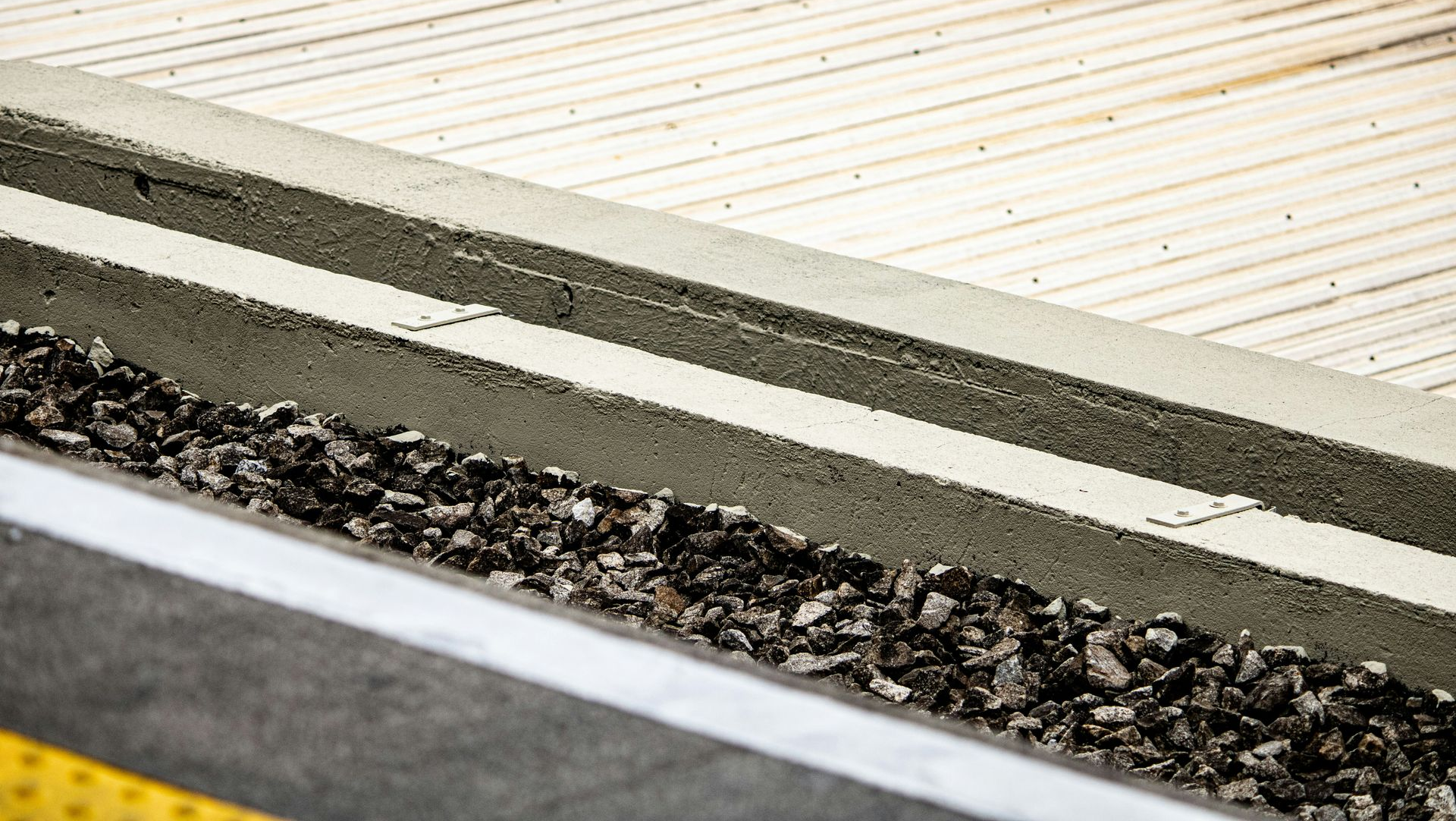
Addressing the issue at the joint level is often more efficient than replacing entire sections of concrete. Expansion joint repair focuses on restoring the function of the joint rather than removing and reinstalling large areas.
This approach offers several advantages:
- It targets the source of the problem
- It requires less labor and material than replacement
- It minimizes disruption to the surrounding area
Because the existing concrete remains in place, the process is typically faster and more affordable.
Supporting Surface Alignment Without Replacement
In many cases, uneven concrete is not the result of complete structural failure. Instead, it is caused by gradual movement that can be corrected when the joint is restored.
By repairing and reinforcing expansion joints, it is often possible to:
- Stabilize adjacent slabs
- Reduce further shifting
- Improve overall surface consistency
This makes expansion joint repair a practical solution for many properties where full replacement is not necessary.
Preventing Further Deterioration
Once a joint begins to fail, the surrounding concrete becomes more vulnerable. Water infiltration, debris accumulation, and continued movement can accelerate the problem.
Timely repair helps prevent:
- Additional separation between slabs
- Increased height differences
- More extensive surface damage
Addressing the issue early can help preserve the integrity of the entire surface.
A More Efficient Approach to Concrete Restoration
Concrete restoration is most effective when it focuses on the underlying cause of surface issues. Expansion joints are a critical part of how concrete performs over time, and maintaining them is essential to preserving both function and appearance.
Rather than viewing uneven concrete as a replacement issue, it is often more accurate to see it as a maintenance and restoration opportunity.
A Practical Solution for Long-Term Results
Expansion joint repair offers a targeted, cost-effective way to address uneven concrete while extending the life of the surface. By restoring the function of the joints, it supports better alignment, reduces stress, and helps prevent future issues.
Rite-Wash specializes in concrete restoration solutions designed to improve both performance and appearance. If your concrete surfaces are becoming uneven or showing signs of joint failure, contact Rite-Wash to evaluate your options and restore your surfaces with a more efficient approach.