How Small Driveway Cracks Turn Into Big Problems
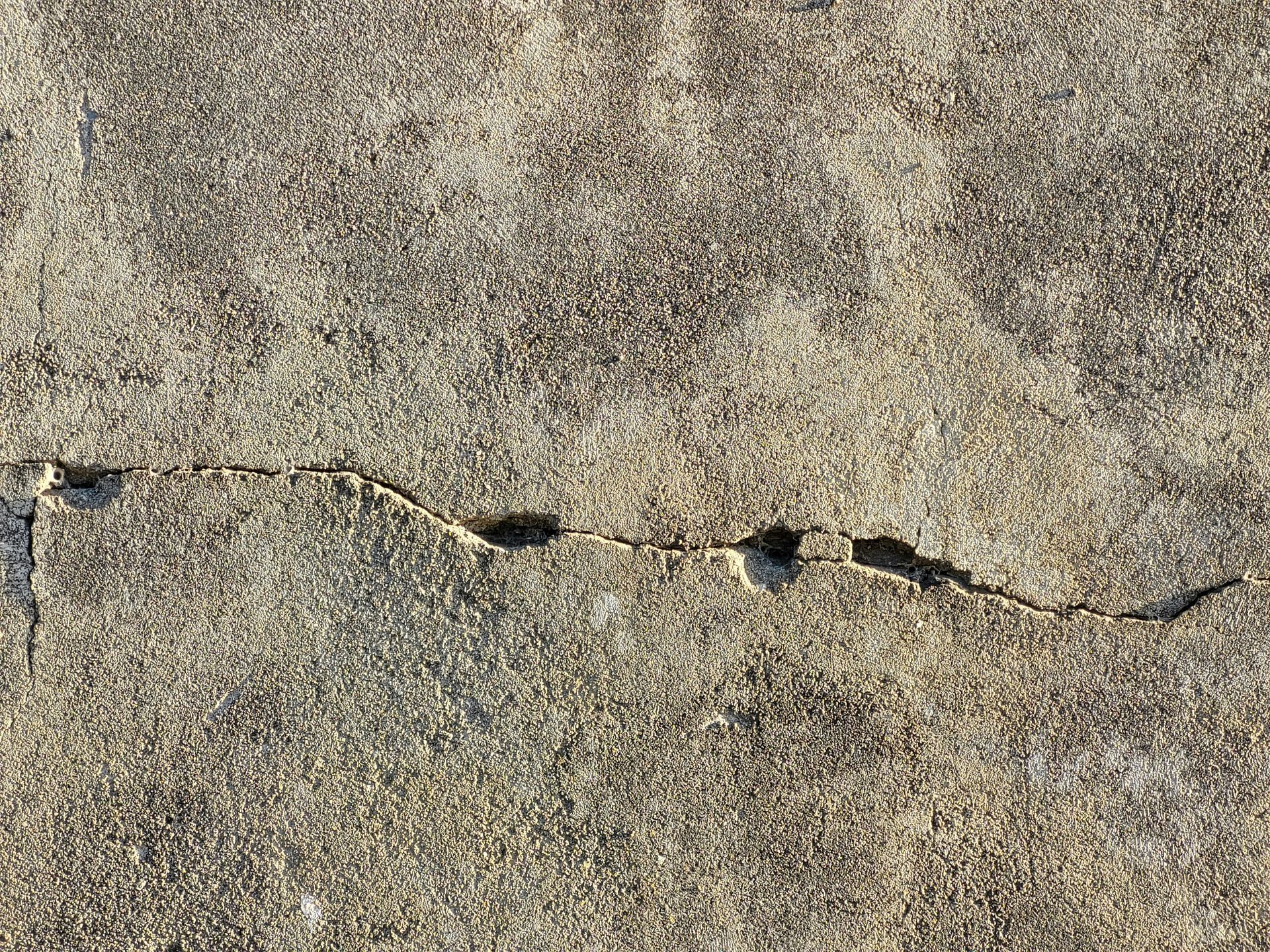
Many homeowners eventually notice small cracks forming in their driveway. At first glance, these cracks may seem minor and easy to ignore. A thin line across the concrete often appears to be only a cosmetic issue. However, small cracks are usually the first warning sign that the concrete is beginning to experience stress. If left untreated, those minor cracks can develop into much larger and more expensive problems.
Concrete is a strong and durable material, but it is constantly exposed to environmental pressure. Temperature changes, vehicle weight, moisture, and shifting soil all affect the surface over time. When these stresses build up, cracks begin to form in the concrete.
Why Driveway Cracks Form
Concrete expands and contracts with temperature changes. During warm weather it expands, and during cooler temperatures it contracts. Over time, this repeated movement can create stress within the concrete slab.
In addition, the ground beneath the driveway is not always perfectly stable. Soil can settle, shift, or erode due to moisture. When the base underneath the concrete changes, the slab may no longer be evenly supported, which can cause cracking.
While small cracks are common, they should not be ignored.
How Water Makes the Problem Worse
Once a crack forms, water becomes the biggest threat to the driveway. Rainwater can easily enter small openings in the concrete and seep beneath the slab.
When water reaches the soil under the driveway, it can weaken the ground that supports the concrete. This can eventually lead to sections of the driveway settling or becoming uneven.
In colder climates, freeze and thaw cycles can make the damage even worse. Water trapped inside cracks expands when it freezes, which forces the crack to widen further. Over time, these cycles gradually increase the size of the damage.
Even without freezing temperatures, moisture erosion beneath the driveway can cause the concrete to sink or shift.

From Minor Crack to Major Damage
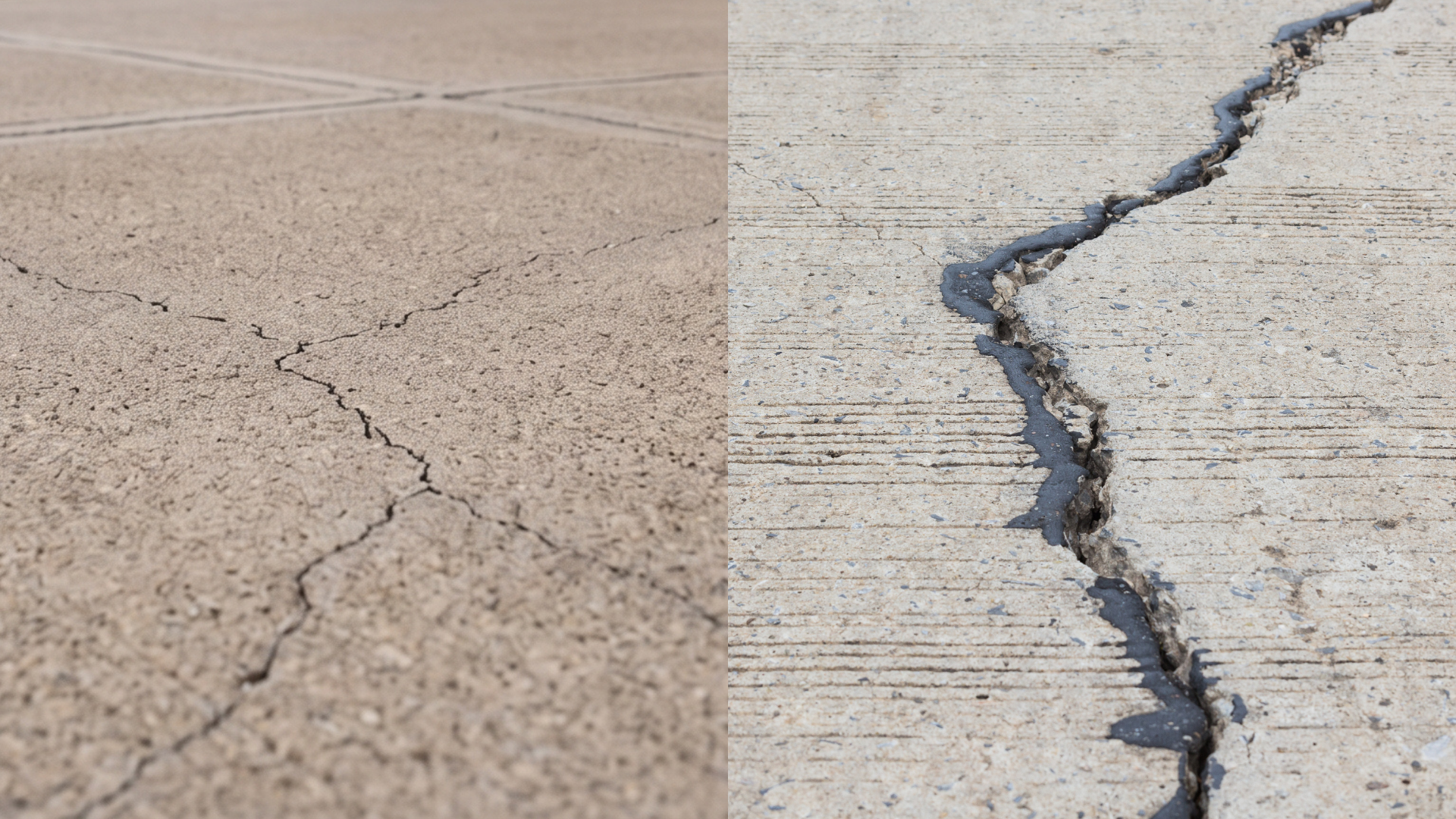
Small cracks rarely stay small. As water enters the concrete and the ground beneath it changes, cracks often widen or spread across the surface.
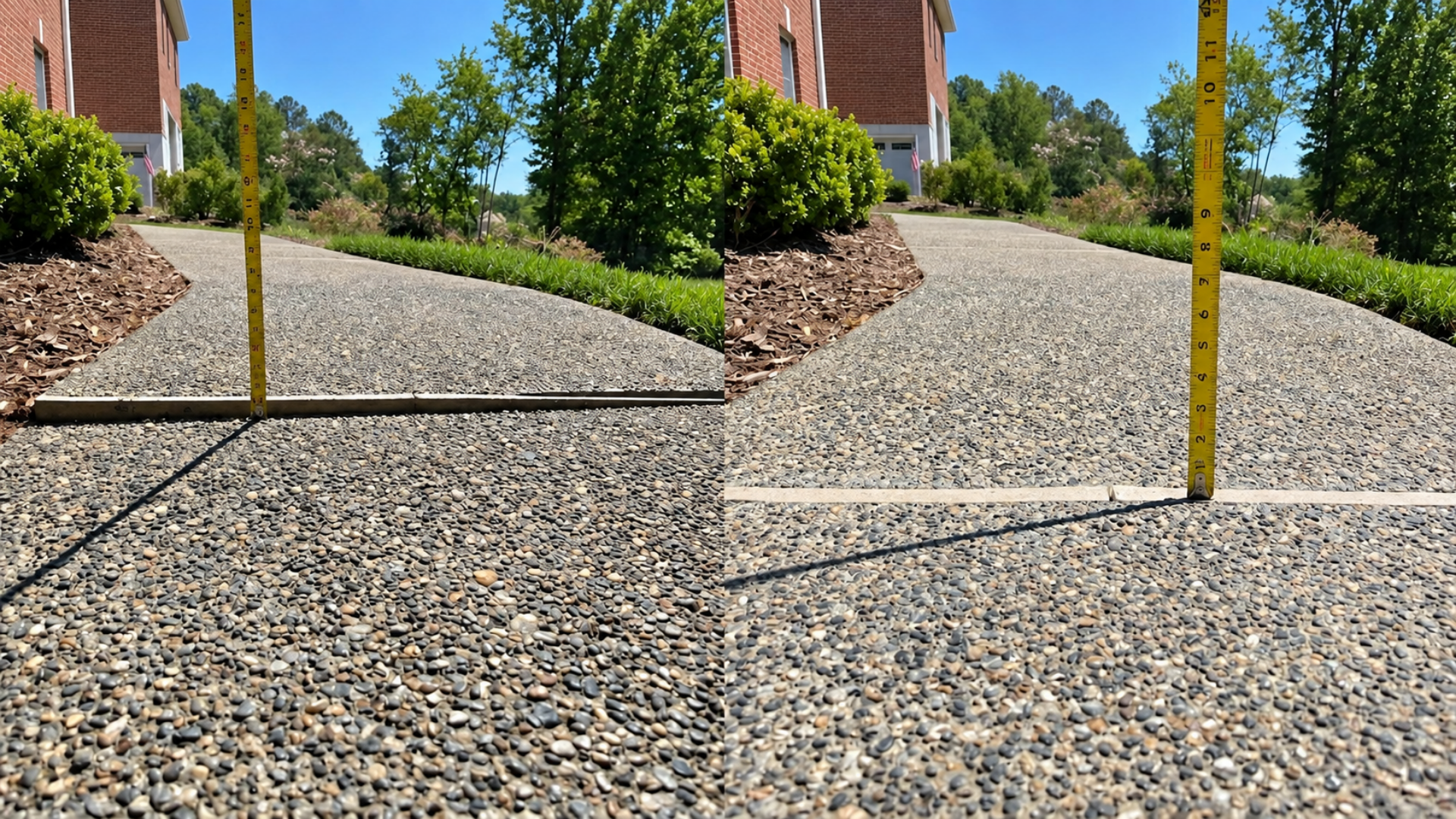
Eventually, sections of the driveway may become uneven. This can create trip hazards, drainage problems, and additional stress on the surrounding concrete. At that point, repairs may become more complex than they would have been if the original crack had been addressed early.
Repair Is Often Better Than Replacement
Many homeowners assume that a cracked driveway means the entire surface must be replaced. In reality, this is often unnecessary.
Full driveway replacement can be expensive and disruptive. The process typically involves demolishing the existing concrete, preparing a new base, and pouring an entirely new slab.
However, many driveways can be restored instead. Crack repair, expansion joint replacement, concrete lifting, and professional cleaning can often correct the underlying problems and extend the life of the driveway.
By addressing small cracks early, homeowners can avoid much larger repair costs later.

Protecting Your Driveway with Restoration
A driveway is one of the most visible features of a home. When cracks begin to appear, both the structure and the appearance of the concrete can suffer. Fortunately, restoration solutions allow homeowners to repair and improve their driveway without the expense of full replacement.
At Rite-Wash, we specialize in restoring concrete surfaces through professional crack repair, joint replacement, concrete lifting, and driveway cleaning. In many cases, these restoration services can dramatically improve both the look and function of an aging driveway.
If you have noticed cracks forming in your driveway, taking action early can help prevent bigger problems in the future. Contact Rite-Wash to learn how driveway restoration can protect your concrete and extend the life of your driveway for years to come.