The Illusion of “It’s Just Cosmetic” When It Comes to Concrete Wear
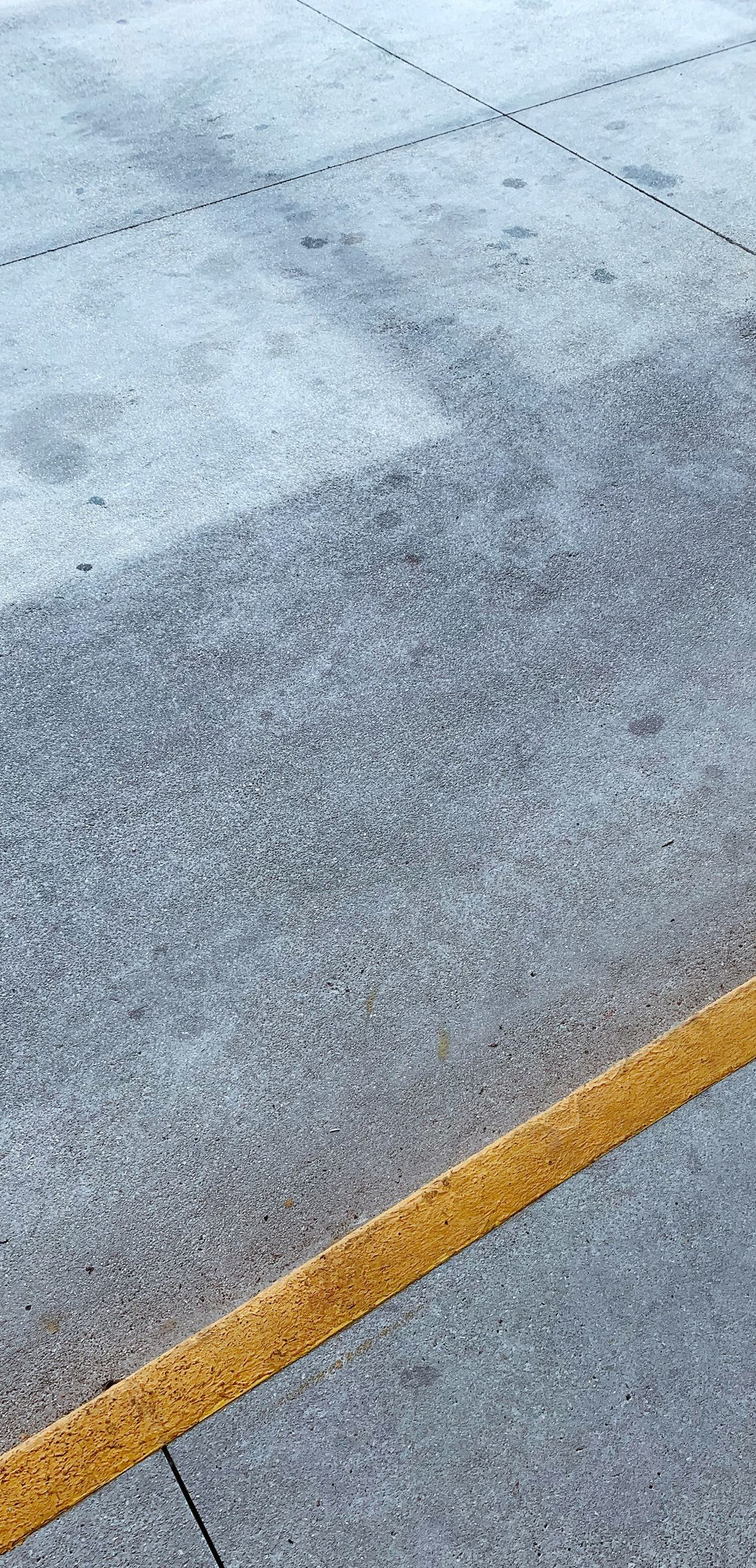
Concrete is often viewed as a purely functional surface. It supports vehicles, foot traffic, and daily use without much attention. Because of this, changes in appearance are frequently dismissed as cosmetic. Discoloration, staining, and surface buildup are often seen as visual issues rather than signs of something more significant.
However, this perception can be misleading. What appears to be a cosmetic concern may indicate underlying conditions that affect both the performance and longevity of the surface.
Why Appearance Is Often Misleading
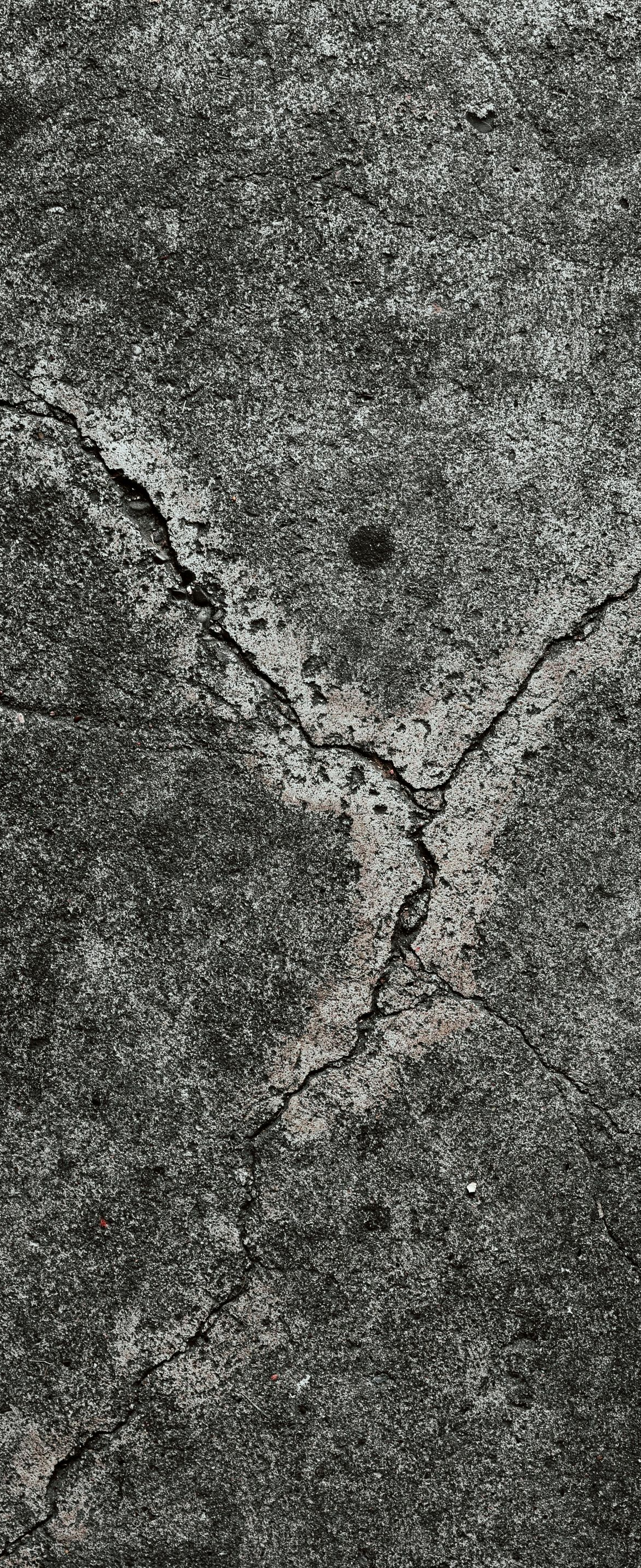
Concrete does not typically fail all at once. Instead, it changes gradually over time. Early signs of wear are often subtle and develop slowly, which makes them easy to ignore.
Common examples include:
- Darkened areas caused by buildup
- Uneven coloring across the surface
- A dull or aged appearance
Because these changes do not immediately affect usability, they are often considered minor. The surface still functions as expected, so it does not seem urgent to address.
Surface Buildup Does More Than Affect Appearance
One of the most common causes of visual change in concrete is the accumulation of dirt, organic material, and environmental residue. Over time, this buildup can settle into the surface.
While it may initially appear cosmetic, this accumulation can:
- Trap moisture against the surface
- Contribute to further discoloration
- Affect the overall texture of the concrete
As buildup increases, it can create conditions that allow wear to progress more quickly.

Moisture Retention and Long-Term Effects
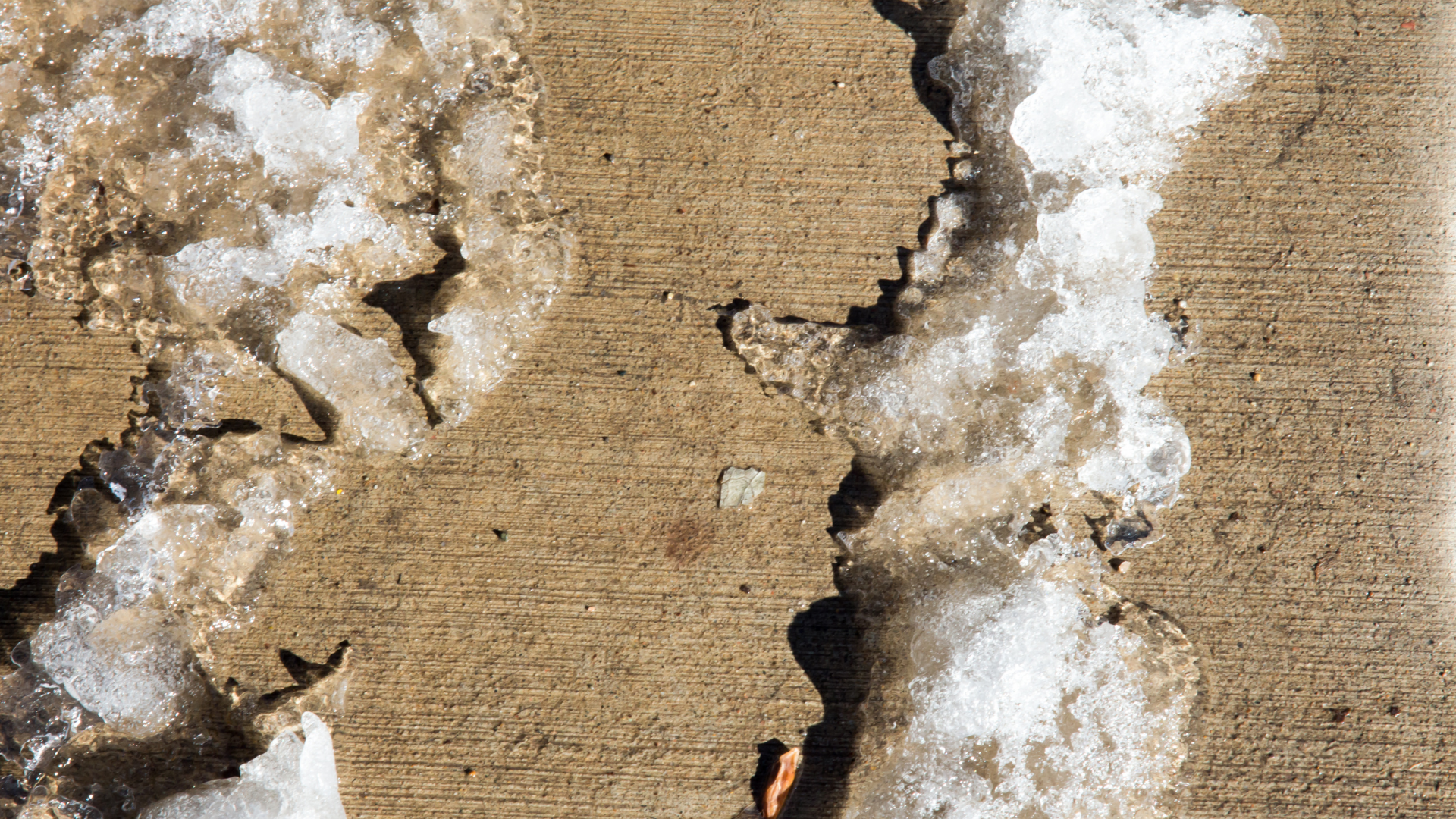
Moisture plays a significant role in how concrete ages. When buildup prevents proper drying, moisture can remain on or within the surface for extended periods.
This can lead to:
- Gradual weakening of the surface layer
- Increased visibility of stains and discoloration
- A more uneven appearance over time
These effects develop slowly, which reinforces the idea that the issue is only cosmetic. In reality, the condition of the surface is continuing to change beneath that appearance.
Texture Changes and Surface Feel
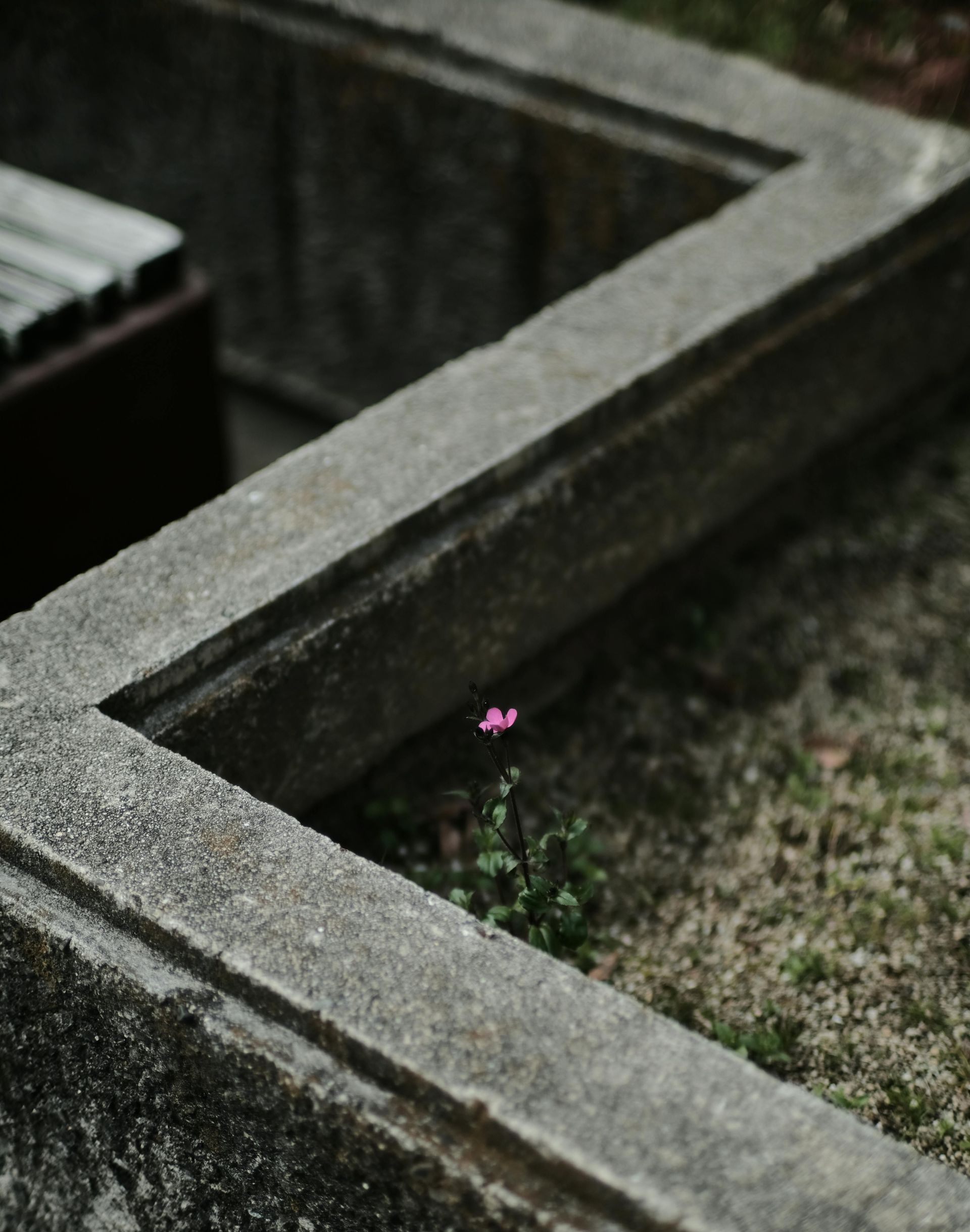
Concrete wear is not limited to what can be seen. It also affects how the surface feels underfoot or under tires.
As buildup and exposure continue, the surface may become:
- Rougher in certain areas
- Uneven in texture
- Less consistent overall
These changes can influence how the surface performs, particularly in areas with frequent use.
Why Delaying Maintenance Leads to Larger Issues
When concrete wear is viewed as cosmetic, maintenance is often delayed. This allows buildup and environmental effects to continue without interruption.
Over time, this can result in:
- More noticeable and widespread discoloration
- Greater accumulation of residue
- A surface that appears significantly aged
At this stage, the difference between restoration and replacement becomes more important. Addressing the issue earlier often provides more flexibility in how it can be managed.
The Difference Between Cleaning and Restoration
Basic cleaning may improve the appearance of concrete temporarily, but it does not always address deeper buildup or long-standing surface issues.
Concrete restoration focuses on:
- Removing embedded contaminants
- Improving surface consistency
- Restoring a more uniform appearance
This process goes beyond surface-level cleaning and targets the factors contributing to visible wear.
A Shift in Perspective
Recognizing that concrete wear is not always purely cosmetic changes how it is approached. Instead of viewing it as a minor issue, it becomes part of overall property maintenance.
This perspective supports:
- More timely intervention
- Better long-term surface condition
- Improved overall appearance
By addressing changes early, property owners can maintain both the look and function of their concrete surfaces.
A More Informed Approach to Concrete Care
Concrete surfaces are often one of the most visible parts of a property, yet they are frequently overlooked until wear becomes significant. Understanding the difference between cosmetic appearance and underlying condition helps guide more effective maintenance decisions.
Rite-Wash specializes in professional concrete restoration designed to address both the visible and underlying effects of surface wear. If your concrete is showing signs of aging, contact Rite-Wash to evaluate its condition and restore its appearance with a more comprehensive approach.