The “Aging Curve” of Concrete Surfaces Explained
Concrete is often viewed as one of the most durable materials used in residential and commercial properties. It supports vehicles, foot traffic, and exposure to the elements year-round. Because of this, many homeowners assume that once concrete is installed, it will remain unchanged for years. In reality, concrete follows a gradual aging process that affects both its appearance and performance over time.
Understanding this “aging curve” can help property owners recognize when restoration is appropriate and avoid unnecessary replacement.
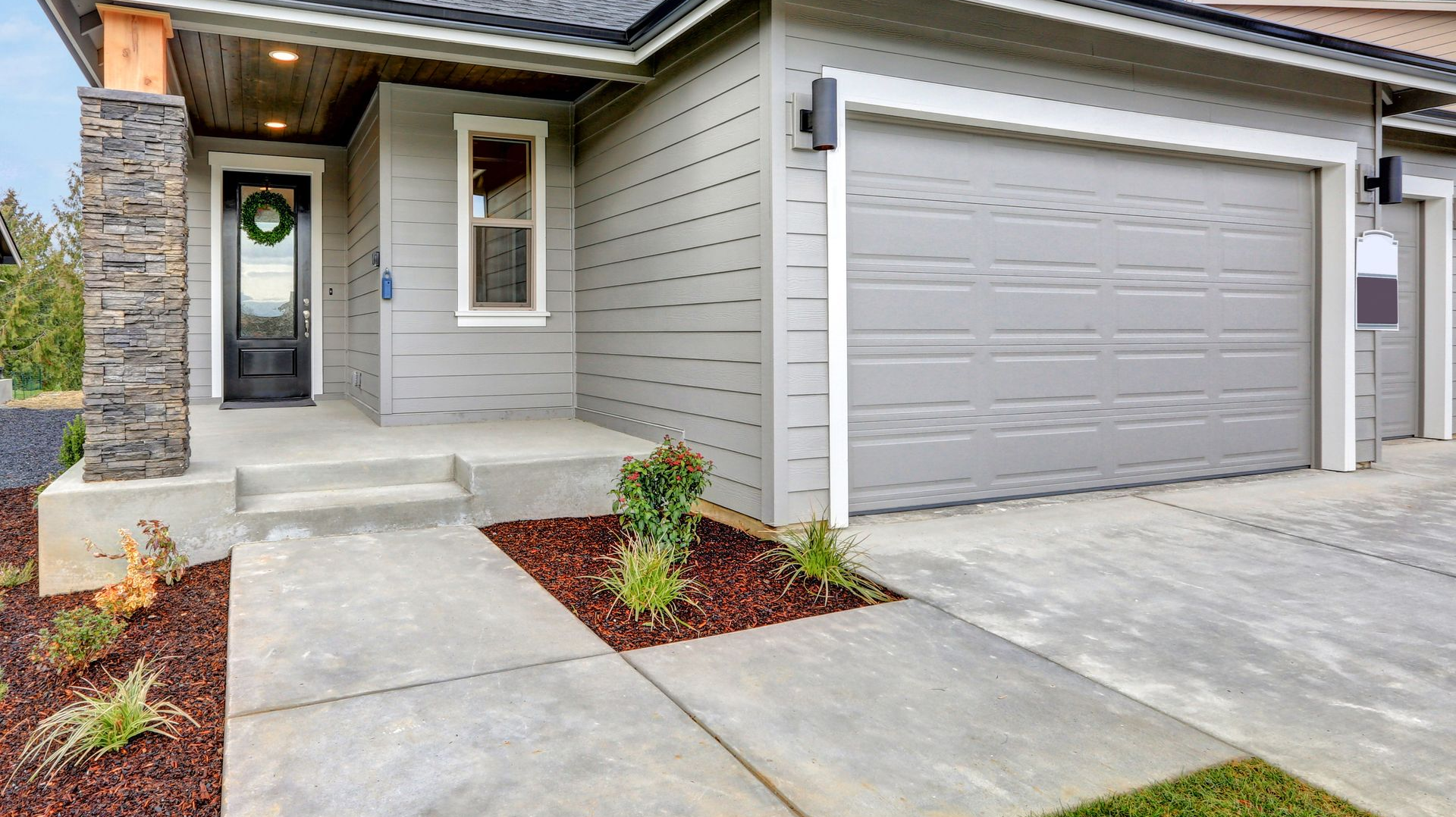
Stage One: Fresh Installation
When concrete is first installed, it has a clean, uniform appearance. The surface is smooth, consistent in color, and free of visible buildup. At this stage, the material is at its most visually appealing.
However, even new concrete begins interacting with its environment immediately. Exposure to air, moisture, and use starts a slow process of change that may not be noticeable at first.
Stage Two: Early Wear and Subtle Changes
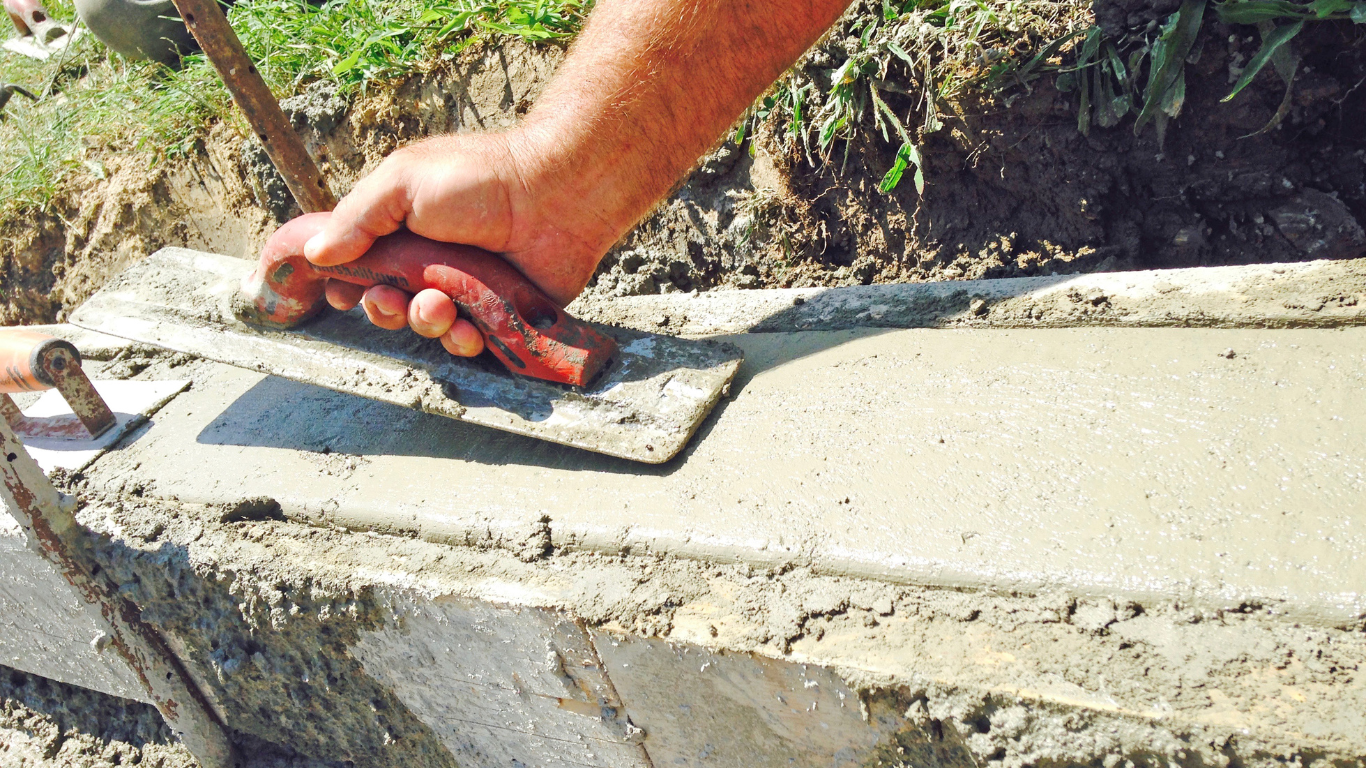
As time passes, concrete begins to show early signs of wear. These changes are often subtle and may go unnoticed for extended periods.
During this phase, you may begin to see:
- Slight discoloration from dirt and organic matter
- Minor surface dullness
- Light staining in high-traffic areas
Because these changes
develop gradually, they are often considered normal. Many homeowners do not view this stage as a concern, which can delay maintenance.
Stage Three: Visible Discoloration and Buildup
Over time, surface contaminants accumulate. Moisture, organic material, and environmental exposure contribute to more noticeable changes in appearance.
At this stage, concrete may begin to show:
- Darkened areas across the surface
- Uneven coloring or patchy appearance
- Increased presence of organic growth
These changes can make the surface look older than it is. While the structural integrity of the concrete may still be intact, the visual impact becomes more significant.
Stage Four: Surface Degradation
If buildup and environmental exposure continue without intervention, the surface may begin to degrade further. This stage is not always immediate, but it develops over time.
Common characteristics include:
- Persistent staining that does not respond to basic cleaning
- Rougher surface texture
- Increased visibility of wear patterns
At this point, the concrete no longer reflects its original condition. The surface may appear worn even if the underlying structure remains stable.
Stage Five: Advanced Wear and Perceived Decline
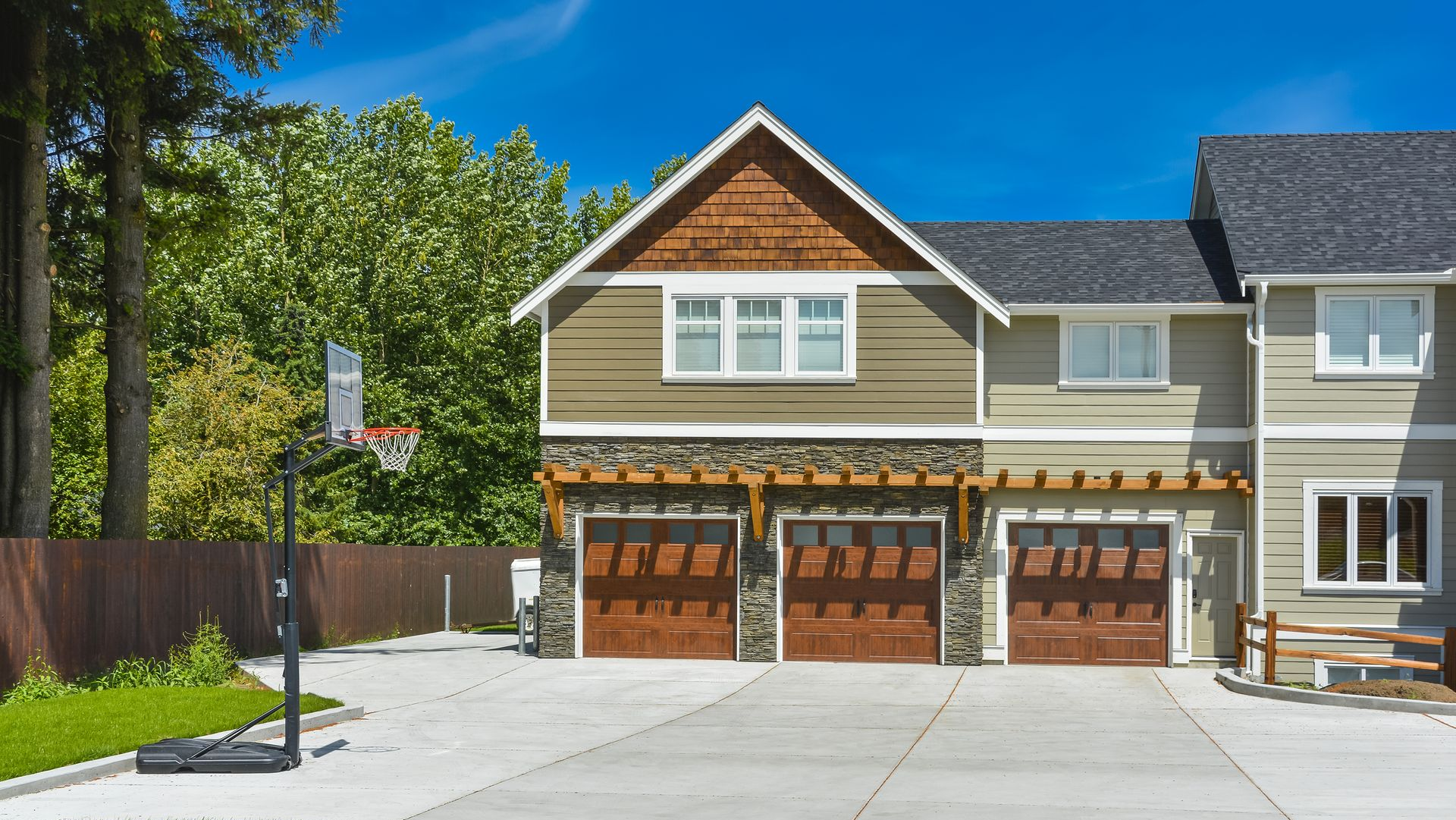
In the later stages of the aging curve, concrete often appears significantly aged. This is when many property owners begin to consider replacement.
However, it is important to recognize that appearance and structural condition are not always the same. In many cases, concrete that looks heavily worn may still be restorable.
Signs of this stage include:
- Extensive discoloration
- Long-standing buildup
- A generally aged or neglected appearance
Without understanding the aging process, it is easy to assume that replacement is the only option.
Why the Aging Curve Matters
The concept of an aging curve highlights an important point: concrete does not fail suddenly. It changes gradually, and those changes can often be addressed before they become more serious.
Recognizing where your concrete falls within this progression can help guide decisions about maintenance and restoration.
By addressing issues during the earlier or middle stages, property owners may:
- Improve appearance without major disruption
- Extend the usable life of the surface
- Avoid premature replacement
The Role of Restoration
Concrete restoration focuses on reversing many of the visible effects of aging. Rather than replacing the surface, restoration works to improve both appearance and condition.
This process may help:
- Remove accumulated buildup
- Restore a more uniform look
- Improve the overall presentation of the surface
While results can vary depending on the condition of the concrete, restoration is often a practical option for surfaces that have not reached structural failure.
A More Informed Approach to Concrete Care
Understanding the aging curve of concrete allows property owners to take a more proactive approach. Instead of waiting until surfaces appear beyond repair, it becomes possible to intervene earlier and maintain consistency over time.
Rite-Wash specializes in professional concrete restoration designed to address the effects of aging and improve the appearance of outdoor surfaces. If your driveway or walkway is showing signs of wear, contact Rite-Wash to evaluate its condition and explore practical restoration options.