Why Trip Hazards Should Never Be Ignored
A small change in concrete elevation may not seem like a major issue at first glance. Many property owners see minor sidewalk shifts, uneven walkways, or raised concrete panels and assume they can address them later. Unfortunately, what appears to be a minor imperfection can create significant safety, liability, and maintenance concerns over time.
Trip hazards are among the most common exterior property issues affecting commercial facilities, residential communities, retail centers, and public spaces. Because they often develop gradually, they are easy to overlook until an accident occurs. Addressing trip hazards early can help protect both people and property while preventing larger problems in the future.
What Is a Trip Hazard?
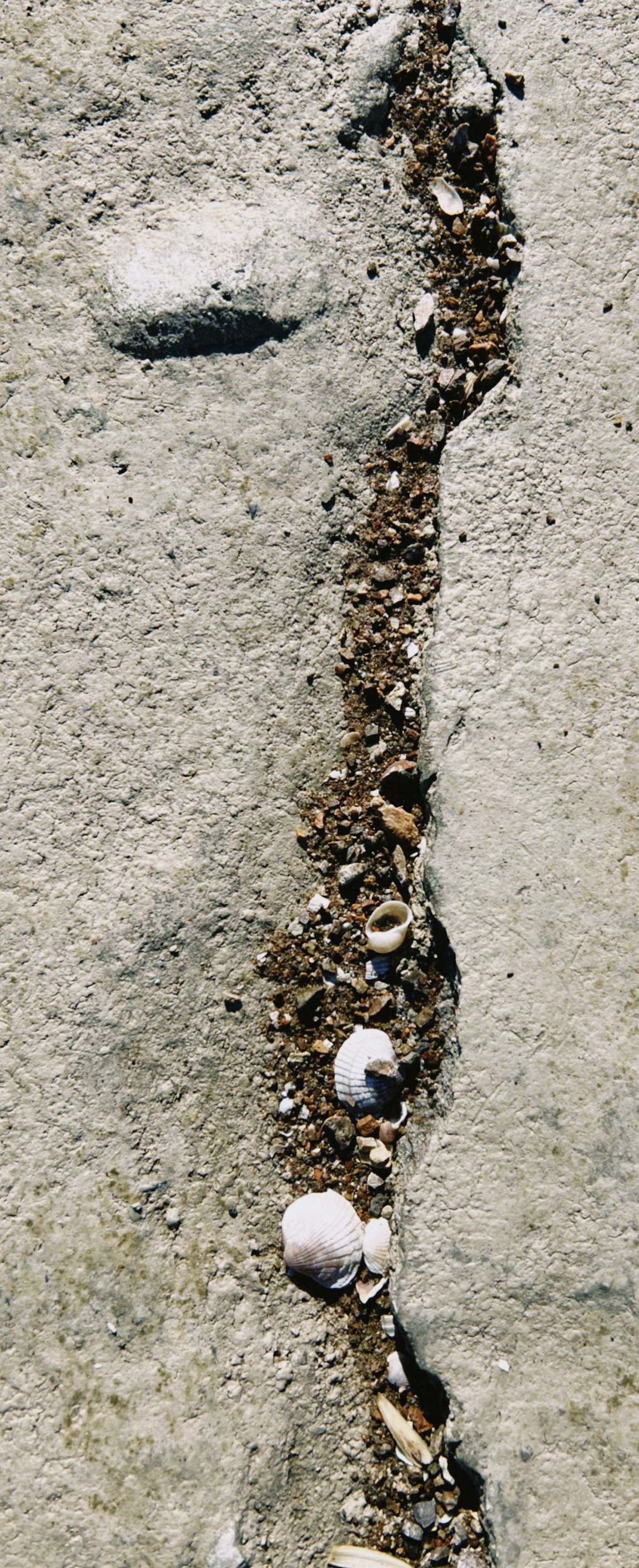
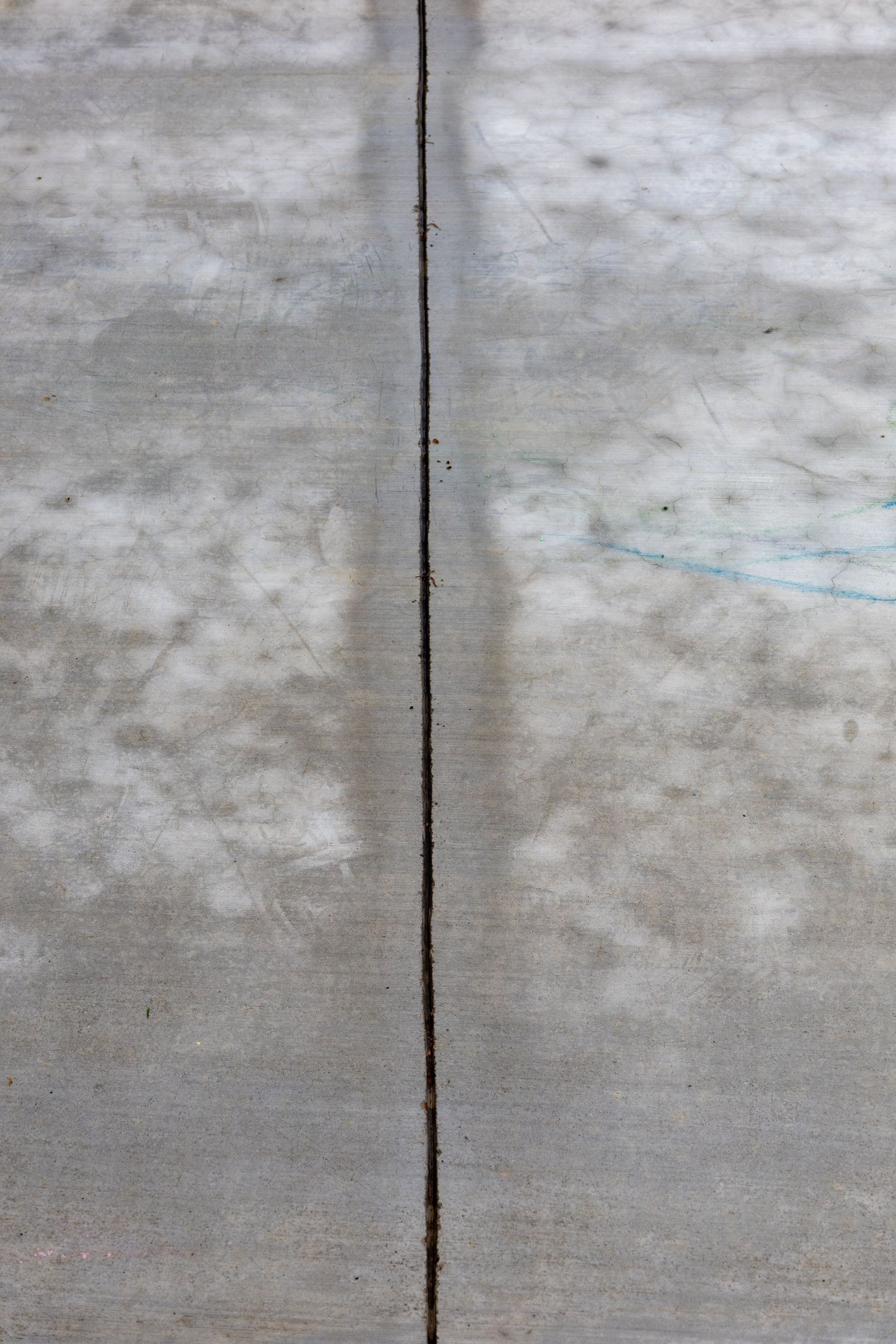
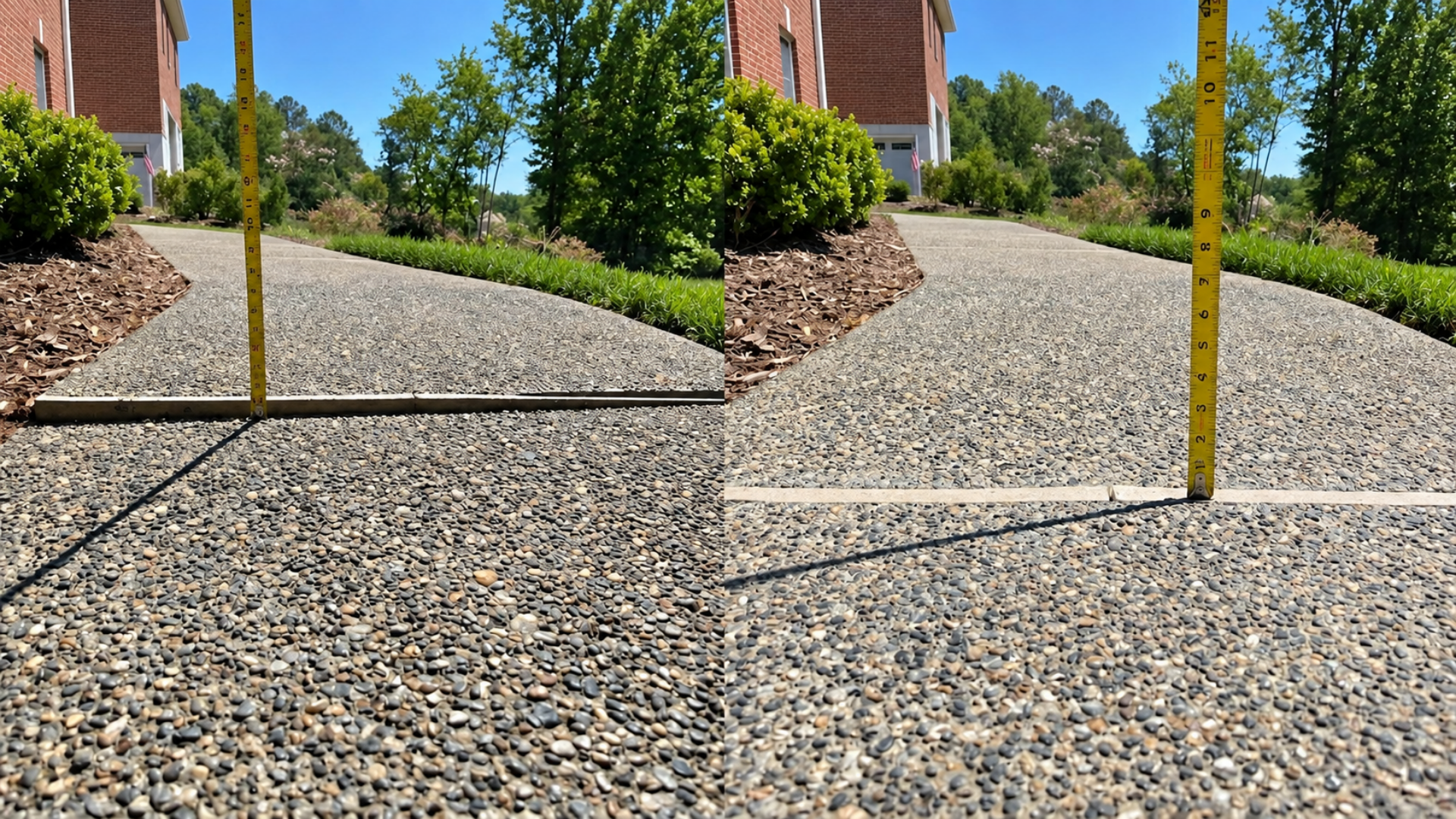
A trip hazard occurs when one section of a walking surface becomes uneven relative to another. This condition can develop in sidewalks, walkways, entryways, parking lots, patios, and other concrete surfaces. Even relatively small elevation changes may increase the likelihood of a pedestrian stumbling or falling.
Trip hazards often appear gradually, making them less noticeable to individuals who use the property regularly. However, visitors, customers, tenants, and employees who are unfamiliar with the area may be more vulnerable to these conditions.
Because people typically expect walking surfaces to be level, even minor inconsistencies can create safety concerns.
How Trip Hazards Develop
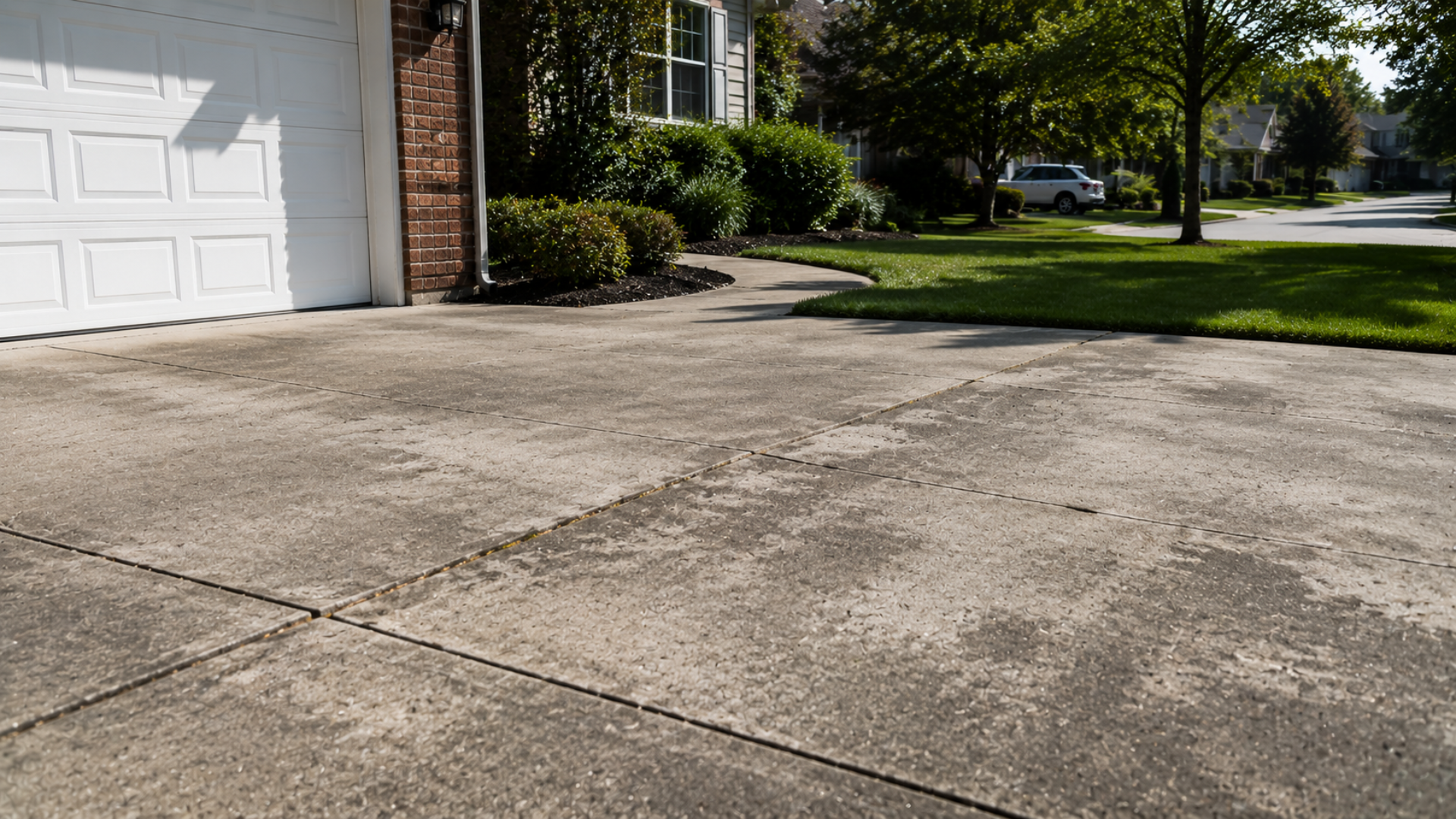
Concrete does not remain perfectly stationary throughout its lifespan.
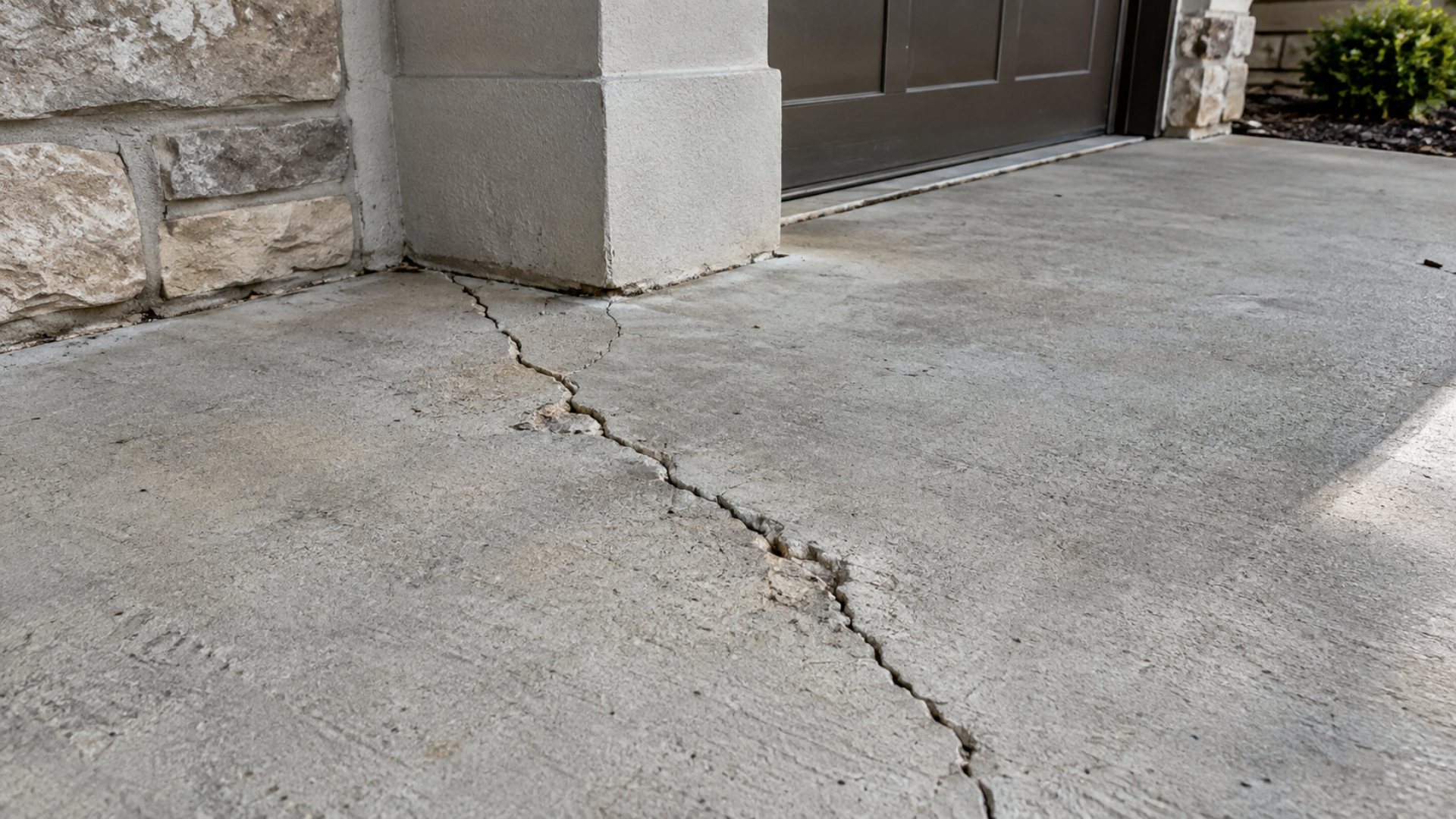
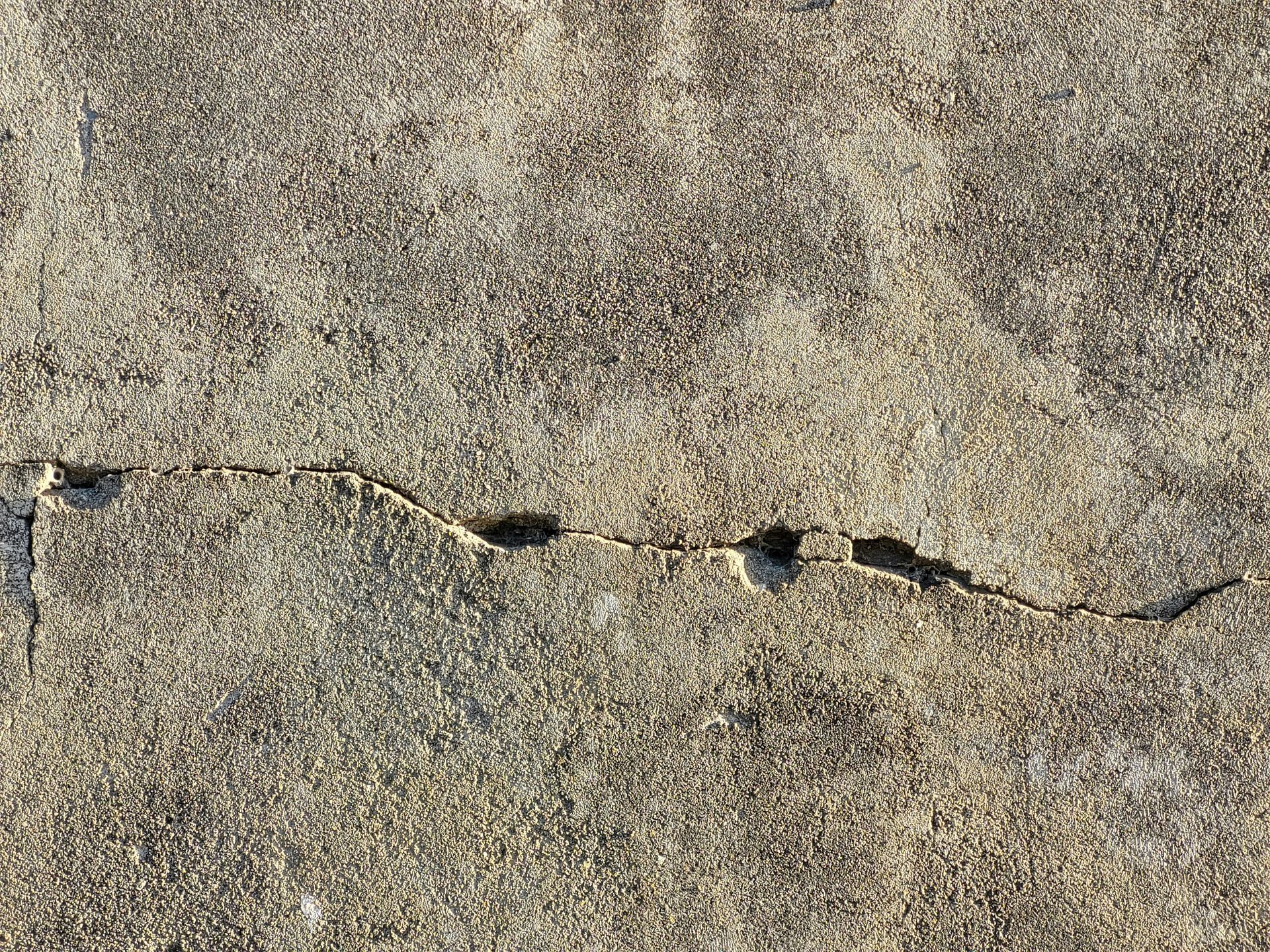
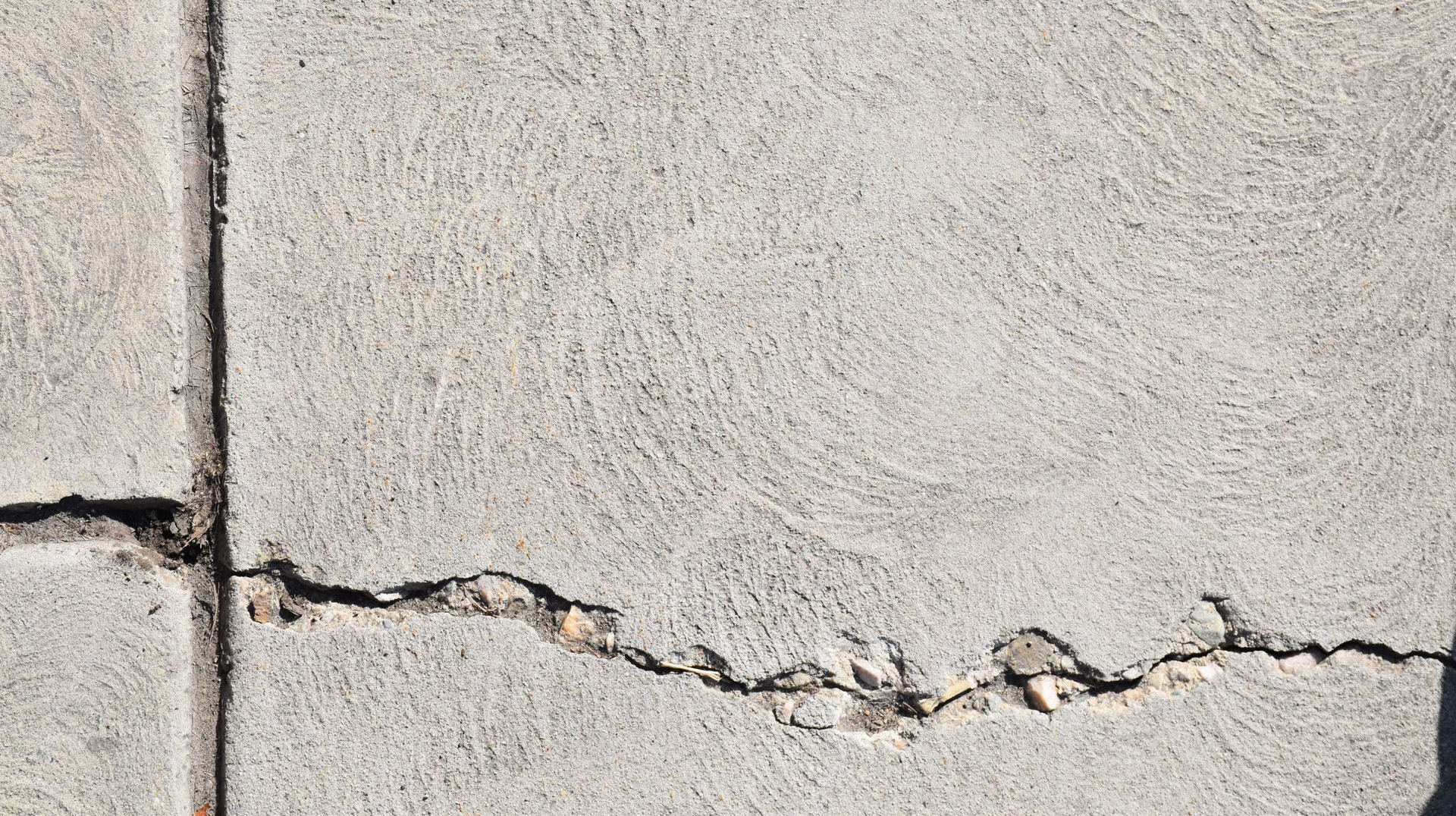
Soil settlement, erosion, moisture intrusion, freeze-thaw cycles, tree root growth, and normal ground movement can all contribute to changes in elevation. Over time, these forces may cause concrete slabs to shift, settle, or rise.
As movement continues, the difference in height between adjacent sections of concrete may become increasingly pronounced.
Without intervention, the problem often worsens rather than improves.
Safety Should Be the Primary Concern
The most important reason to address trip hazards is pedestrian safety.
Uneven concrete increases the risk of falls, which can result in injuries ranging from minor scrapes to more serious medical issues. Older adults, children, and individuals with mobility limitations may be particularly vulnerable.
A fall can happen in a matter of seconds, often when a person is simply walking through an area they believe to be safe. Reducing these risks helps create a safer environment for everyone who uses the property.
Liability Risks Can Increase
In addition to safety concerns, trip hazards may create liability exposure for property owners and managers.
When an injury occurs due to a known or reasonably discoverable property condition, questions often arise regarding maintenance and repair practices. While every situation is unique, many property owners recognize that proactive maintenance is an important part of risk management.
Addressing trip hazards before accidents occur can help reduce potential complications while demonstrating a commitment to maintaining safe premises.

Small Problems Often Become Larger Ones
One of the biggest mistakes property owners make is assuming that a minor trip hazard will remain minor.
Concrete movement tends to continue over time. What begins as a small elevation difference may become more severe as environmental conditions and ground movement persist.
As the condition worsens, repair options may become more complex and potentially more expensive. Early intervention is often one of the most effective ways to manage long-term maintenance costs.
Appearance Matters Too
Trip hazards affect more than safety.
Uneven sidewalks, cracked walkways, and shifted concrete surfaces can negatively impact a property’s appearance. Visitors often notice exterior conditions before they enter a building, and neglected concrete may contribute to a less favorable first impression.
Well-maintained walkways help create a safer and more professional environment while supporting overall property presentation.
The Value of Proactive Concrete Maintenance
Concrete surfaces are important assets that contribute to the safety, functionality, and appearance of a property. Like any asset, they benefit from regular attention and maintenance.
Rite-Wash specializes in concrete restoration services including concrete leveling, crack repair, expansion joint repair, and trip hazard mitigation. By addressing uneven surfaces before they become larger concerns, property owners can improve safety, protect their investments, and extend the life of their concrete.
Trip hazards rarely improve on their own. Taking action early helps create safer walkways, reduces future maintenance challenges, and supports the long-term condition of the property. In many cases, the best time to address a trip hazard is before someone gets hurt.