Why Concrete Is Strong—but Not Indestructible
Concrete is one of the most durable construction materials in the world. It supports sidewalks, parking lots, warehouse floors, loading docks, driveways, patios, and countless other structures that people rely on every day. Its strength and longevity make it a practical choice for both commercial and residential properties.
Despite its reputation for durability, however, concrete is not indestructible.
Like any building material, concrete is constantly exposed to environmental conditions, heavy loads, moisture, and natural ground movement. Over time, these forces can affect its appearance, performance, and structural integrity. Understanding why concrete changes over the years helps property owners appreciate the value of regular inspections and timely restoration.
Built to Last, but Not Forever
Properly installed concrete can provide decades of reliable service.
Its ability to withstand significant weight, resist weather, and maintain structural stability is one of the reasons it remains such a popular construction material. However, strength does not make concrete immune to wear.
Every season brings new challenges. Temperature fluctuations, moisture, vehicle traffic, and normal aging gradually affect even high-quality concrete surfaces.
These changes often occur so slowly that property owners may not notice them until visible damage appears.
The Ground Beneath Matters
Concrete is only as stable as the soil supporting it.
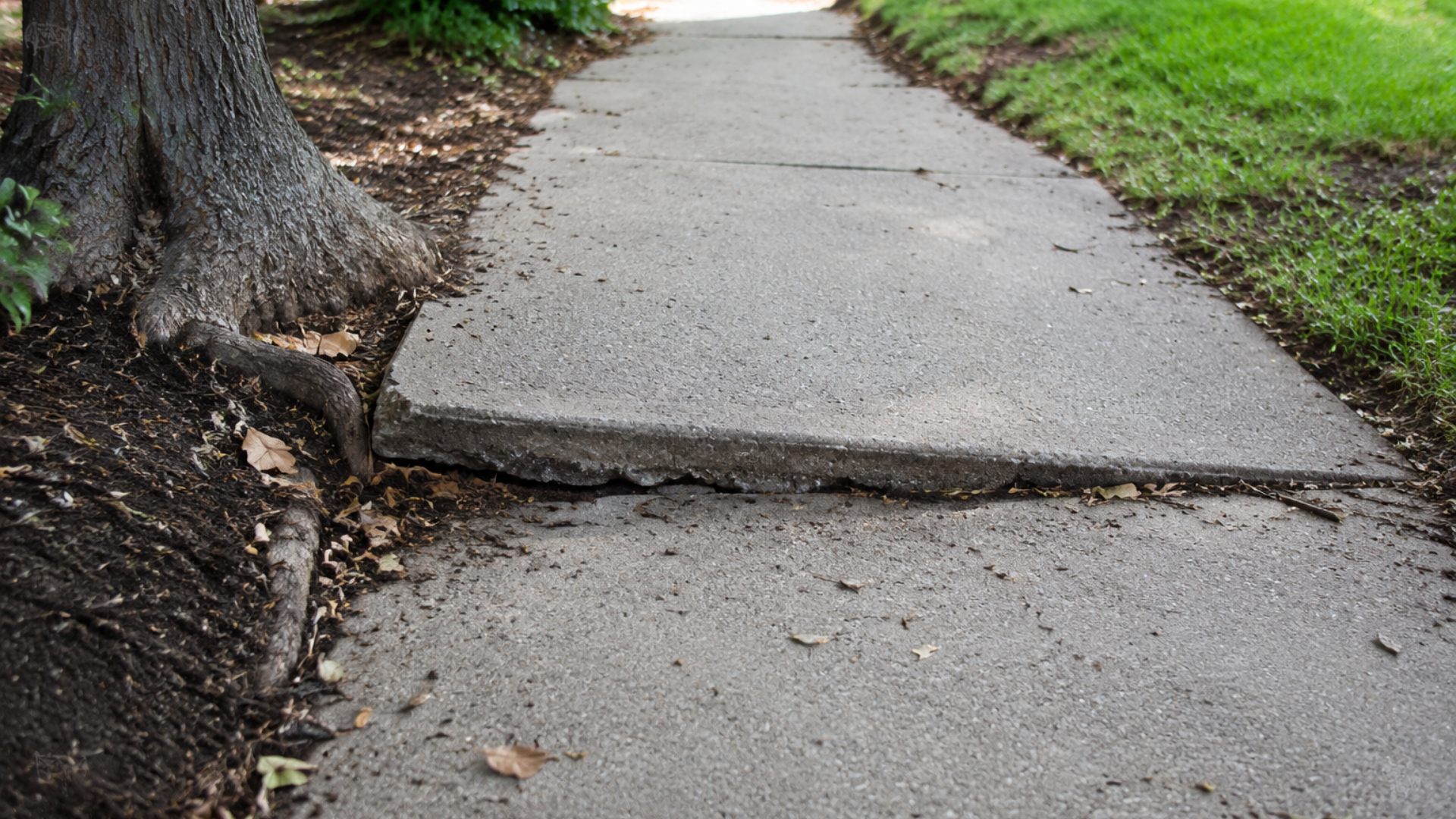
As the ground naturally settles, shifts, or erodes over time, concrete slabs may begin to move. Some areas settle slightly, while others remain stable, creating uneven surfaces.
Tree roots, poor drainage, changing moisture levels, and natural soil movement can all contribute to this process.
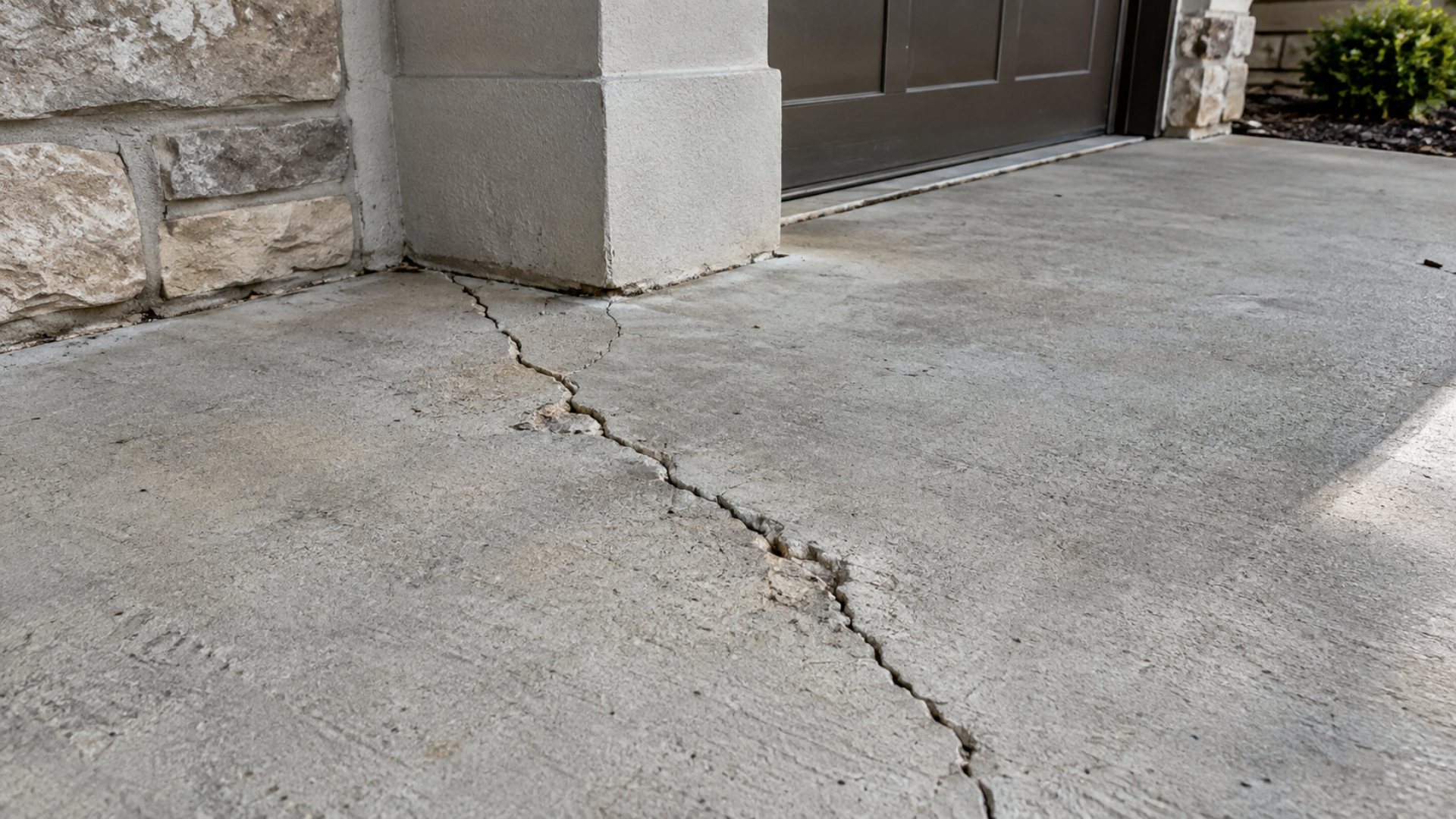
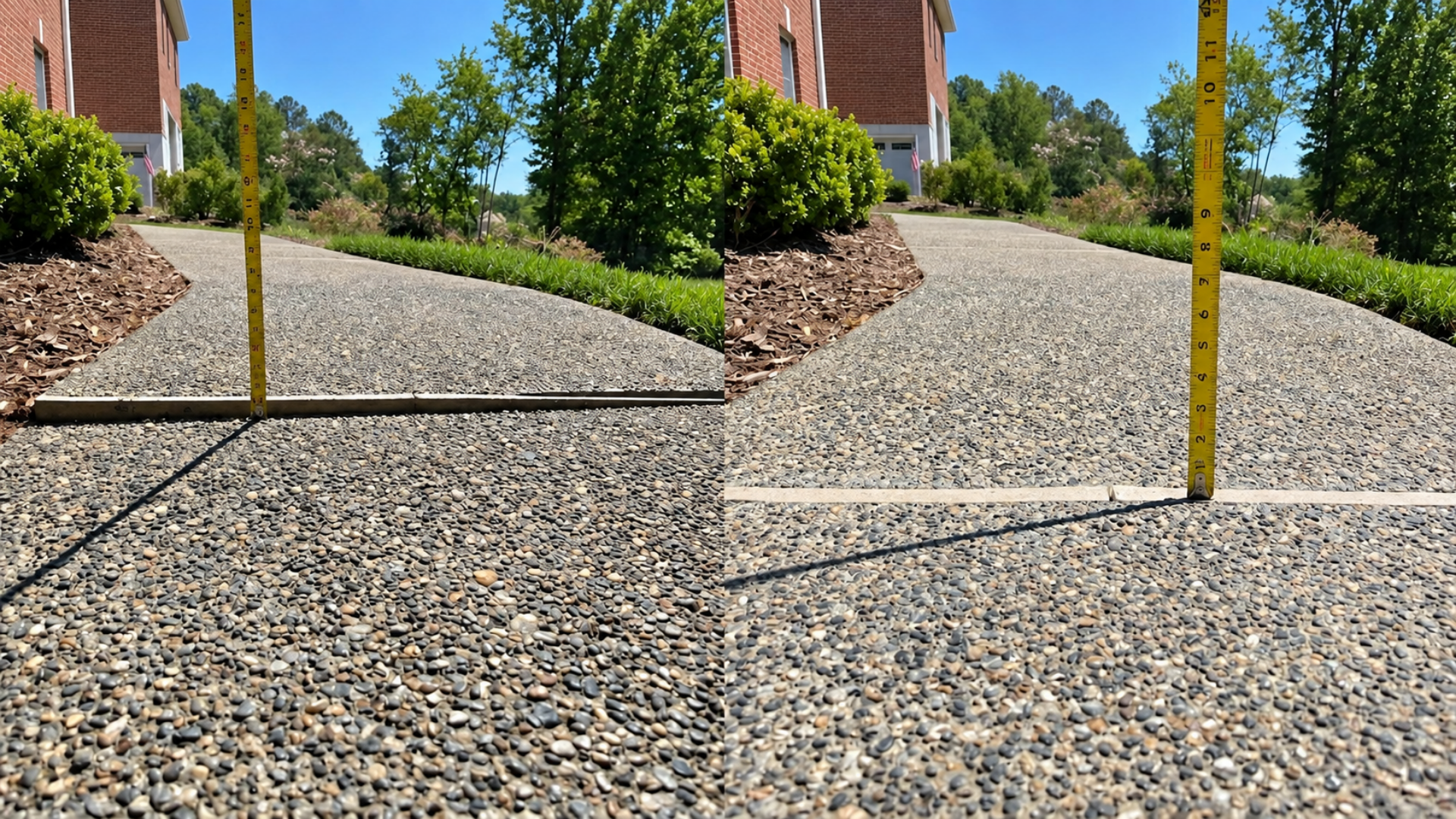
Although the concrete itself may remain structurally sound, movement beneath the surface can create trip hazards, cracks, and uneven slabs that affect both safety and appearance.
Water Is One of Concrete’s Biggest Challenges
Many people think of concrete as waterproof, but it is actually porous.
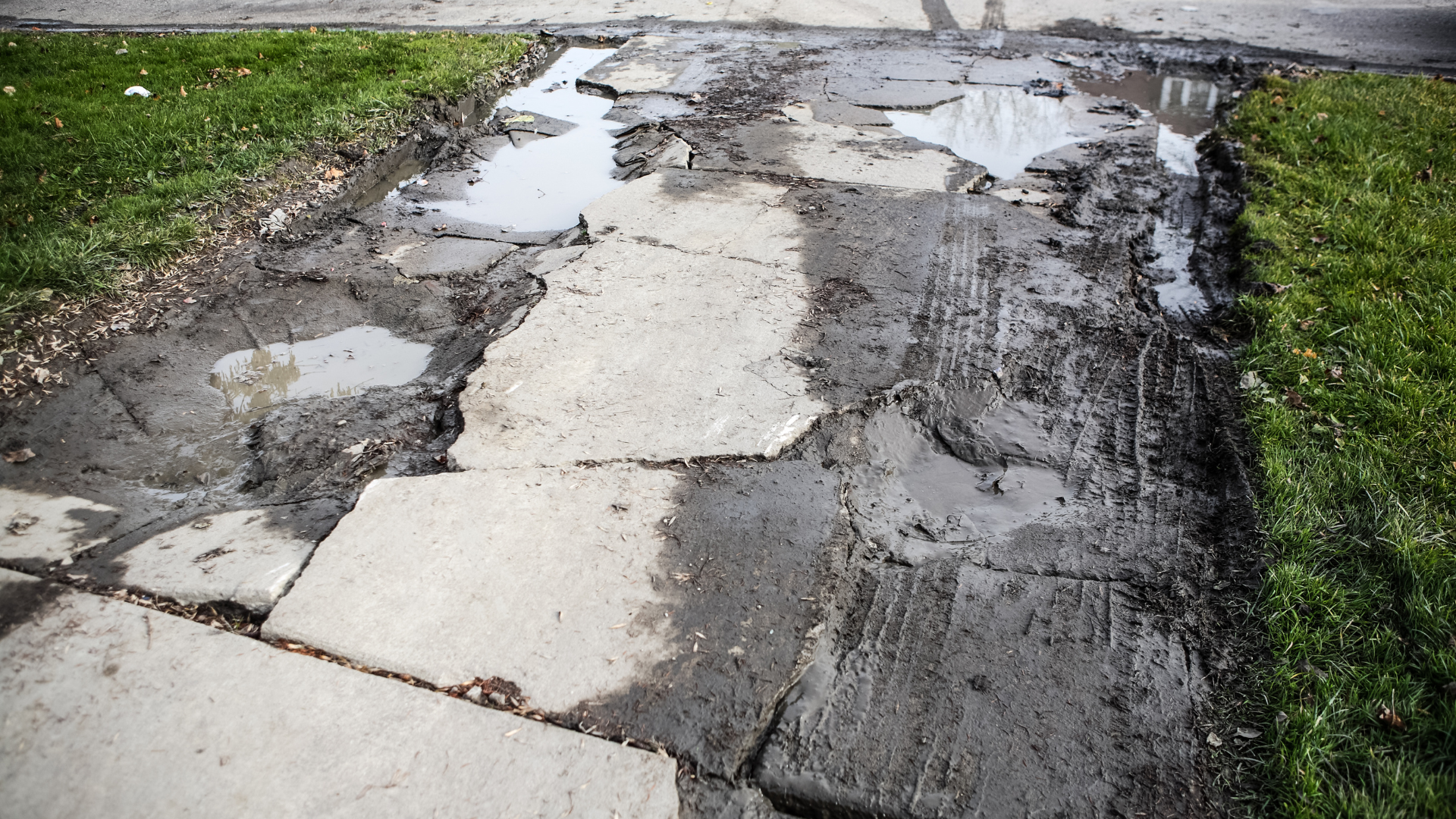
Water can enter tiny openings within the material and around joints and cracks. As moisture moves through concrete, it may contribute to gradual deterioration, particularly when combined with seasonal weather changes.
Poor drainage can also allow water to collect beneath concrete slabs, weakening the supporting soil and increasing the likelihood of settlement.
Managing moisture is one of the most important aspects of preserving concrete over the long term.
Small Problems Rarely Stay Small
Concrete damage often develops gradually.
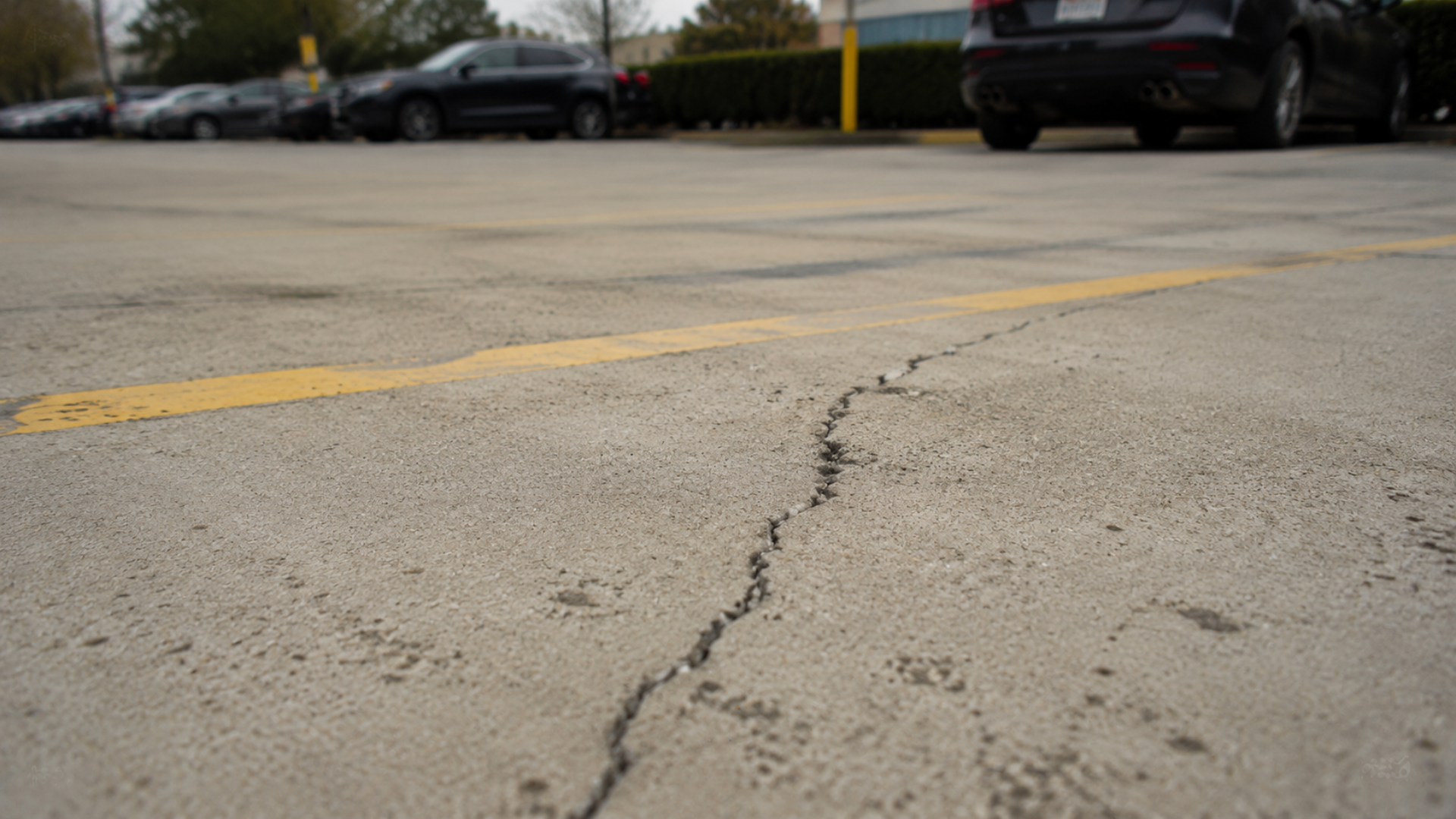
A small crack may seem insignificant at first, and a slight elevation difference between two slabs may not appear urgent. However, these conditions frequently become more pronounced as time passes.
Moisture may enter cracks, soil movement may continue, and repeated traffic can place additional stress on affected areas.
Addressing minor issues early often helps prevent larger restoration projects later.
Restoration Can Extend Concrete’s Life
When concrete begins to show signs of wear, replacement is not always necessary.
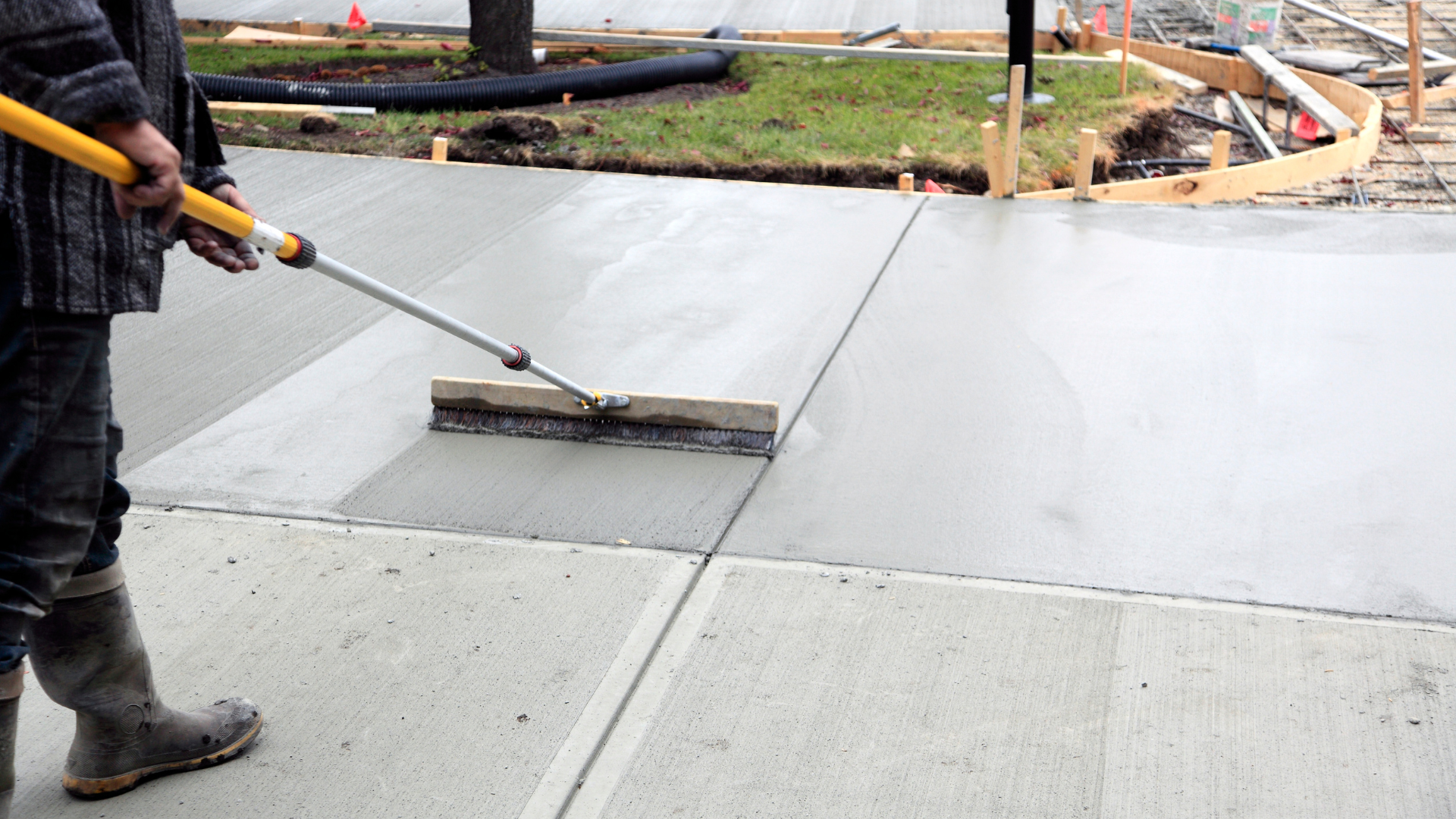
Many common issues—including settled slabs, cracks, and deteriorated expansion joints—can often be addressed through professional concrete restoration. These solutions help restore functionality, improve safety, and extend the useful life of existing concrete.
By preserving sound concrete rather than replacing it prematurely, property owners can often make more efficient use of their maintenance budgets.
Restoration focuses on protecting the investment that already exists.
Regular Inspections Make a Difference
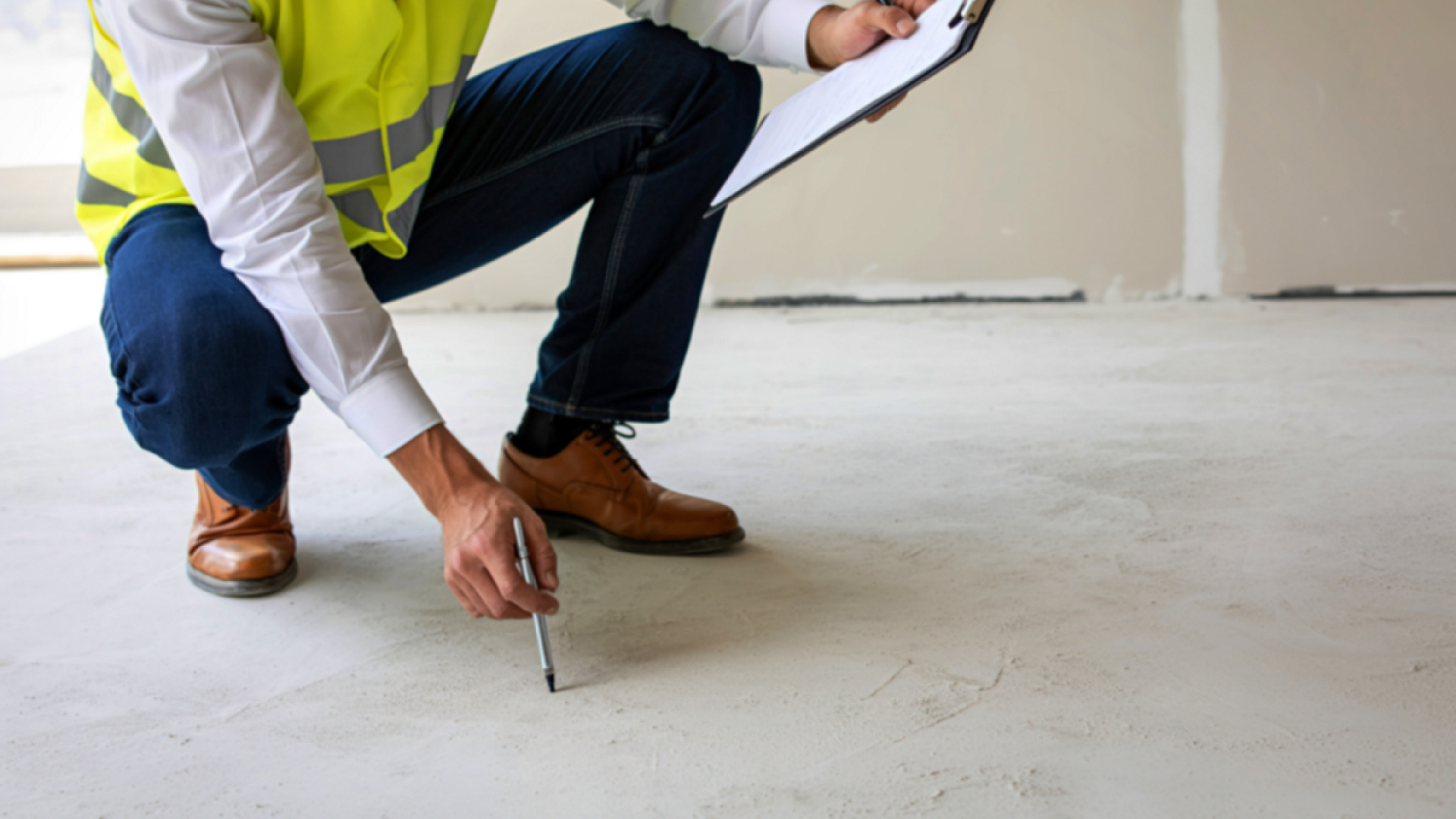
Like roofs, HVAC systems, and other important building components, concrete benefits from periodic evaluation.
Routine inspections allow property owners to identify early signs of settlement, cracking, joint deterioration, or trip hazards before they become more significant. Early action often provides more repair options and helps reduce the likelihood of larger maintenance challenges in the future.
Being proactive is one of the most effective ways to maximize the lifespan of concrete surfaces.
Protecting Your Concrete Investment
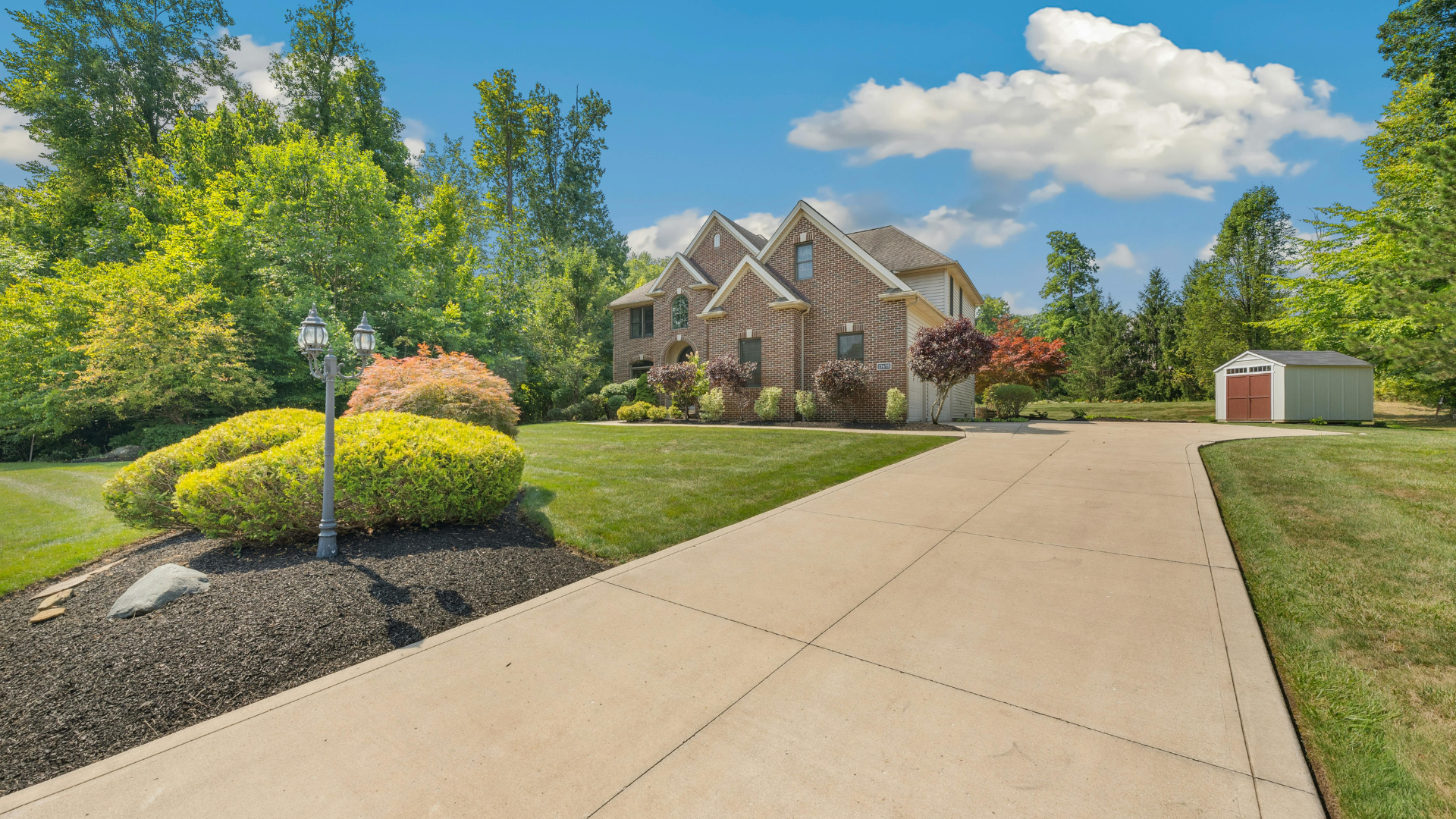
Concrete is designed to withstand years of demanding use, but it is not immune to the effects of time, weather, and changing ground conditions. Understanding that reality allows property owners to take a proactive approach to maintenance and restoration.
Rite-Wash specializes in concrete restoration services, including concrete leveling, crack repair, expansion joint repair, and trip hazard mitigation. Our experienced team helps commercial and residential property owners preserve existing concrete, improve safety, and extend the life of their surfaces through targeted restoration solutions.
Concrete may be one of the strongest materials used in construction, but even the strongest materials benefit from proper care. With timely restoration and ongoing maintenance, concrete can continue serving your property well for many years to come.