The Early Warning Signs of Concrete Failure
Concrete is one of the most durable building materials used in residential and commercial properties. Driveways, sidewalks, patios, walkways, pool decks, and parking areas are designed to withstand years of daily use and exposure to the elements. However, even the strongest concrete surfaces eventually show signs of wear.
The good news is that concrete failure rarely occurs without warning. In many cases, there are early indicators that a surface may be developing problems long before major damage occurs. Recognizing these warning signs can help property owners address issues sooner, potentially reducing repair costs and preserving the life of the concrete.
Small Cracks Can Signal Larger Problems
One of the most common early warning signs is cracking.
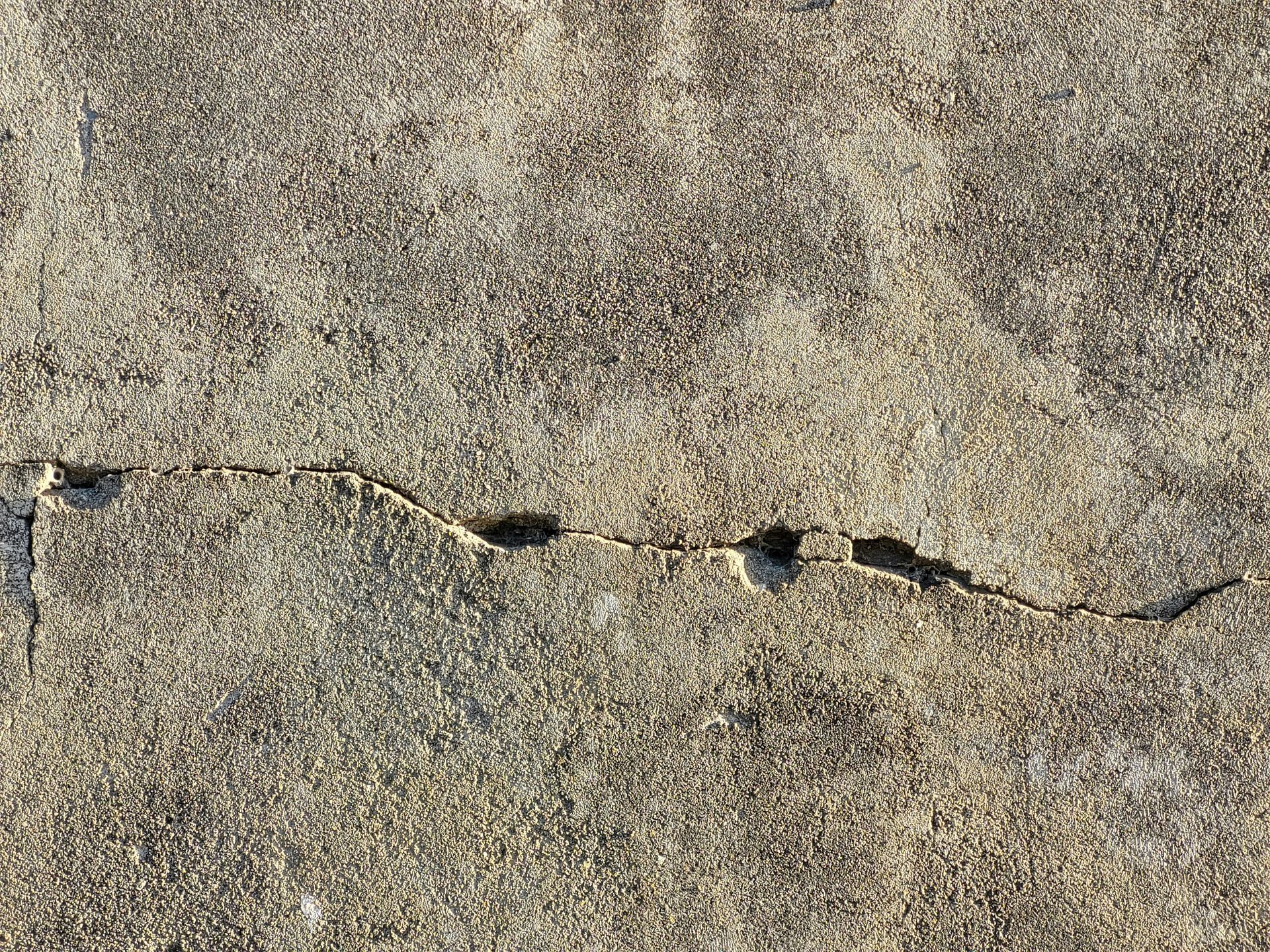
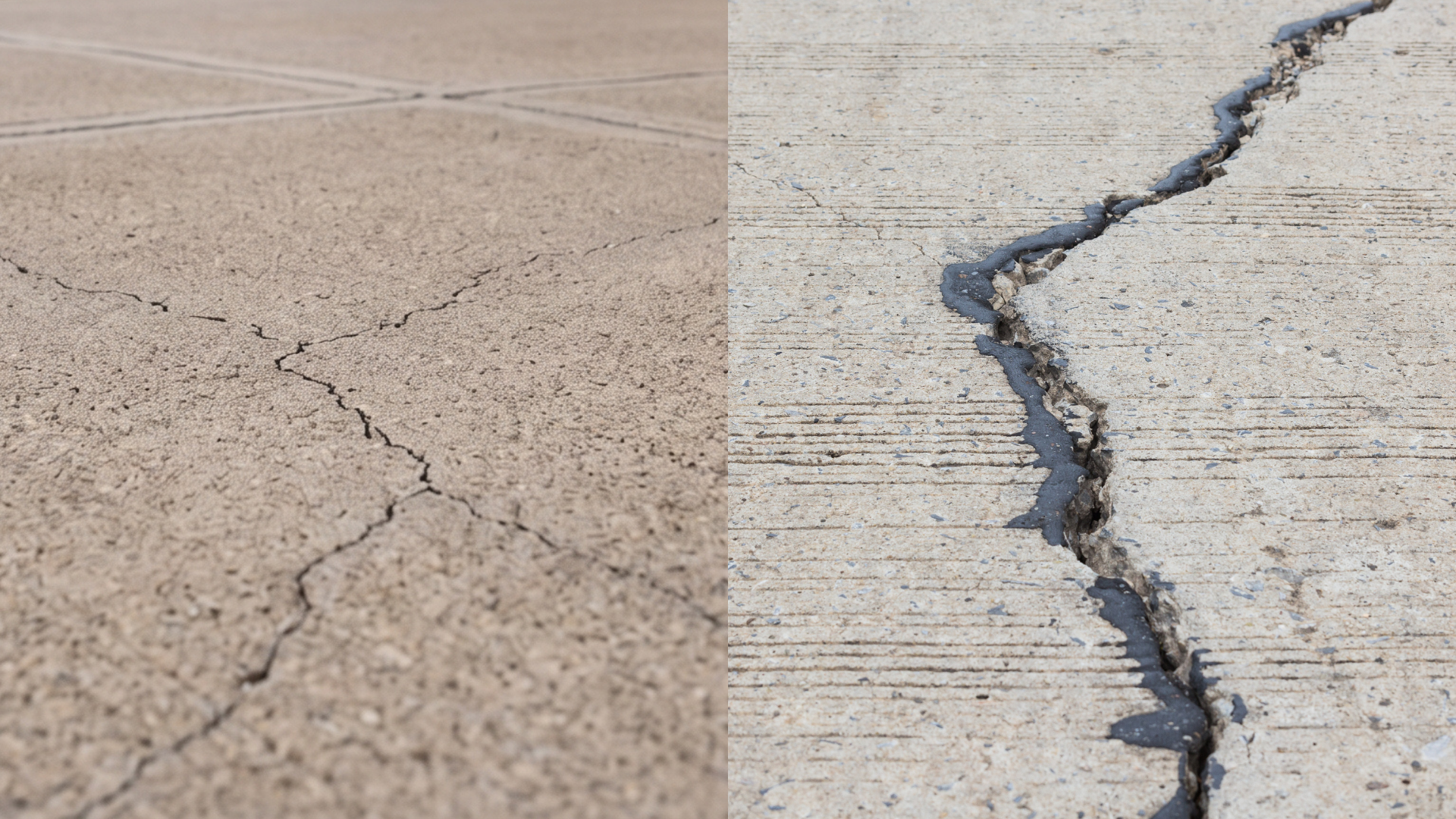
Not every crack indicates a serious structural problem, but cracks should never be dismissed automatically. Even minor cracks can allow water to enter the concrete, creating opportunities for further deterioration over time.
As moisture penetrates the surface, it may contribute to additional cracking, surface breakdown, or other forms of damage. Monitoring cracks and having them evaluated when necessary can help prevent relatively small concerns from becoming larger repair projects.
Uneven Surfaces Should Not Be Ignored
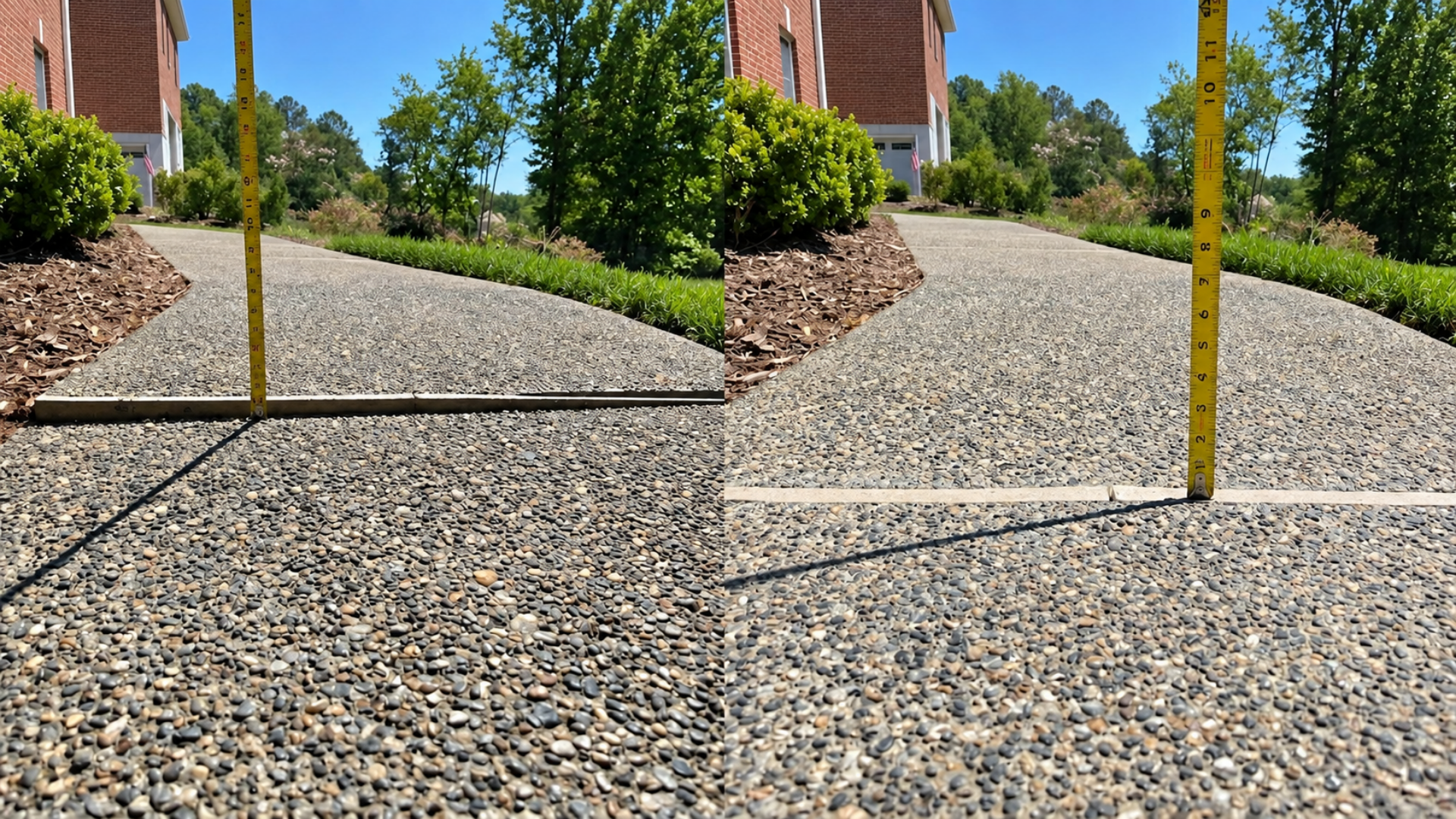
Concrete settlement often develops gradually. Because the process is slow, property owners sometimes fail to notice changes until the difference in elevation becomes significant.
A section of sidewalk that sits slightly lower than the surrounding surface may not seem like a major concern initially. Over time, however, settlement can worsen and create trip hazards, drainage issues, and safety concerns.
Uneven concrete is often one of the earliest visible signs that movement is occurring beneath the surface.
Pooling Water Is a Warning Sign
Water should not remain on concrete surfaces for extended periods after rainfall or irrigation.
When water consistently pools in certain areas, it may indicate settling, improper drainage, or changes in the underlying support structure. Standing water can accelerate deterioration and contribute to future concrete problems.
Property owners who notice recurring puddles on driveways, patios, or walkways should consider investigating the cause rather than simply treating the symptom.

Surface Flaking and Spalling
Another common sign of developing concrete failure is spalling.
Spalling occurs when the surface layer of concrete begins to chip, flake, peel, or break away. What may begin as a small rough patch can gradually expand if the underlying cause is not addressed.
Surface deterioration not only affects appearance but may also allow additional moisture intrusion, leading to further damage over time.
The earlier spalling is identified, the more opportunities there may be for restoration rather than extensive replacement.

Expansion Joint Problems
Expansion joints are designed to accommodate movement and help protect concrete surfaces from stress.
When joints become damaged, deteriorated, or separated, they may no longer perform their intended function. This can allow water to enter areas beneath the concrete and contribute to settlement, cracking, and other forms of deterioration.
Because expansion joints are often overlooked, many property owners do not realize there is a problem until surrounding concrete begins showing visible signs of distress.
Changes in Appearance Can Indicate Trouble
Sometimes concrete failure begins with subtle visual changes.
Discoloration, unusual surface wear, widening cracks, crumbling edges, or isolated areas of deterioration may all signal underlying issues. While these changes may appear cosmetic at first, they often provide valuable clues about what is happening beneath the surface.
Paying attention to these details can help property owners identify concerns before they become more significant.
Early Action Often Leads to Better Outcomes
One of the biggest mistakes property owners make is assuming that concrete problems will stabilize on their own. In reality, deterioration often progresses over time, especially when water intrusion, settlement, or structural movement are involved.
Addressing concerns early may provide more repair options, help preserve existing concrete, and reduce the likelihood of larger restoration projects later.
Rite-Wash helps homeowners, businesses, and property managers identify and address concrete problems before they become severe. Through services including concrete restoration, leveling, crack repair, spalling repair, and expansion joint restoration, property owners can often extend the life of their concrete and maintain safer, more attractive surfaces.
Concrete failure rarely happens overnight. Learning to recognize the early warning signs can help protect both your property and your investment for years to come.