Repair vs Replacement: When Can Concrete Be Saved?
When concrete begins to crack, settle, or show signs of deterioration, many property owners assume complete replacement is the only solution. In reality, that is often not the case. While some severely damaged concrete must be removed and replaced, many problems can be addressed through professional concrete restoration techniques that extend the life of the existing surface.
Knowing when concrete can be repaired instead of replaced can help property owners make informed decisions that balance safety, longevity, and cost.
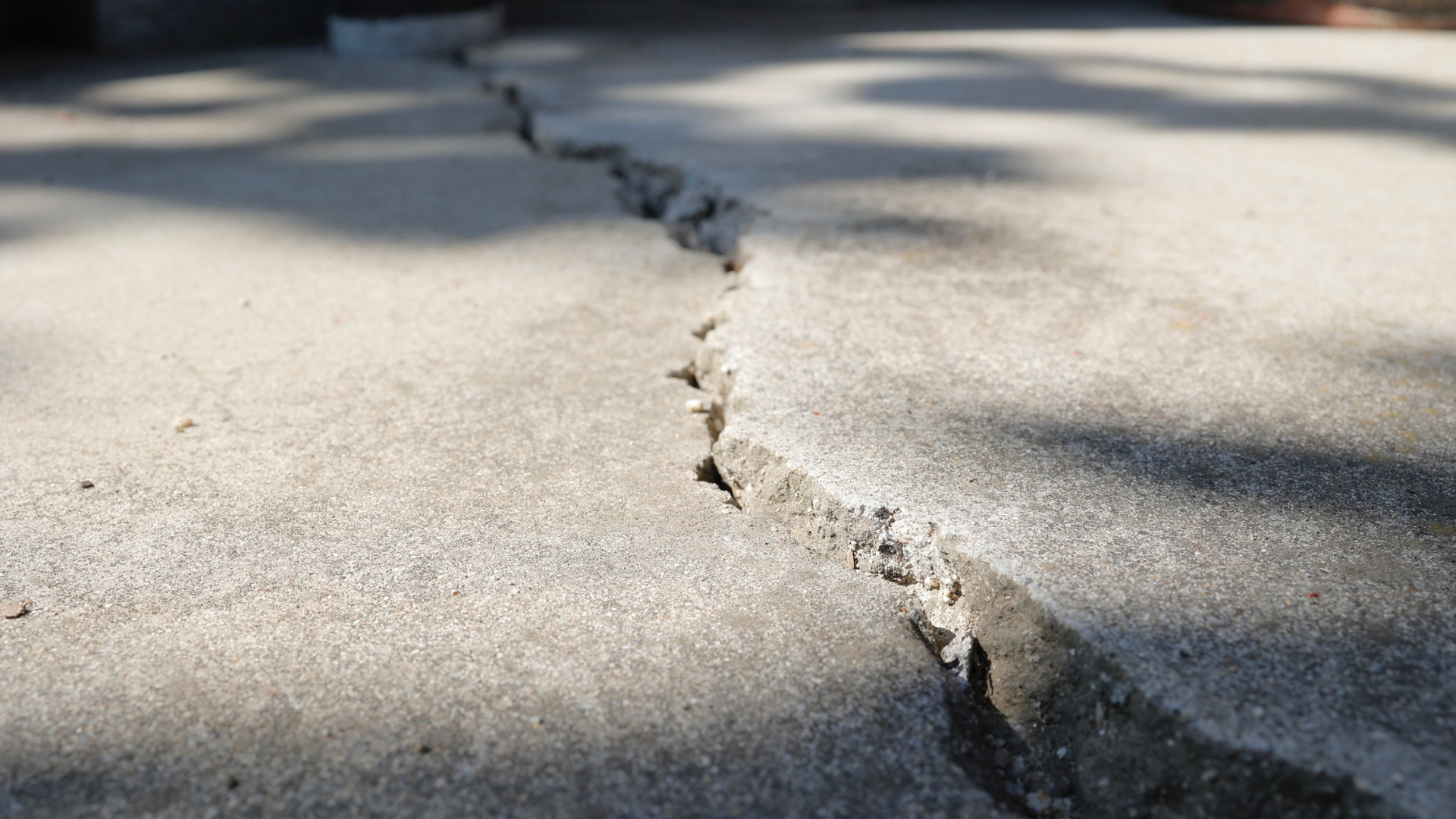
Every Concrete Problem Is Different
Concrete naturally expands, contracts, and endures years of exposure to traffic, weather, moisture, and changing temperatures. Over time, these factors can lead to visible wear that ranges from minor cosmetic imperfections to structural damage.
The key is determining whether the concrete still has sufficient structural integrity. If the underlying slab remains sound, restoration is often a practical and cost-effective solution. If the concrete has experienced extensive deterioration, widespread settlement, or significant structural failure, replacement may be the better long-term option.
A professional inspection is the best way to determine which approach is appropriate.
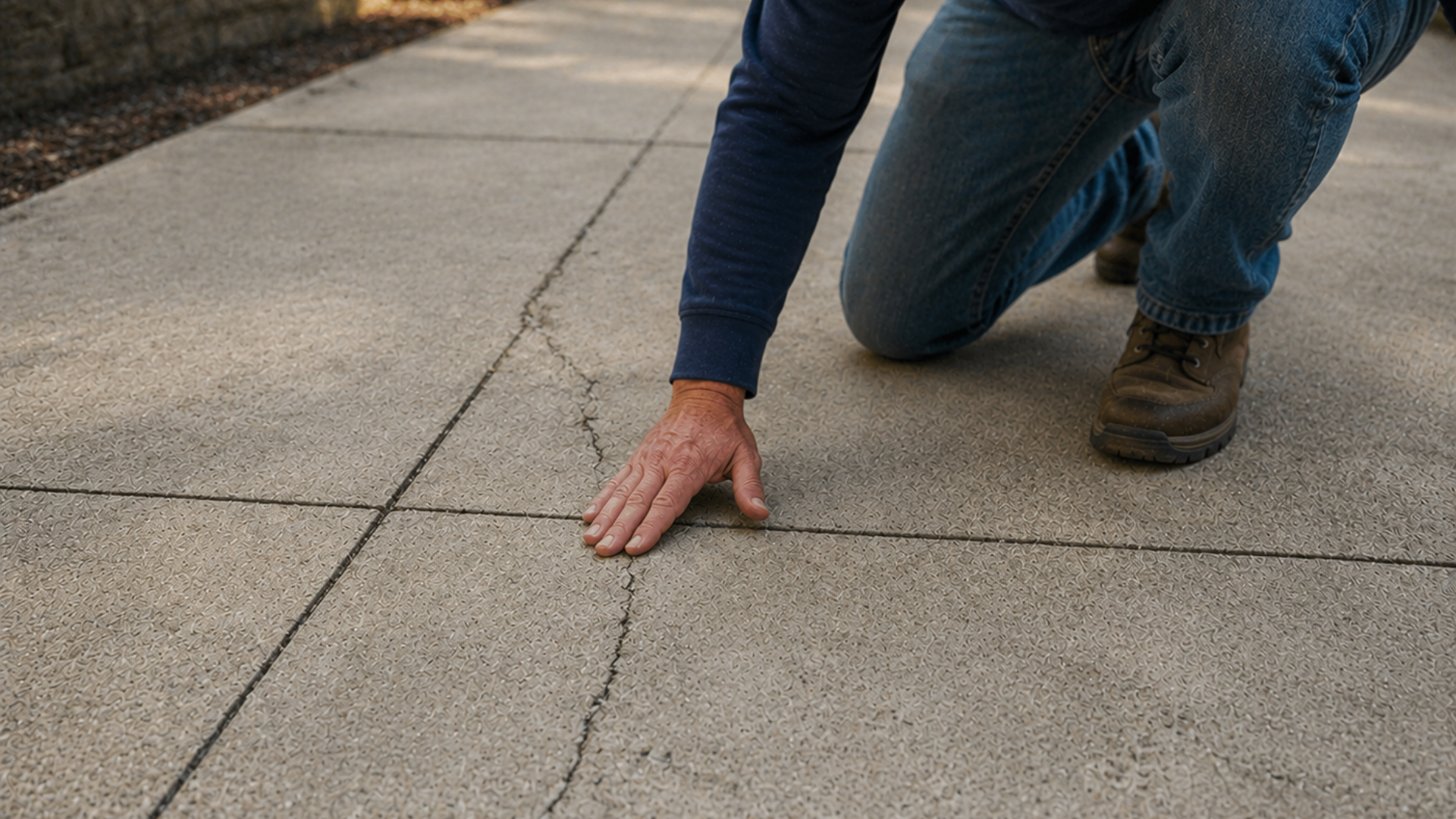
When Concrete Repair Is Often the Right Choice
Many common concrete issues can be successfully repaired without removing the entire slab.
Examples include:
- Surface spalling or flaking
- Isolated cracks
- Damaged expansion joints
- Minor settlement
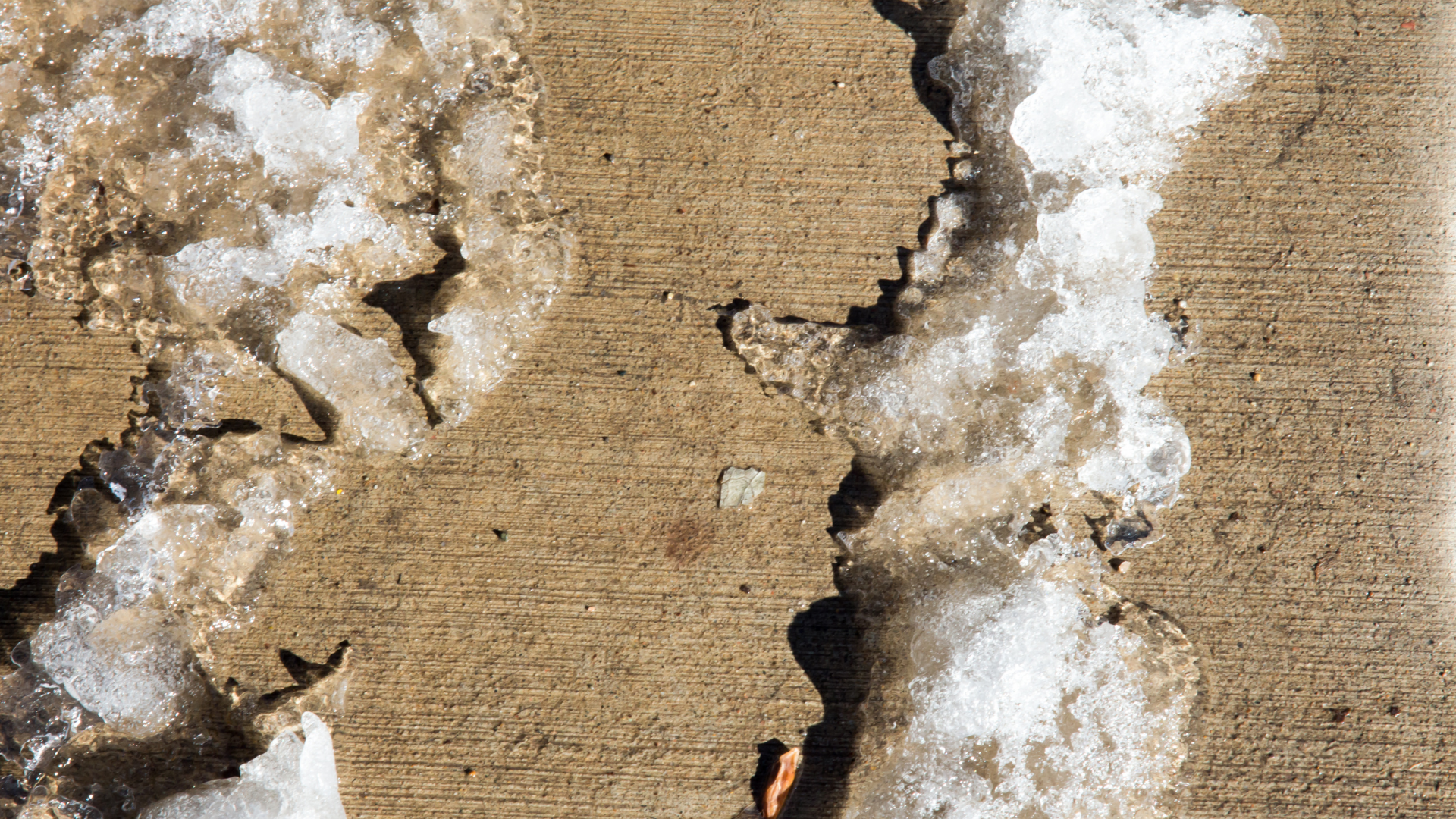
- Scaling caused by freeze-thaw cycles
- Localized deterioration around drains, curbs, or sidewalks
Professional restoration techniques may include crack repair, expansion joint replacement, surface restoration, concrete patching, or other specialized repairs designed to stop further deterioration while restoring functionality.
Addressing these problems early often prevents more extensive damage from developing later.
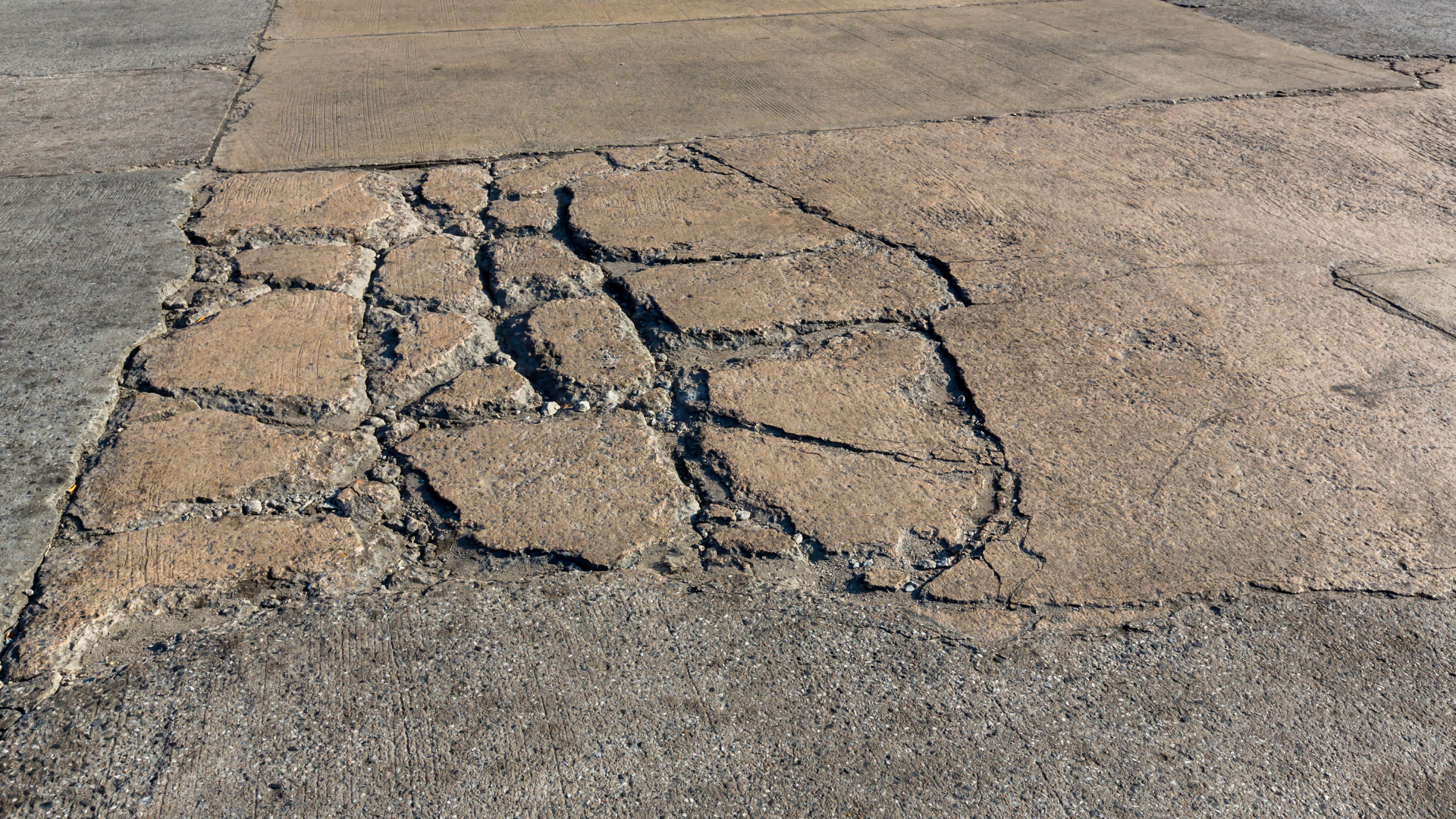
When Replacement May Be Necessary
There are situations where replacing the concrete provides the best long-term outcome.
Although replacement typically requires a larger upfront investment, it may be the most economical choice when restoration can no longer provide lasting performance.
Early Repairs Help Preserve Concrete
One of the biggest mistakes property owners make is waiting until damage becomes severe before taking action.
Small cracks allow water to penetrate beneath the surface. As moisture reaches the underlying concrete and base materials, freeze-thaw cycles, erosion, and repeated traffic can accelerate deterioration. Damaged expansion joints may also allow water and debris to infiltrate areas that were originally designed to accommodate natural concrete movement.
By repairing these issues early, property owners can often extend the lifespan of existing concrete while avoiding more costly reconstruction projects in the future.
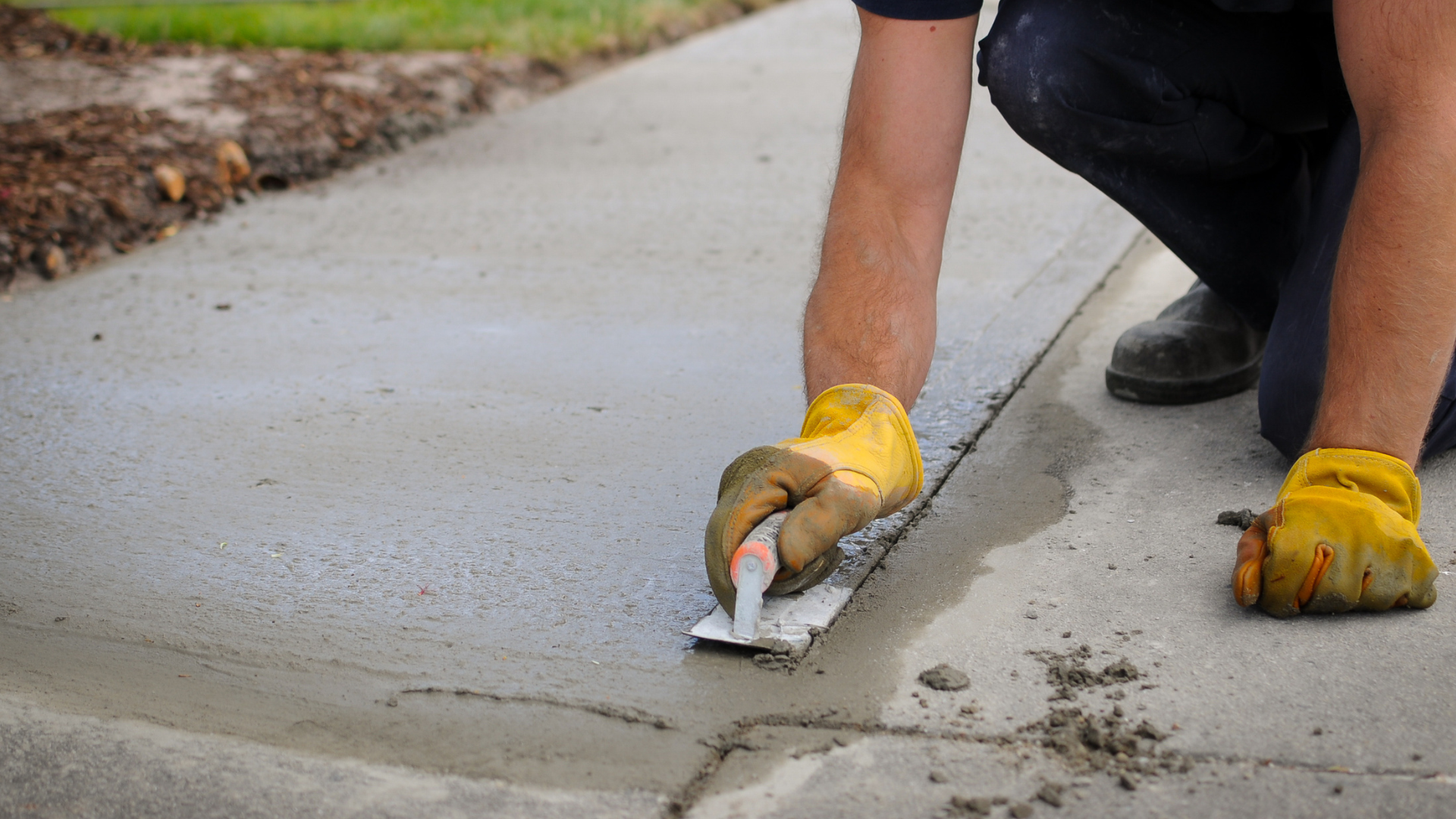
Restoration Can Minimize Business Disruptions
Concrete replacement often involves downtime: demolition, hauling away old material, forming, pouring new concrete, curing time, and extended closures.
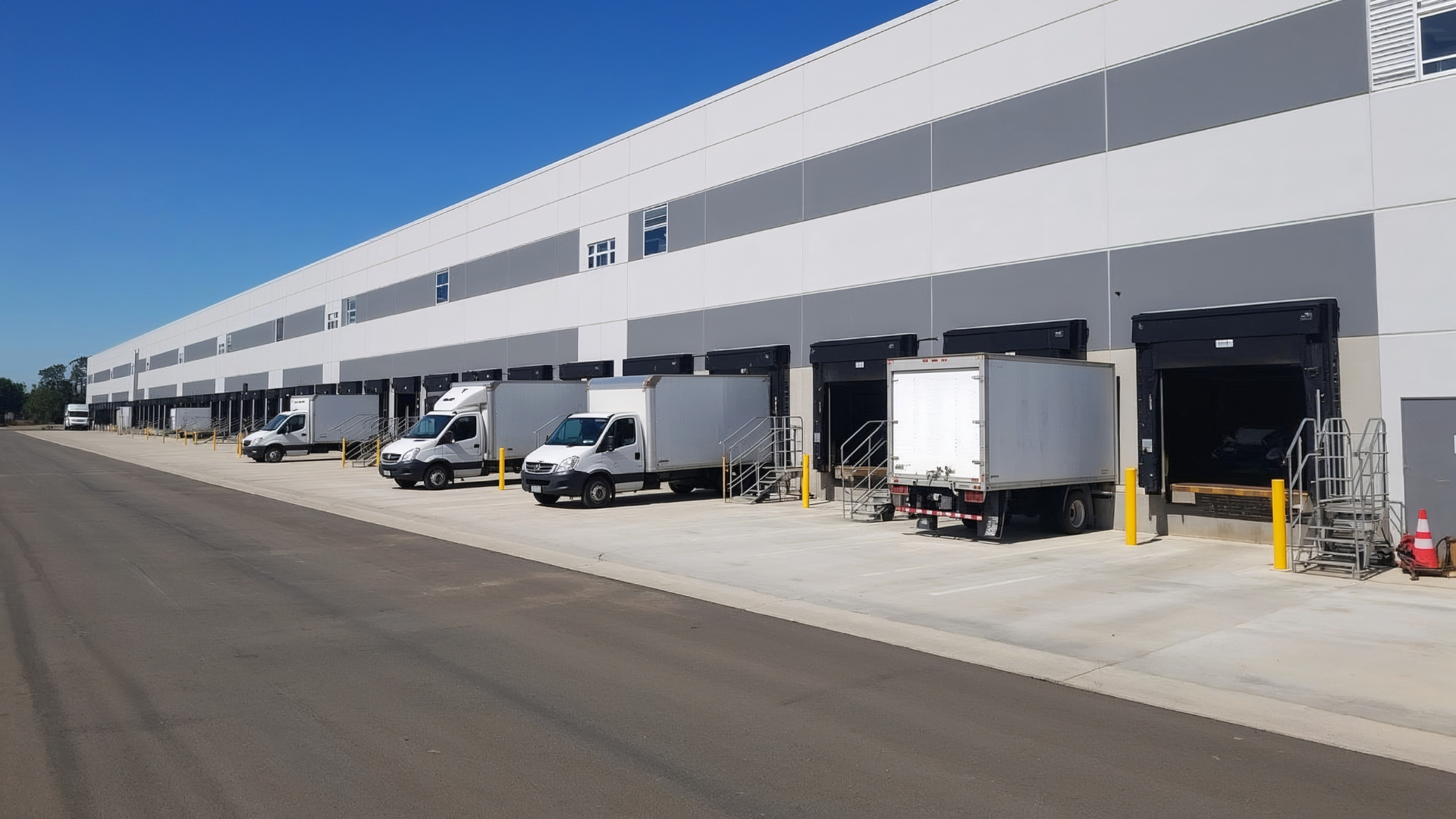
In many cases, restoration methods can be completed more efficiently, reducing downtime for commercial properties, retail centers, office complexes, industrial facilities, and municipalities. Maintaining access whenever possible helps minimize disruptions for employees, customers, tenants, and visitors while preserving normal business operations.
While every project is unique, repairing concrete instead of replacing it can often shorten project timelines and reduce overall inconvenience.
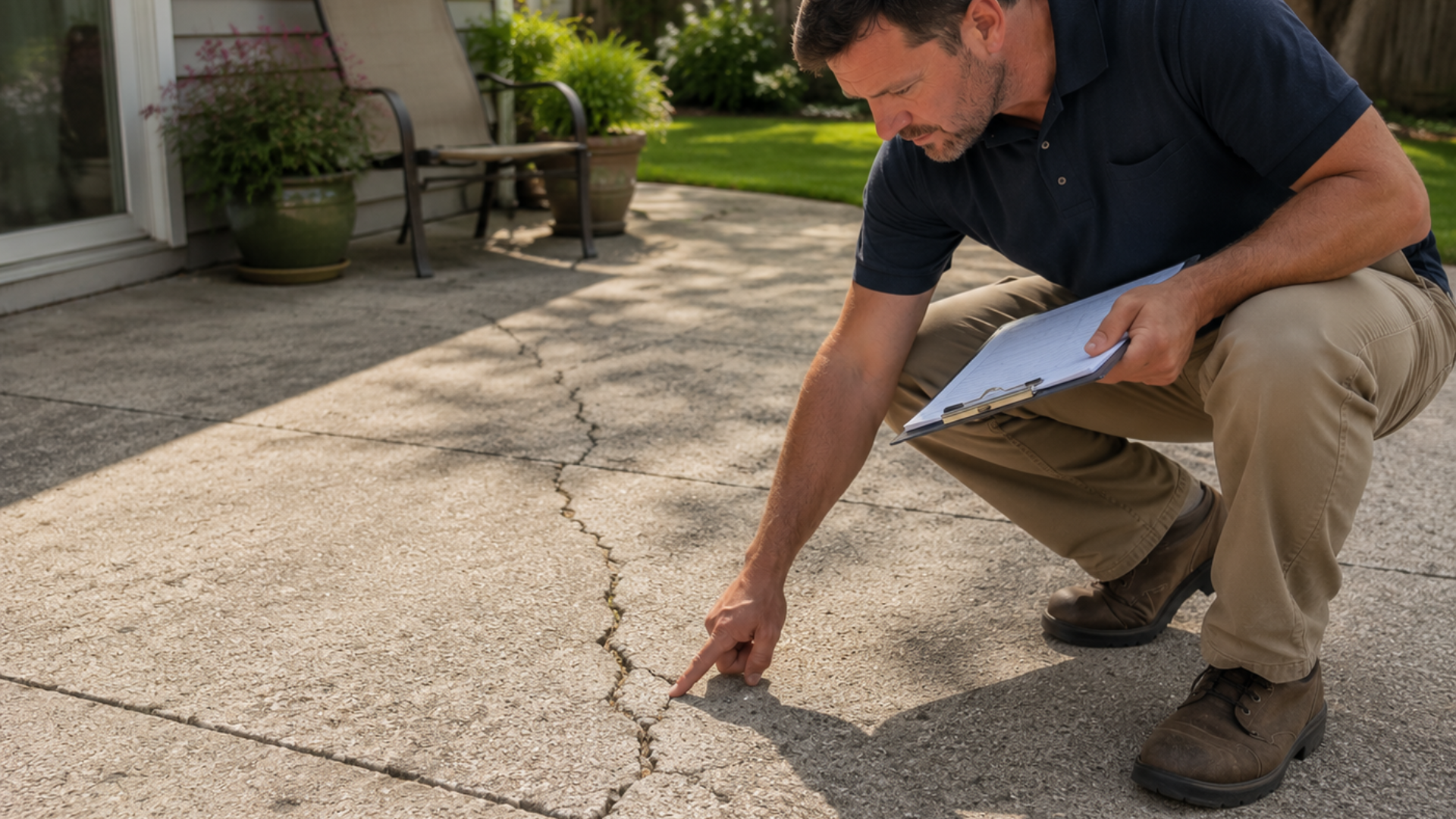
An Experienced Evaluation Makes the Difference
Determining whether concrete should be repaired or replaced requires more than a quick visual inspection. Experienced concrete restoration professionals evaluate the type of damage, its underlying cause, drainage conditions, traffic demands, and the overall condition of the concrete before recommending a solution.
By addressing the root cause—not just the visible symptoms—they help ensure repairs provide meaningful, long-lasting results.
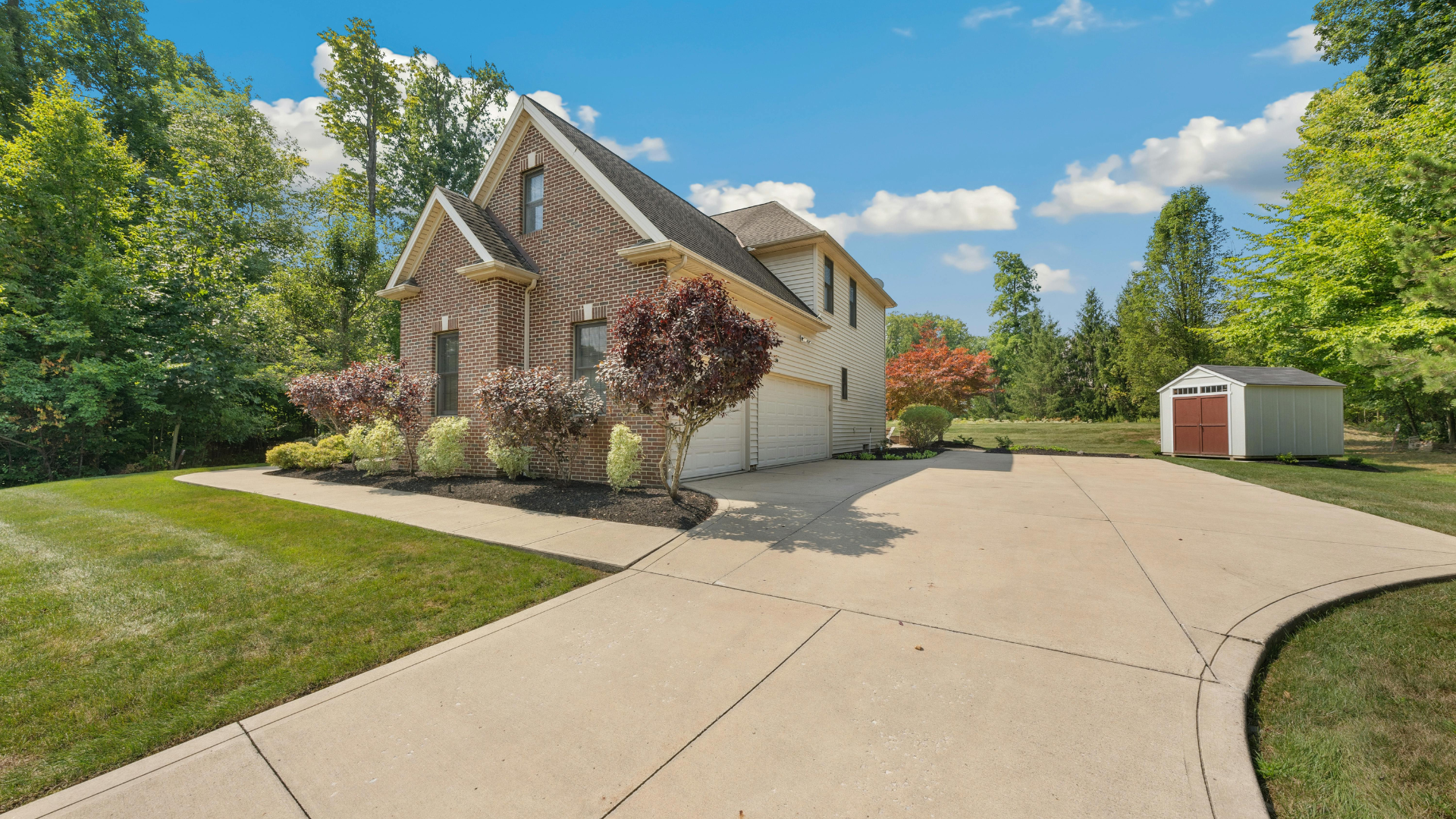
Trust Rite-Wash for Professional Concrete Restoration
At Rite-Wash, we help commercial property owners, facility managers, municipalities, and businesses make informed decisions about their concrete assets. Our experienced team evaluates each project individually to determine whether professional restoration can extend the life of your existing concrete or whether replacement is the better long-term investment. From crack repair and spall remediation to expansion joint restoration and preventive maintenance, we provide solutions designed to improve safety, protect your property, and maximize the lifespan of your concrete.
If your sidewalks, parking lots, loading areas, or other concrete surfaces are showing signs of deterioration, contact Rite-Wash today to schedule a professional evaluation and discover whether restoration may be the right solution.