The Physics Behind Concrete Deterioration: Why Concrete Changes Over Time
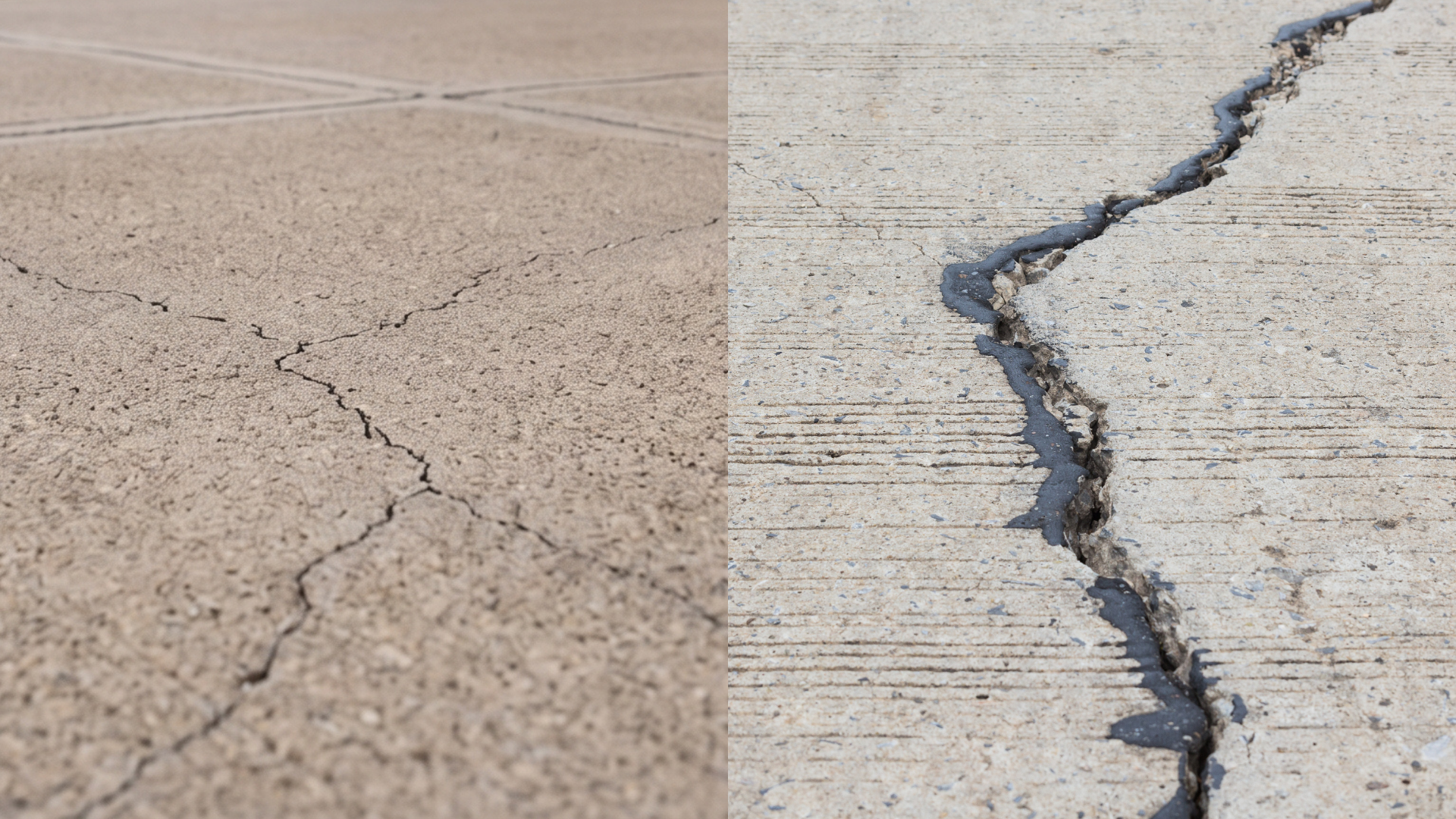
Concrete has earned a reputation as one of the most durable building materials available, but even the strongest concrete is constantly responding to its environment. Every driveway, sidewalk, patio, pool deck, and parking lot is exposed to changing temperatures, moisture, sunlight, and everyday traffic. These forces gradually alter the concrete’s structure, eventually leading to cracks, discoloration, surface damage, and uneven slabs.
Understanding the science behind concrete deterioration helps explain why regular maintenance and timely restoration can significantly extend the life of your investment.
Concrete Is Strong, But It Is Always Moving
Although concrete appears rigid, it is never completely still. Every day, it expands as temperatures rise and contracts as temperatures fall. This process, known as thermal expansion and contraction, occurs continuously throughout the life of the concrete.
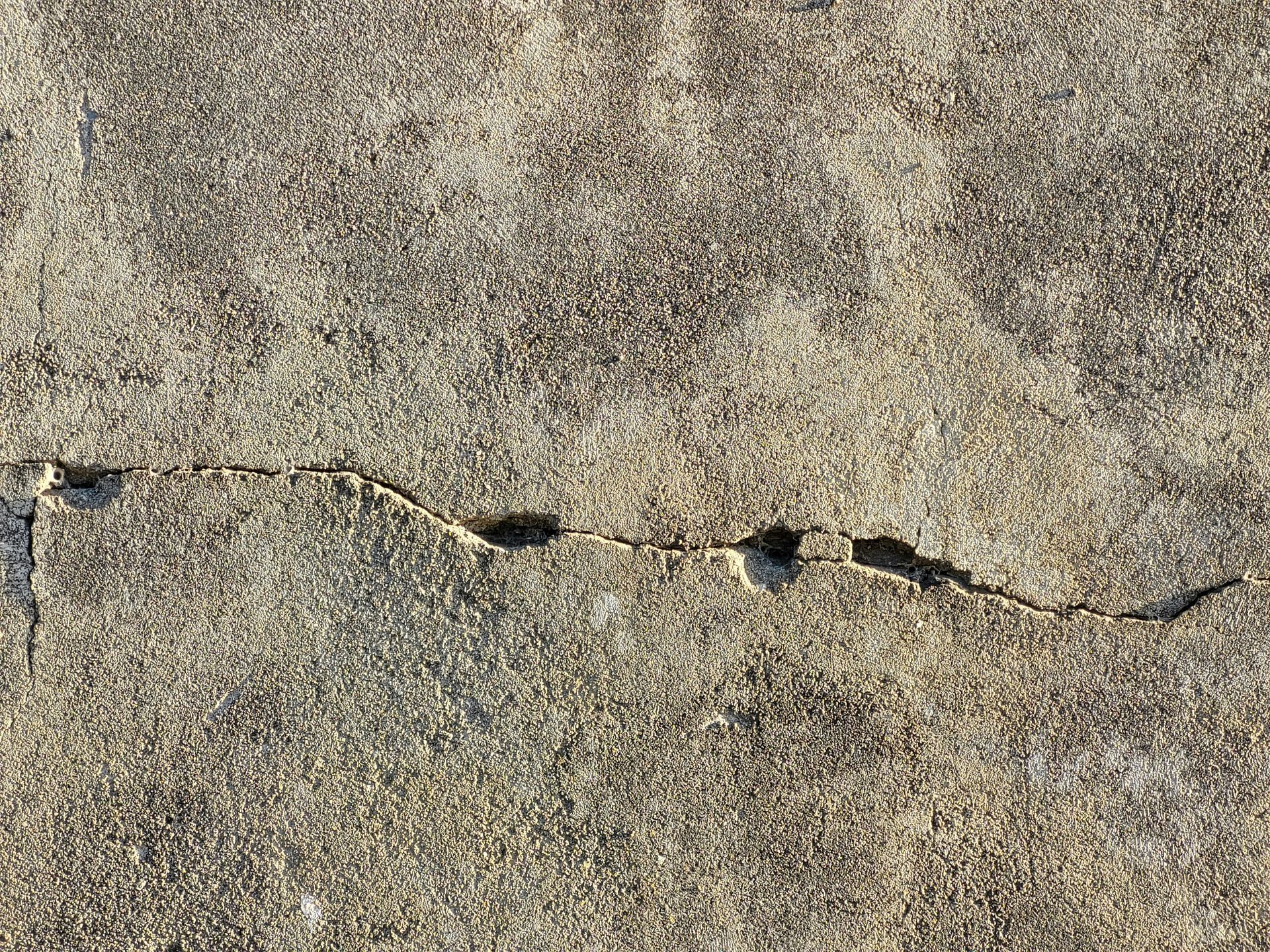
Over time, these repeated movements place stress on the material. If the concrete cannot expand and contract freely, internal pressure begins to develop. Eventually, that pressure may contribute to cracking, joint separation, or other forms of structural distress.
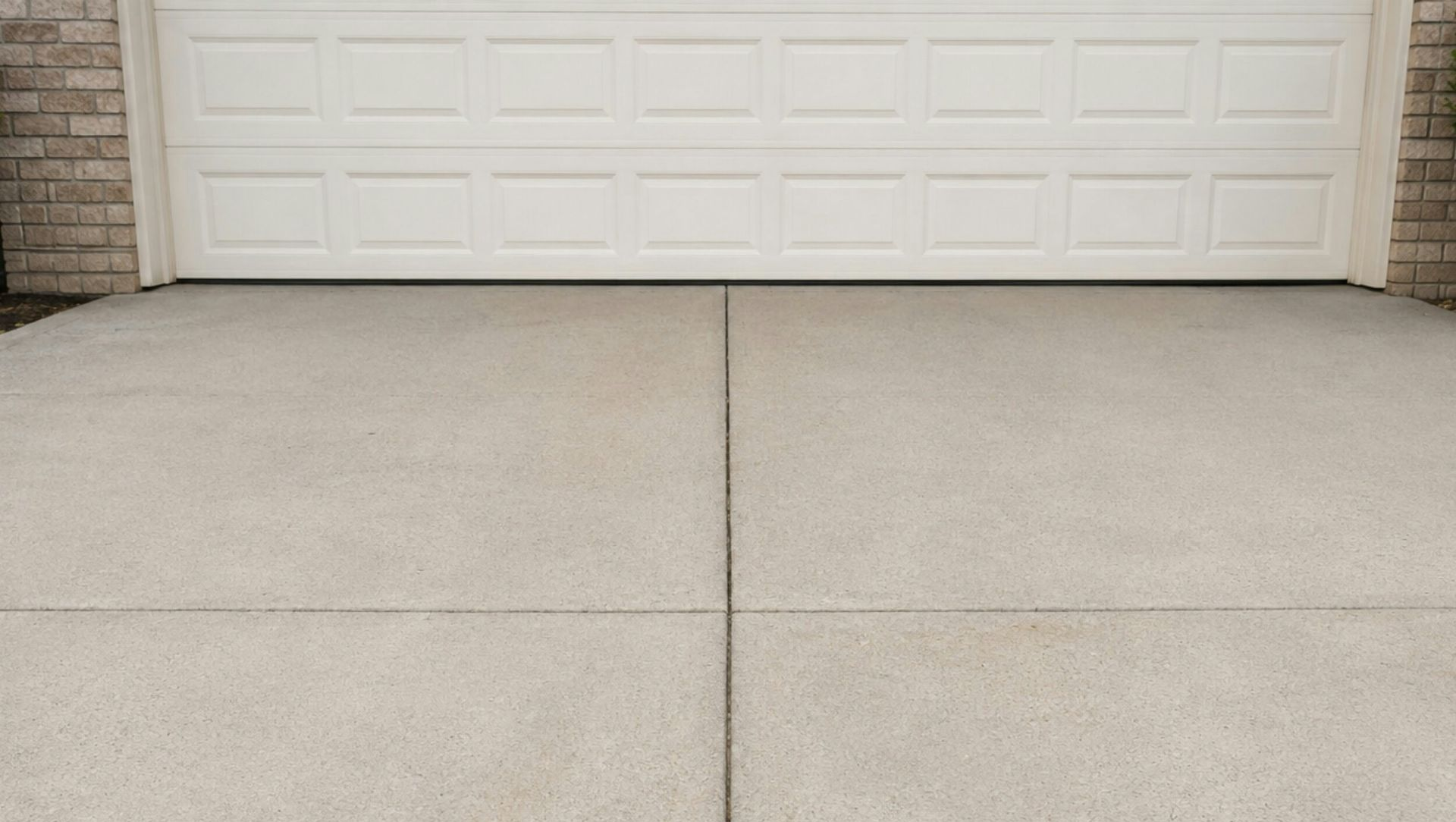
This is one reason properly designed expansion joints are so important. They provide controlled areas where the concrete can safely move without creating unnecessary stress throughout the slab.

Water Is One of Concrete’s Greatest Enemies
Concrete may look solid, but it contains countless microscopic pores that allow moisture to penetrate beneath the surface.
When water enters these tiny openings, it can carry dissolved salts, minerals, and other contaminants deeper into the concrete. In colder climates, freeze-thaw cycles can worsen the problem as trapped water expands when it freezes, placing tremendous pressure on the surrounding material.
Even in warmer regions where freezing temperatures are uncommon, moisture contributes to erosion, mineral deposits, staining, and gradual weakening of the concrete surface. Water can also wash away supporting soil beneath slabs, increasing the likelihood of settlement and uneven concrete.
Proper sealing helps reduce
moisture penetration and protects the surface from many of these long-term effects.
Why Concrete Changes Color
Many homeowners assume discoloration is purely cosmetic, but changes in color often reveal important information about the condition of the concrete.
Sunlight gradually breaks down surface sealers while ultraviolet exposure slowly fades pigments. Moisture encourages algae, mildew, and organic staining. Rust-colored stains may indicate metal contamination, while white, chalky deposits known as efflorescence occur when water carries naturally occurring salts to the surface as it evaporates.
Although discoloration does not always indicate structural damage, it often signals that the concrete has been exposed to conditions that warrant closer evaluation.
Understanding Spalling
One of the most recognizable forms of concrete deterioration is spalling. Rather than developing a simple crack, the concrete surface begins to chip, flake, or break away in thin layers.
Spalling occurs when internal stresses exceed the strength of the surface. Repeated moisture exposure, thermal movement, poor drainage, deicing chemicals, improper finishing techniques, and years of wear can all contribute to this type of damage.
Once the protective surface begins to deteriorate, the underlying concrete becomes increasingly vulnerable to additional moisture infiltration and continued deterioration. Addressing spalling early often prevents more extensive repairs later.
Why Some Concrete Settles
Not all concrete problems originate within the slab itself. In many cases, the soil beneath the concrete changes over time.
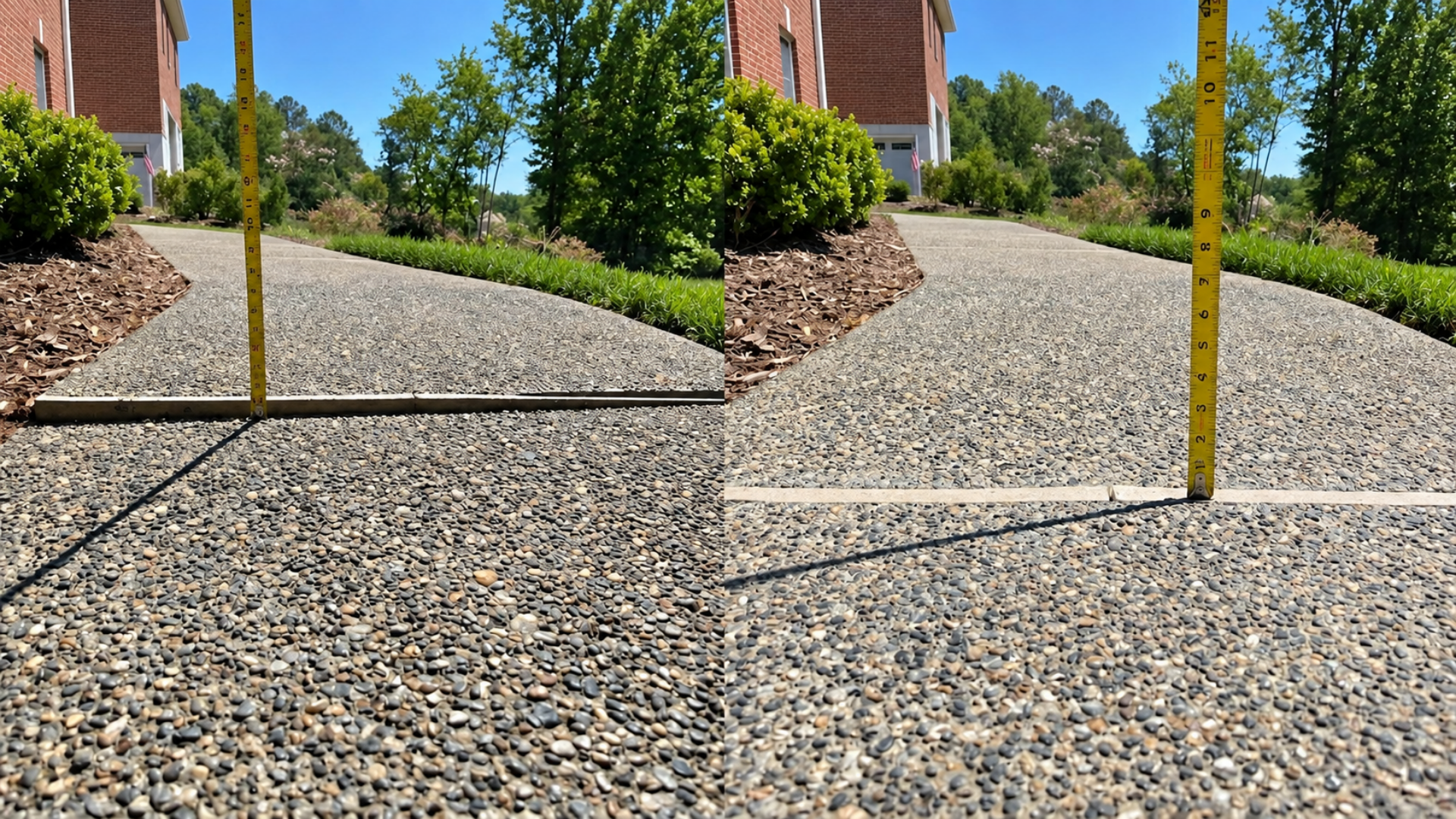
Poor compaction during construction, erosion caused by water, shrinking clay soils, or natural settlement can leave portions of a slab without adequate support. As the unsupported sections bear weight, the concrete may sink or become uneven.
These changes can create trip hazards, standing water, drainage problems, and additional stress that accelerates cracking. Professional concrete lifting and leveling can often restore these slabs without requiring complete replacement, helping property owners preserve existing concrete while improving both safety and appearance.
Restoration Helps Protect Your Investment
Concrete deterioration is a gradual process driven by the laws of physics and years of environmental exposure. While no concrete surface lasts forever, understanding how temperature changes, moisture, settlement, and everyday wear affect the material demonstrates why preventive maintenance is so valuable.
Professional restoration services—including crack repair, expansion joint replacement, concrete lifting, wash-and-seal treatments, and protective seal coatings—address the underlying causes of deterioration while helping extend the service life of existing concrete. At Rite-Wash, we specialize in restoring and preserving concrete so homeowners and businesses can protect their investment, improve curb appeal, and avoid unnecessary replacement whenever practical. Contact Rite-Wash today to learn how our concrete restoration services can help your surfaces perform and look their best for years to come.