Restoring Aging Concrete Without Full Replacement
Concrete is one of the most durable construction materials in the world, but even well-built concrete surfaces eventually show signs of wear. Years of traffic, changing temperatures, moisture intrusion, and normal weathering can leave sidewalks, parking lots, loading docks, warehouse floors, and other concrete structures looking worn or developing localized damage. While complete replacement may seem like the only solution, it is often not necessary. In many cases, professional concrete restoration can renew the performance and appearance of existing concrete while avoiding the cost and disruption of full replacement.
Concrete restoration focuses on repairing damaged areas, correcting deterioration, and extending the service life of existing concrete. Rite-Wash specializes in concrete restoration and repair, helping commercial and industrial property owners preserve valuable concrete assets through targeted, long-lasting repair solutions.
When Is Restoration a Better Option?
Not every damaged concrete surface needs to be demolished and rebuilt. If the underlying concrete remains structurally sound, restoration can often address localized problems while preserving the majority of the existing slab.
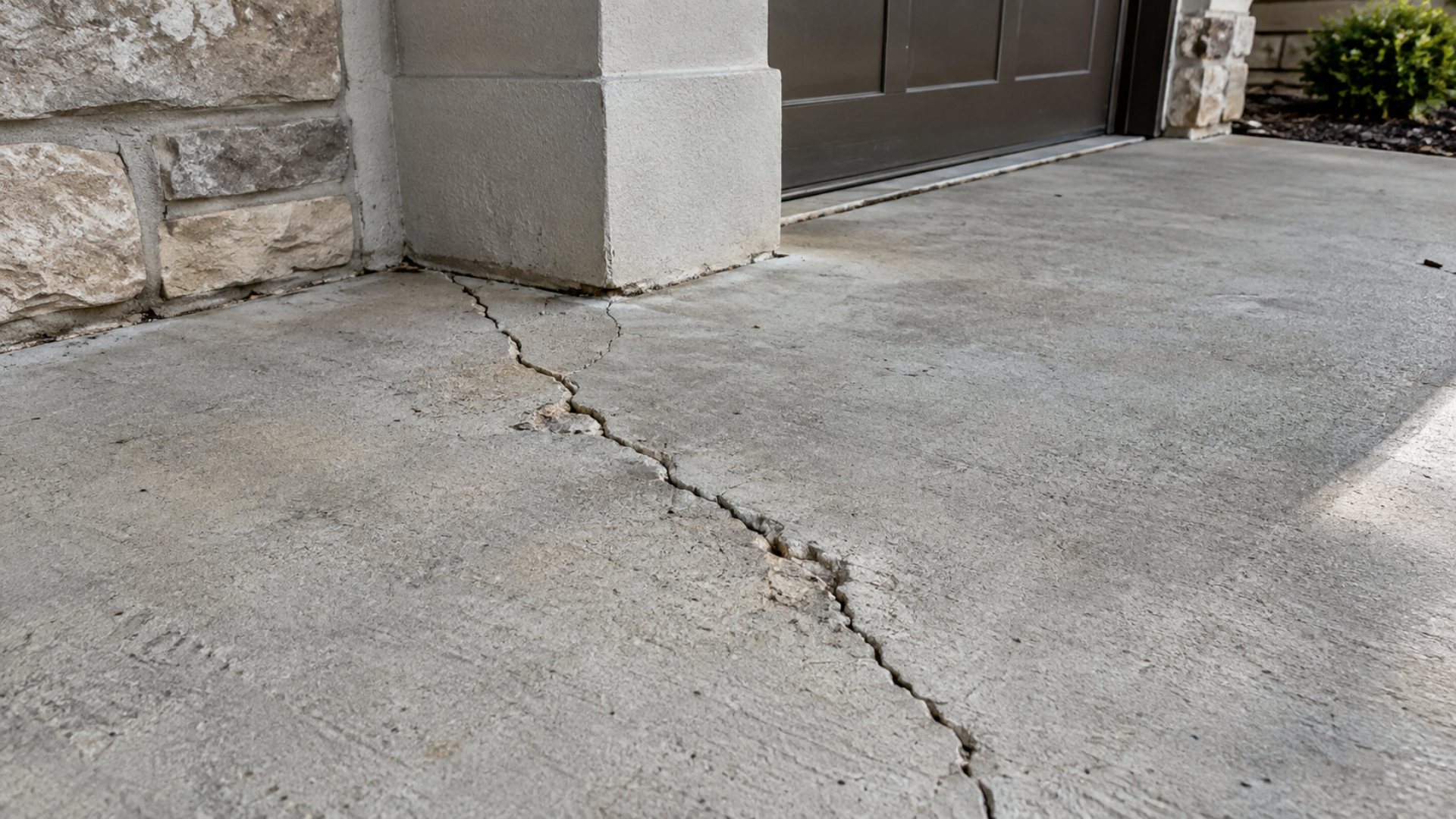
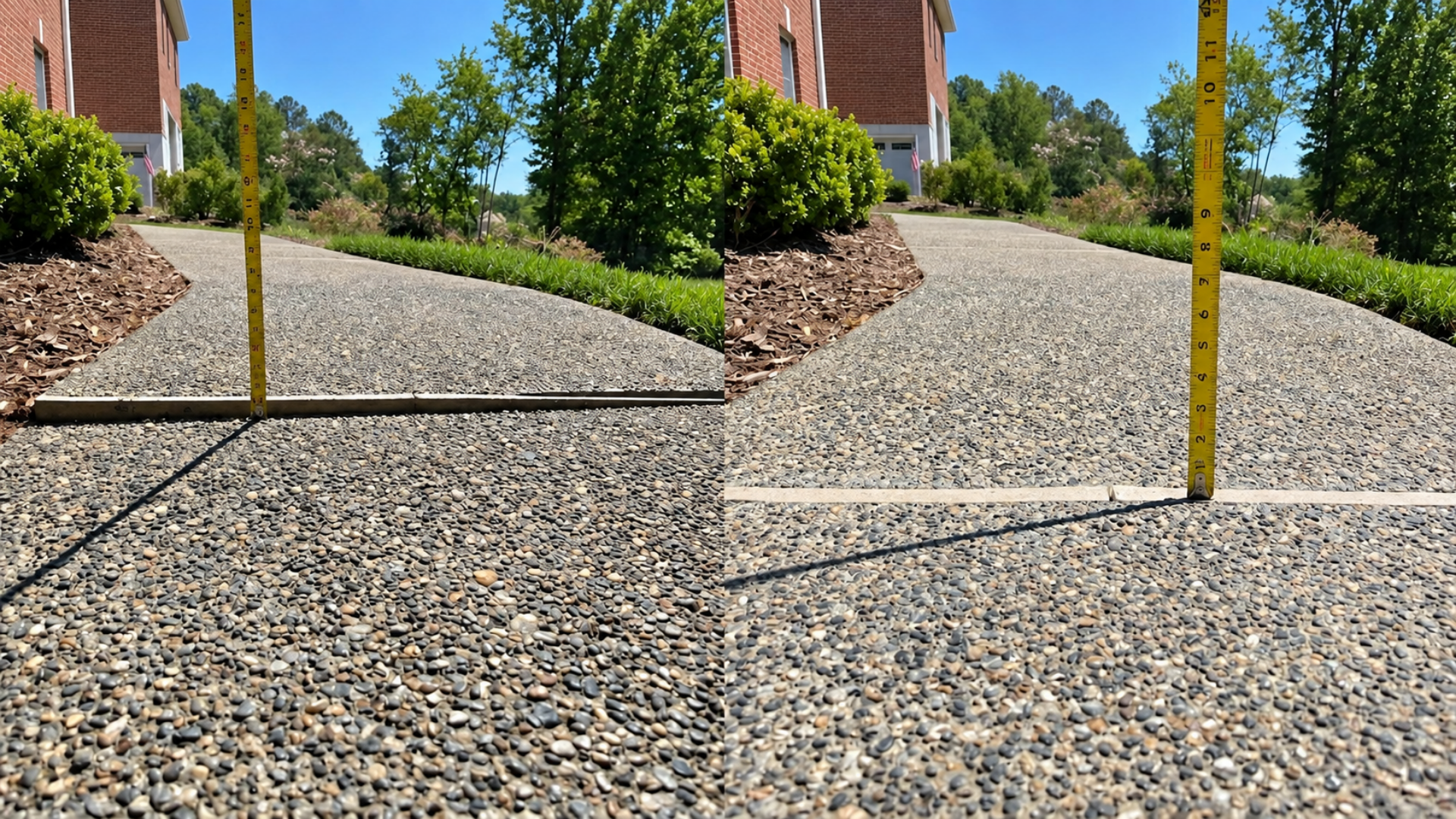
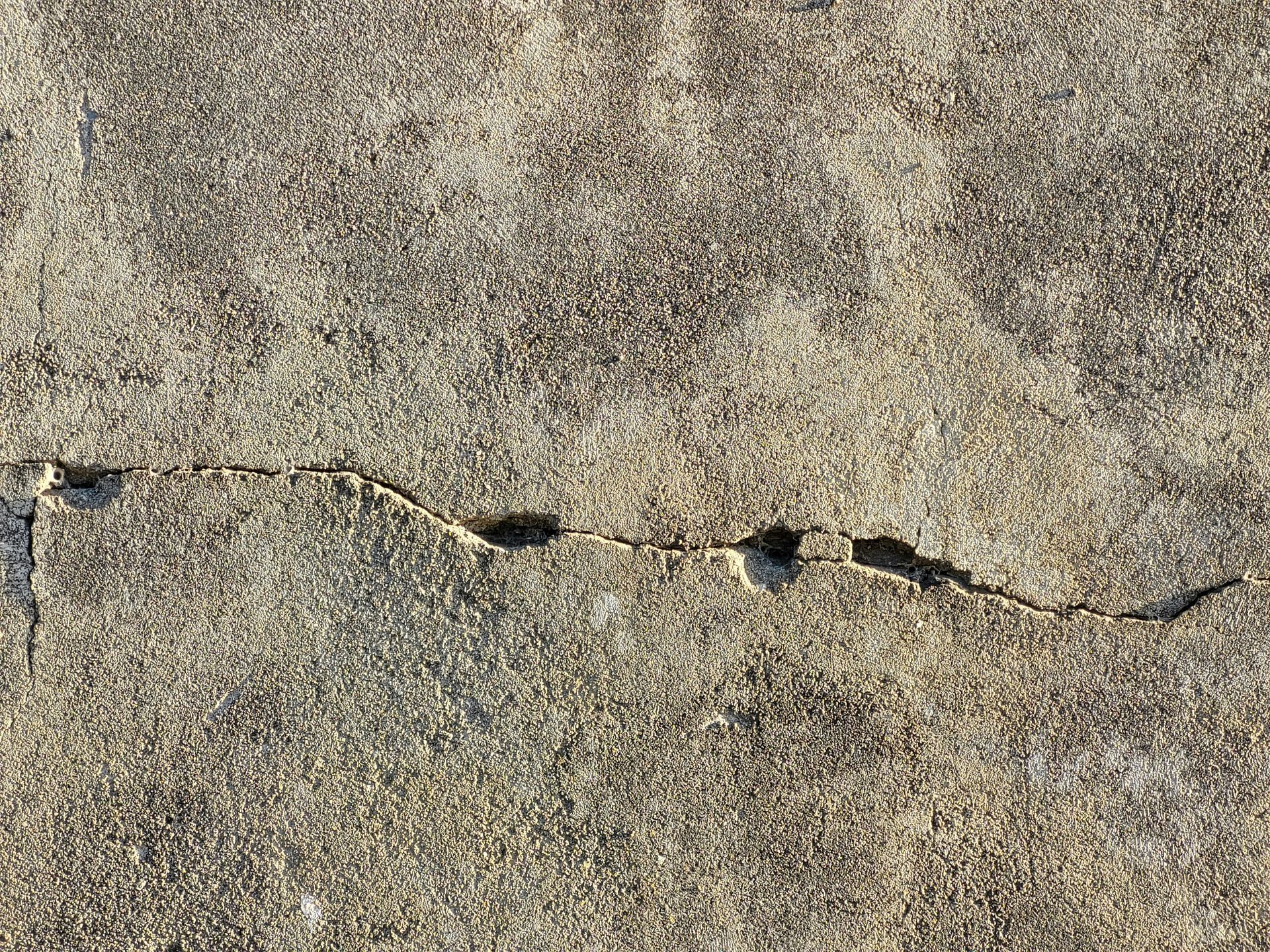
Common conditions that may be suitable for restoration include surface spalling, minor to moderate cracking, deteriorated expansion joints, isolated settlement, scaling, edge damage, and localized areas of concrete deterioration. By focusing repairs only where they are needed, property owners can often restore functionality without replacing large sections of concrete that remain in good condition.
A professional evaluation is the best way to determine whether restoration or replacement is the most appropriate course of action.
Addressing Problems Before They Spread
Concrete damage rarely improves on its own. Small cracks may allow water to penetrate beneath the surface, while deteriorated joints can permit moisture to reach the underlying base materials. Over time, repeated freeze-thaw cycles, heavy traffic, and continued water infiltration may enlarge the damaged areas and increase repair costs.
Timely restoration interrupts this process by correcting the source of deterioration before additional damage develops. Repairing isolated issues early often helps preserve the surrounding concrete and extends the useful life of the entire surface.
Preventive repairs are typically less disruptive than waiting until widespread deterioration requires major reconstruction.

Modern Repair Materials Deliver Lasting Performance
Today’s concrete restoration techniques use advanced repair materials specifically engineered for commercial and industrial applications. Depending on the condition of the concrete, repairs may include structural repair mortars, polymer-modified materials, crack repair systems, joint restoration products, and other specialized repair technologies.
These materials are selected based on factors such as anticipated traffic loads, environmental exposure, movement characteristics, and compatibility with the existing concrete. Choosing the appropriate repair system is essential to achieving long-term performance.
Properly installed repair materials become an integral part of the restored concrete, helping it withstand continued daily use.

Surface Preparation Determines Success
One of the most important steps in any concrete restoration project takes place before repair materials are ever applied.
Damaged concrete must be carefully removed, unsound material eliminated, contaminants cleaned away, and the repair area properly prepared to create a sound bonding surface. Without adequate preparation, even the highest-quality repair materials may not perform as intended.
Professional restoration contractors understand that successful repairs depend on careful evaluation, proper preparation, material selection, and experienced installation working together as a complete system.

Extending the Life of Commercial Concrete
Concrete represents a significant investment for commercial and industrial properties. Parking lots, warehouse floors, loading docks, sidewalks, and similar surfaces are designed to provide decades of service, but they also benefit from periodic maintenance and restoration.
By repairing deterioration as it develops, property owners can often postpone full replacement for many years while maintaining safe, functional, and attractive concrete surfaces. Restoration also helps reduce operational disruptions that can accompany complete demolition and reconstruction projects.
Developing a long-term maintenance strategy allows facility managers to address repairs proactively rather than reacting after significant deterioration has already occurred.
Preserve Your Investment Through Professional Restoration
Rite-Wash specializes in concrete restoration and repair for commercial and industrial properties. From crack repair and spalling restoration to expansion joint repair and other targeted concrete solutions, our experienced team helps property owners restore aging concrete and protect their investment for years to come. Contact Rite-Wash today to schedule a professional evaluation and learn whether concrete restoration is the right solution for your property.