Why the Holidays Are the Perfect Time to Refresh Your Home’s Exterior
Seasonal Shine
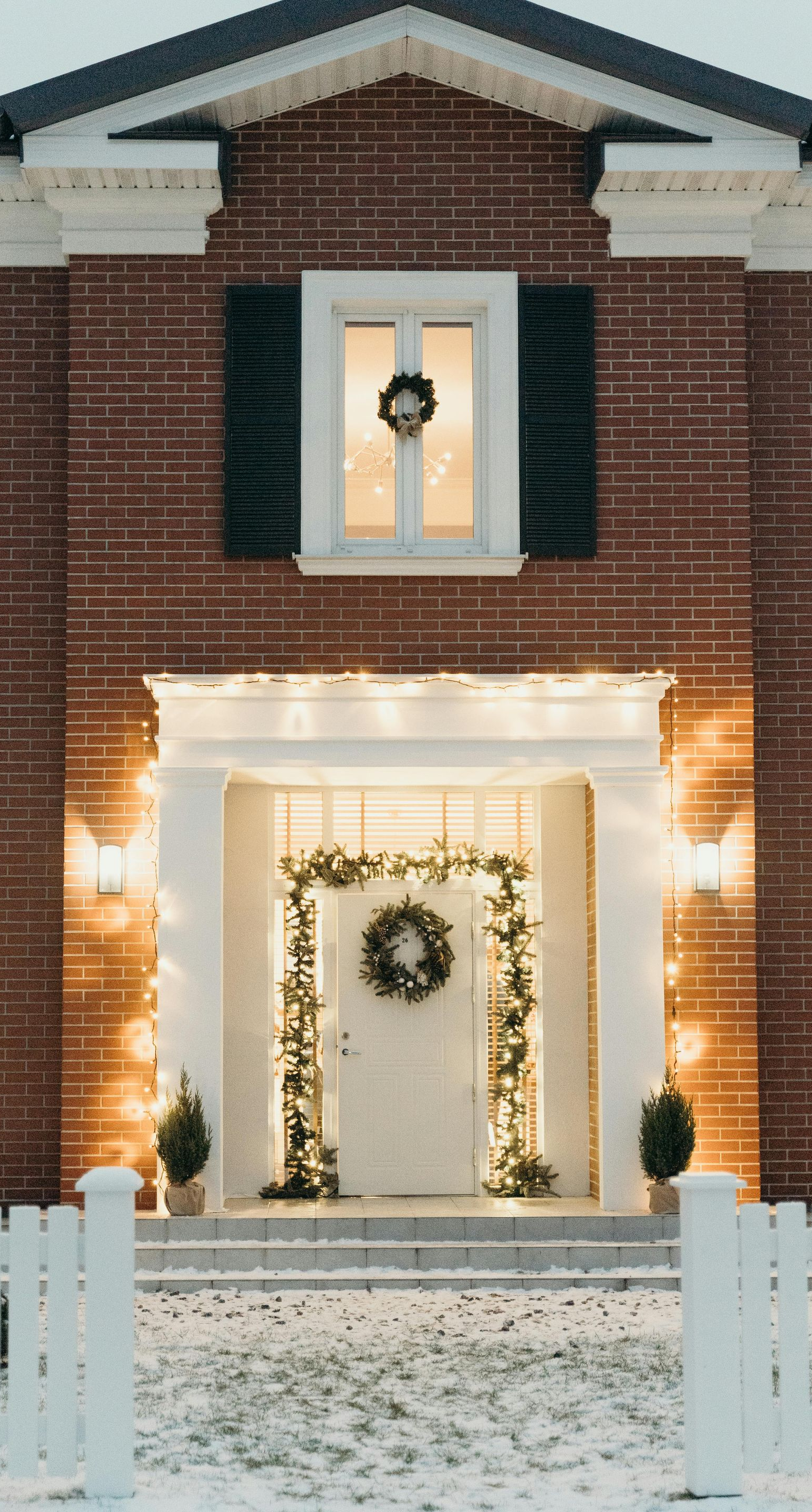
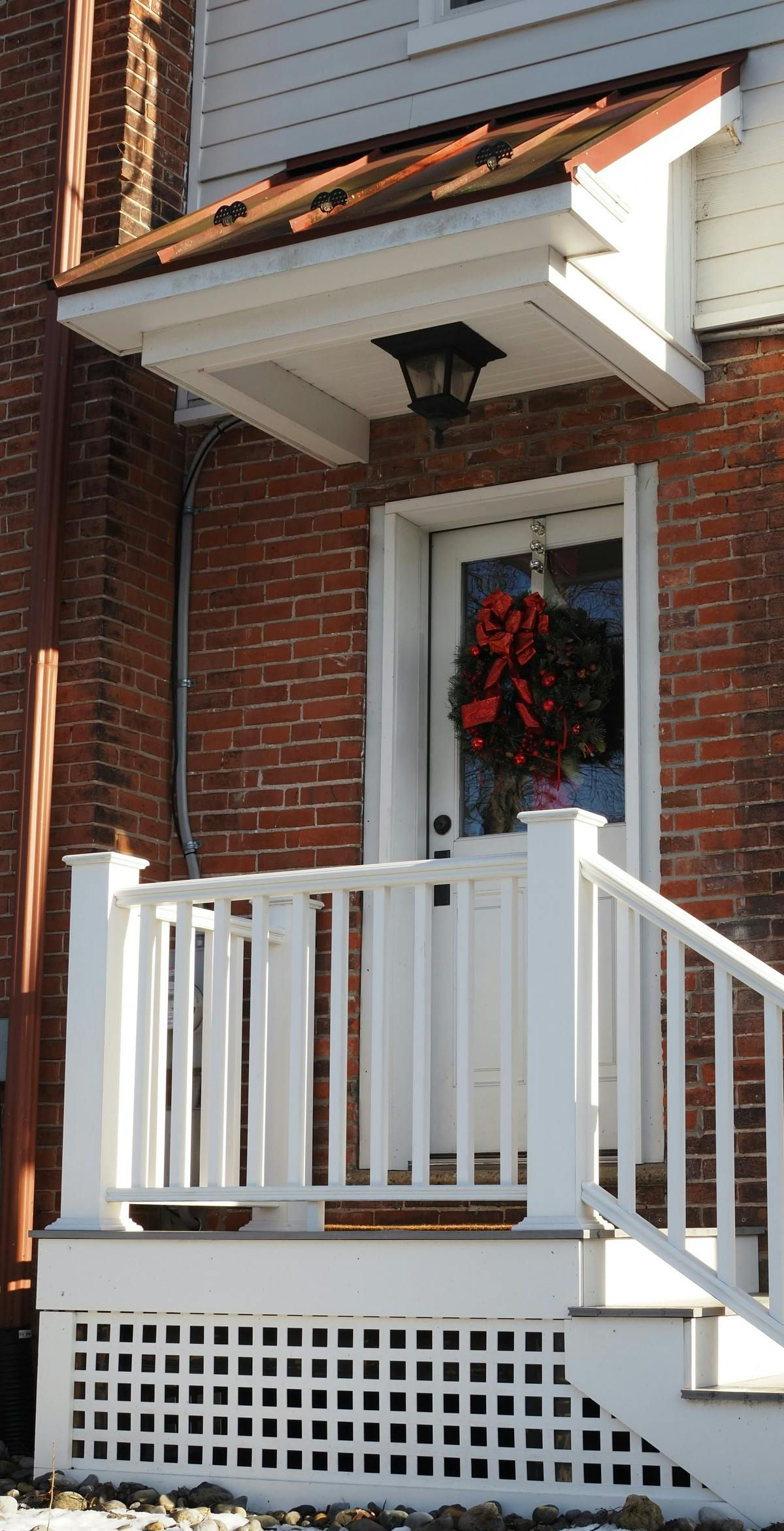
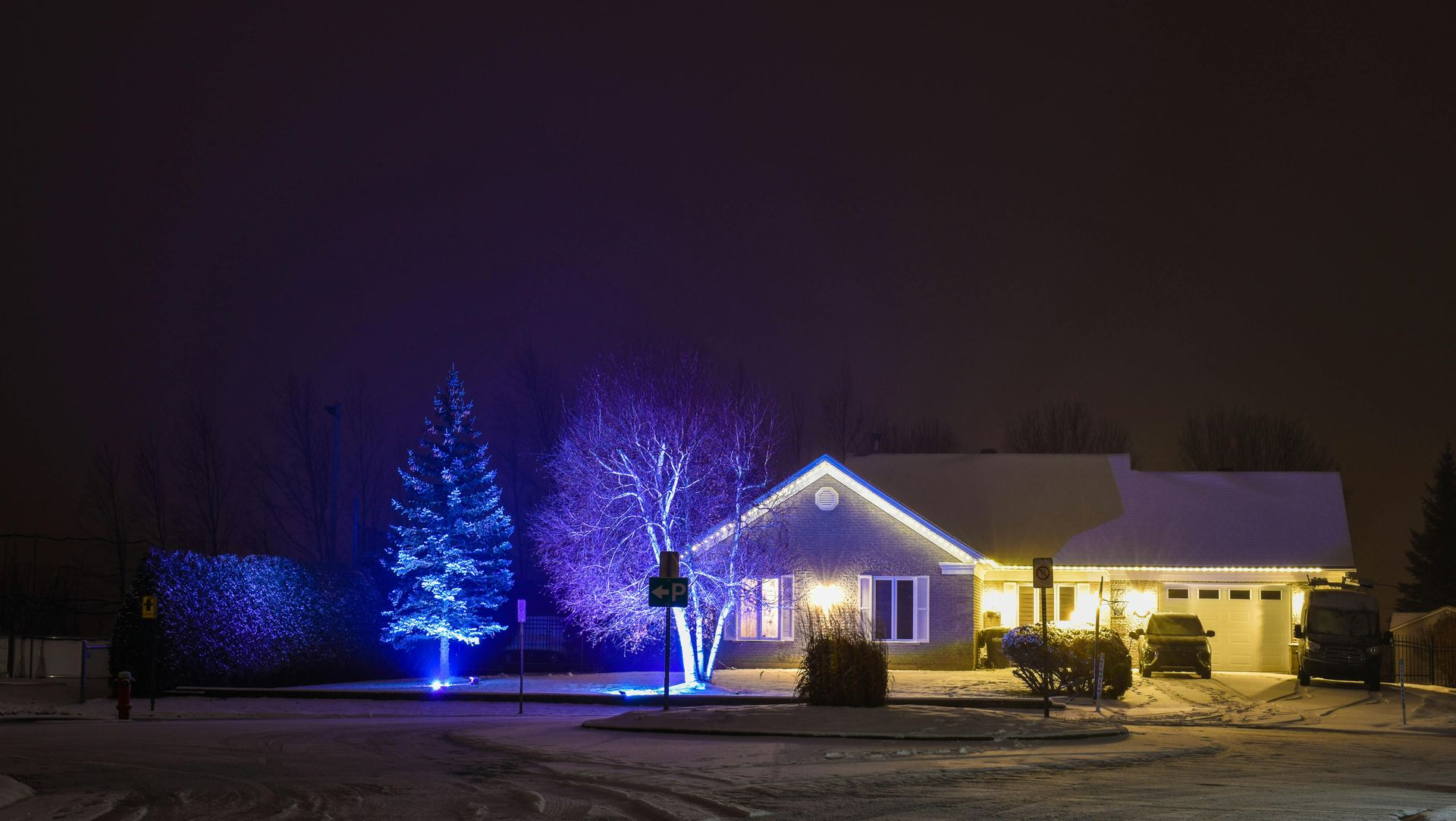
The Christmas season is a time when homes take center stage. Families gather, guests visit, and curb appeal becomes more noticeable than at any other time of year. While many homeowners focus on interior decorations and holiday lighting, the exterior of the home plays a major role in creating a welcoming first impression. At Rite-Wash, we believe the holiday season is an ideal opportunity to refresh exterior surfaces and restore the clean, well cared for look that makes a home stand out.
Curb Appeal Matters During the Holidays
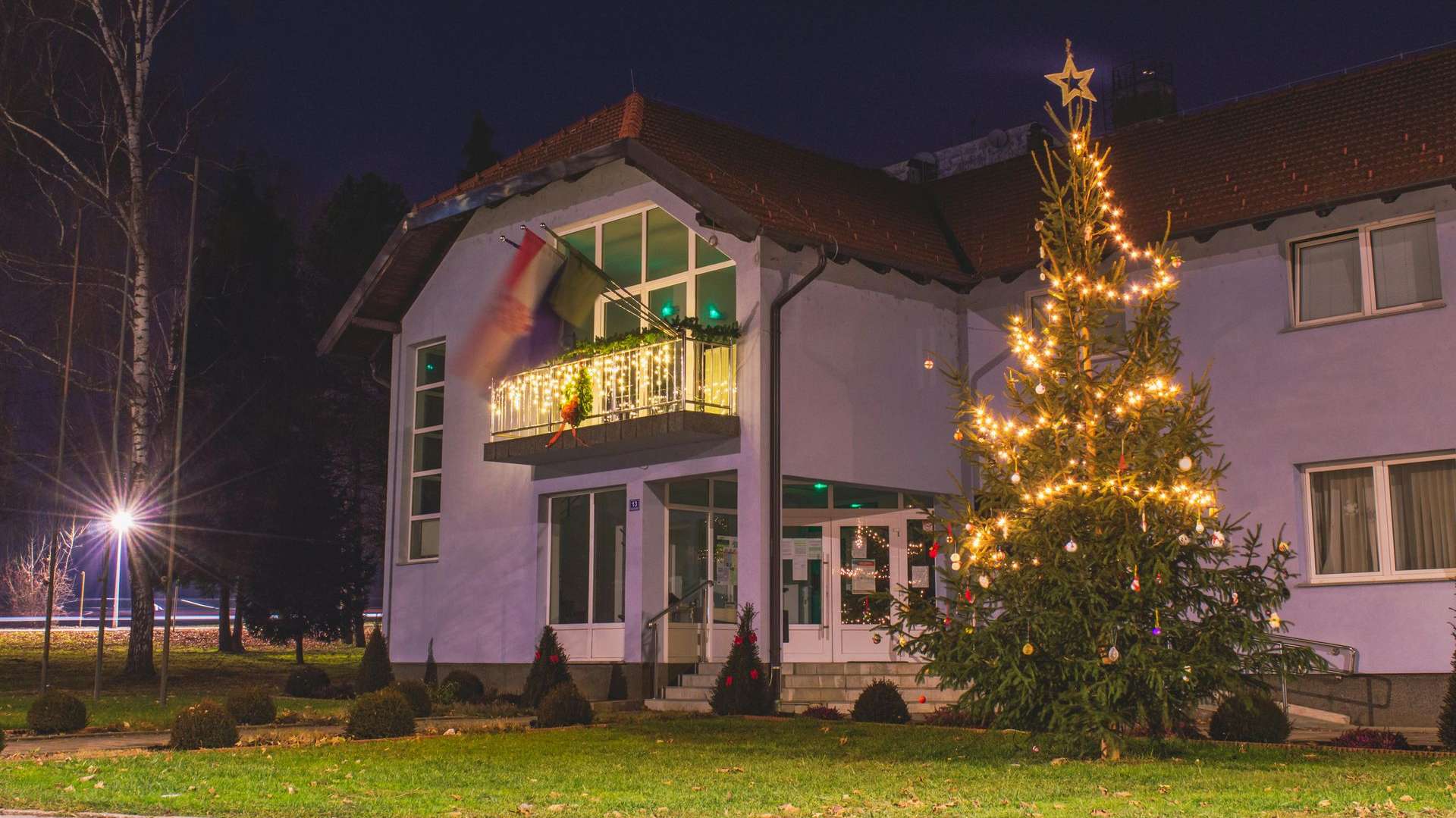
The holidays bring more visitors than usual. Friends, family members, and neighbors often see a home for the first time in months. A clean exterior sets the tone before anyone steps inside. Driveways, walkways, siding, and roofs are among the first things people notice, even if they are not consciously aware of it.
Over time, exterior surfaces collect dirt, algae, mildew, and staining. These elements can
dull the appearance of a home and distract from seasonal decor. Exterior cleaning helps ensure that holiday decorations enhance the home rather than compete with buildup and discoloration.
How Winter Conditions Affect Exterior Surfaces
In the Hampton Roads region, winter weather often includes moisture, shade, and fluctuating temperatures. These conditions can accelerate organic growth on siding, concrete, and roofing. Algae and mildew thrive in damp environments and can spread quickly during cooler months.
Soft washing is an effective way to address these issues safely. Rather than relying on harsh pressure, soft washing uses specialized solutions to break down organic growth at the source. This approach restores surfaces while helping prevent rapid regrowth, making it especially beneficial during the holiday season.
Driveways and Walkways Set the Stage
Driveways and walkways see increased use during the holidays. Guests arrive and depart, packages are delivered, and foot traffic increases. Clean concrete not only looks better but also creates a safer and more inviting entryway.
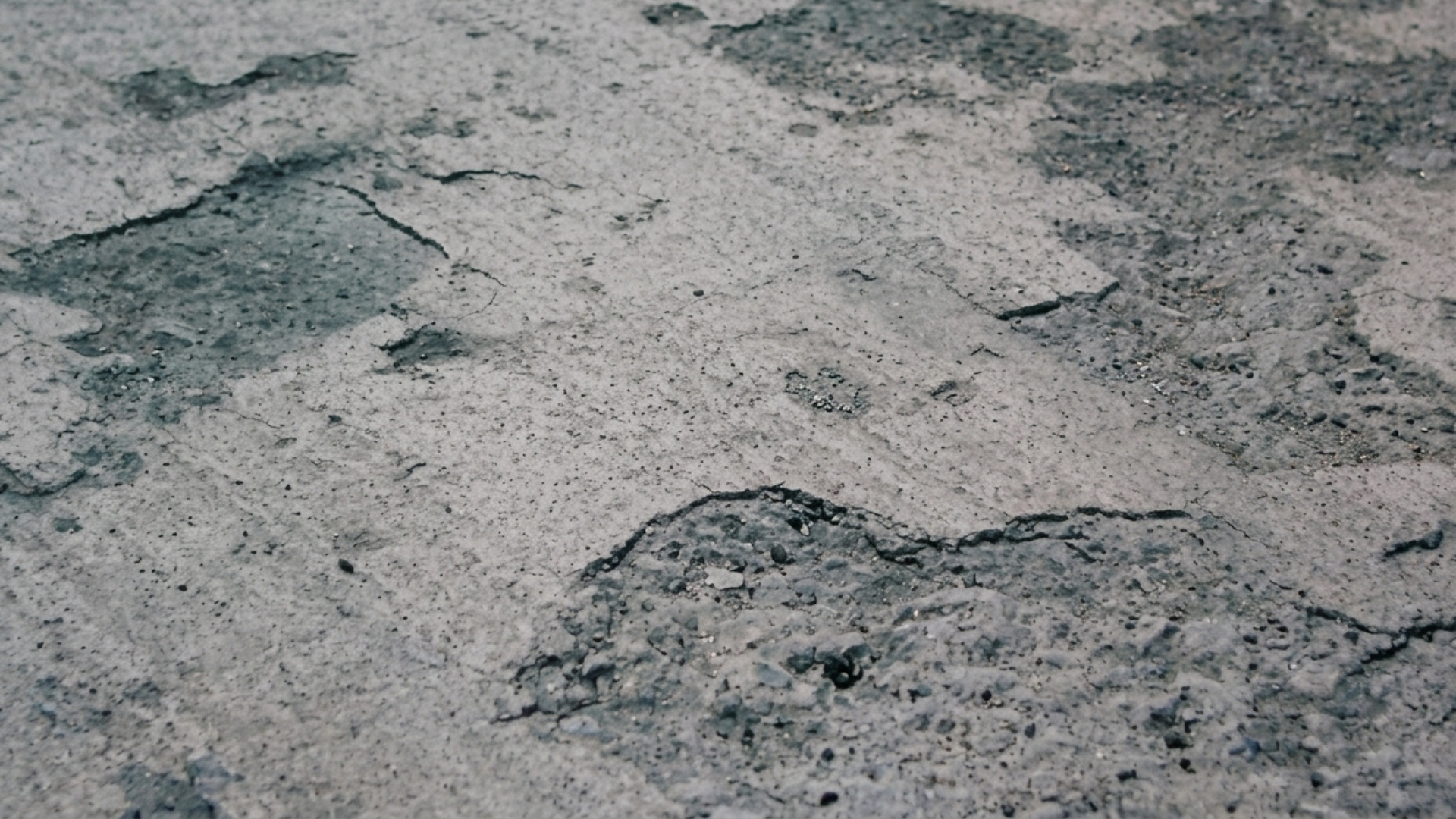
Concrete restoration and cleaning remove stains, organic buildup, and discoloration that can accumulate throughout the year. A refreshed driveway enhances the overall appearance of the property and complements holiday lighting and landscaping.
Roof and Siding Cleaning Improve Overall Appearance
While roofs and siding are not always the focus of holiday preparation, they play a significant role in how a home looks from the street. Dark streaks, green growth, and surface buildup can make a home appear older or less maintained than it truly is.
Roof washing and house soft washing restore color and uniformity to these surfaces. This improvement often surprises homeowners, as the difference is immediately noticeable. During the holiday season, this renewed appearance helps homes look brighter and more welcoming.
Preparing for Guests and Gatherings
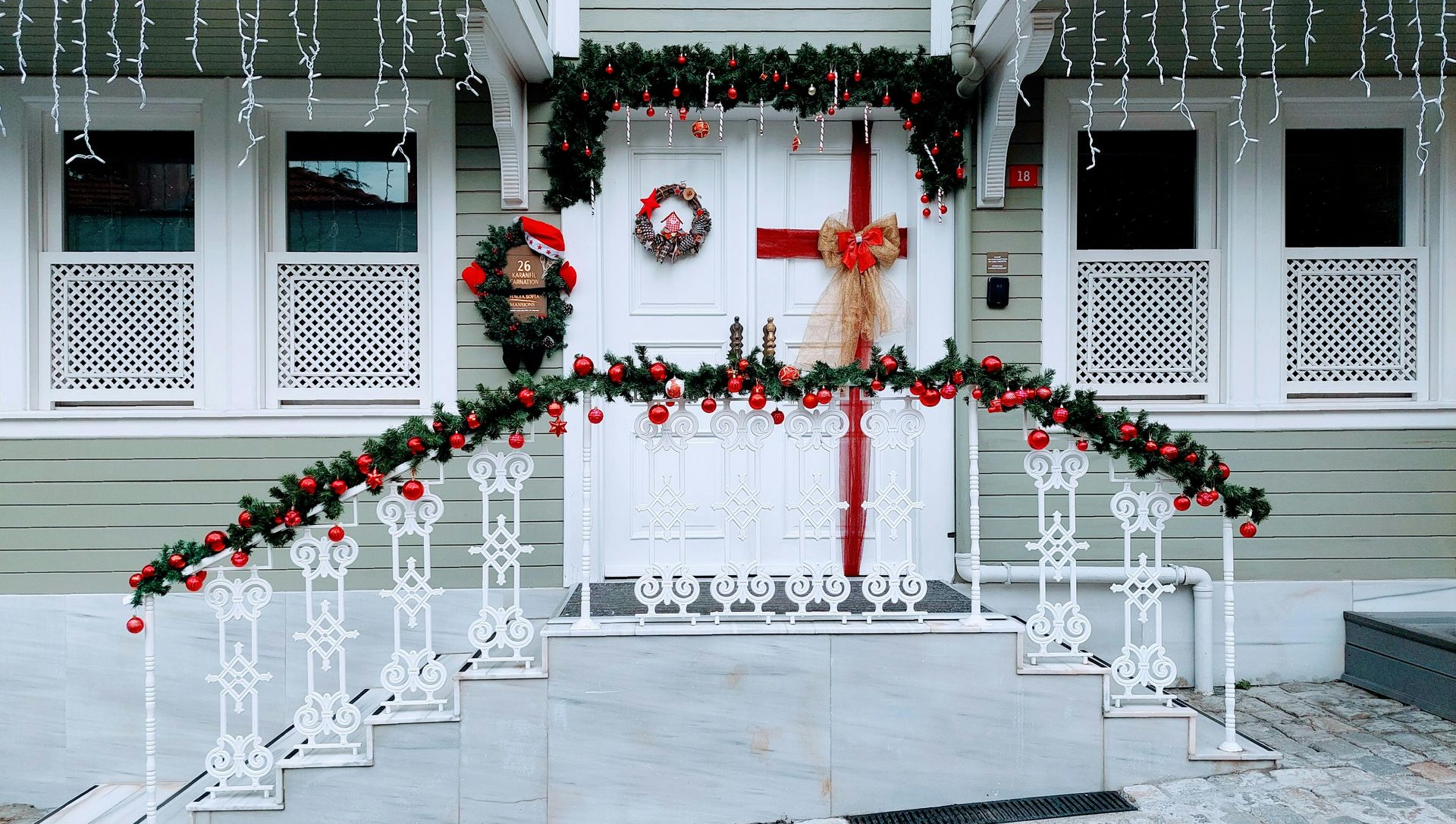
The holidays are about hospitality. Preparing the exterior of the home shows care and attention for those who visit. Just as homeowners clean and decorate interior spaces, addressing exterior cleanliness completes the preparation.
Exterior cleaning also helps protect surfaces by removing contaminants that can contribute to long term wear. While the immediate benefit is visual, the long term benefit is preserving the condition of the home.
A Fresh Start Before the New Year
The Christmas season often prompts reflection and planning for the year ahead. Exterior cleaning fits naturally into this mindset. Refreshing exterior surfaces before the new year allows homeowners to start January with a clean slate and reduced maintenance concerns.
Instead of waiting for spring, addressing exterior buildup now can help prevent issues from worsening over winter months. It is a practical step that supports both appearance and upkeep.
Making the Holidays Shine a Little Brighter
At Rite-Wash, we view exterior cleaning as an essential part of holiday preparation. Clean surfaces highlight decorations, improve curb appeal, and create a welcoming environment for guests. The holidays are about warmth and connection, and a well maintained exterior helps set that tone.
This Christmas season, refreshing your home’s exterior is a simple way to enhance its appearance and enter the new year with confidence.