The Hidden Impact of Algae and Mildew on Coastal Virginia Homes
Living in Coastal Virginia offers many benefits, from historic neighborhoods to proximity to the water. However, the same climate that makes this region appealing also creates ideal conditions for
algae and mildew growth on residential properties. Homeowners in Williamsburg and the surrounding Hampton Roads area often underestimate how quickly these organisms can affect exterior surfaces. Understanding their impact is essential for protecting both appearance and structural integrity.
Why Coastal Virginia Homes Are Especially Vulnerable
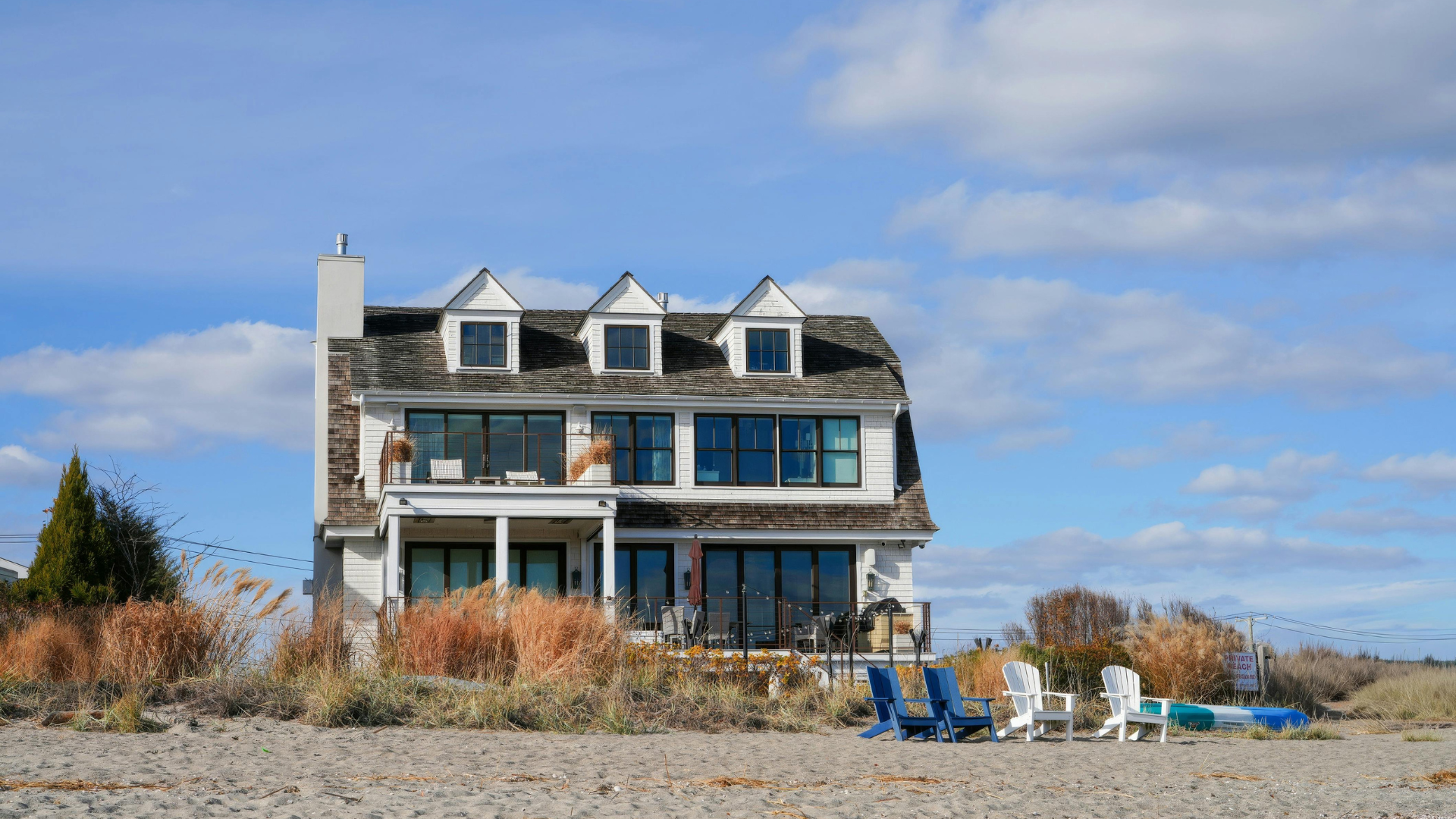
Coastal Virginia experiences high humidity, frequent rainfall, and mild winters. These conditions allow moisture to linger on exterior surfaces for extended periods. Algae and mildew thrive in damp environments, particularly on shaded areas of siding, roofing, and concrete.
Homes surrounded by trees or located near waterways are especially susceptible. Limited sunlight combined with persistent moisture creates an environment where organic growth can spread rapidly. Once established, algae and mildew do not simply remain on the surface, they continue to grow and penetrate porous materials.
The Visual Impact on Your Home
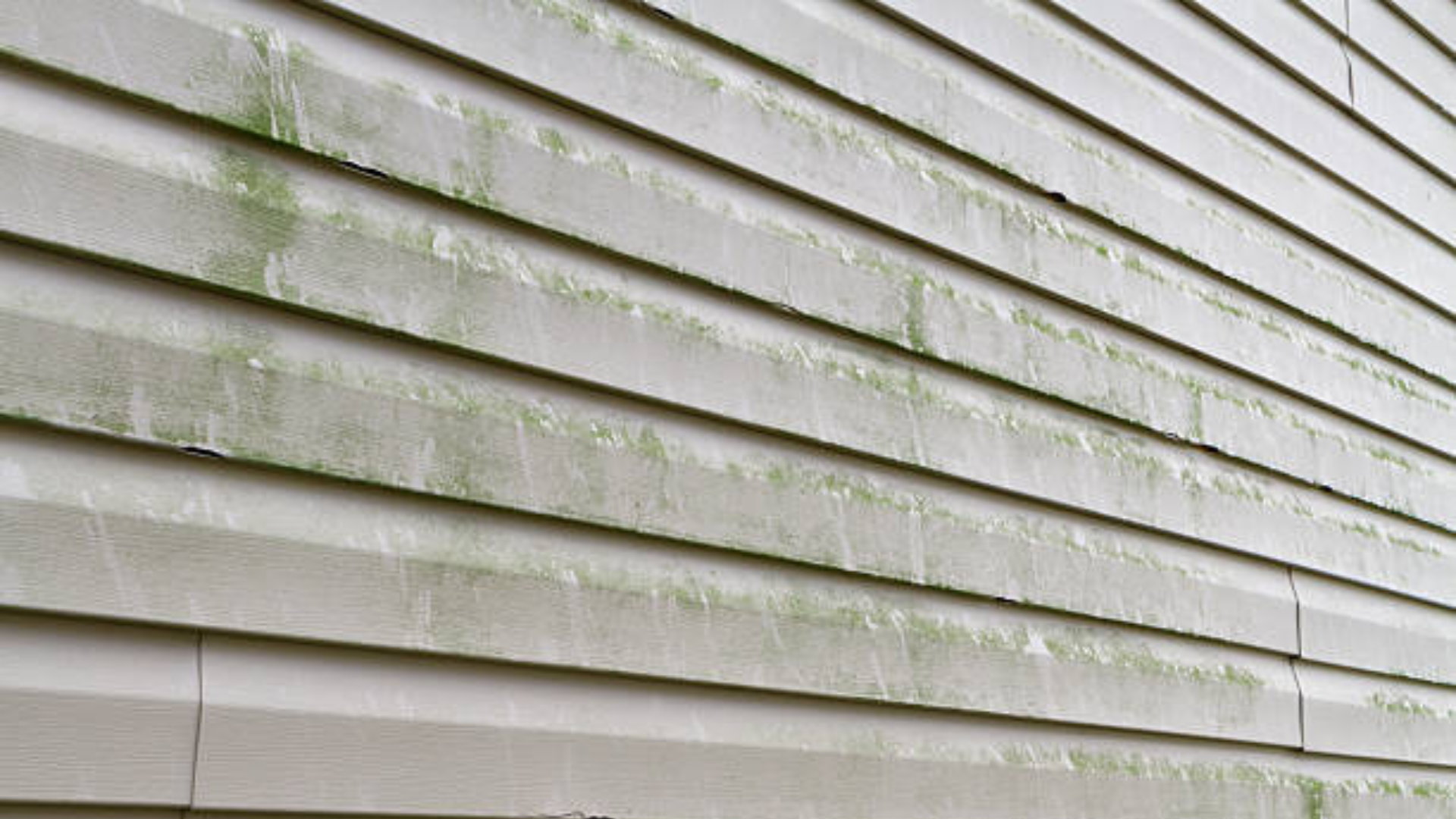
One of the most noticeable effects of algae and mildew is discoloration. Green, black, or dark streaks can appear on siding, roofs, and driveways. These stains often make a home look older and less maintained than it actually is.
Curb appeal matters, whether a homeowner plans to sell or simply wants their property to reflect pride of ownership. Organic buildup can detract from landscaping, exterior paint, and architectural details. Holiday decorations and outdoor features may lose their impact when placed against stained surfaces.
Structural Concerns Beneath the Surface
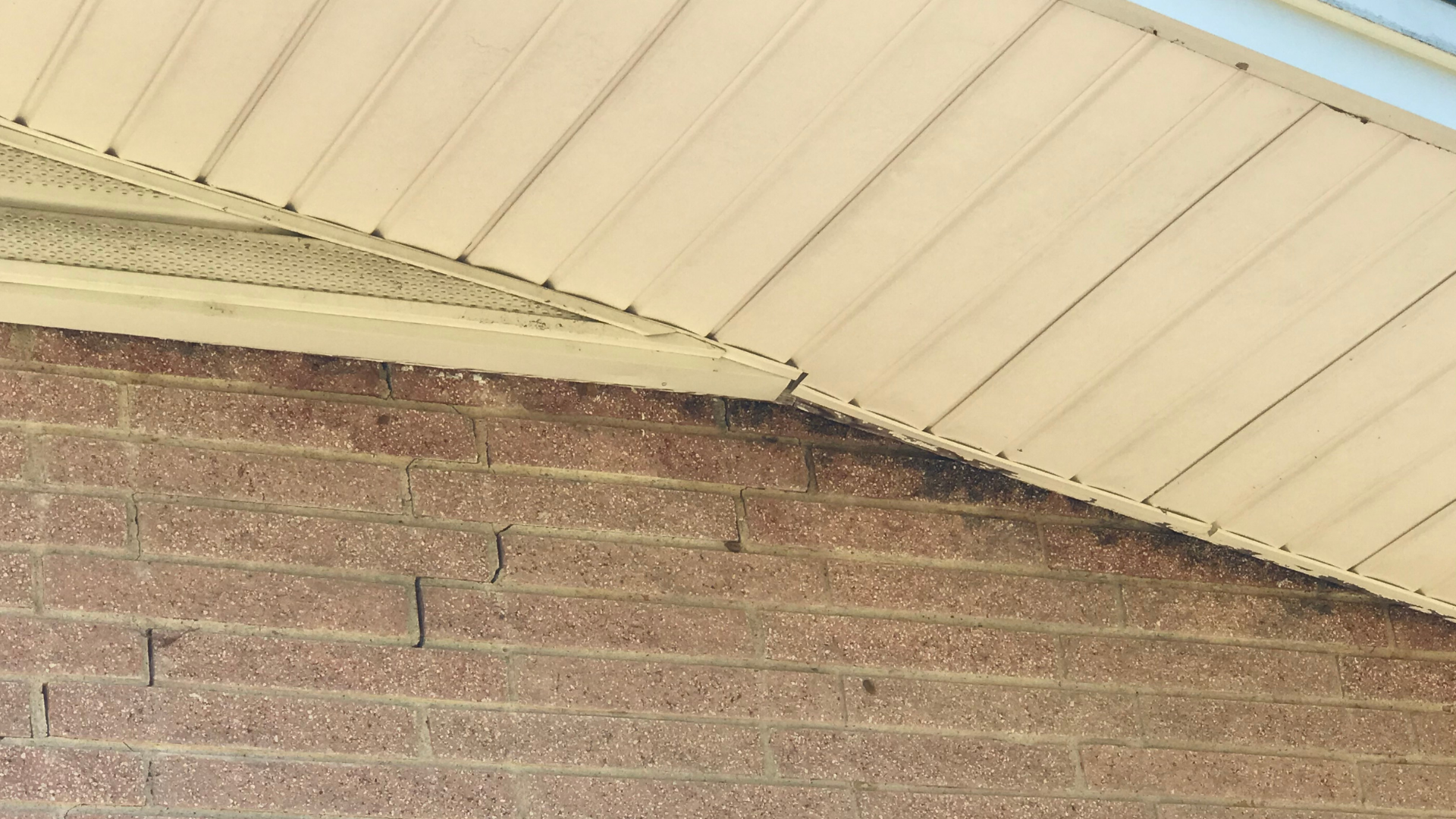
Beyond appearance, algae and mildew can contribute to long term damage. These organisms retain moisture against surfaces, which can accelerate material deterioration. On roofs, algae can break down protective granules over time, potentially shortening the lifespan of shingles.
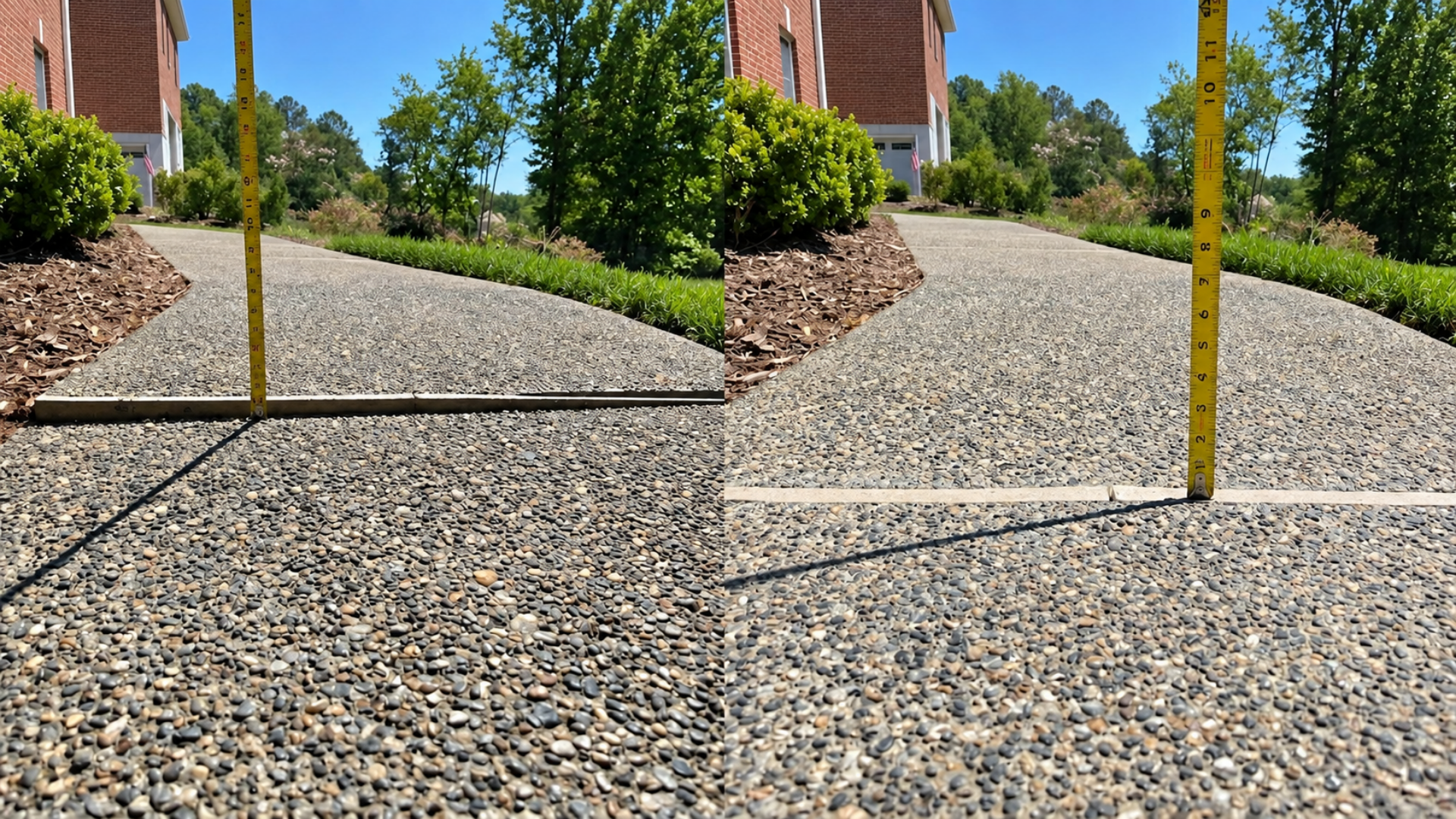
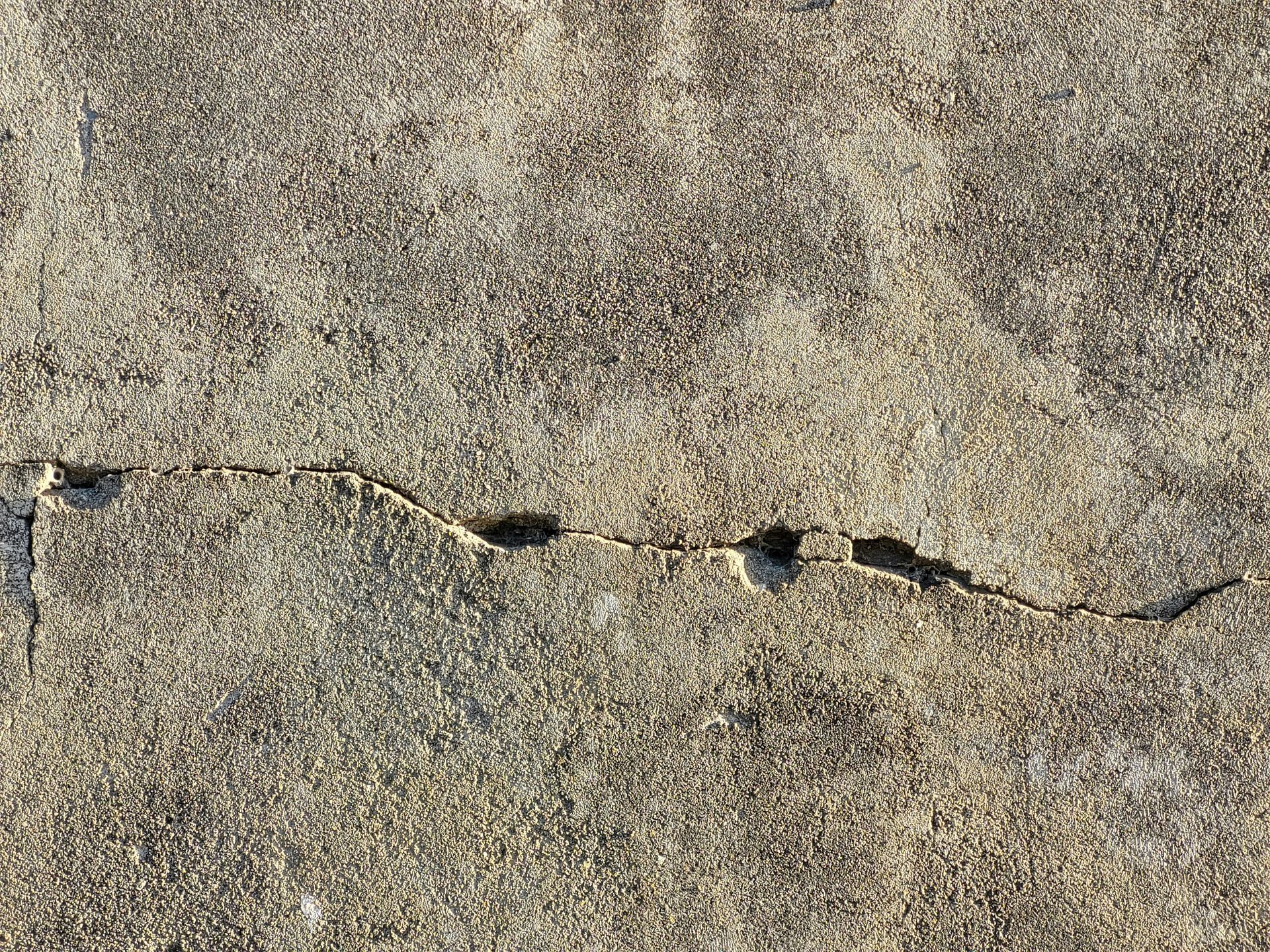
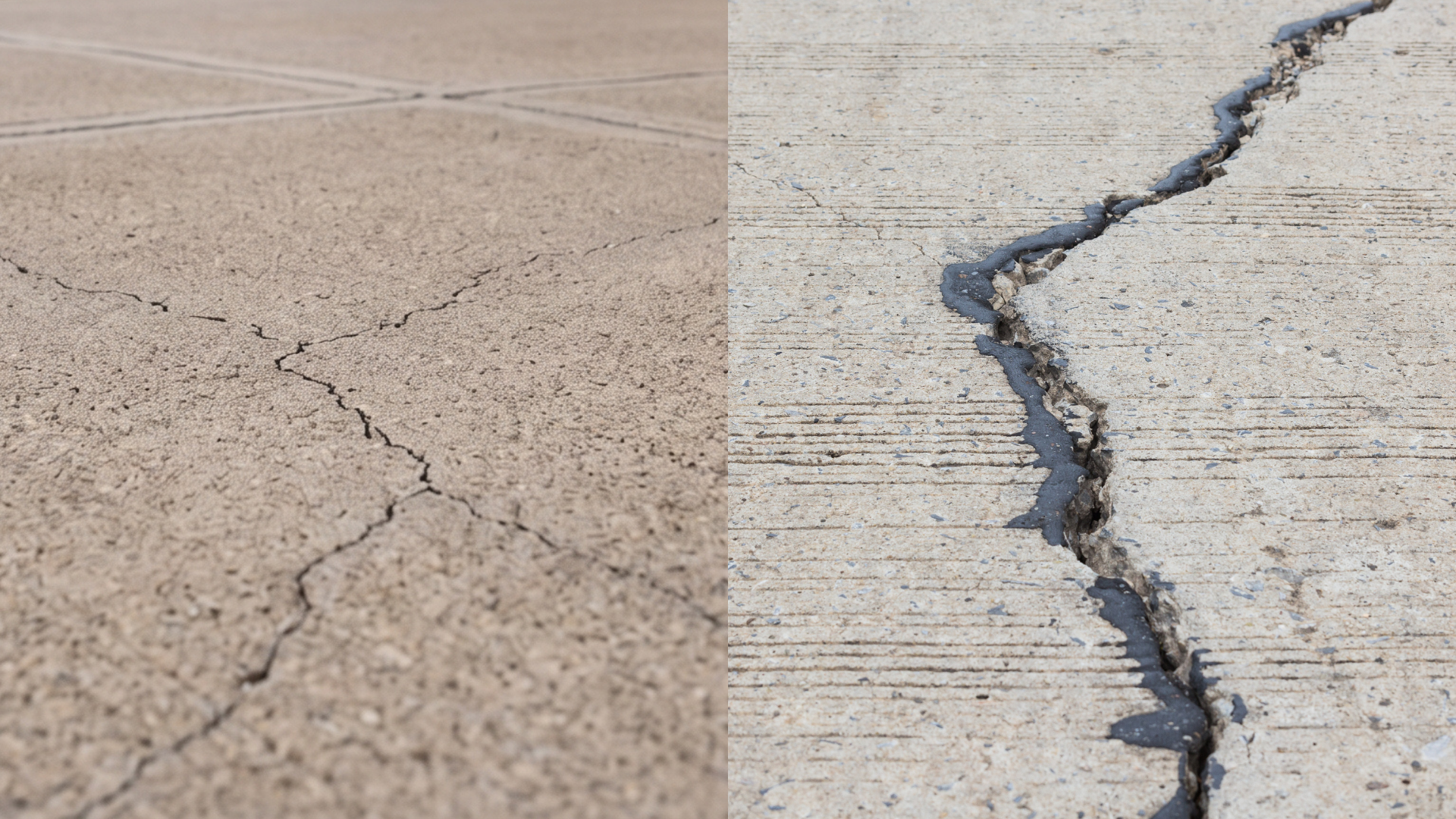
Concrete surfaces such as driveways and walkways are also affected. Mildew and algae can penetrate pores in the concrete, leading to staining that becomes increasingly difficult to remove. In addition, slick surfaces created by organic growth can pose safety risks for residents and visitors.
Health and Environmental Considerations
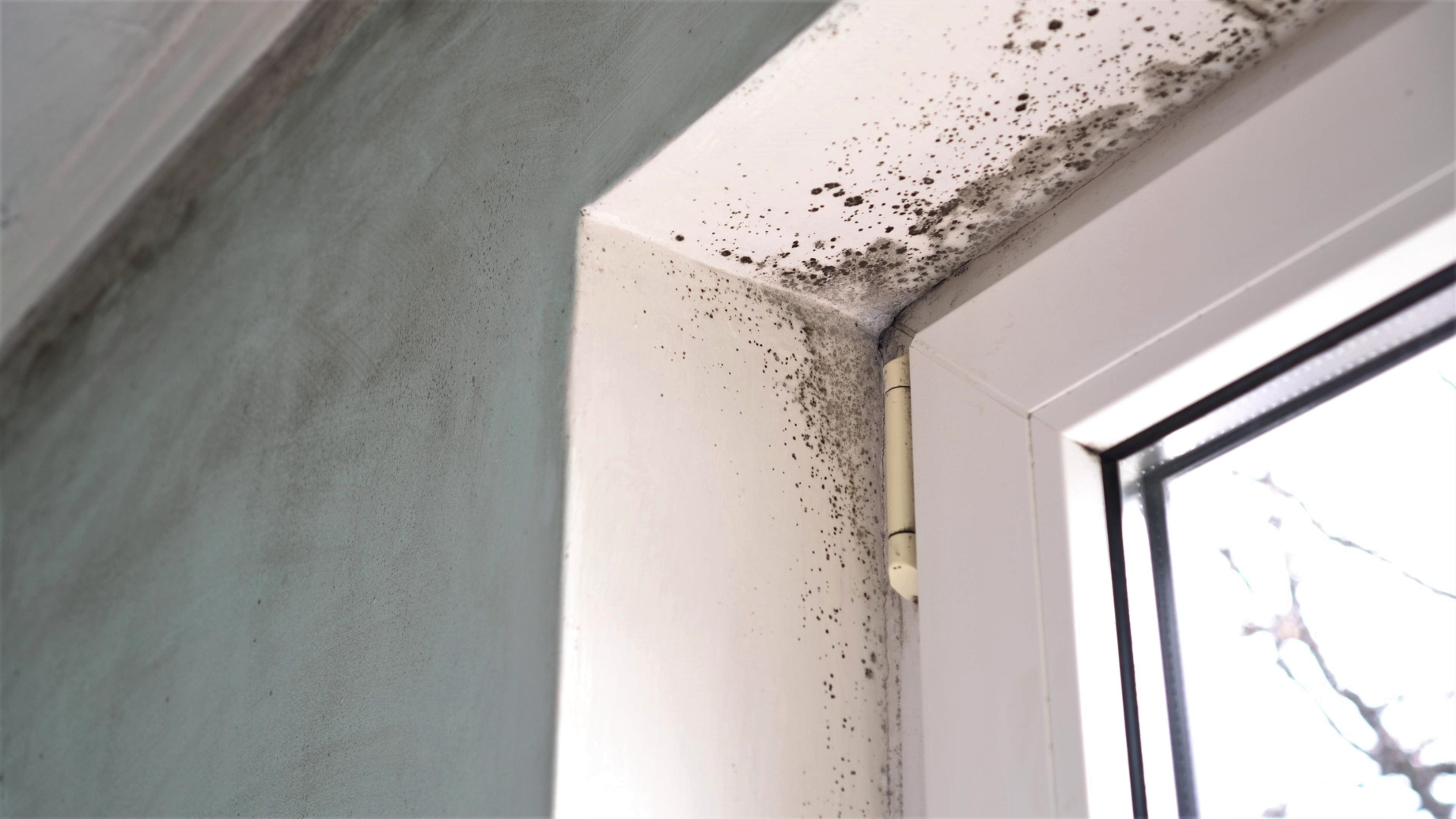
While algae and mildew are primarily exterior issues, they can still affect overall home health. Mold spores and organic particles may become airborne and enter indoor spaces through windows, doors, or ventilation systems. This can contribute to poor air quality, particularly for individuals sensitive to allergens.
Addressing exterior growth helps reduce the presence of these contaminants around the home. Preventive cleaning supports a healthier living environment overall.
Why Traditional Pressure Washing Is Not Always the Answer
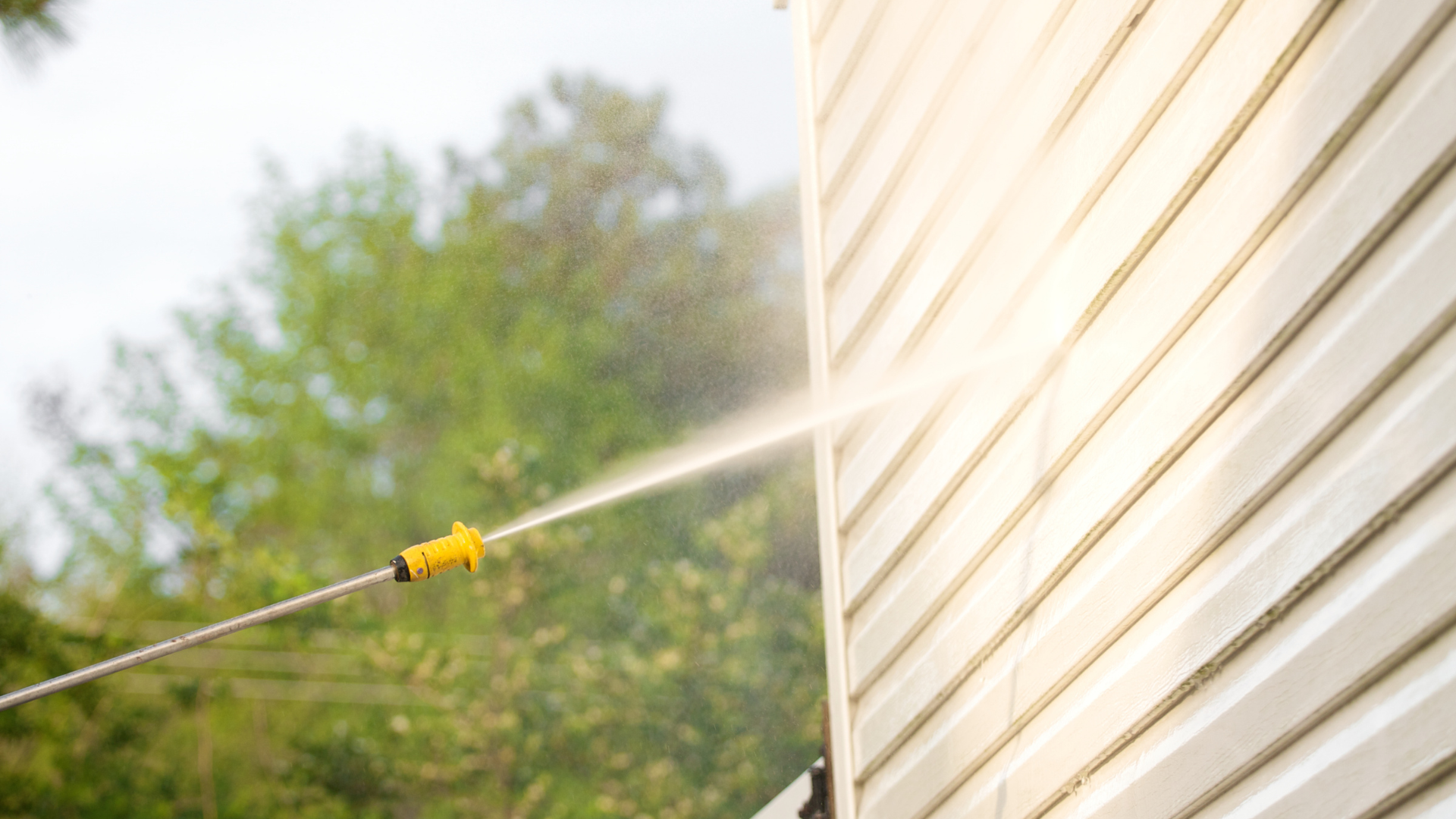
Many homeowners assume high pressure washing is the best solution. In reality, excessive pressure can damage siding, roofing materials, and concrete surfaces. It may remove surface growth temporarily while failing to address the root cause.
Soft washing is a safer and more effective approach for Coastal Virginia homes. This method uses specialized solutions to treat algae and mildew at the source, allowing growth to be removed and inhibited without harming surfaces. It is especially well suited for siding, roofs, and delicate exterior materials.
The Value of Routine Exterior Cleaning
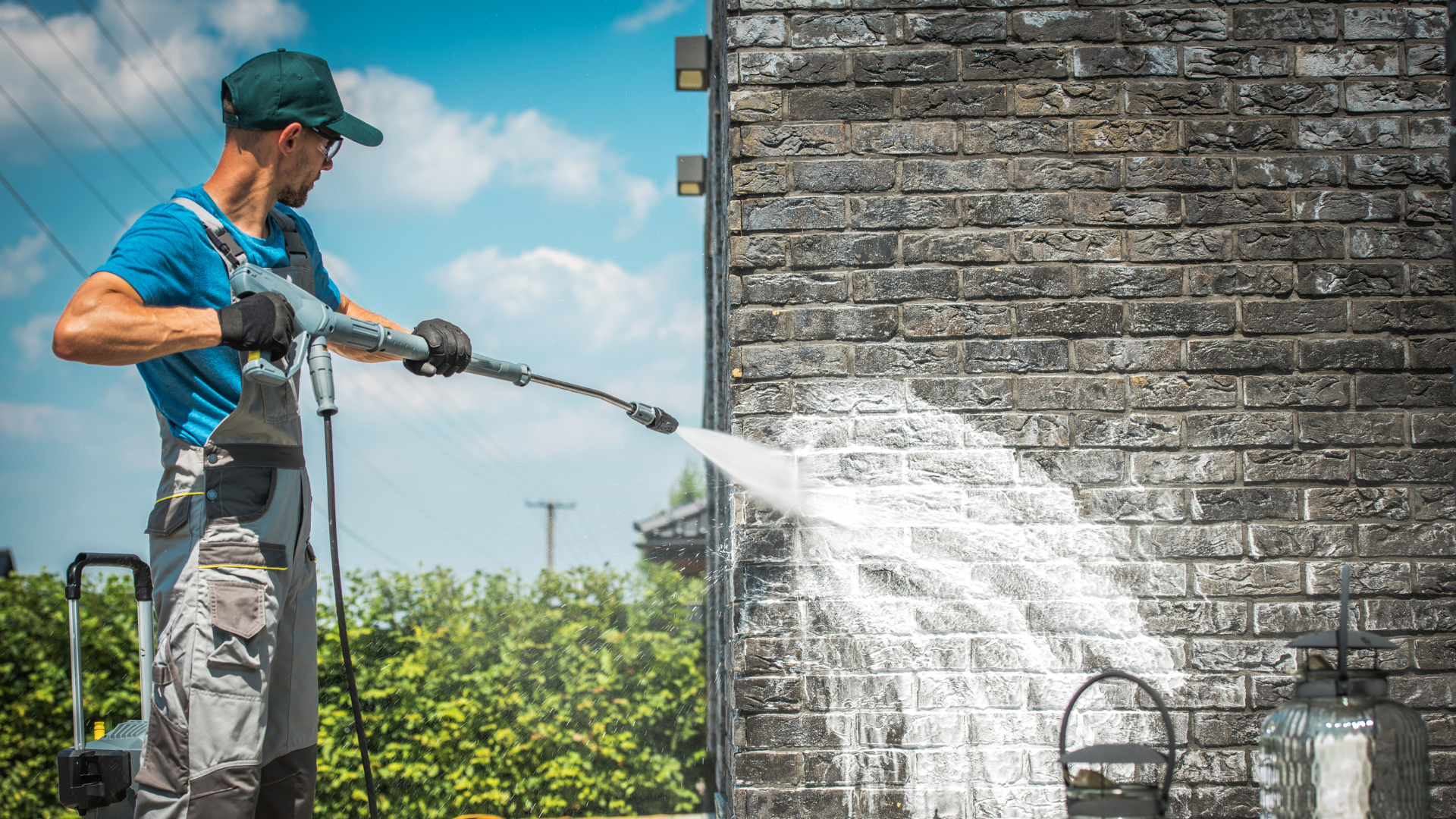
Regular exterior cleaning helps prevent algae and mildew from becoming established. Instead of waiting until staining is severe, proactive maintenance keeps surfaces cleaner for longer periods. This approach reduces the need for aggressive cleaning methods and supports long term surface preservation.
In a climate like Williamsburg’s, routine cleaning is not just cosmetic. It is a practical step toward protecting a home from avoidable wear.
Protecting Your Home in a Coastal Climate
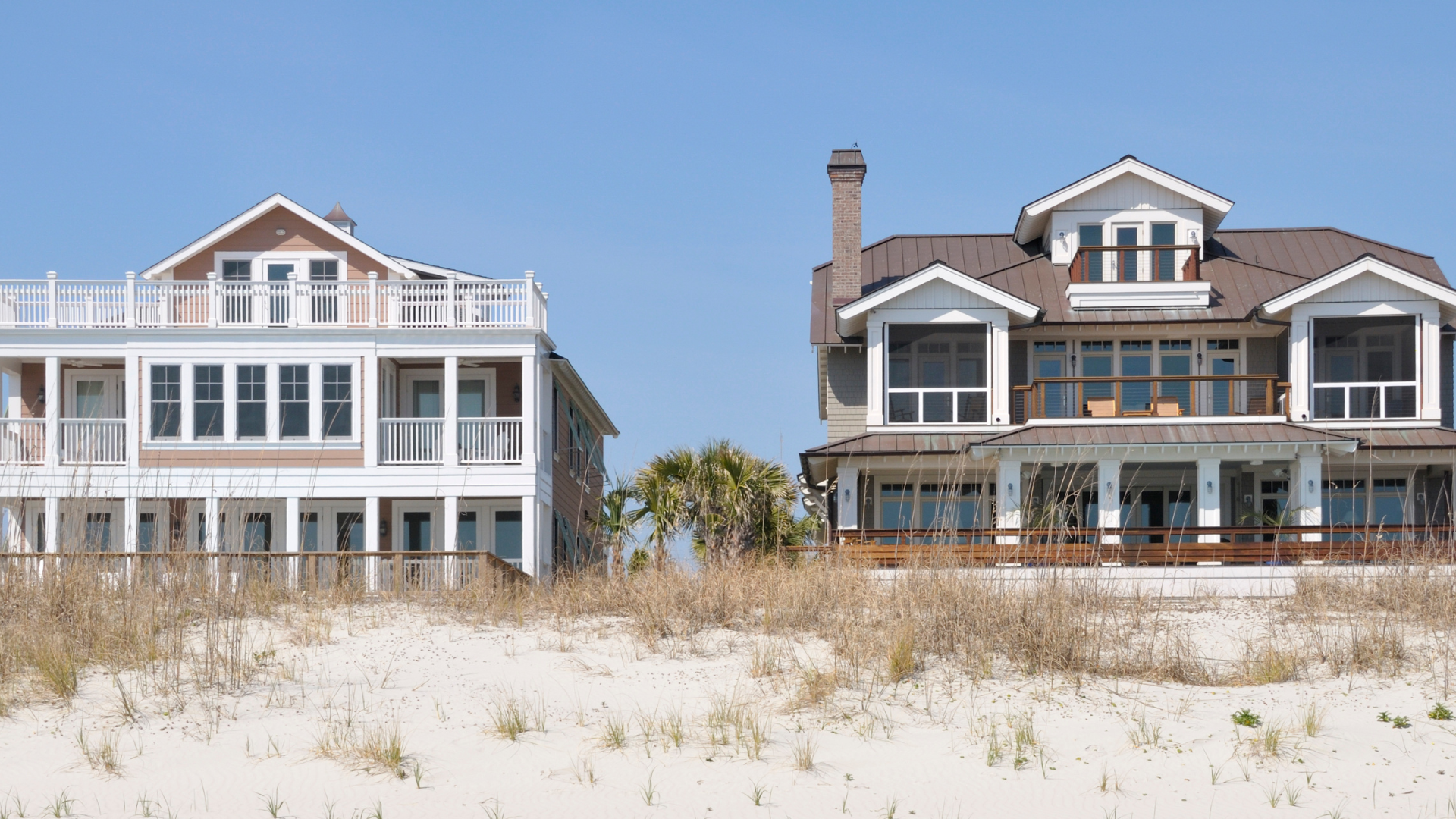
Coastal Virginia homeowners face unique challenges, but they also have effective solutions available. Addressing algae and mildew early helps maintain curb appeal, supports structural longevity, and contributes to a safer and healthier property.
At Rite-Wash, we help homeowners throughout Williamsburg and the Hampton Roads region manage the effects of algae and mildew through professional exterior cleaning and soft washing services. Understanding the hidden impact of organic growth is the first step toward keeping your home looking its best year after year.