Why Your Driveway Should Be Your Next Home Beautification Project
Boosting Curb Appeal Starts With a Clean Driveway
When homeowners think about improving the appearance of their property, attention often goes to landscaping, exterior paint, or front door upgrades. One area that is frequently overlooked is the driveway. Yet the driveway is one of the largest and most visible surfaces on any property. At Rite-Wash, we often remind homeowners that the driveway plays a major role in curb appeal and overall first impressions. Investing in driveway cleaning and concrete restoration can dramatically improve how a home looks and feels.
The Driveway Sets the Tone
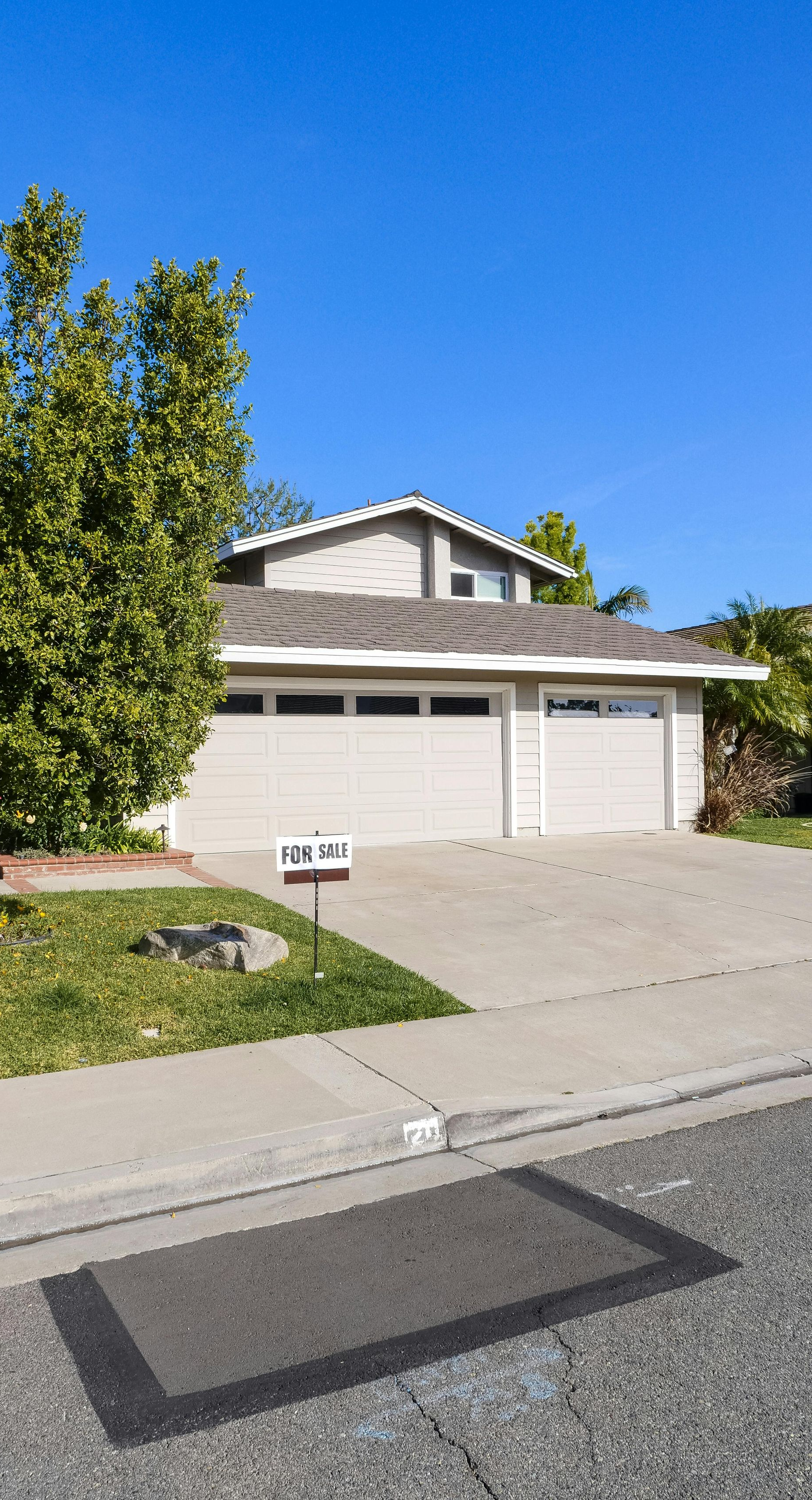
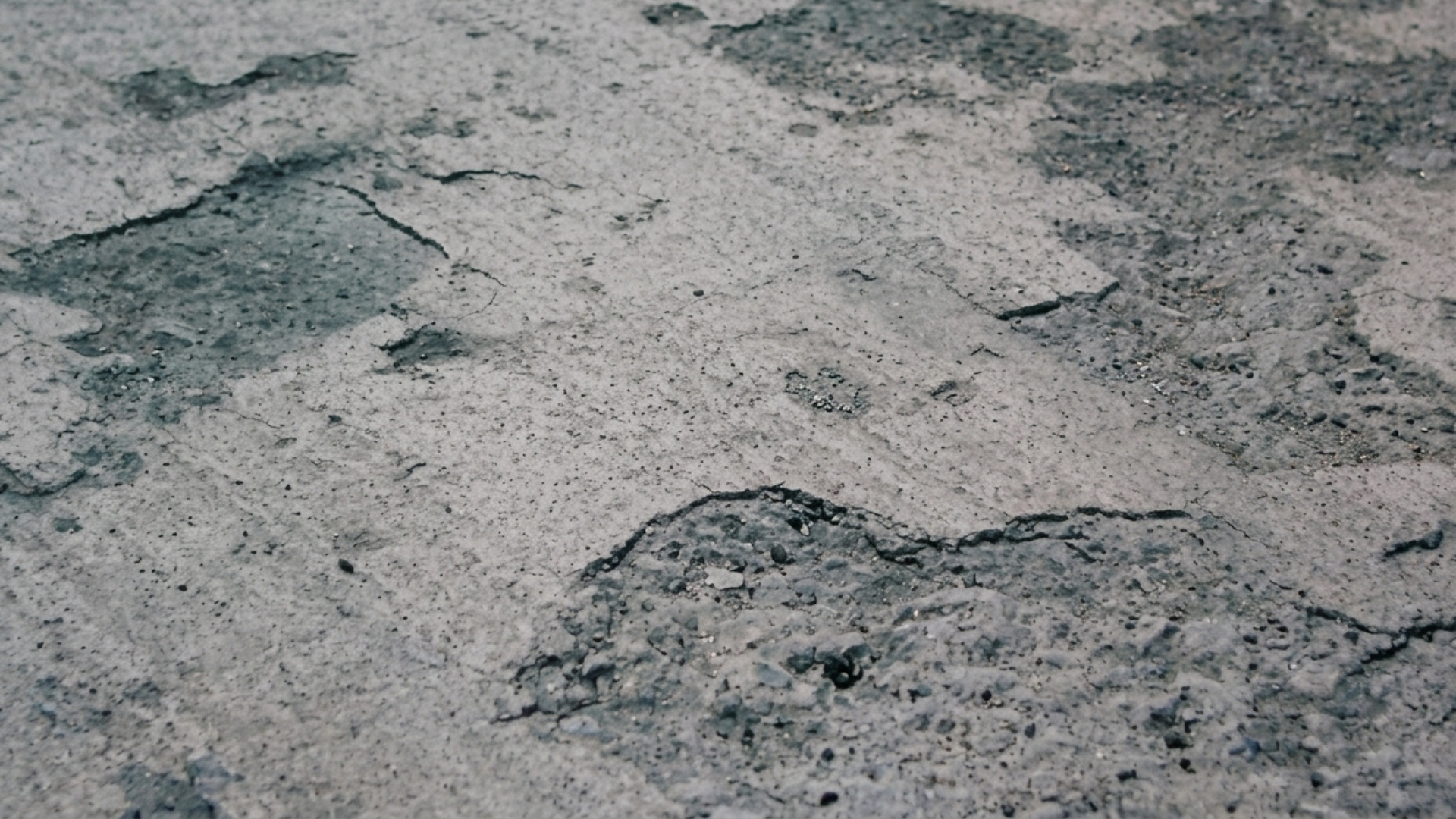
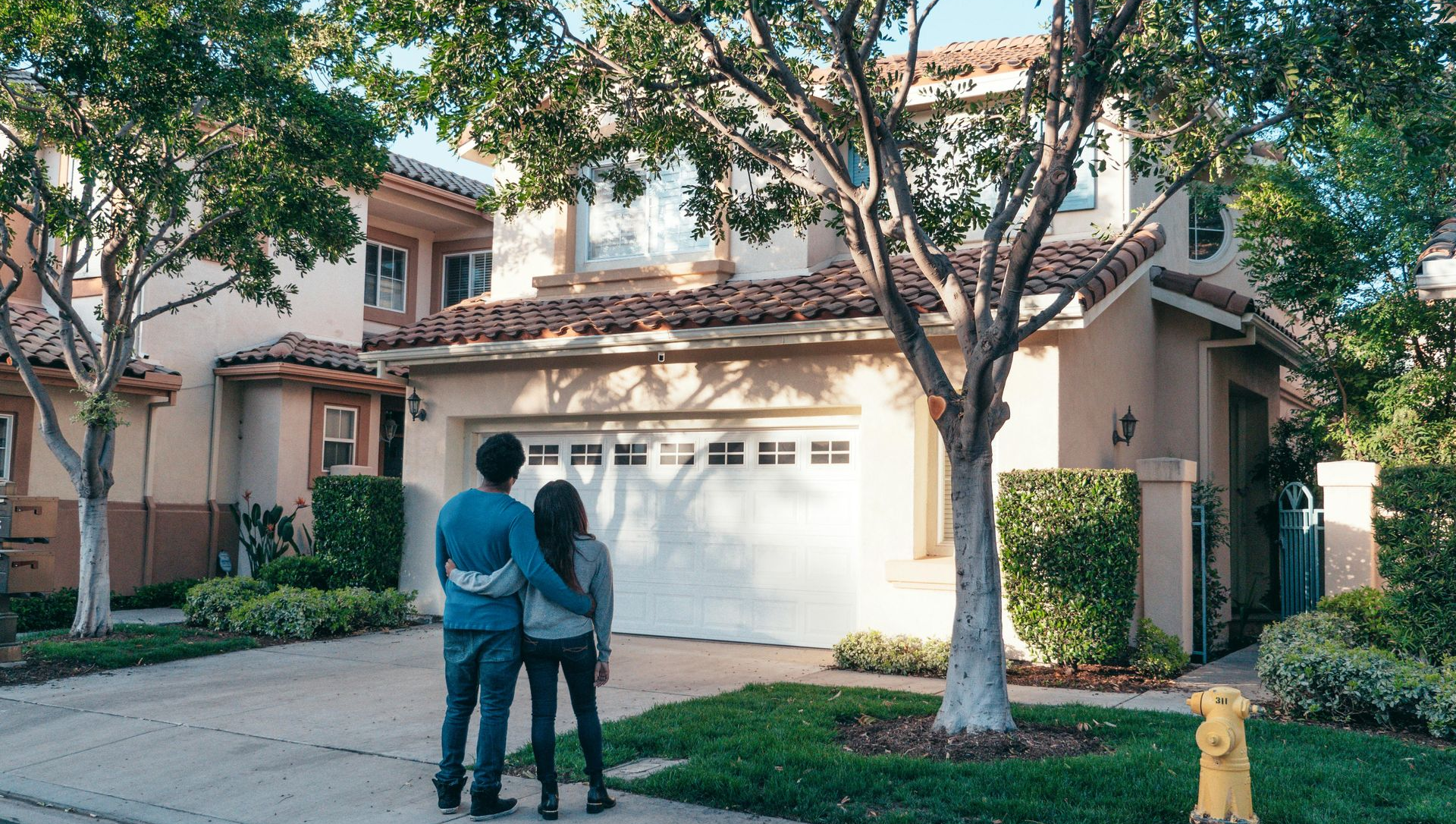
The driveway is usually the first surface people see when approaching a home. It frames the property and guides the eye toward the entrance. Over time, concrete driveways accumulate dirt, oil stains, tire marks, algae, mildew, and discoloration. Even a well maintained home can appear neglected if the driveway is stained or uneven in color.
A clean, restored driveway creates a sense of order and care. It signals that the home is well looked after and inviting. For many properties, restoring the driveway can have as much visual impact as a major exterior upgrade, often with less disruption.
How Concrete Changes Over Time
Concrete is durable, but it is also porous. This means it absorbs moisture and organic material. In the Hampton Roads area, humidity and seasonal weather conditions contribute to the growth of algae and mildew, especially in shaded areas. These issues not only affect appearance but can also make surfaces slippery and unsafe.
Without proper cleaning, stains and buildup become more difficult to remove. Regular driveway maintenance and restoration help prevent long term discoloration and surface deterioration.
The Role of Soft Washing
Soft washing is one of the most effective ways to improve the appearance of a driveway without causing damage. At Rite-Wash, we use professional soft wash techniques combined with appropriate surface cleaning to break down organic growth and lift stains safely.
Soft washing allows us to treat algae, mildew, and buildup at the source rather than simply rinsing the surface. This approach helps keep the driveway cleaner for longer and restores a more uniform, natural concrete appearance. When done correctly, it refreshes the driveway without the risk of surface etching or premature wear.
Concrete Restoration Makes a Visible Difference
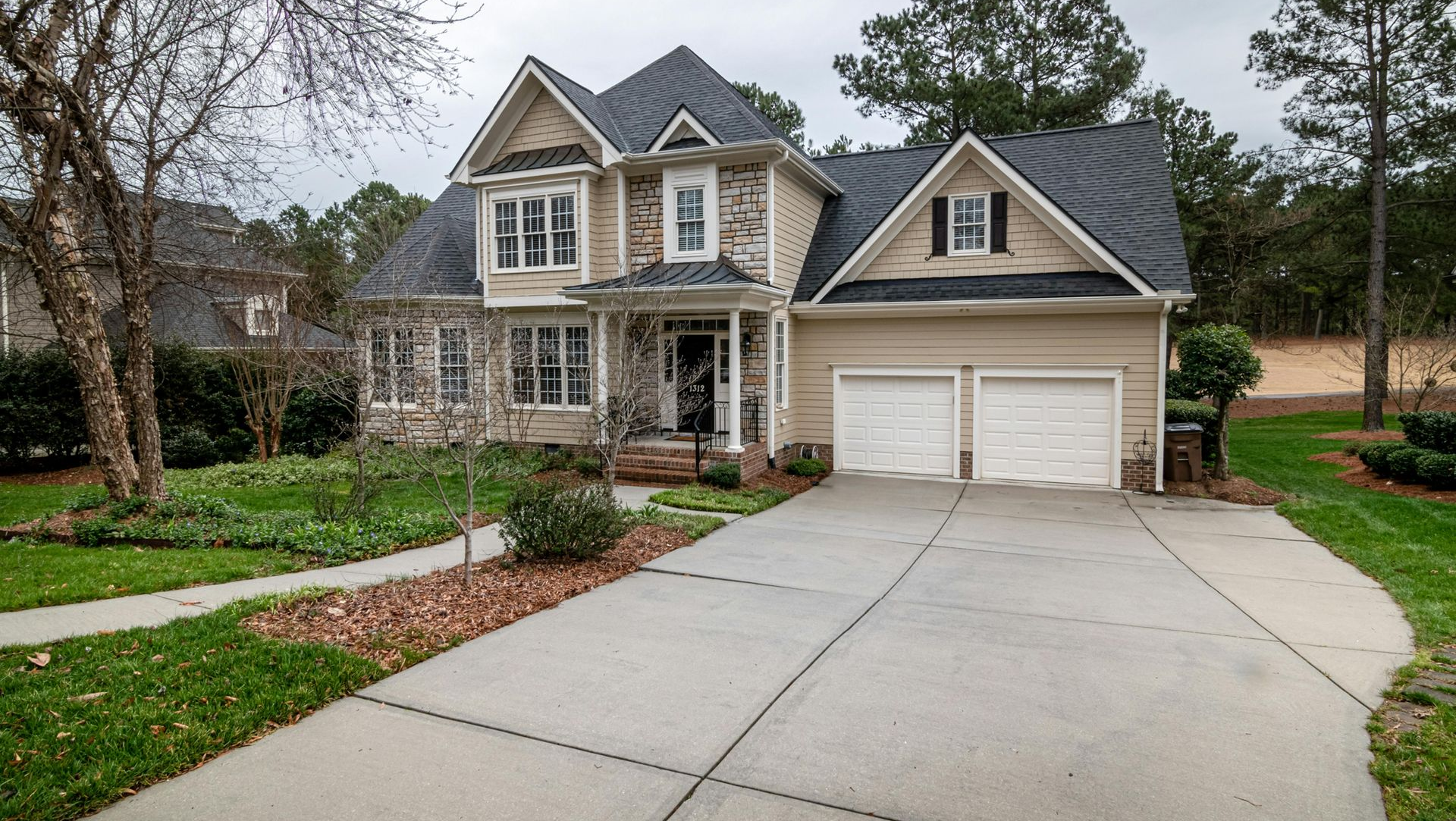
Concrete restoration goes beyond basic cleaning. It focuses on reviving the appearance of the surface and addressing problem areas that detract from curb appeal. This may include removing deep stains, replacing rotted wood expansion joints, repairing cracks in the driveway, and performing a deep cleaning to restore the driveway’s appearance.
A restored driveway often looks brighter, cleaner, and more cohesive with the rest of the home’s exterior. Homeowners are often surprised by how much lighter and newer their driveway looks after professional cleaning and restoration.
Curb Appeal That Adds Value
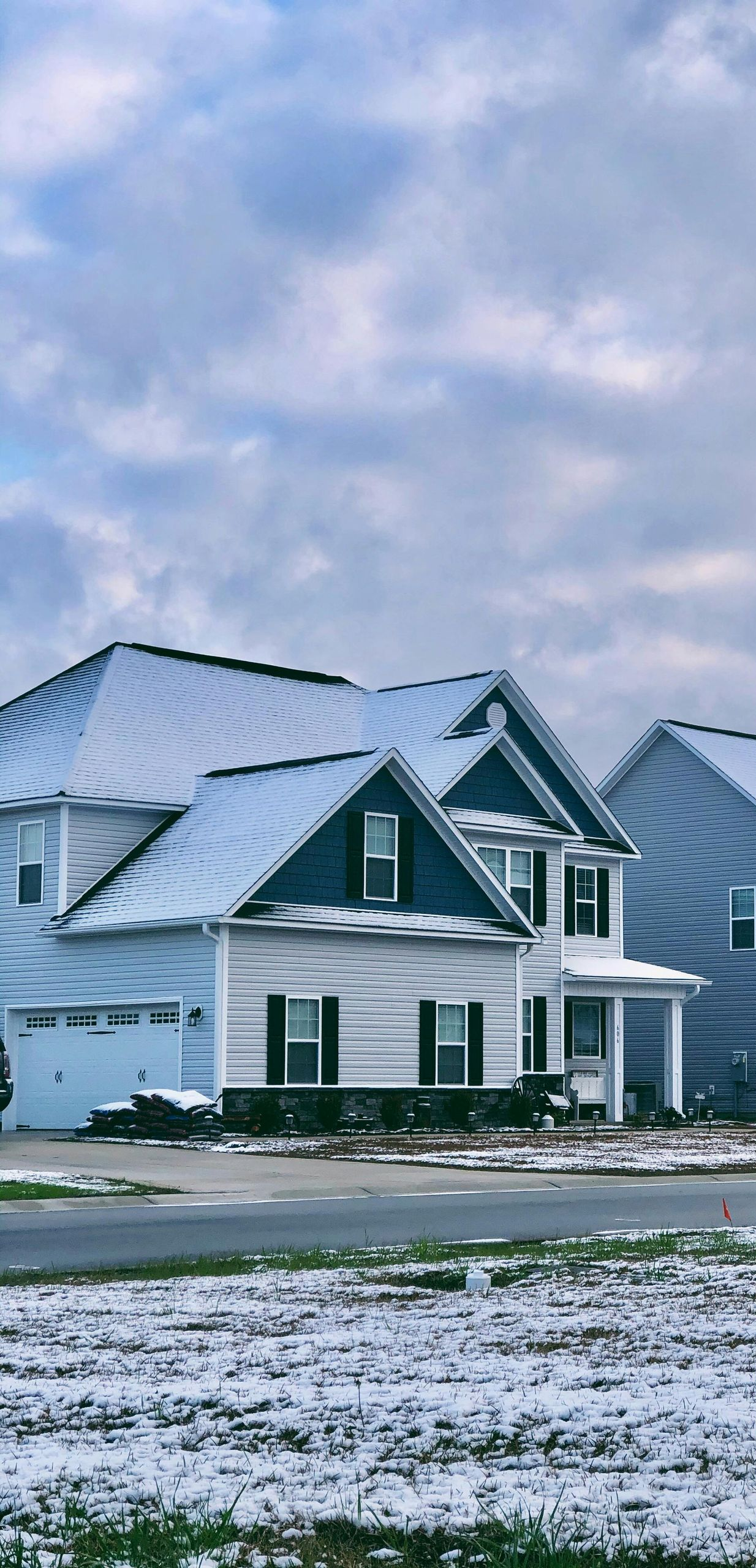
Curb appeal is about perception. A clean driveway enhances the visual flow of the property and complements other exterior features such as siding, walkways, and landscaping. For homeowners planning to sell, a restored driveway can improve listing photos and create a stronger first impression for potential buyers.
Even for those not selling, improving curb appeal adds pride of ownership. Pulling into a clean driveway changes how the home feels on a daily basis. It is a simple improvement that delivers immediate and lasting satisfaction.
A Practical Beautification Project
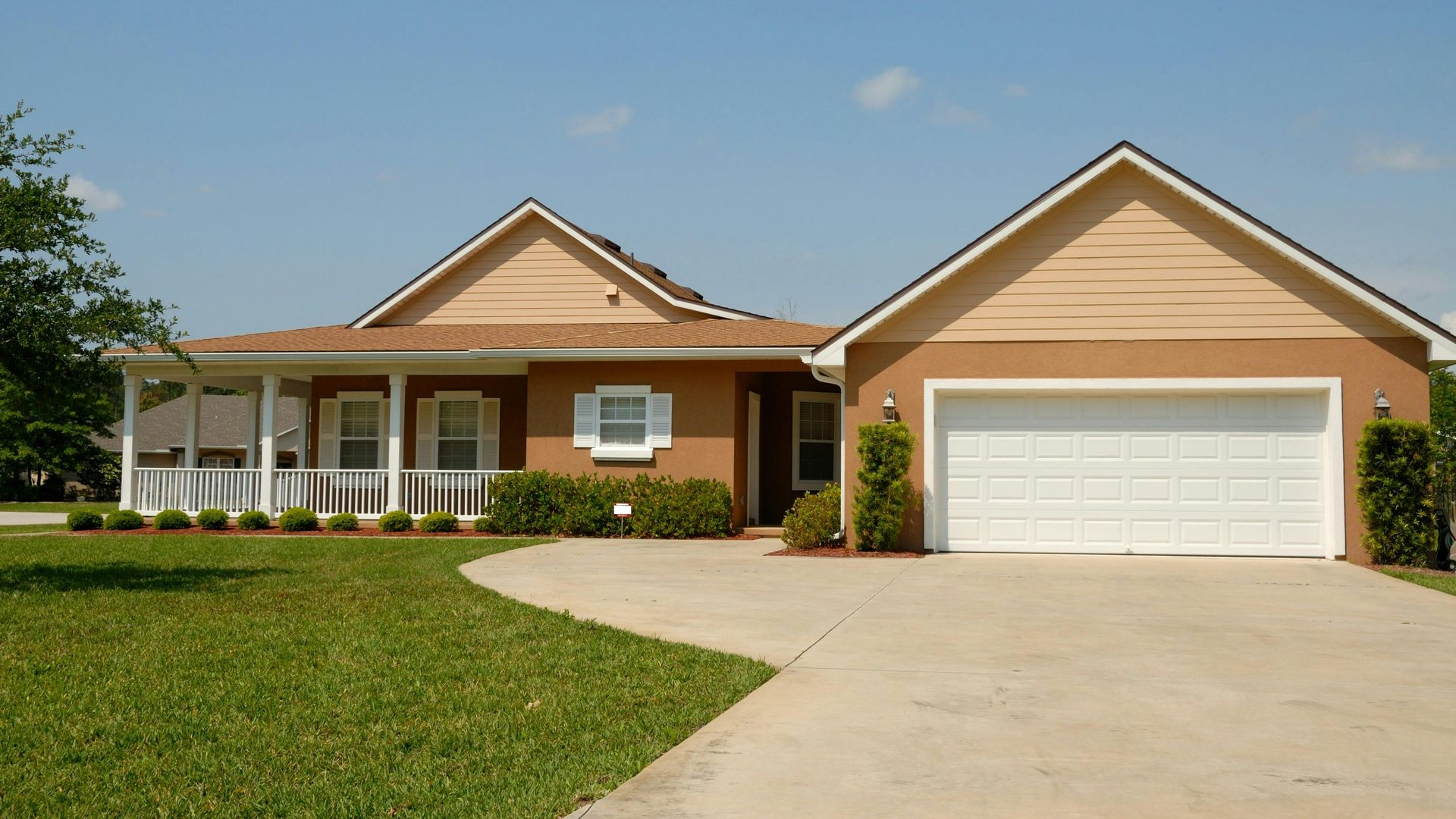
Driveway restoration is a practical home beautification project because it combines aesthetics with functionality. Removing organic growth improves traction and safety. Cleaning concrete helps extend its lifespan by preventing buildup that can lead to surface breakdown over time.
Unlike larger renovation projects, driveway cleaning and restoration can be completed efficiently and with minimal disruption. The results are immediate and noticeable.
Why We Recommend Starting With the Driveway
At Rite-Wash, we often recommend the driveway as a starting point for exterior improvement because of its impact and visibility. A restored driveway can transform the look of the entire property and set the stage for other exterior cleaning services such as house washing, roof washing, or walkway cleaning.
When homeowners see the difference a clean driveway makes, they often realize how powerful professional exterior cleaning can be. It is one of the most effective ways to refresh a home’s appearance and enhance curb appeal without major construction or expense.