Why Ugly Concrete Is Not Always Bad Concrete
Concrete can look rough long before it reaches the end of its useful life.
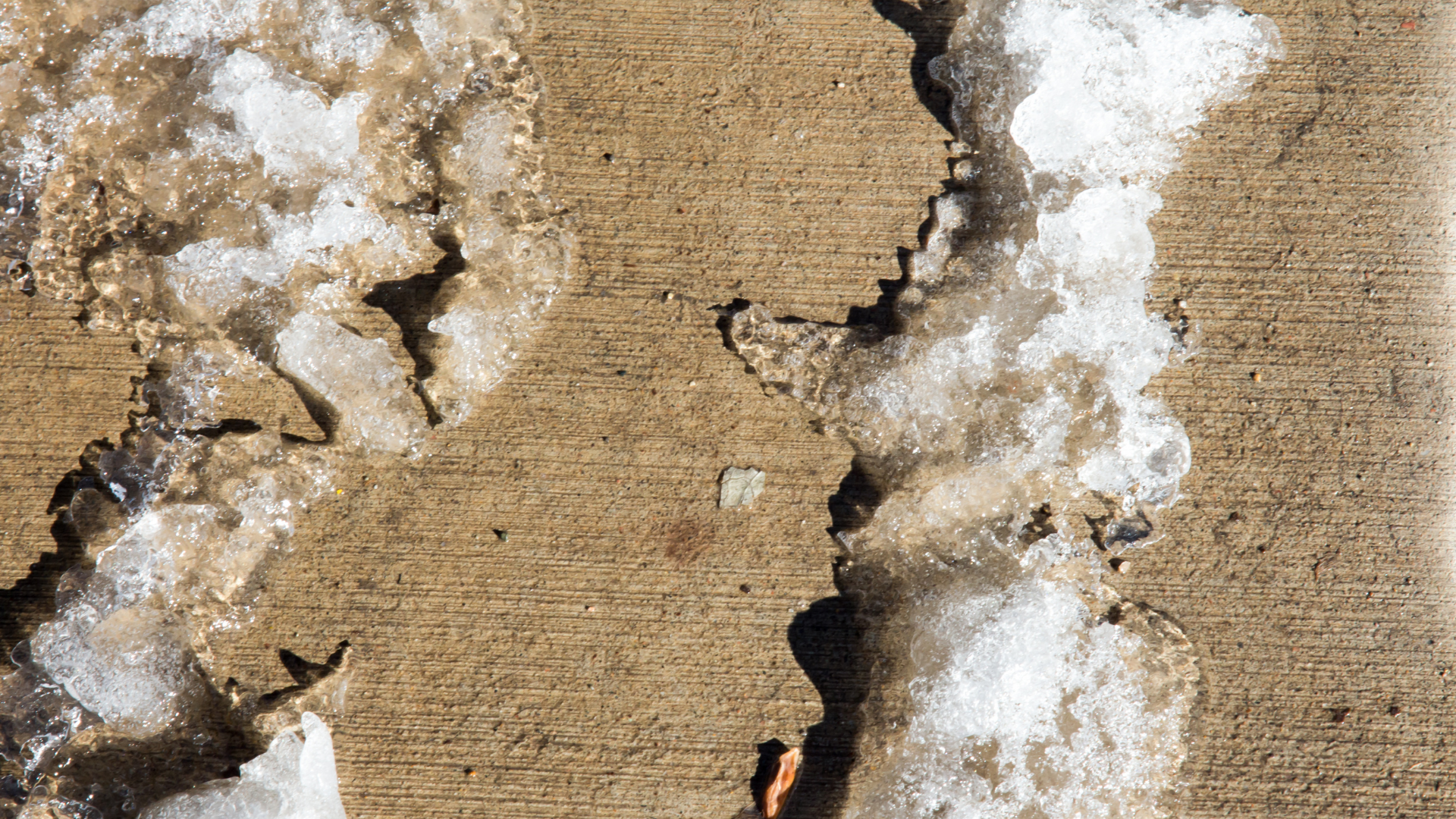
Discoloration, old patches, surface wear, staining, minor cracking, or chipped edges can make a slab look tired even when much of the concrete is still sound. That creates an important distinction for property owners and facility managers: unattractive concrete is not automatically failed concrete.
Before planning a full replacement, it makes sense to determine what is cosmetic, what is structural, and what can be restored.
Appearance and Condition Are Not the Same Thing
Concrete changes as it ages.
Traffic can dull the surface. Weather exposure can alter color. Previous repairs may leave visible differences in texture. Oils, rust, water, and other materials can create stains that make a slab look older than it really is.
Those conditions may affect appearance without significantly affecting performance.
A slab can look uneven in color and still remain stable. It can have old surface patches and still support normal loads. Even some cracking can be manageable depending on the cause, location, and amount of movement.
That is why visual appearance should be the beginning of an evaluation, not the final verdict.
Some Damage Is Only Skin Deep
Concrete surfaces can take a lot of abuse.
Forklift traffic, carts, foot traffic, weather, and repeated cleaning can all wear down the top layer over time.
Minor scaling, shallow chips, or localized surface deterioration may be repairable without removing the entire slab.
The important question is how deep the problem goes.
If the underlying concrete remains solid, restoration may be able to address the affected area while preserving everything around it.
This is especially useful in commercial and industrial settings where demolition and replacement can create substantial disruption.

Cracks Need Context
A crack tends to get attention quickly, but not every crack means the slab is failing.
Concrete naturally experiences shrinkage and movement. Some cracks remain stable for years, while others continue widening because of settlement, drainage problems, or movement beneath the slab.
The width of the crack matters, but so do its location, direction, depth, and history.
A crack that has not changed may call for a different approach than one that repeatedly opens after repairs.
Rite-Wash focuses on understanding why the damage developed before recommending restoration. Repairing the visible line without addressing movement beneath it can lead to the same problem returning.

Ugly Concrete May Still Have Strong Areas Worth Saving
A slab does not deteriorate evenly.
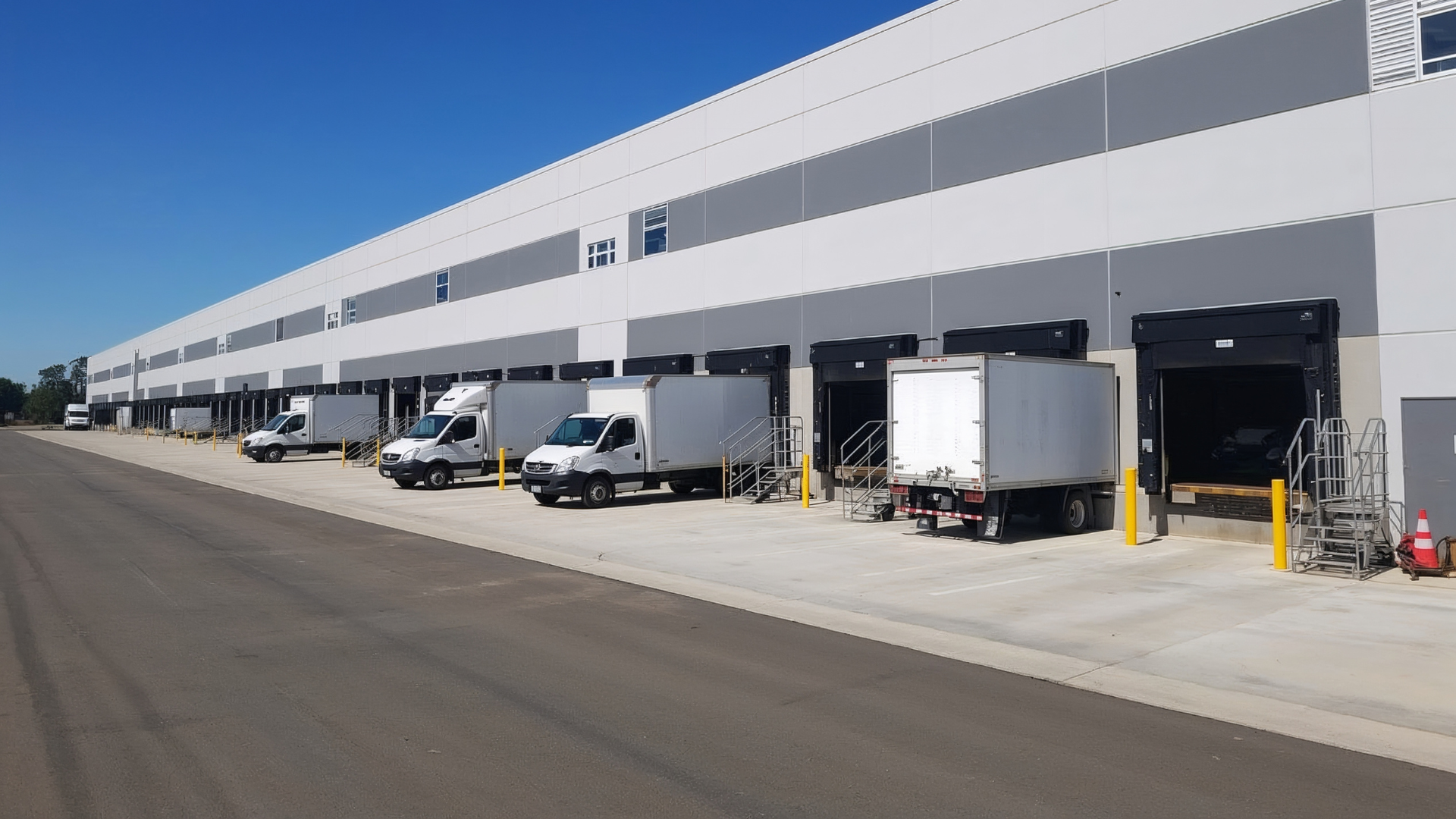
A loading area may have damaged edges while the center remains sound. One section may have settled while neighboring panels are stable. Spalling may be concentrated near joints while large portions of the floor remain serviceable.
Replacing everything because one area looks bad can mean removing a significant amount of concrete that still has useful life left.
Targeted restoration allows repairs to focus on the problem areas while preserving the sound material.
That can reduce waste, shorten downtime, and make the project easier to phase around facility operations.

Surface Repairs Should Still Address the Cause
Preserving existing concrete does not mean covering up defects.
If water is causing deterioration, drainage needs attention. If joint failure is damaging slab edges, the joint system should be part of the repair. If settlement has created uneven surfaces, patching the top will not restore proper elevation.
A successful restoration plan connects the visible damage to the condition causing it.
That is the difference between making concrete look better temporarily and extending its useful life.

Know When Replacement Really Is Necessary
Restoration is not appropriate for every slab.
Severe structural deterioration, widespread loss of material, major instability, or extensive underlying failure may make replacement the better choice.
The goal is not to save concrete at any cost.
It is to avoid replacing usable concrete simply because it looks worn.
A condition assessment can help separate cosmetic aging from problems that genuinely affect performance.
Look Beyond the Surface
Old concrete does not need to look perfect to remain valuable.
What matters is whether the slab is stable, serviceable, and a good candidate for targeted repair.
Rite-Wash specializes in concrete restoration, including crack repair, spalling remediation, expansion joint repair, and leveling for commercial and industrial properties.
If your concrete looks worn, patched, stained, or uneven, contact Rite-Wash before assuming replacement is the only option. A closer evaluation may reveal that much of the existing slab is still worth preserving.