How Surface Scaling Differs From Deeper Concrete Failure
Not all concrete deterioration means the same thing.
A slab can look rough, flaky, or worn at the surface while the concrete beneath it remains relatively sound. In other cases, visible surface damage may be the first sign of a deeper structural problem.
That distinction matters.
Surface scaling and deeper concrete failure can look similar at first glance, but they may require very different repair strategies.
What Surface Scaling Looks Like
Surface scaling usually affects the outermost layer of the concrete.
The surface may begin to flake, peel, or break away in thin sections. In some cases, the top layer develops a rough, uneven texture or exposes portions of the aggregate below.
This kind of damage can develop for several reasons.
Freeze-thaw cycling, moisture exposure, deicing chemicals, improper finishing, or a weak surface layer can all contribute.
The important point is that scaling does not always mean the entire slab is failing.
The damage may be concentrated near the surface while the deeper concrete remains structurally useful.
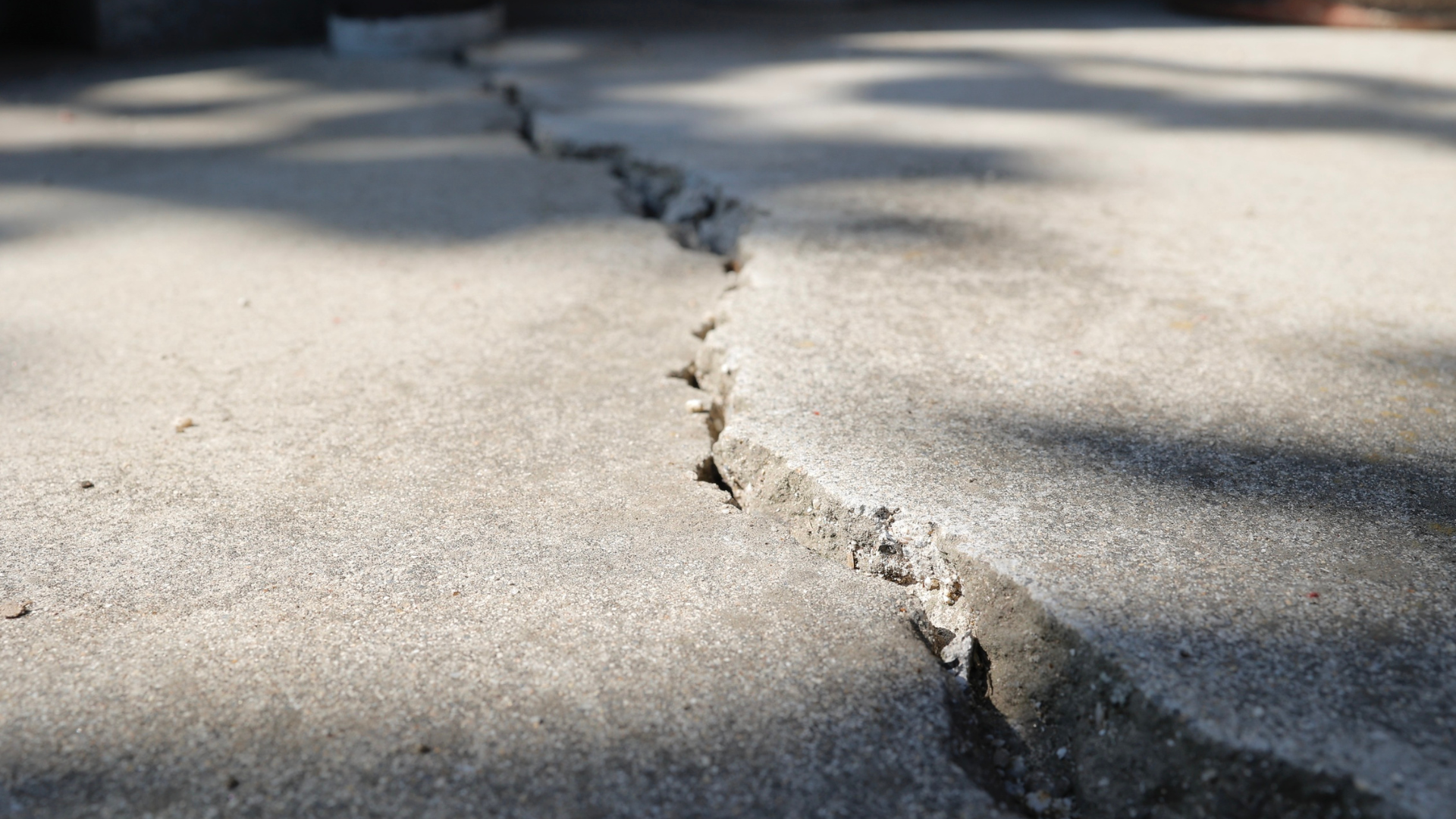
Deeper Failure Involves More Than Appearance
More serious deterioration often extends beyond the top layer.
Cracks may penetrate farther into the slab.
Edges may break away.
Sections may sound hollow.
Concrete may separate around reinforcing steel, or repeated spalling may continue even after cosmetic repairs.
In those cases, the issue is not simply an unattractive finish.
The underlying concrete may be losing strength or integrity.
That can happen because of moisture intrusion, corrosion, repeated impact, movement, poor support below the slab, or long-term exposure to harsh conditions.
Why the Difference Matters
If surface scaling is treated as though the entire slab has failed, property owners may replace more concrete than necessary.
If deeper deterioration is mistaken for a cosmetic surface problem, however, a shallow repair may fail quickly.
The repair needs to match the actual depth and cause of the damage.
That is why evaluation comes before restoration.
Rite-Wash focuses on preserving existing concrete whenever practical, which means determining how much of the slab is still sound before deciding how aggressive the repair needs to be.
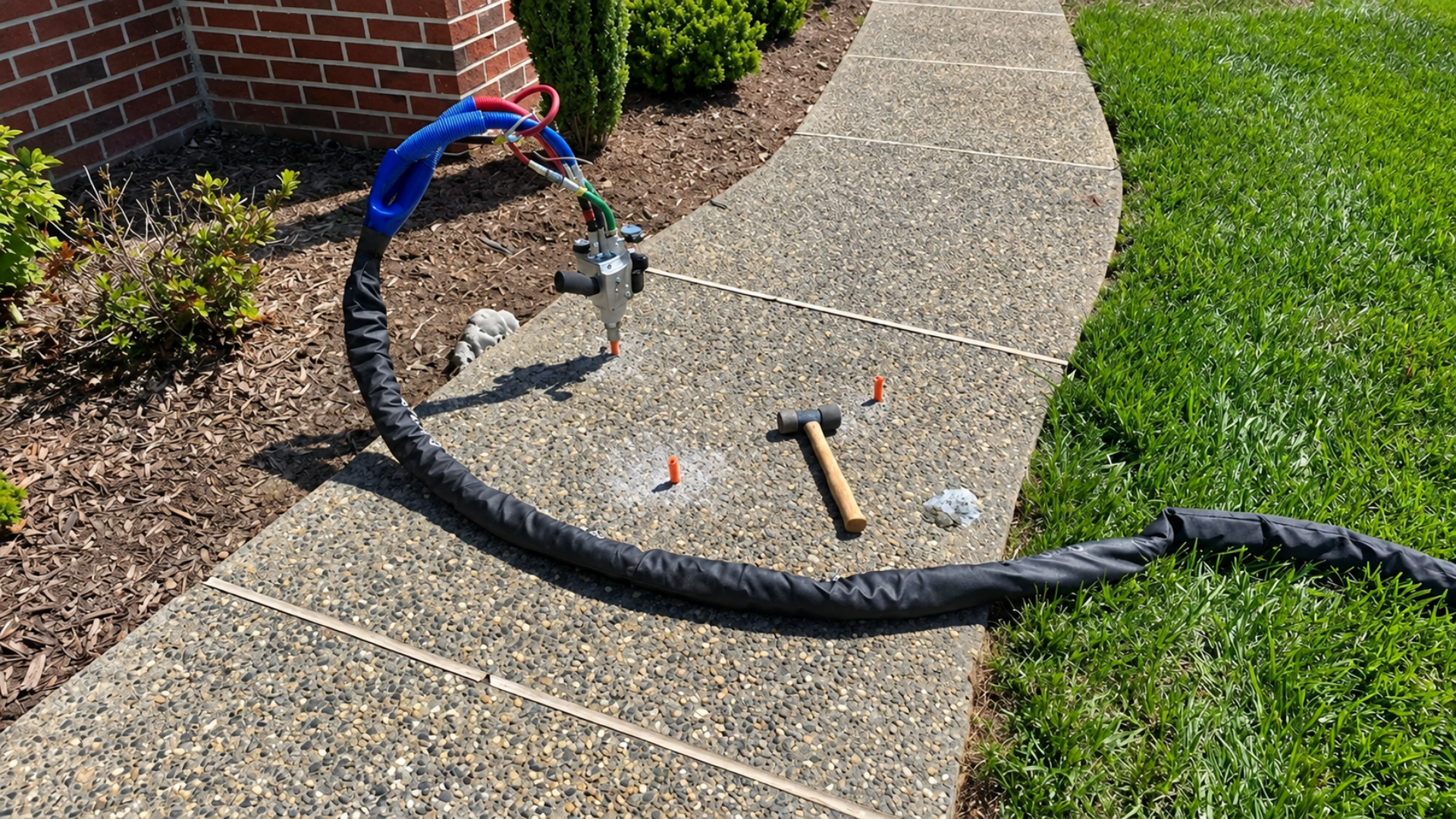
Sound Concrete Can Often Be Preserved
One of the advantages of concrete restoration is that damaged areas can sometimes be addressed without removing an entire slab.
If the deterioration is localized, the unsound material may be removed while the surrounding solid concrete remains in place.
That reduces unnecessary demolition and can limit disruption in commercial and industrial environments.
The same principle applies to scaled surfaces.
If the damage is genuinely shallow and the substrate remains sound, restoration may be possible without treating the entire slab as a loss.
Repeated Scaling Can Still Be a Warning
Surface scaling should not automatically be dismissed as cosmetic.
If the same area keeps deteriorating, something may be driving the problem.
Water may be collecting there.
The slab may be exposed to repeated chemical or freeze-thaw stress.
Traffic may be accelerating wear.
Previous repairs may not have addressed the actual cause.
Repeated damage is useful information.
It suggests that the repair strategy should look beyond the surface.
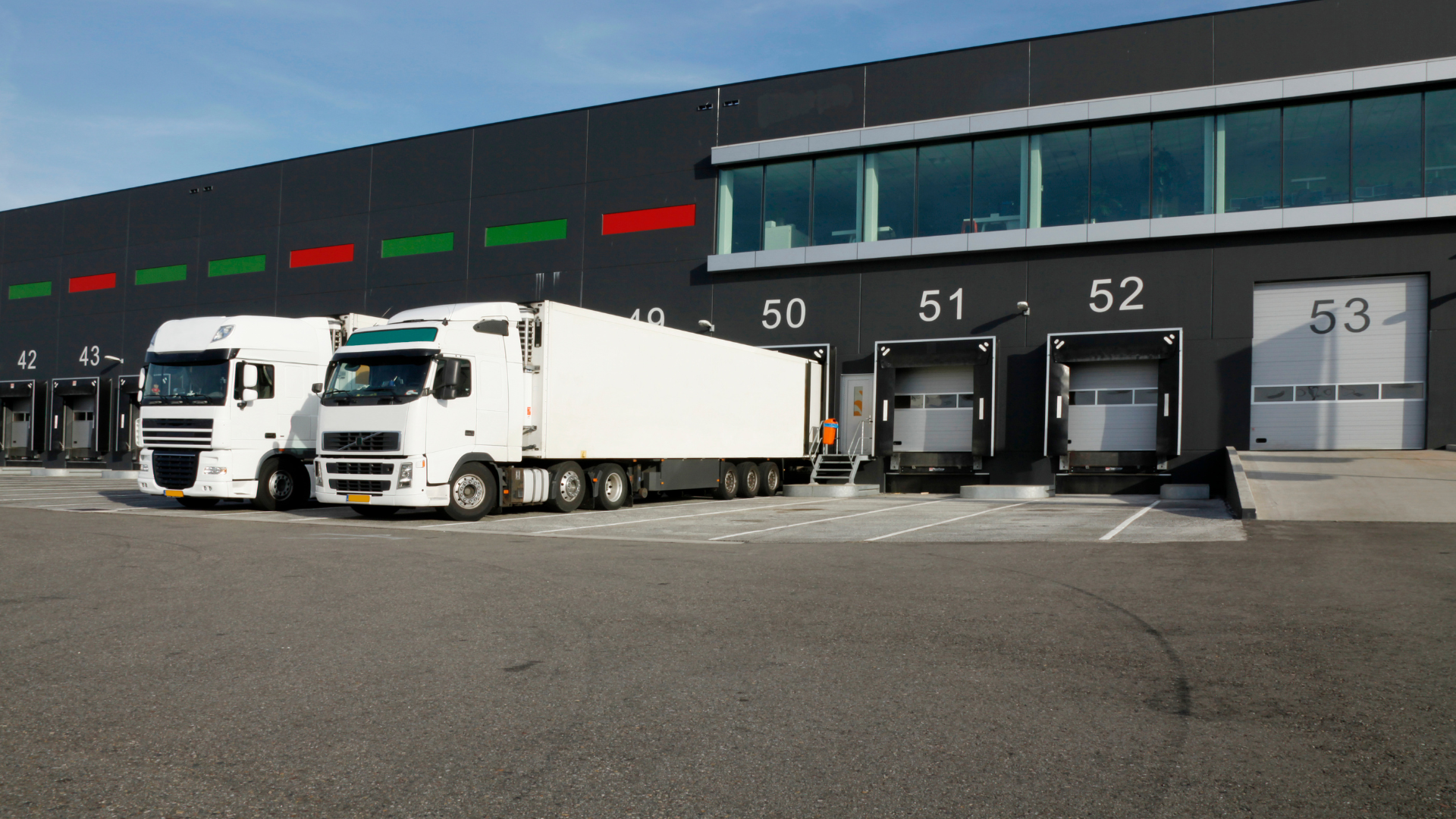
Context Matters in Commercial Concrete
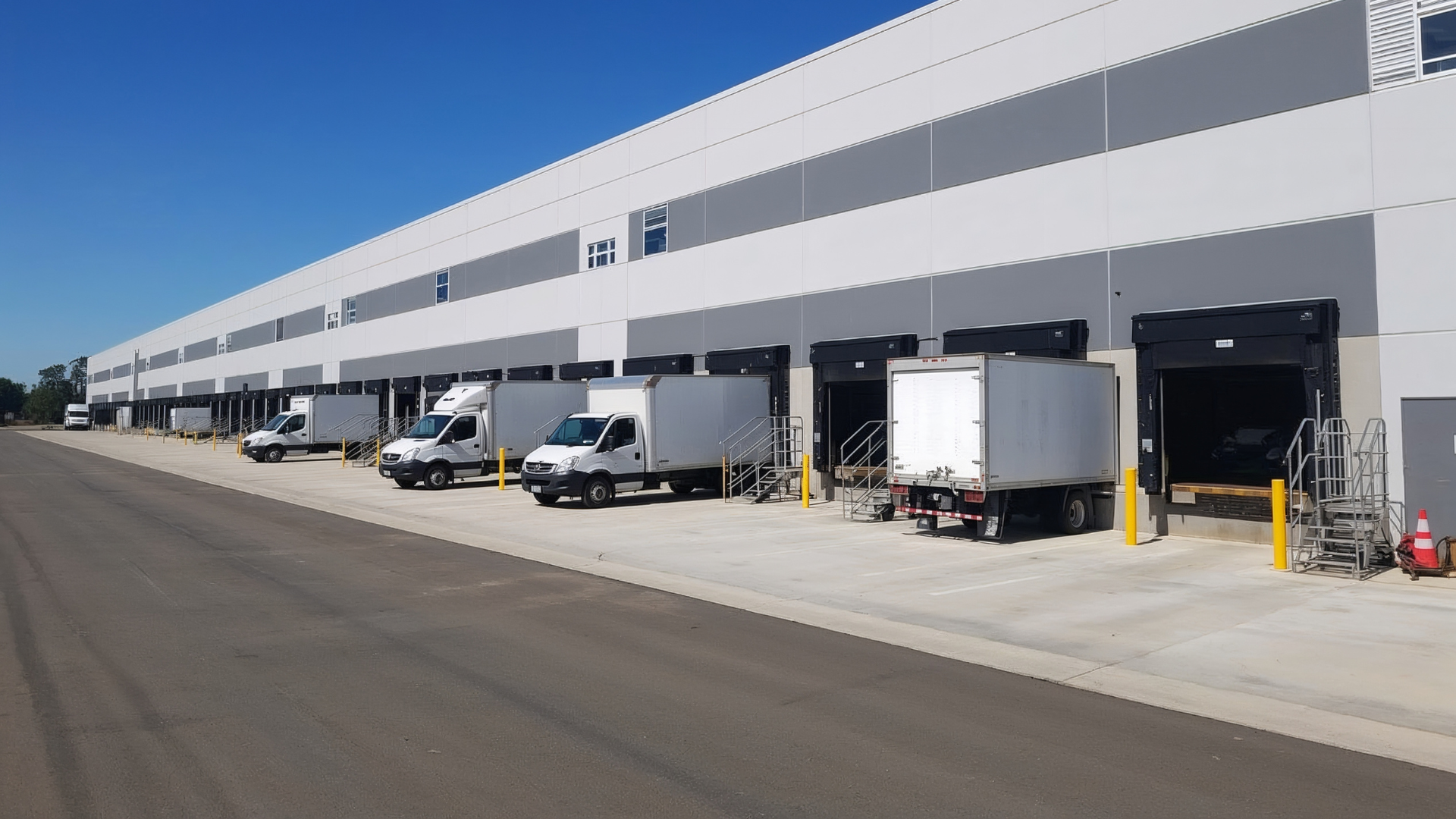
In warehouses, loading areas, walkways, and industrial spaces, concrete receives very different types of stress.
Forklifts, pallet jacks, heavy equipment, vehicle traffic, water, and temperature changes can all affect how damage develops.
A scaled surface in a lightly used area may behave very differently from similar-looking damage at a loading dock or doorway.
That is why location and use matter as much as appearance.
Repair the Problem You Actually Have
Concrete should not be judged only by how rough it looks.
A worn surface may still sit on top of a sound slab.
A small damaged area may also be hiding deeper deterioration.
The right repair begins with identifying which condition is present.
Rite-Wash helps commercial and industrial property owners evaluate concrete damage, repair spalling and cracks, restore joints, level slabs, and preserve sound concrete wherever practical.
Before assuming that rough-looking concrete needs full replacement, have the damage evaluated.
The difference between surface scaling and deeper failure can determine whether the right solution is targeted restoration or a more substantial repair.