Why Loading Dock Concrete Takes a Different Kind of Beating
Loading dock concrete lives a harder life than most slabs.
It deals with heavy trucks, forklifts, pallet jacks, repeated turning, concentrated wheel loads, vibration, moisture, temperature swings, and constant impact near joints and edges. Even when the rest of a facility floor remains in good condition, loading areas can begin to crack, spall, settle, or break down much sooner.
That is why loading dock concrete should be evaluated as its own maintenance zone rather than treated like ordinary flatwork.
Repeated Impact Changes the Way Damage Develops
A warehouse aisle may see a large amount of traffic, but that traffic often moves in a relatively consistent direction.
Loading docks are different.
Forklifts stop, turn, accelerate, reverse, and cross joints repeatedly. Truck tires may approach the same slab edges over and over. Pallet jacks and carts create smaller but frequent impact loads.
That repeated stress can concentrate damage in specific areas.
Corners chip. Joint edges begin to break. Small cracks widen. Surface wear becomes more pronounced around the same turning and stopping points.
The problem is not simply the amount of traffic. It is how that traffic interacts with the slab.

Joint Edges Often Fail First
Expansion and control joints are common trouble spots in loading areas.
When joint material deteriorates or pulls away, the slab edges become less protected.
Forklift wheels and other rolling loads can strike those edges repeatedly, causing small chips to become larger areas of spalling.
Debris inside joints can also interfere with movement and add stress to surrounding concrete.
Once the edges begin to deteriorate, the damage can spread quickly because the traffic pattern does not change.
Joint repair is therefore an important part of loading dock restoration, not just a cosmetic finishing step.
Water Can Make the Damage Worse
Loading docks often sit near exterior openings, ramps, drains, and areas exposed to weather.
Water may collect in low spots, enter cracks and joints, or migrate beneath the slab.
If drainage is poor, repeated wetting can accelerate deterioration and contribute to settlement.
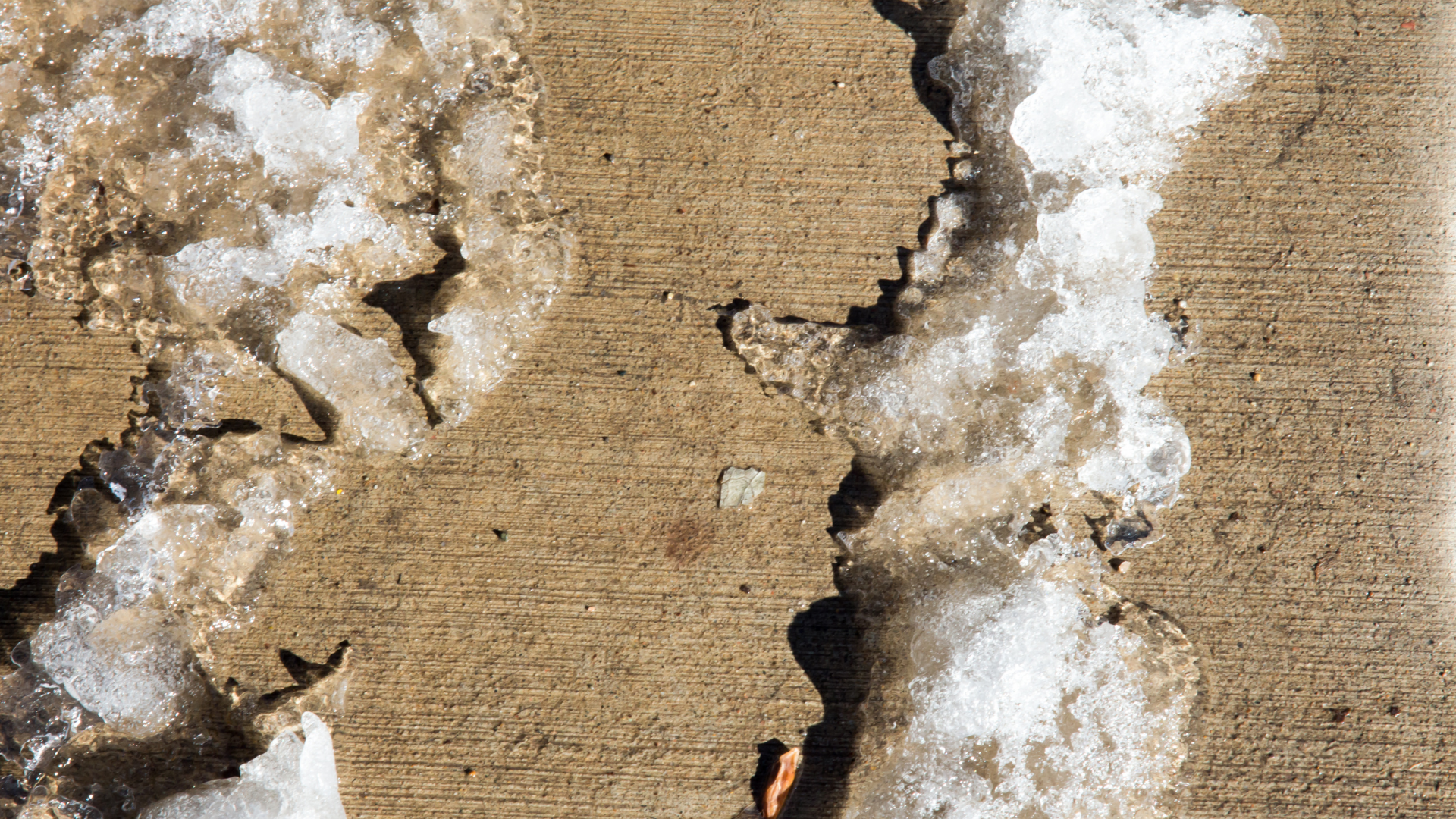
In colder conditions, moisture inside damaged concrete can also make surface breakdown more severe through freeze-thaw cycles.
Repairing visible damage without addressing the way water reaches the area may lead to repeated problems.
That is why drainage and moisture should be considered alongside the concrete itself.

Settlement Can Affect More Than Appearance
A sunken loading dock slab is not just an uneven surface.
Settlement can change the transition between the dock, ramp, warehouse floor, and truck approach.
That can create problems for forklifts, carts, dock equipment, and employee traffic.
An uneven slab may also place extra stress on nearby cracks and joints as loads shift differently across the surface.
Concrete leveling can sometimes restore a safer, smoother transition without requiring full slab replacement.
The right approach depends on what caused the movement and how much sound concrete remains.
Small Damage Can Become an Operational Problem
Concrete defects in a low-traffic corner of a facility may be easy to monitor.
The same defect in a loading dock can interfere with daily operations almost immediately.
A broken joint edge can jolt a forklift.
A settled section may slow material handling.
Loose concrete can create debris in a high-activity area.
A developing trip hazard may affect workers and drivers.
This is why repair planning should consider operational impact, not only the physical size of the damaged area.

Targeted Restoration Can Preserve Sound Concrete
A damaged loading dock does not automatically need to be demolished and replaced.
Many problems are localized.
Cracks, spalled edges, deteriorated joints, and settlement may be candidates for targeted restoration when the surrounding concrete remains serviceable.
Preserving sound concrete can reduce disruption while extending the useful life of the area.
The key is identifying the cause before choosing the repair.
Patching a damaged edge without fixing joint movement, drainage, or settlement may only hide the problem temporarily.
Treat Loading Areas as High-Stress Zones
Loading docks deserve more frequent inspection than many other concrete surfaces because they combine heavy loads with constant movement and impact.
Rite-Wash specializes in concrete restoration, including crack repair, spalling remediation, expansion joint repair, and concrete leveling for commercial and industrial properties.
If your loading dock is developing broken edges, uneven slabs, cracking, or recurring deterioration, contact Rite-Wash. A targeted restoration plan can help preserve usable concrete, reduce operational disruption, and address the conditions causing the damage before the problem spreads.