Why Temperature Changes Cause Concrete Movement
Concrete looks solid and permanent, but it is constantly reacting to the environment around it. One of the most important forces affecting concrete is temperature. As temperatures rise and fall, concrete expands and contracts. Over time, that repeated movement can contribute to cracking, joint failure, spalling, and other forms of deterioration.
For property owners and facility managers, understanding how temperature affects concrete can make it easier to recognize early signs of damage. Rite-Wash specializes in concrete repair and restoration, helping preserve existing slabs before small problems spread.
Concrete Expands When It Gets Hot
Like many building materials, concrete expands as it heats up.
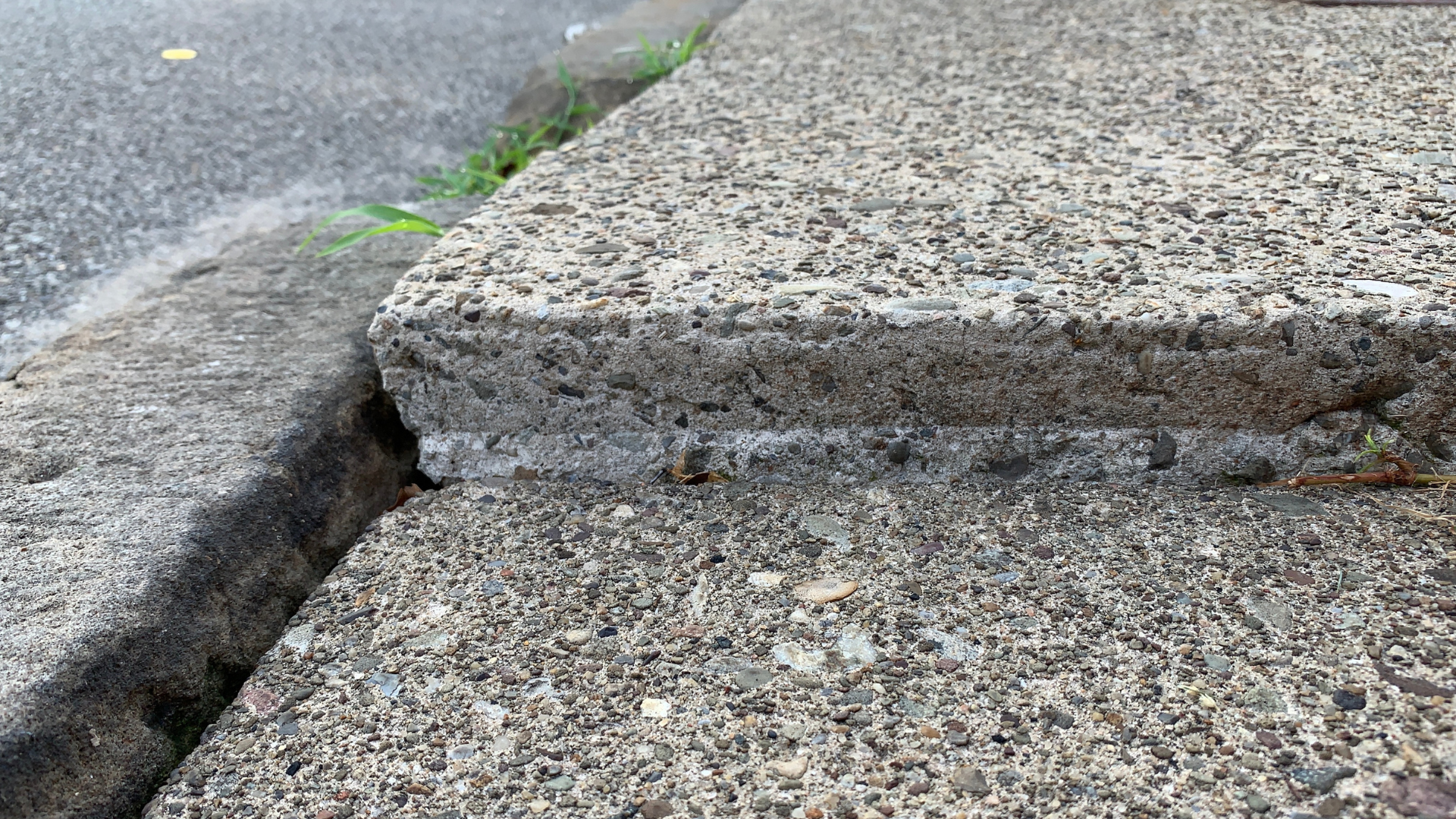
During warm weather, large slabs such as sidewalks, loading areas, warehouse floors, and parking surfaces can experience measurable movement. The larger the slab, the more significant that movement can become.
Concrete is usually designed with joints that give the material room to expand. When those joints are functioning properly, they help absorb movement and reduce stress on surrounding areas.
Problems begin when joints are damaged, filled with debris, or no longer able to move as intended.
Cold Temperatures Cause Contraction
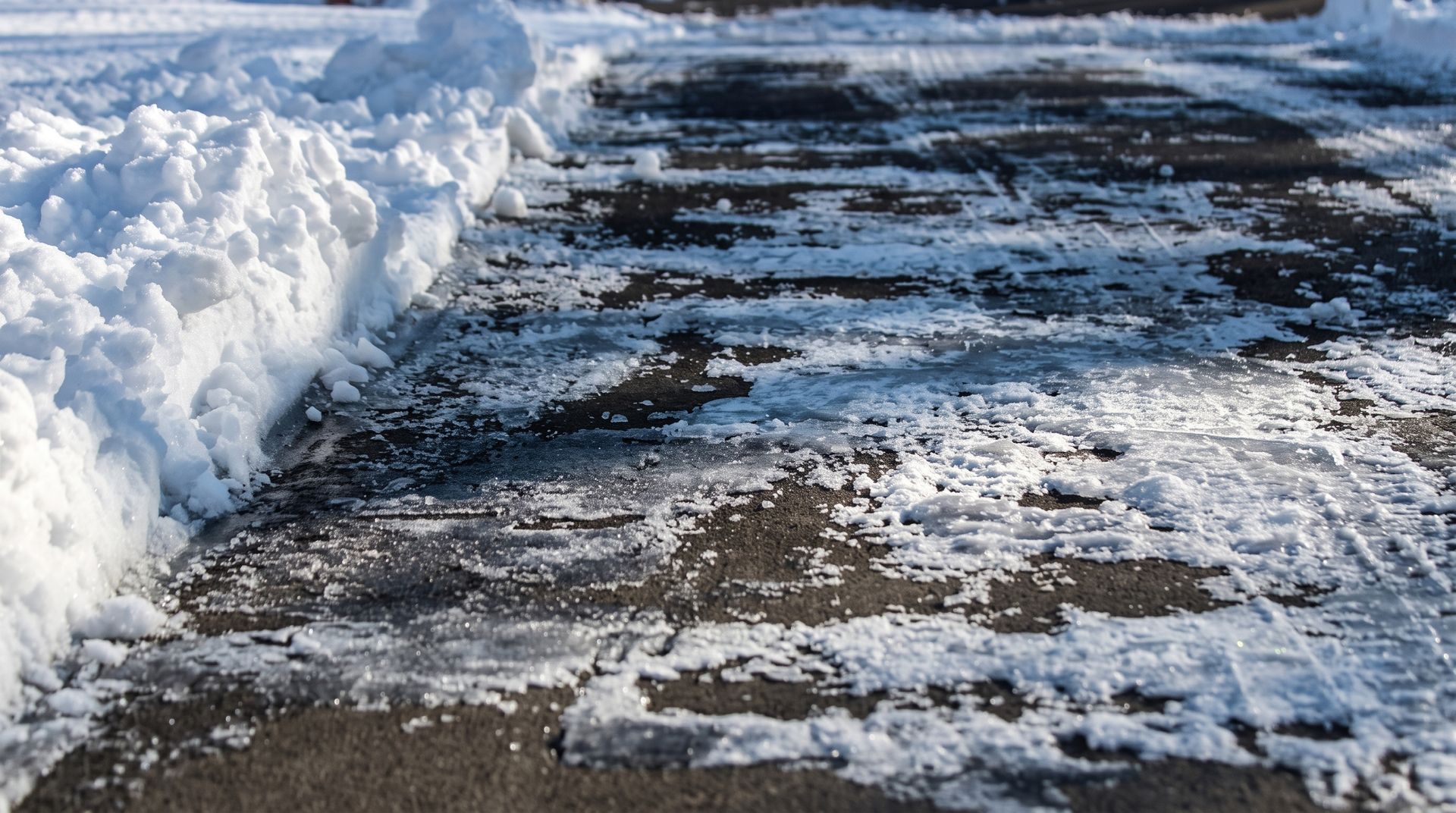
When temperatures drop, concrete contracts.
This shrinkage places stress on the slab, especially around existing cracks, weak edges, and joints. Repeated expansion and contraction can slowly widen cracks or cause previously minor defects to become more noticeable.
In climates with significant seasonal temperature swings, this movement happens again and again throughout the year.
Even if the concrete does not fail suddenly, repeated
thermal cycling can contribute to gradual deterioration.
Expansion Joints Help Control Movement
Expansion and control joints are an important part of concrete design because they create planned locations where movement can occur.
If joint sealant fails or debris fills the joint, the surrounding concrete may no longer have enough room to expand. Slab edges can begin pressing against one another, which may lead to chipping, cracking, or spalling.
Keeping joints in good condition is one of the most effective ways to help protect existing concrete from movement-related damage.
Cracks Often Become Weak Points
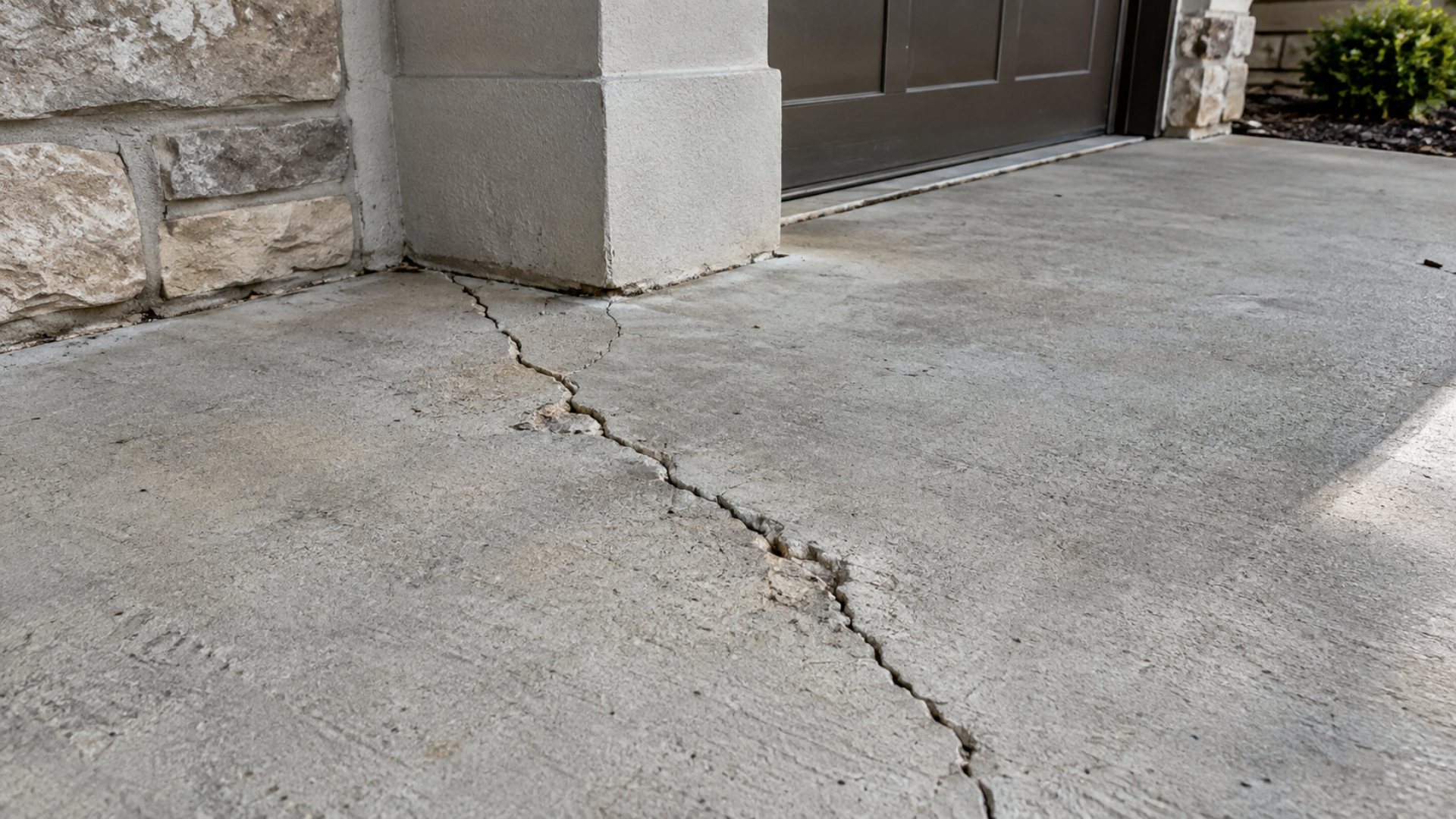
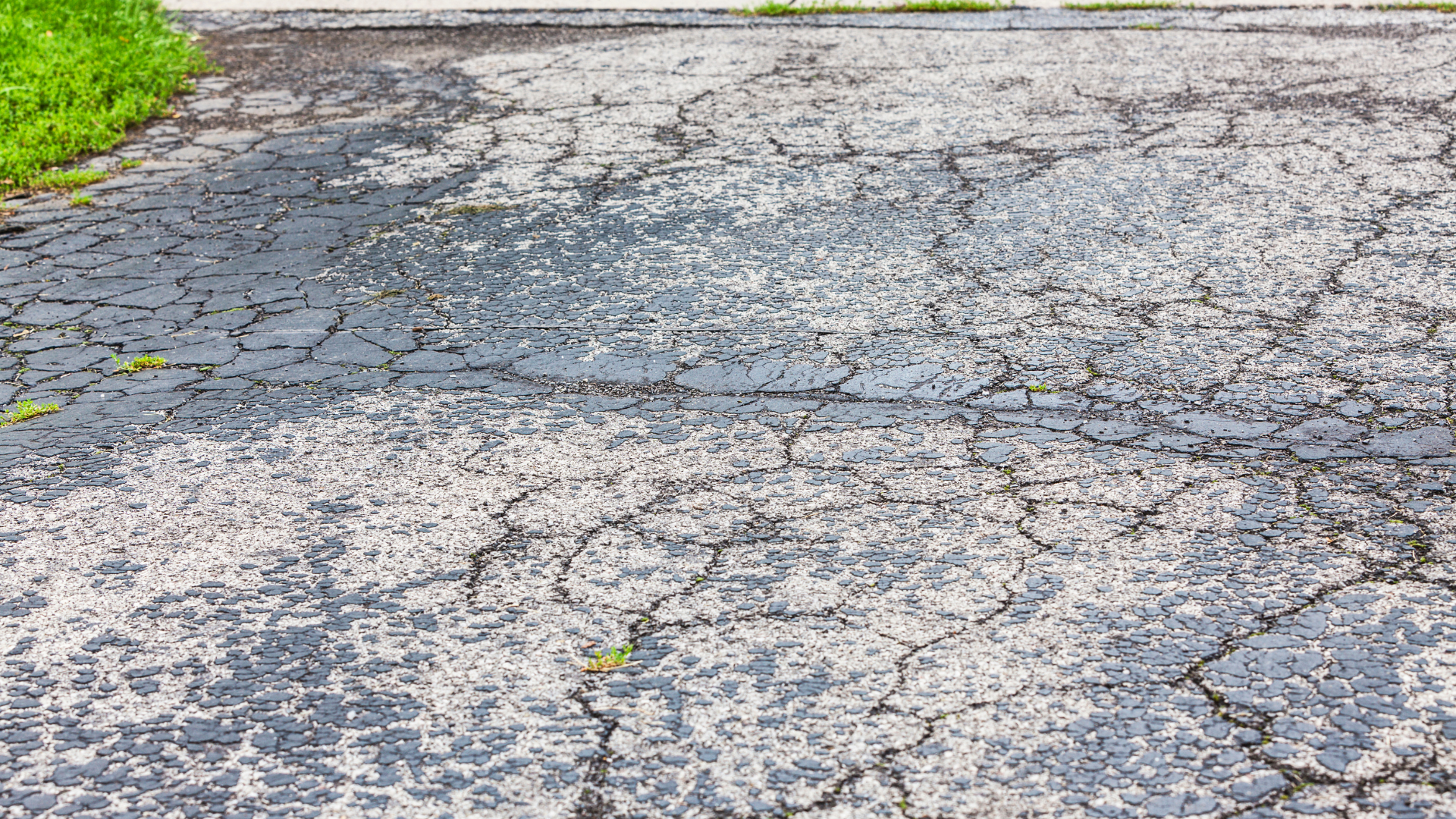
Once a crack forms, temperature changes can continue working on it.
During warm periods, the slab may expand and press against the edges of the crack. During cooler periods, the crack may open slightly as the concrete contracts.
That repeated movement can cause the crack to widen or allow additional moisture to enter.
For this reason, early crack repair can help reduce the amount of movement and water intrusion affecting the damaged area.
Moisture Can Make Temperature Damage Worse
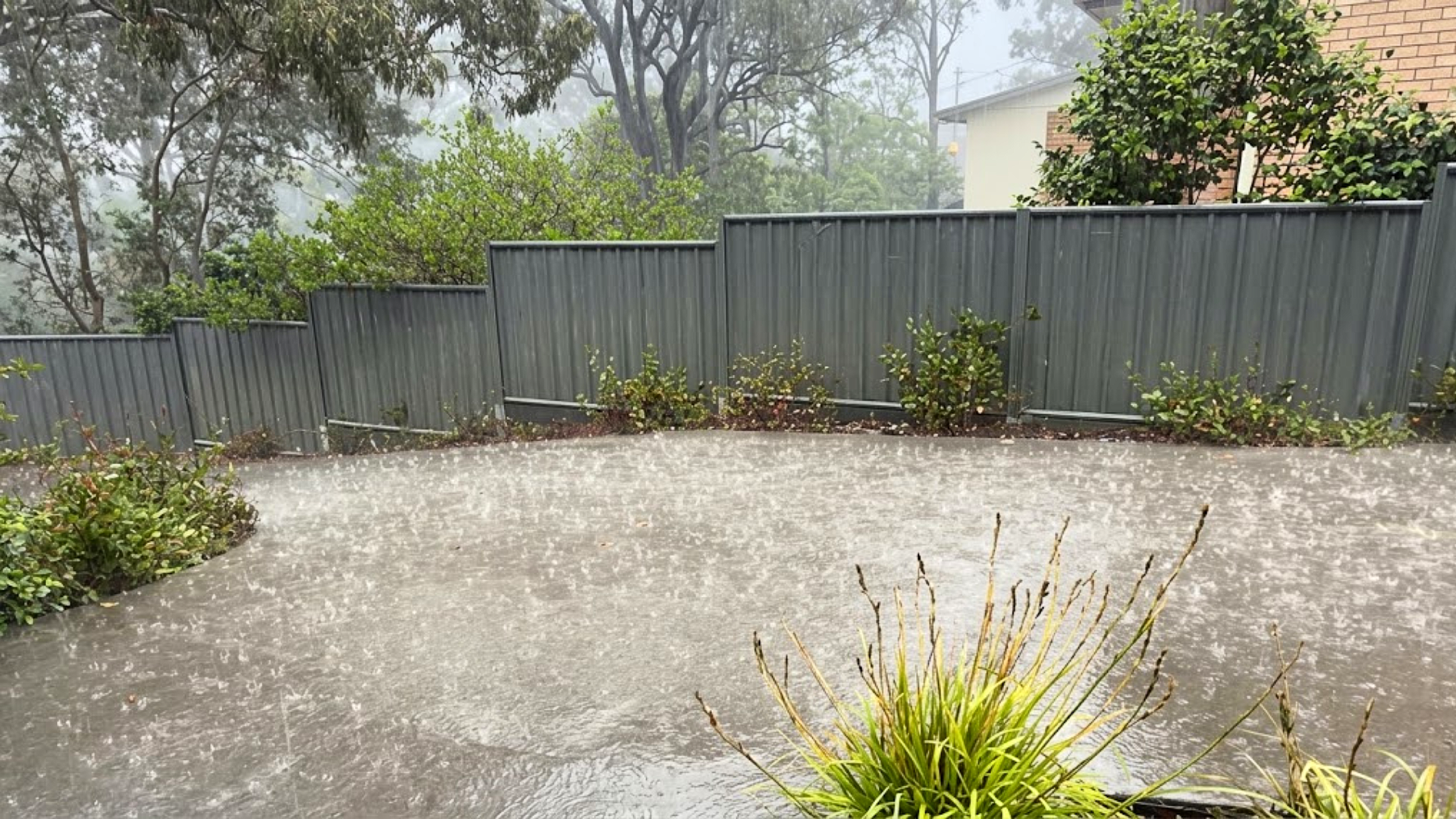
Temperature changes become even more damaging when moisture is involved.
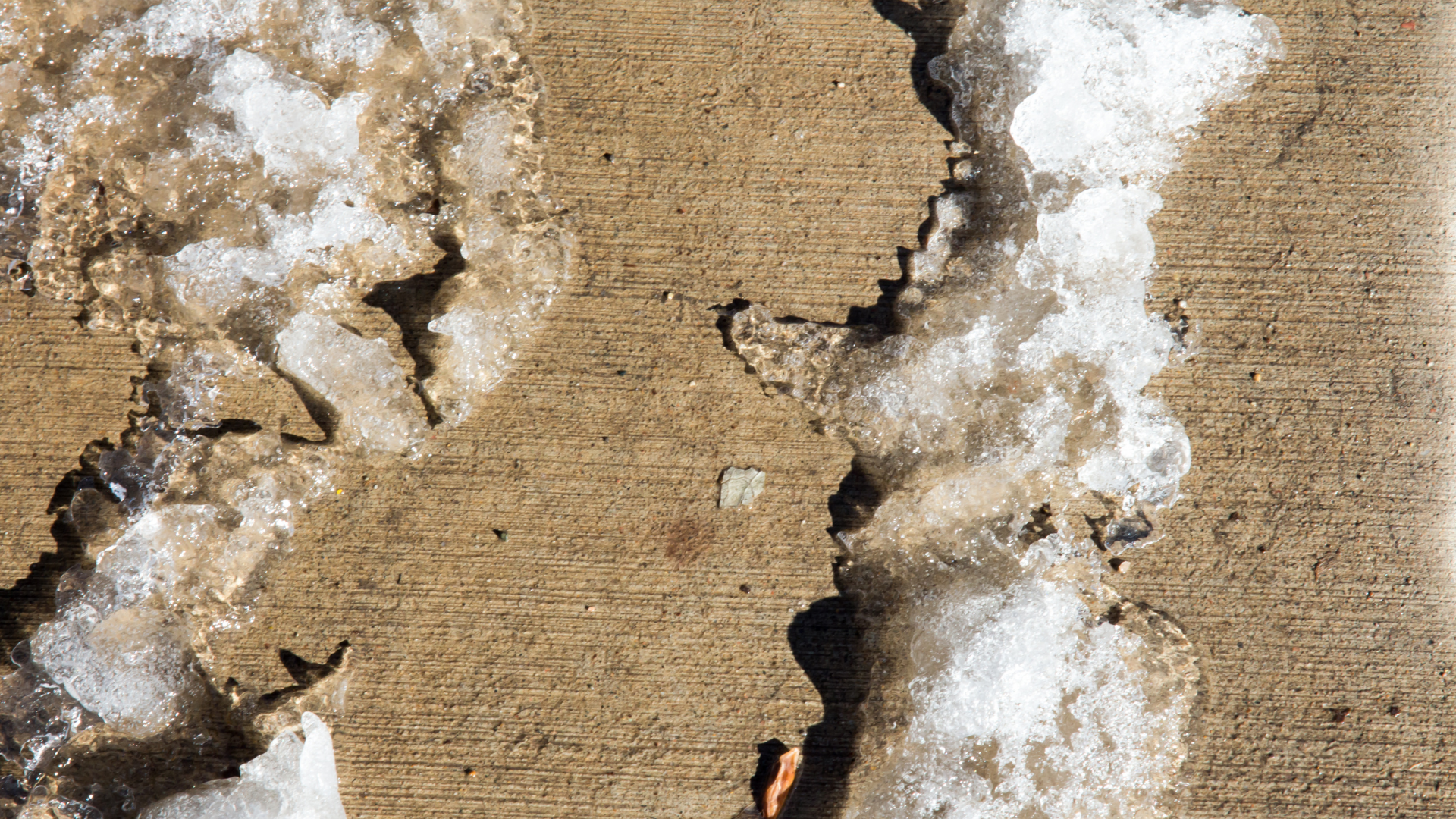
Water can enter cracks, joints, and porous areas in the concrete. In colder conditions, freezing water expands and can place pressure on the surrounding material. Repeated freeze-thaw cycles may contribute to surface scaling, cracking, and spalling.
Even in milder climates, moisture moving through damaged joints can weaken support beneath a slab and contribute to settlement.
Managing both movement and moisture is important for long-term concrete preservation.
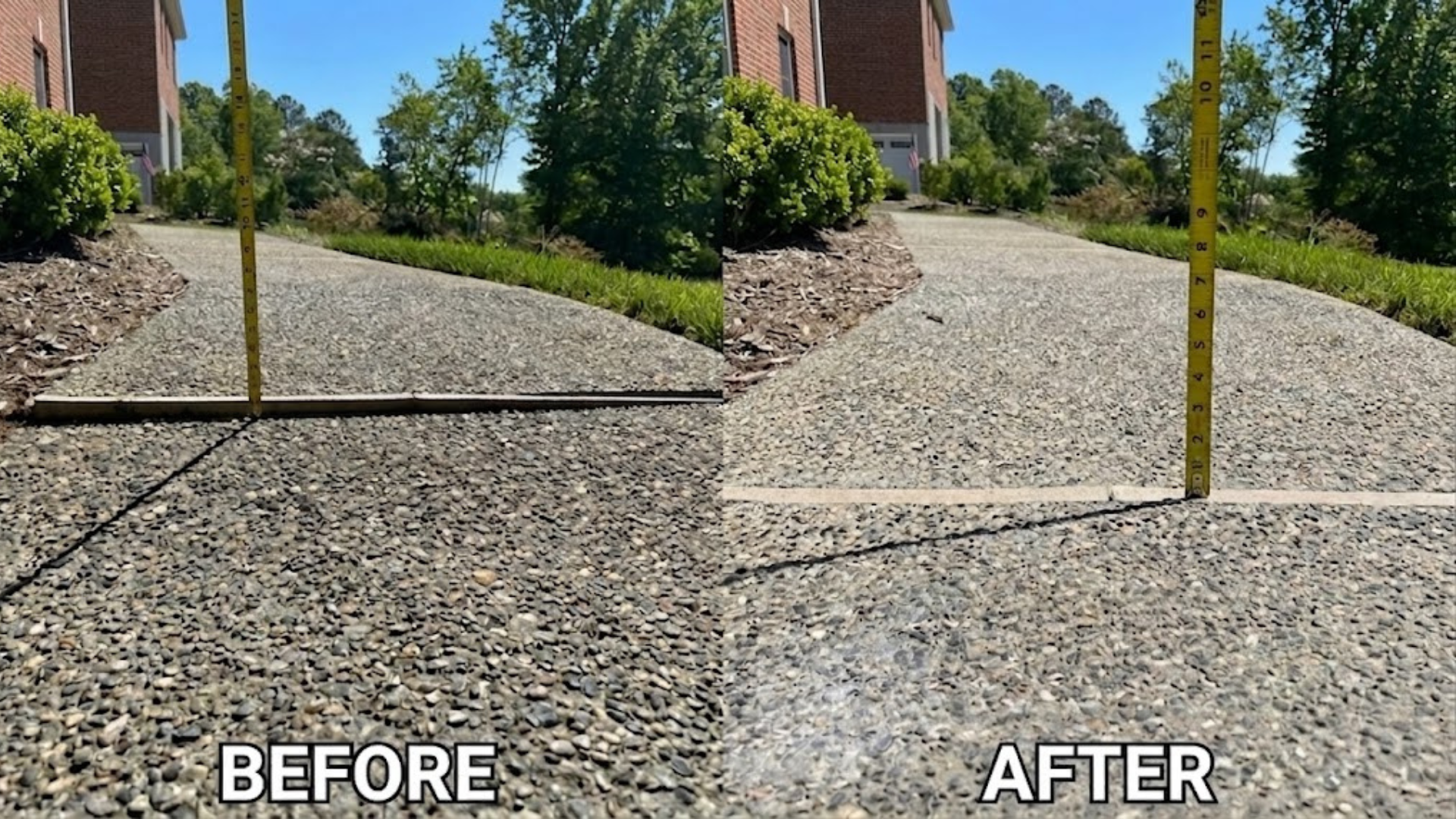
Repairs Must Account for Ongoing Movement
A good repair should not simply cover visible damage.
The repair material and method need to account for the fact that the surrounding concrete will continue expanding and contracting. This is especially important around joints and active cracks.
Proper surface preparation, compatible repair materials, and correct joint treatment all help improve the durability of the repair.
If the underlying movement is ignored, the repaired area may crack or separate again.
Preserve Existing Concrete With Timely Repair
Temperature-related movement is normal, but damage caused by that movement should not be ignored. Cracks, spalling, failed joints, and edge deterioration can become more severe when concrete continues cycling through hot and cold conditions.
Rite-Wash specializes in concrete repair and restoration, including crack repair, expansion joint repair, spalling restoration, and concrete leveling. The focus is on preserving and extending the life of existing concrete rather than replacing it unnecessarily.
If you notice widening cracks, damaged joints, chipped edges, or other signs of concrete movement, contact Rite-Wash for an evaluation and a targeted repair plan.