How Deicing Salts Can Accelerate Surface Damage
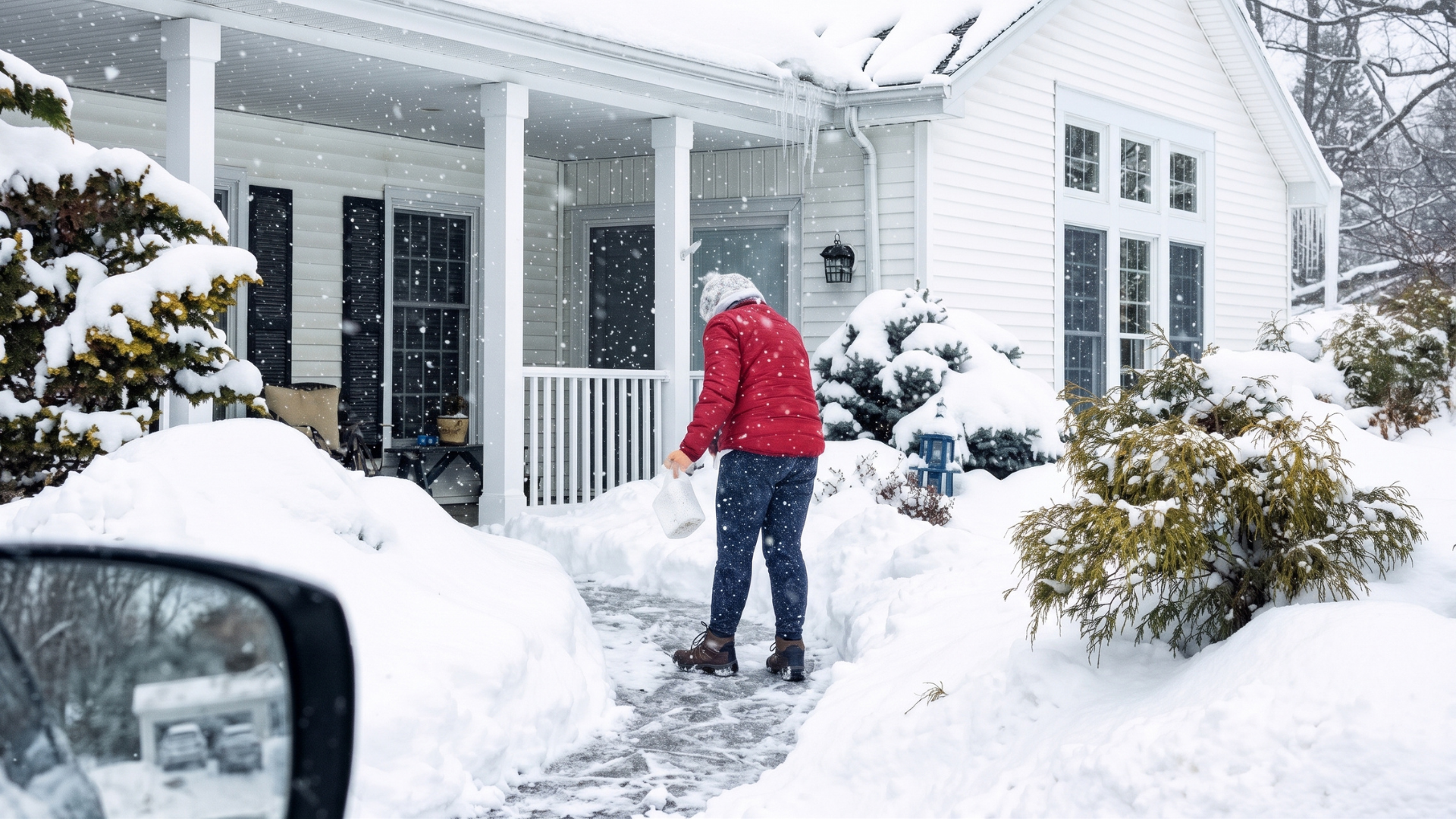
Deicing salts are useful for improving traction during winter weather, but repeated exposure can be hard on concrete.
Parking lots, sidewalks, loading areas, entry aprons, ramps, and other outdoor concrete surfaces often receive deicing products throughout the winter. Over time, that combination of salt, water, freezing temperatures, and traffic can contribute to surface deterioration, especially when the concrete already has cracks, scaling, or other weaknesses.
Understanding what is happening can help property owners address damage before it spreads.
Salt Changes the Way Concrete Experiences Winter
Concrete is porous, which means it can absorb moisture.
When deicing salts dissolve into meltwater, that solution can move into the concrete surface. As temperatures rise and fall, the moisture inside the concrete may repeatedly freeze and thaw.
That cycle can place stress on the material.
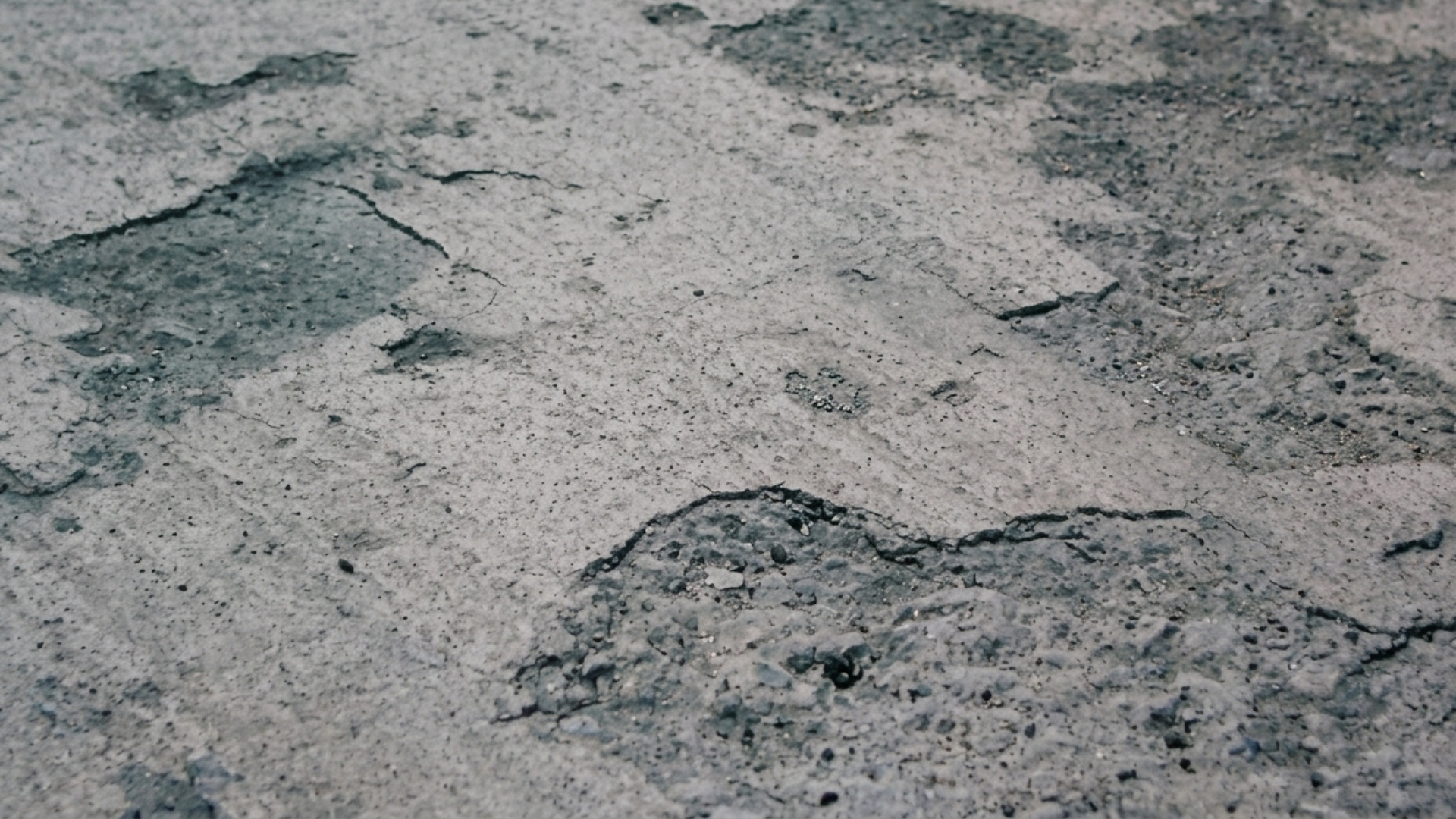
If the surface is already weakened, repeated winter exposure can contribute to scaling, flaking, and spalling. The damage may begin as a rough patch and gradually expand as more material breaks away.
Freeze-Thaw Cycles Can Make Existing Damage Worse
Small cracks and surface defects can become more vulnerable when water enters them before freezing.
As that water freezes, it expands. Repeated cycles can gradually widen cracks and loosen material near the surface.
Deicing salts can complicate this process because they allow melting and refreezing to happen repeatedly as temperatures move above and below freezing.
A surface that looks mostly intact at the beginning of winter can look very different after months of repeated exposure.
High-Traffic Areas Often Show Damage First
Concrete around entrances, loading docks, walkways, and parking areas usually experiences more than weather alone.
Vehicles, forklifts, carts, foot traffic, snow-removal equipment, and repeated deicing applications can all concentrate wear in the same places.
Edges, joints, corners, and transitions are especially vulnerable because they already experience higher stress.
Rite-Wash evaluates these areas as part of the larger concrete system rather than treating every surface defect as an isolated cosmetic problem.
Spalling Should Not Be Ignored
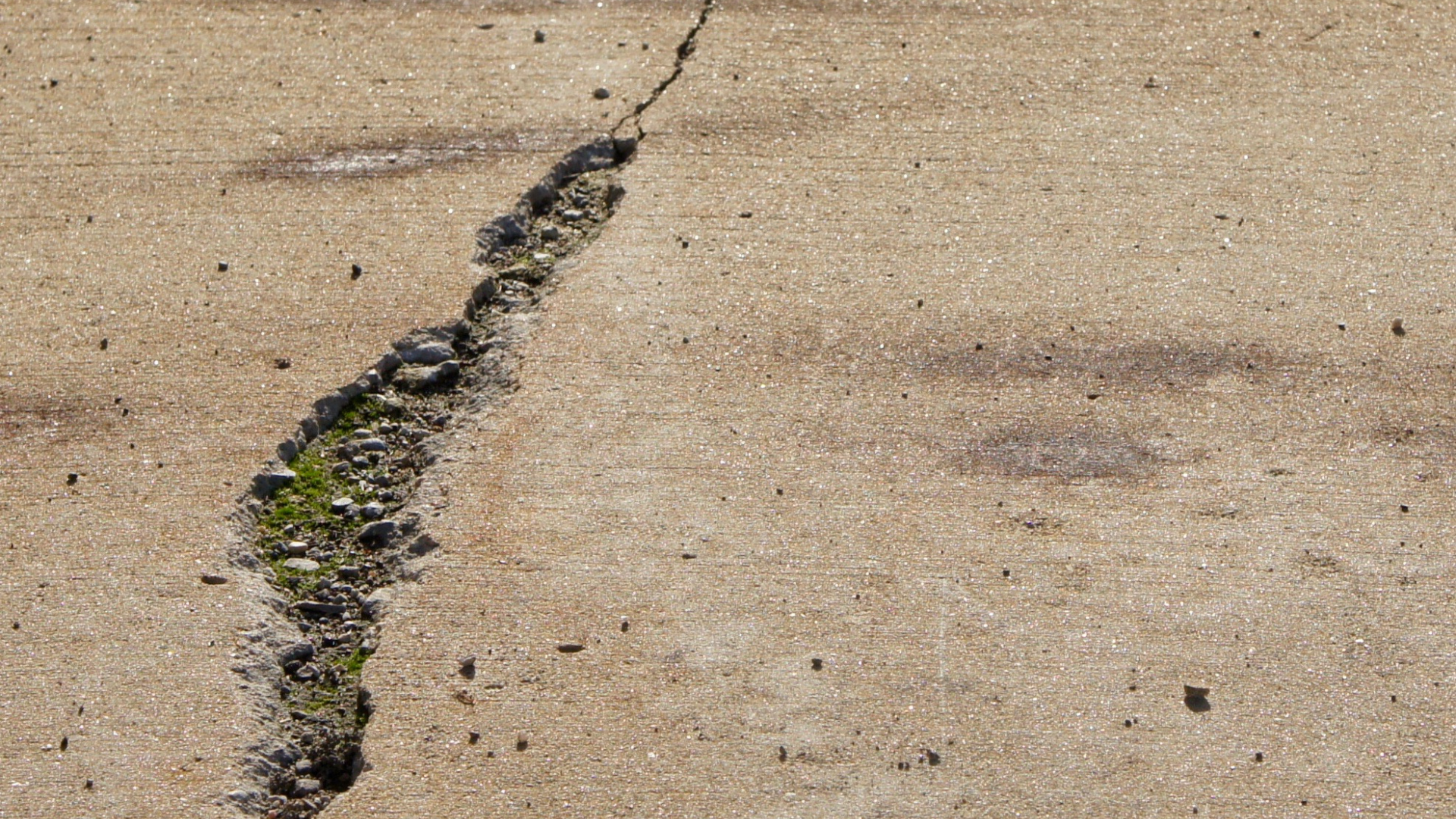
Spalling occurs when pieces of the concrete surface begin to break, chip, or flake away.
Once deterioration reaches that point, the damaged area can continue to grow if moisture and winter exposure remain active.
The surrounding concrete may still be sound, which is why full replacement is not always necessary. In many cases, targeted restoration may be able to preserve the usable concrete while addressing the failed areas.
The key is determining how deep the damage goes and whether the underlying slab remains structurally suitable for repair.
Joints and Cracks Need Extra Attention
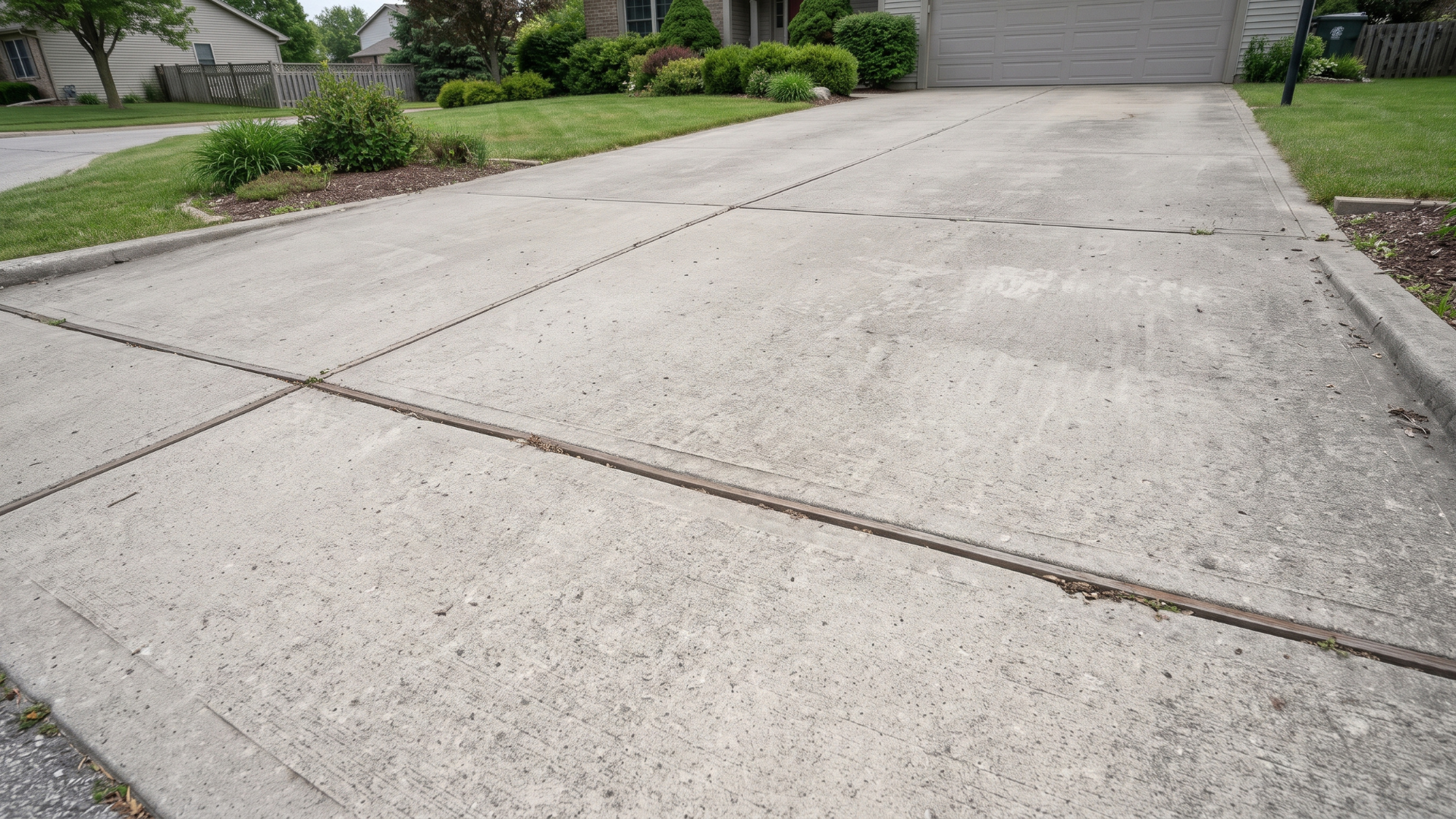
Expansion joints and cracks create natural pathways for water.
If joint material has failed or pulled away, deicing solution can reach deeper into the slab edges and surrounding concrete.
That can contribute to joint shoulder breakdown and make rolling traffic harder on the area.
Cracks should also be evaluated before they become wider or begin shedding material around the edges. Repeatedly filling a crack without understanding why it is moving may not solve the underlying problem.
Winter Damage Is Often Easier to See in Spring
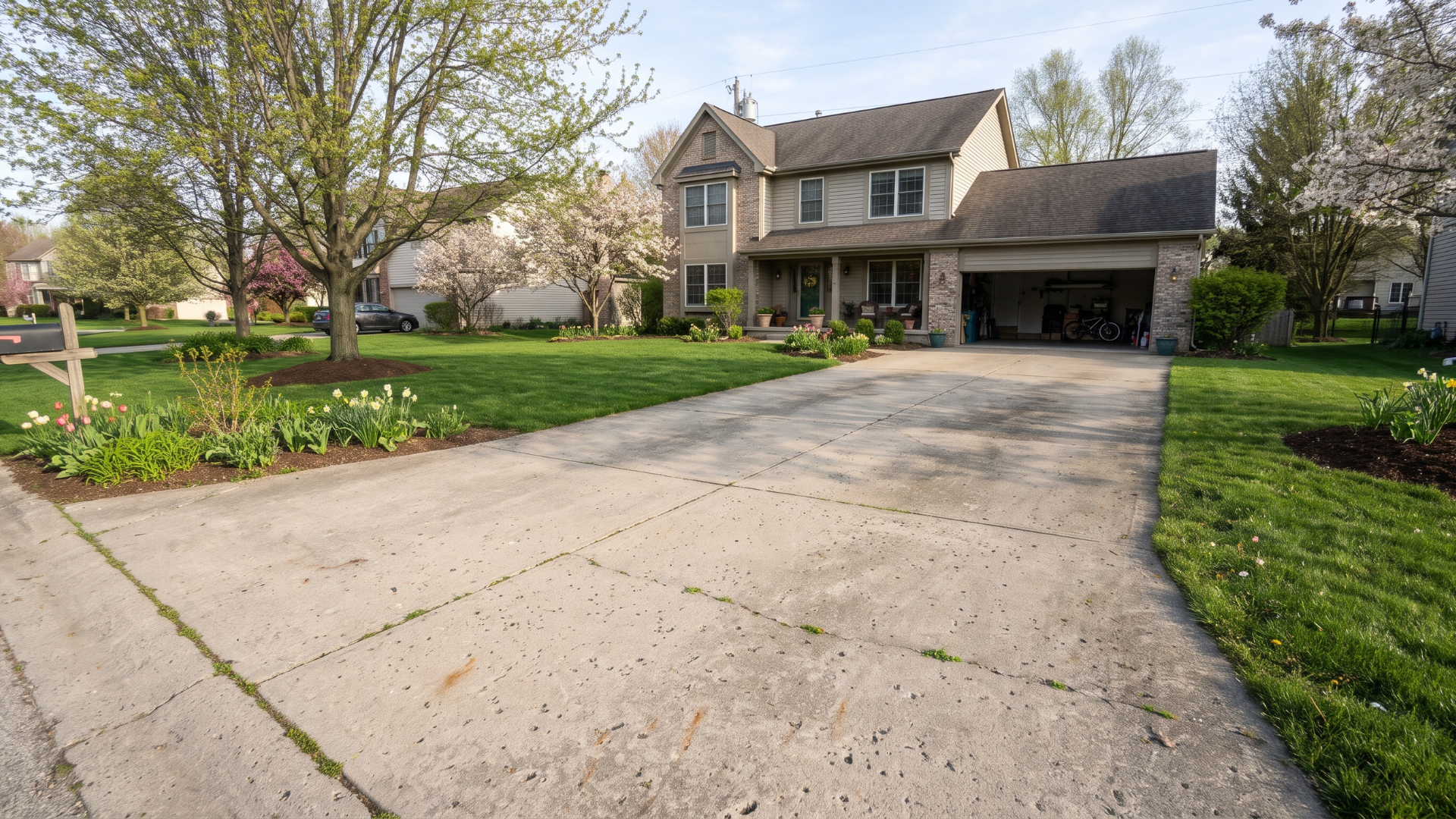
Some concrete problems become obvious only after winter is over.
As temperatures rise, property owners may notice new scaling, loose surface material, widened cracks, or deteriorated joints.
That makes spring a good time to inspect areas that received frequent deicing treatment during the winter.
Repair planning can then focus on the sections that actually need attention instead of replacing large areas of otherwise serviceable concrete.
Protect the Concrete You Already Have
Winter exposure does not automatically mean a slab needs to be replaced.
The better approach is to evaluate the condition of the surface, identify active damage, and determine what can still be preserved.
Rite-Wash focuses on concrete restoration and repair, including cracks, spalling, expansion joints, leveling, and other forms of deterioration.
For commercial and industrial property owners, addressing salt-related damage early can help prevent small surface problems from turning into larger repair projects. When sound concrete still has useful service life, targeted restoration can be a practical way to protect that asset and keep the property functioning safely.