Why Expansion Joint Failure Can Damage the Concrete Around It
Expansion joints are designed to give concrete room to move.
Temperature changes, moisture, traffic, and normal structural movement can all cause slabs to expand, contract, or shift slightly over time. A properly functioning joint helps manage that movement so stress is not transferred directly into the surrounding concrete.
When the joint material fails, the damage may not stay confined to the joint itself.
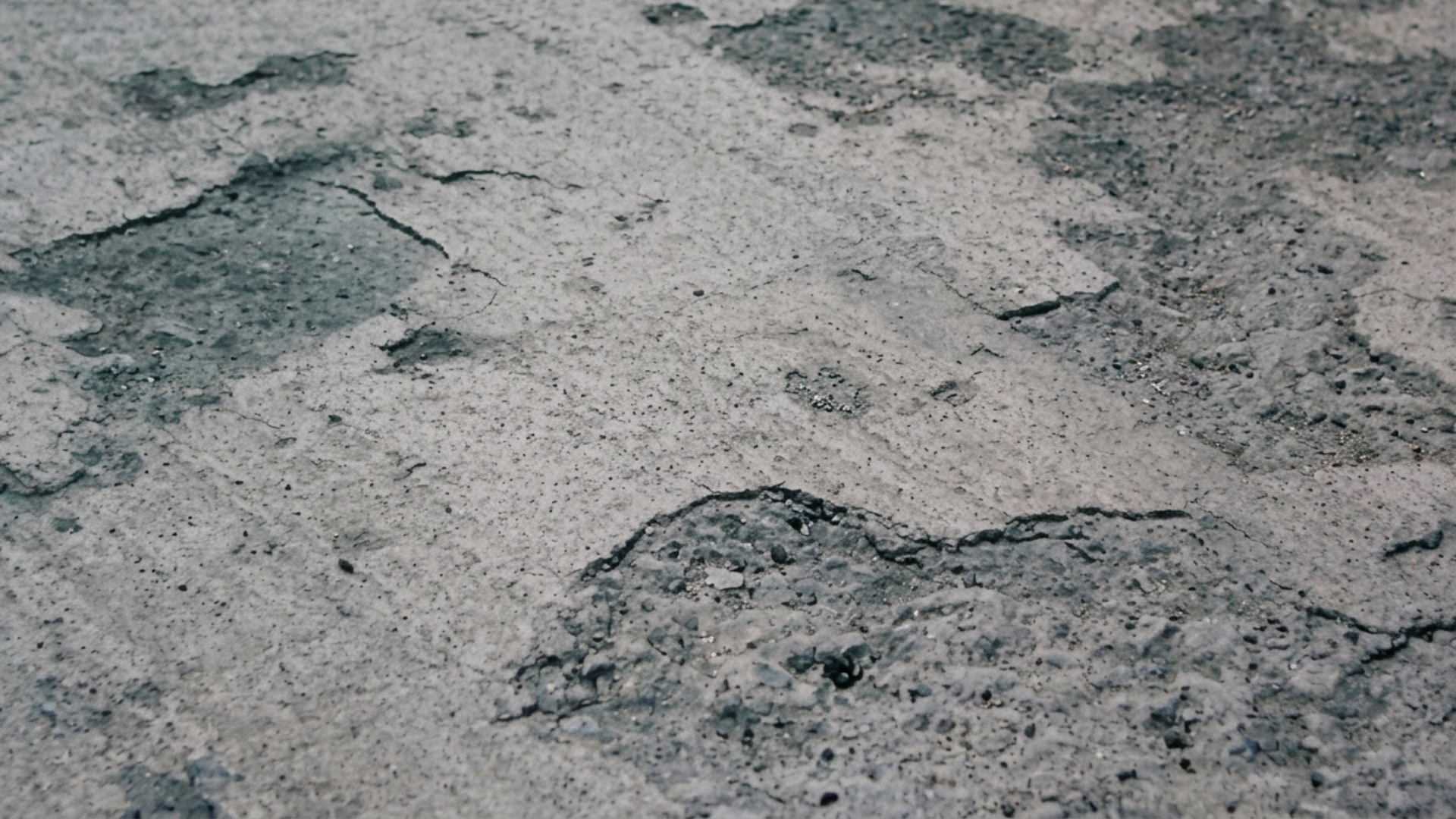
The edges of the concrete can begin to crack, chip, spall, or break down, turning a narrow maintenance issue into a larger repair problem.
Expansion Joints Have an Important Job
Concrete is rigid, but it is not completely motionless.
Seasonal temperature swings and changing moisture conditions can create movement within a slab.
Expansion joints are installed to accommodate that movement and reduce uncontrolled cracking.
The joint filler or sealant also helps keep debris, water, and contaminants out of the gap.
When the joint is intact, the adjacent slab edges are better protected.
When it deteriorates, those edges can become more vulnerable.
Failed Joint Material Leaves Edges Exposed
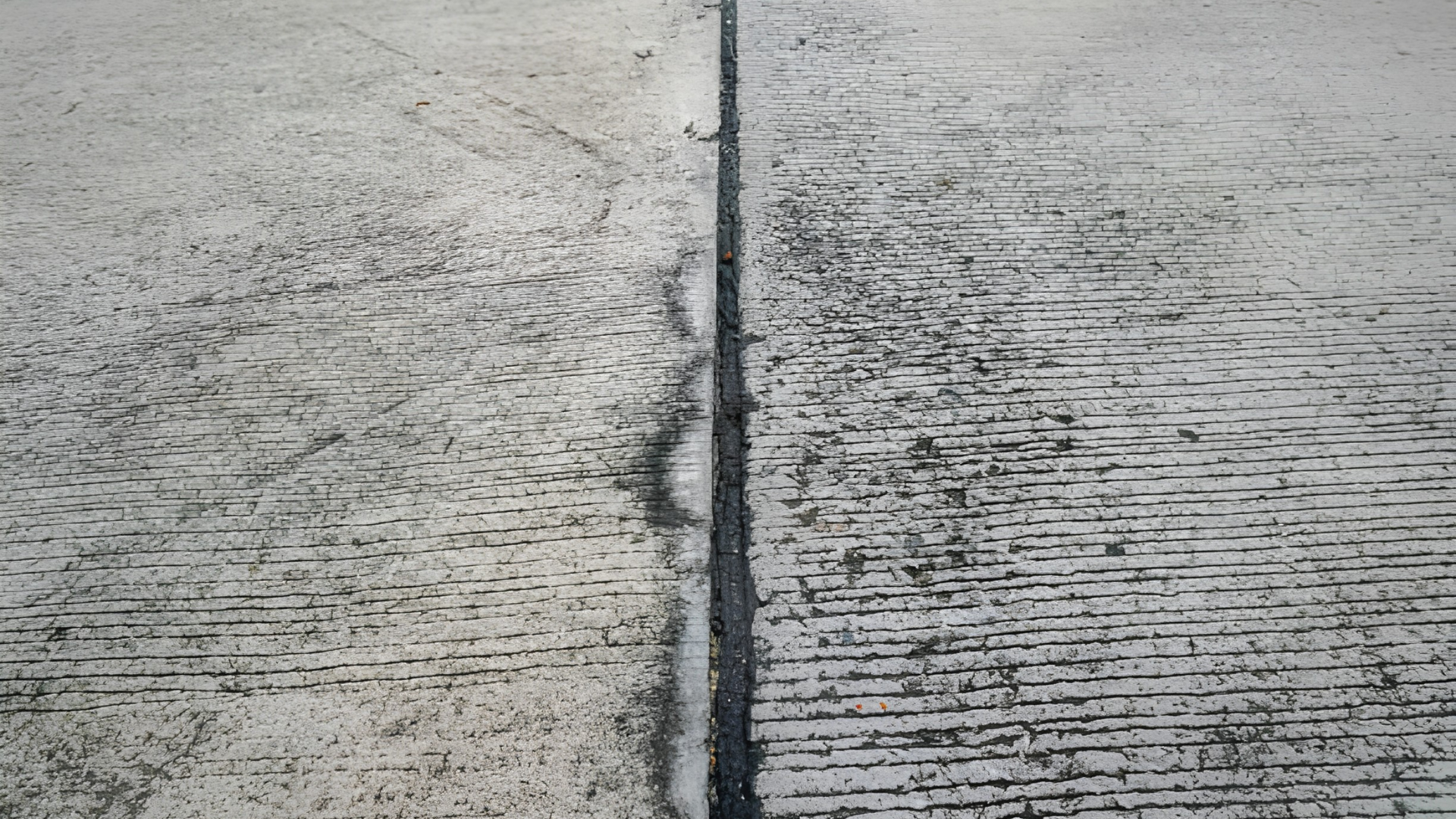
Joint material can shrink, tear, separate, harden, or pull away over time.
Once gaps develop, the concrete shoulders on either side lose some of their protection.
Small stones, dirt, metal fragments, and other debris can enter the joint.
As the slabs move, that debris may prevent the joint from closing as intended.
Instead of compressing against flexible material, the concrete can begin pressing against hard debris or against the neighboring slab.
That additional stress can contribute to chipping and edge failure.
Rolling Traffic Can Accelerate the Damage
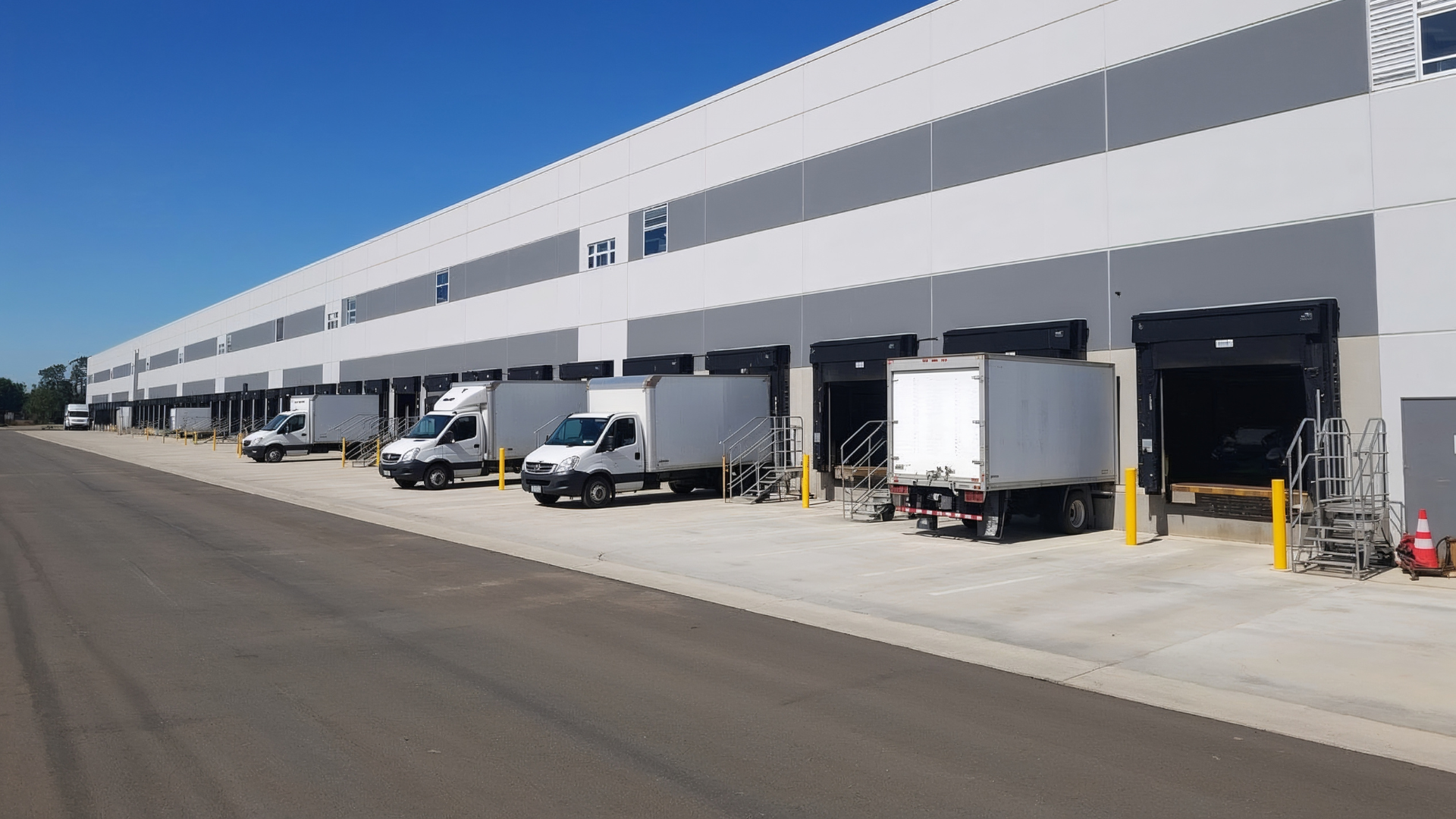
Expansion joint problems are especially important in warehouses, loading areas, service facilities, and other commercial or industrial environments.
Forklifts, pallet jacks, carts, and other wheeled equipment repeatedly cross the same joints.
If the joint edges are already cracked or unsupported, each pass can worsen the damage.
A small chip can become a larger depression.
The wheels may then strike that damaged area harder, creating a cycle of progressive deterioration.
This can affect both the floor and the equipment traveling over it.
Water Can Make a Failed Joint Worse
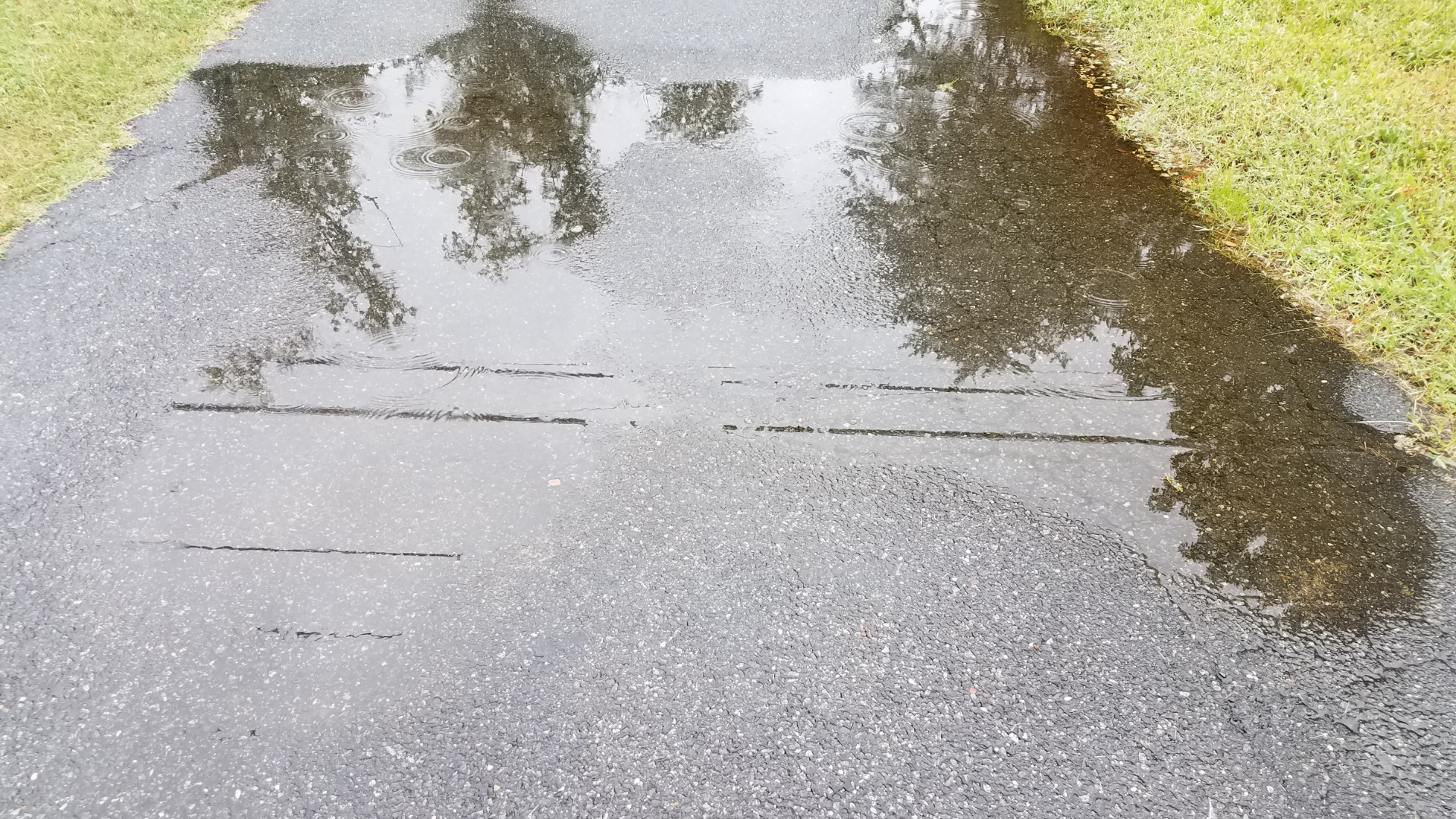
Open joints can also allow water to reach areas that were previously better protected.
Depending on the location and slab conditions, moisture may contribute to erosion, washout, freeze-thaw stress, or deterioration along the joint edges.
If water moves beneath the slab, it may also contribute to void formation or settlement.
That is why repairing the visible joint without considering drainage or moisture conditions may not always solve the entire problem.
Rite-Wash looks at joint failure as part of the surrounding concrete system, not just as a narrow gap that needs to be filled.
Repeated Failure Usually Has a Cause
If the same expansion joint keeps failing, simply replacing the material again may not be enough.
The repair should account for why the joint is breaking down.
Heavy traffic may be damaging the edges.
The original material may not be appropriate for the amount of movement.
The joint may be contaminated with debris.
The surrounding concrete may already be deteriorated.
There may also be underlying settlement or movement creating more stress than the joint was meant to handle.
Identifying that cause can help prevent the next repair from failing in the same way.
Timing Matters
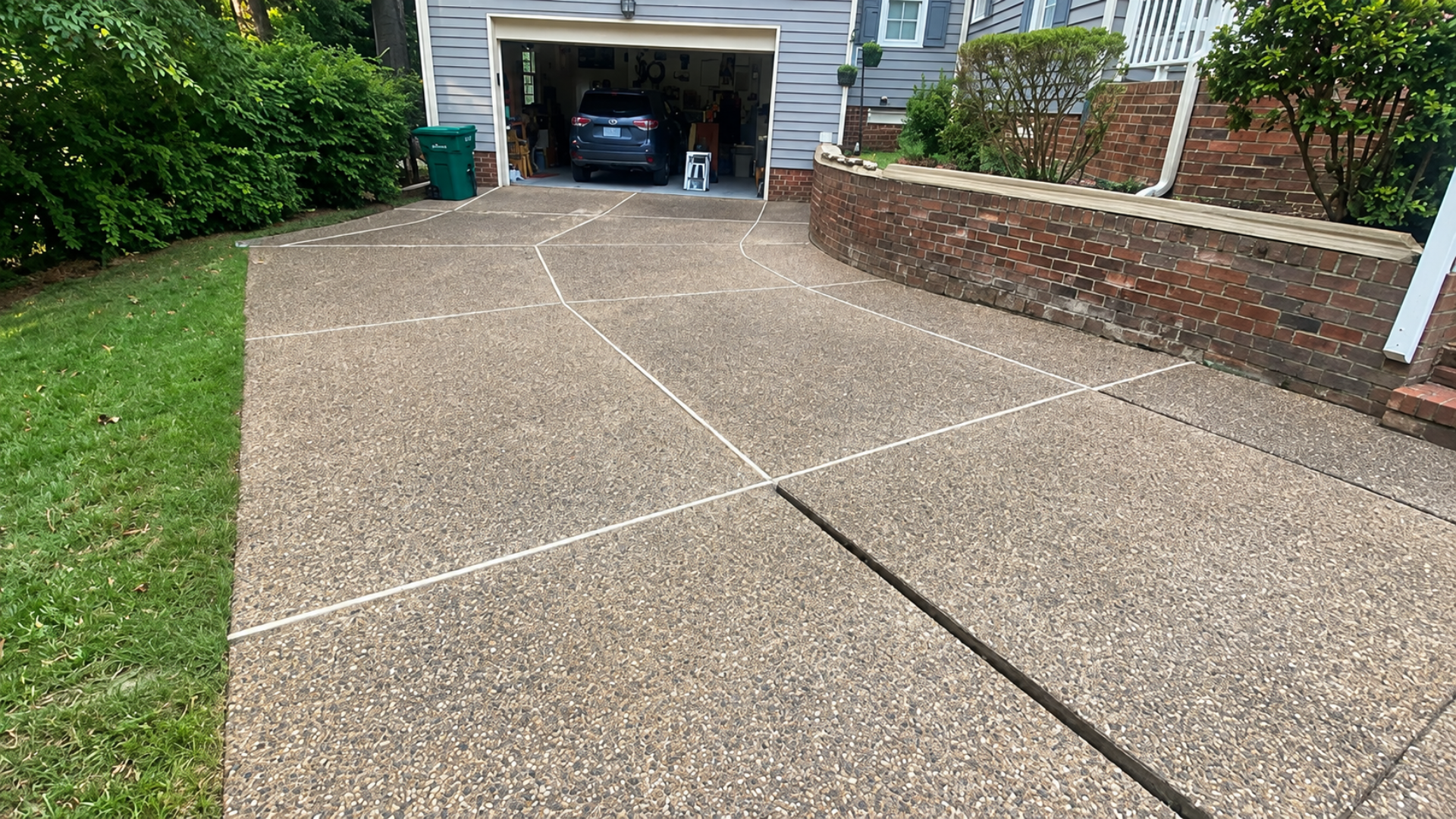
Joint repair is easier to manage before the adjacent concrete becomes badly damaged.
Once the joint shoulders begin breaking apart, the project may require more than replacing sealant or filler.
Damaged concrete may need to be repaired so the joint has sound edges again.
Addressing the problem earlier can help preserve more of the existing slab and reduce the need for a larger repair later.
That fits Rite-Wash's focus on restoration and asset preservation rather than replacing sound concrete unnecessarily.
Protect the Concrete Around the Joint
A failed expansion joint may look like a small maintenance issue, but it can place additional stress on the surrounding slab.
Debris, water, rolling loads, and repeated movement can all accelerate deterioration once the joint stops functioning properly.
Rite-Wash provides concrete repair and restoration, expansion joint repair, crack and spall repair, concrete leveling, and commercial and industrial concrete services.
If joint material is pulling away, breaking down, collecting debris, or surrounded by chipped concrete, addressing it early can help protect the slab around it and extend the useful life of the existing concrete.