Why Full Replacement Can Sometimes Be an Overreaction
Damaged concrete can look worse than it actually is.
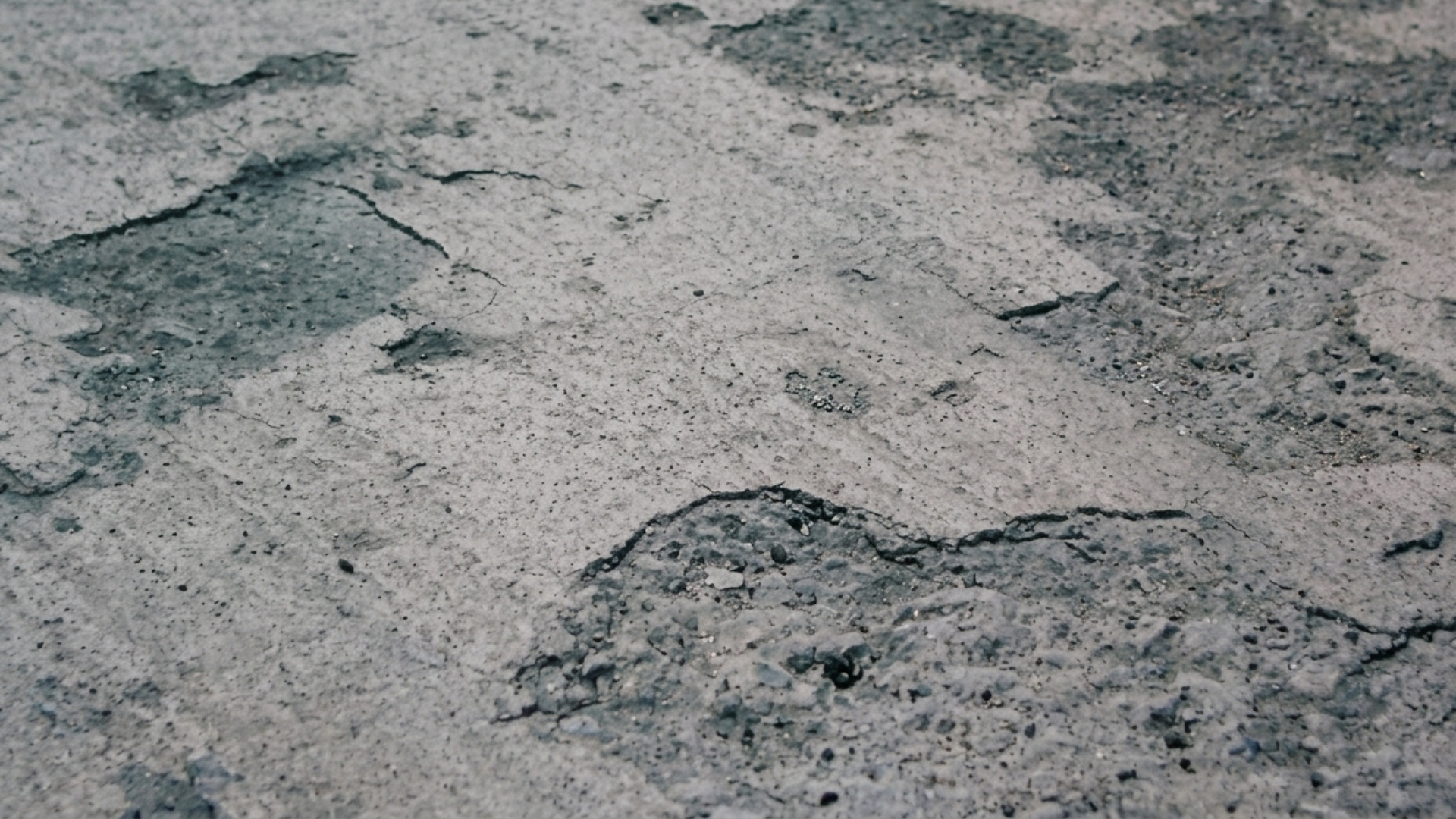
Cracks, surface spalling, uneven sections, failed joints, and worn edges can make a slab appear as though it needs to be completely torn out and replaced.
Sometimes replacement is necessary.
But in other cases, large portions of the concrete may still be sound, stable, and worth preserving.
That is why a careful condition assessment should come before a full replacement decision.
Appearance Does Not Always Equal Failure
Concrete can show visible wear without losing all of its useful service life.
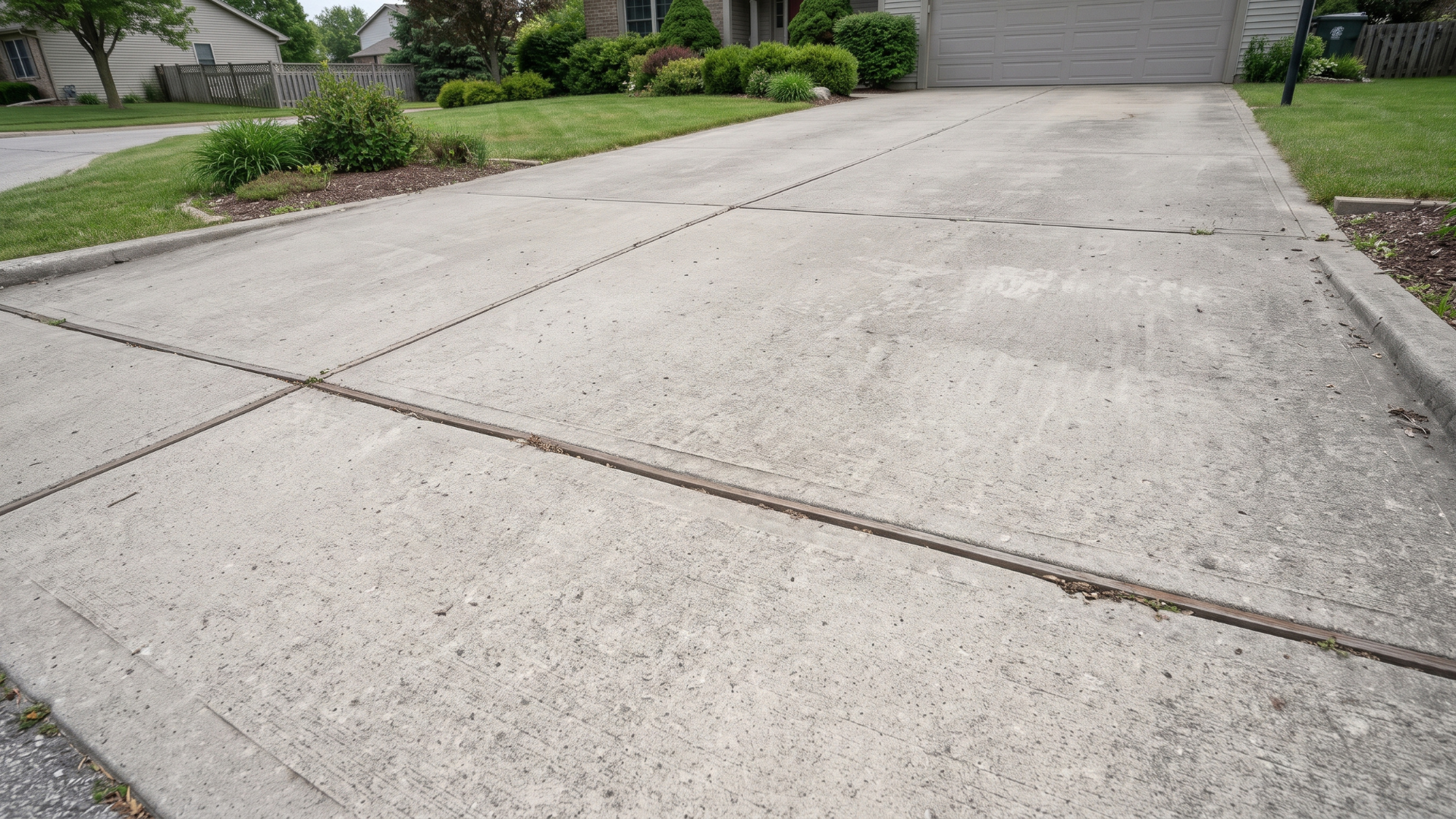
A slab may have localized cracking near one joint.
One corner may have settled.
A high-traffic section may be spalled while surrounding areas remain solid.
If the damage is concentrated in specific locations, removing the entire slab may be more work than the condition actually requires.
Rite-Wash focuses on identifying which areas are truly failing and which portions can remain in service.
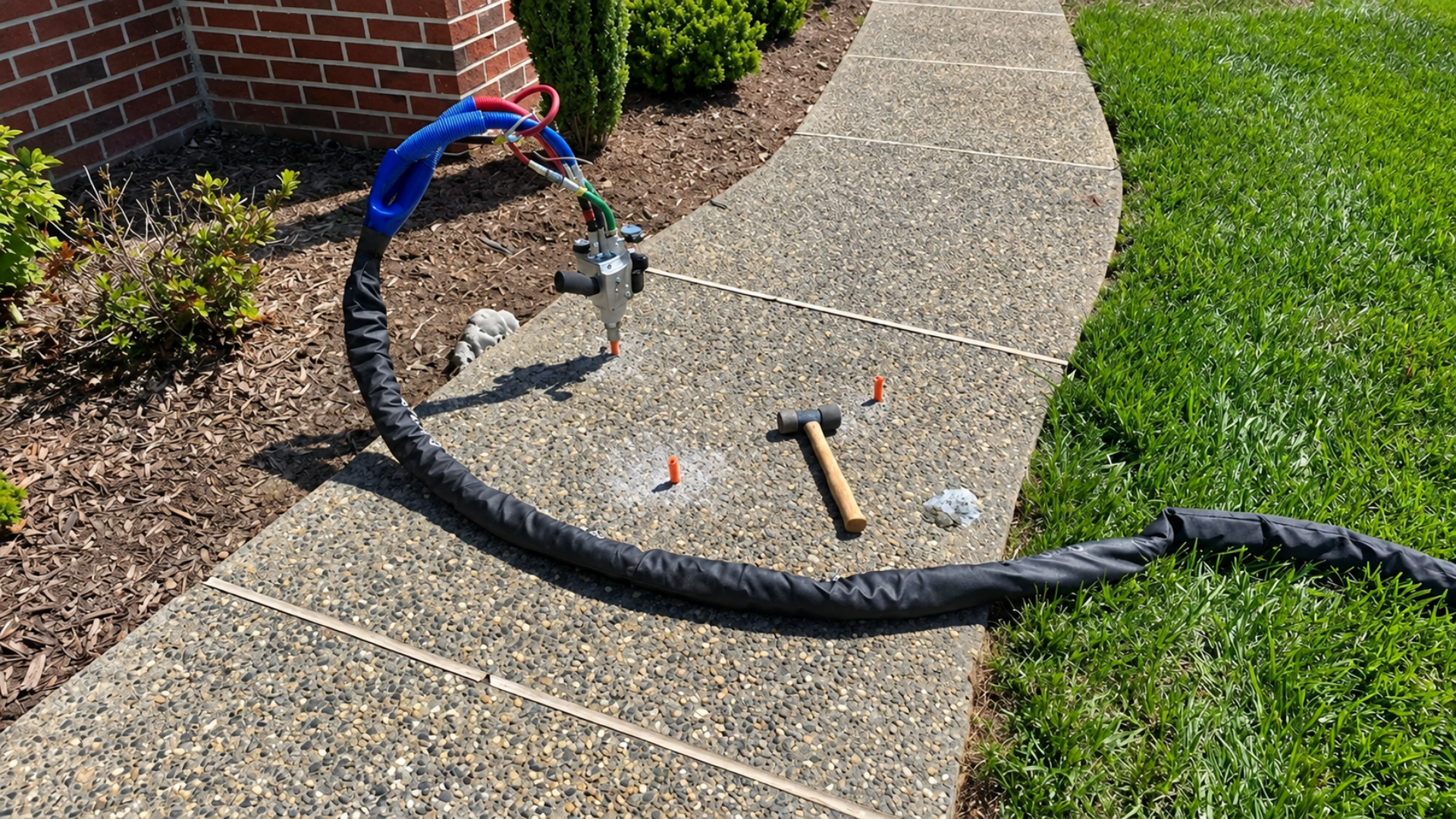
Targeted Repairs Can Address Localized Problems
Different types of damage call for different solutions.
Cracks may be repairable.
Failed expansion joints can often be restored.
Spalled sections may be rebuilt.
Uneven slabs may sometimes be leveled.
Damaged edges can be repaired without removing every square foot of surrounding concrete.
A targeted approach allows the repair plan to address the actual defect instead of assuming the whole slab has reached the end of its life.
The Cause Matters More Than the Surface
Before deciding on replacement, it is important to understand why the damage occurred.
A sunken section may point to a void beneath the slab.
Repeated edge damage may come from forklift traffic.
Cracking around a joint may be related to failed joint material.
Surface deterioration may be connected to water exposure, freeze-thaw cycles, or chemical wear.
If the underlying cause is not addressed, even new concrete can eventually experience similar problems.
Repair planning should therefore begin with diagnosis, not demolition.
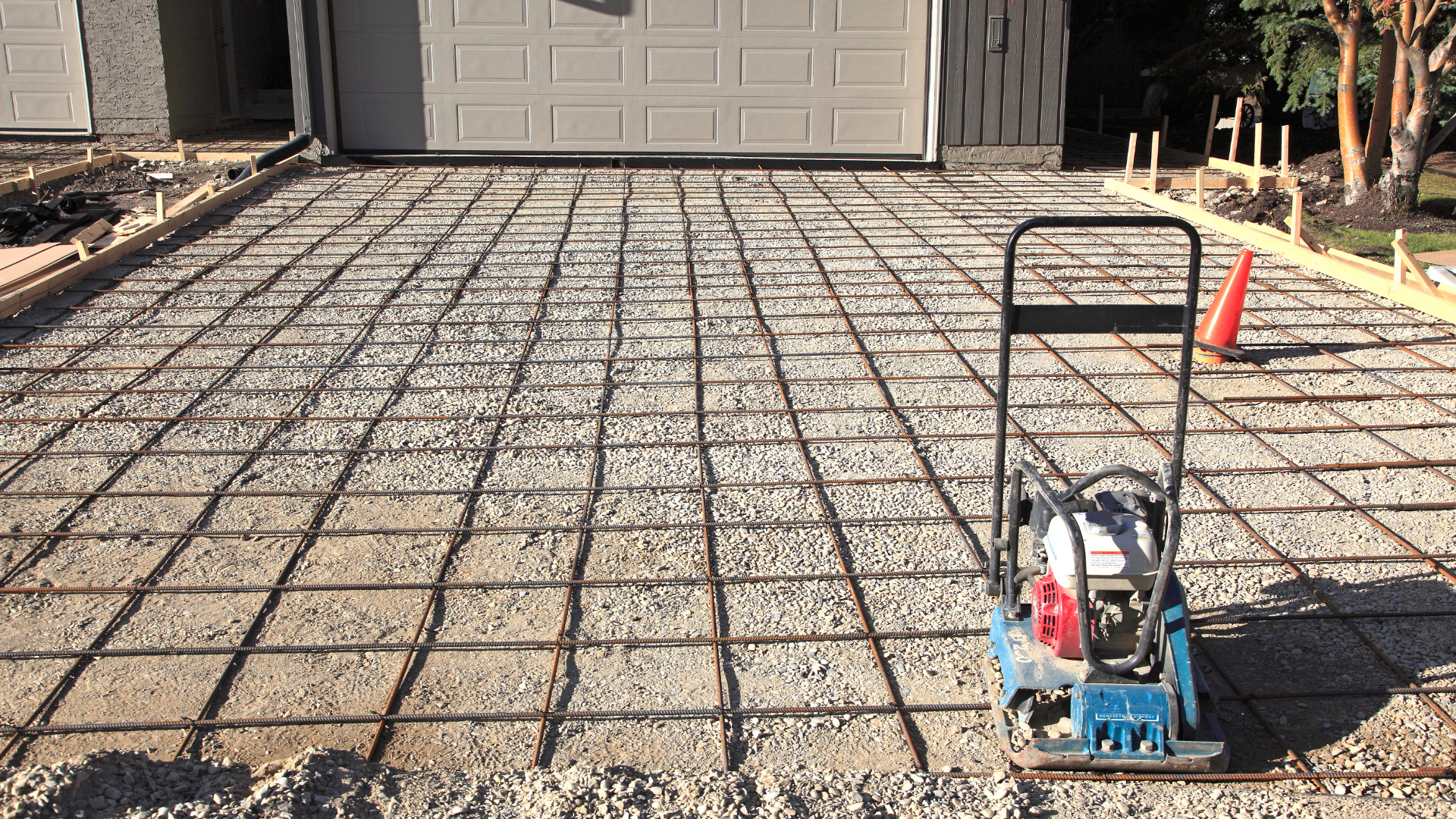
Replacement Can Create Its Own Disruption
On commercial and industrial properties, concrete replacement can affect operations.
Tear-out creates debris, noise, access restrictions, and scheduling challenges.
New concrete also needs adequate time before it can return to service, especially in areas exposed to heavy traffic or equipment loads.
If a repair can safely preserve the existing slab while reducing downtime, that may be a better fit for the property.
Rite-Wash works with property owners and facility managers to balance condition, risk, and operational needs.
Sound Concrete Has Value
Existing concrete that is still structurally sound represents an asset.
Removing it simply because nearby sections are damaged may waste usable material and increase project scope unnecessarily.
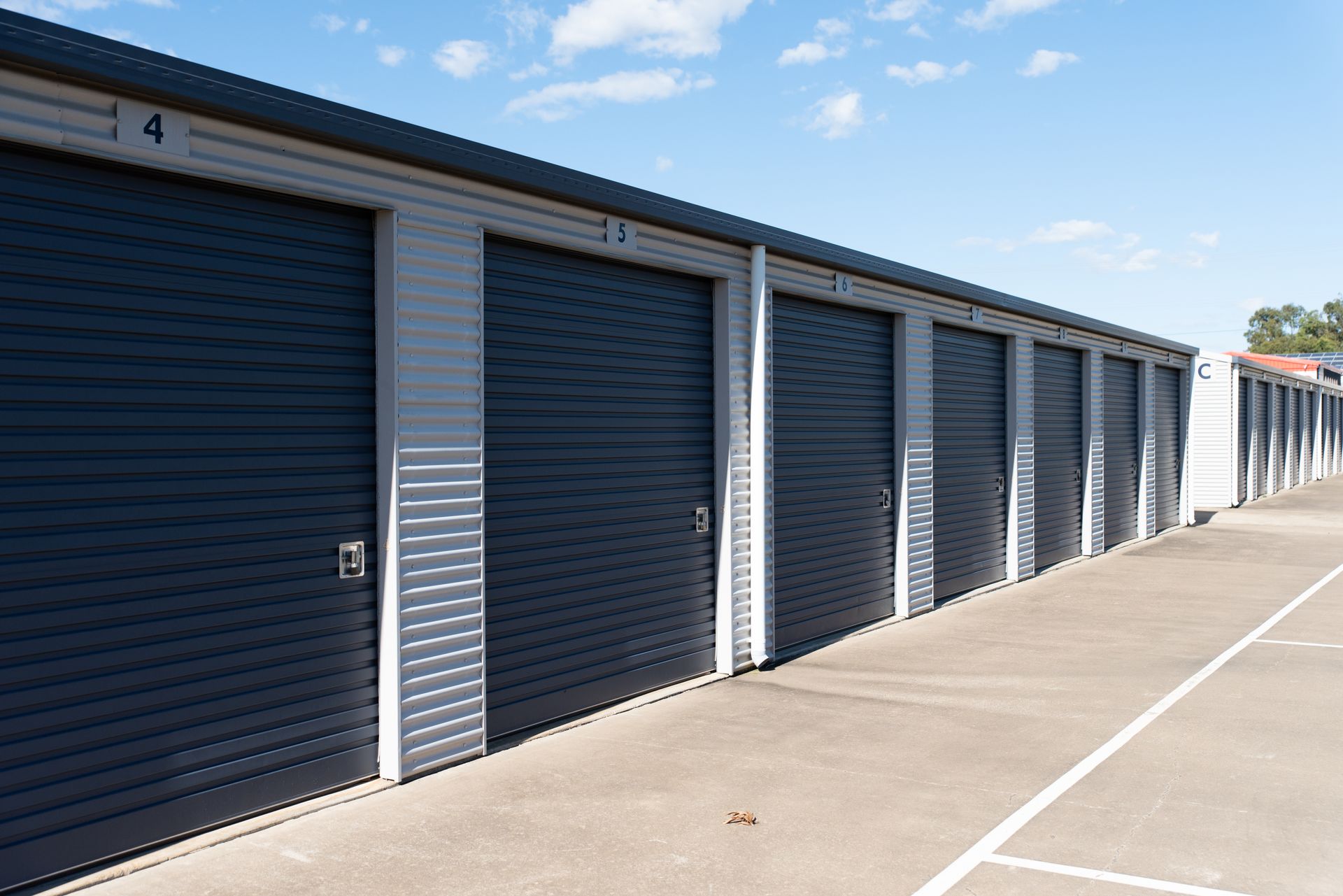
Preservation can be especially valuable on large warehouse floors, loading areas, walkways, industrial slabs, and commercial properties where only certain zones receive severe wear.
The goal is not to save concrete that has truly failed.
It is to avoid replacing material that still has useful life.
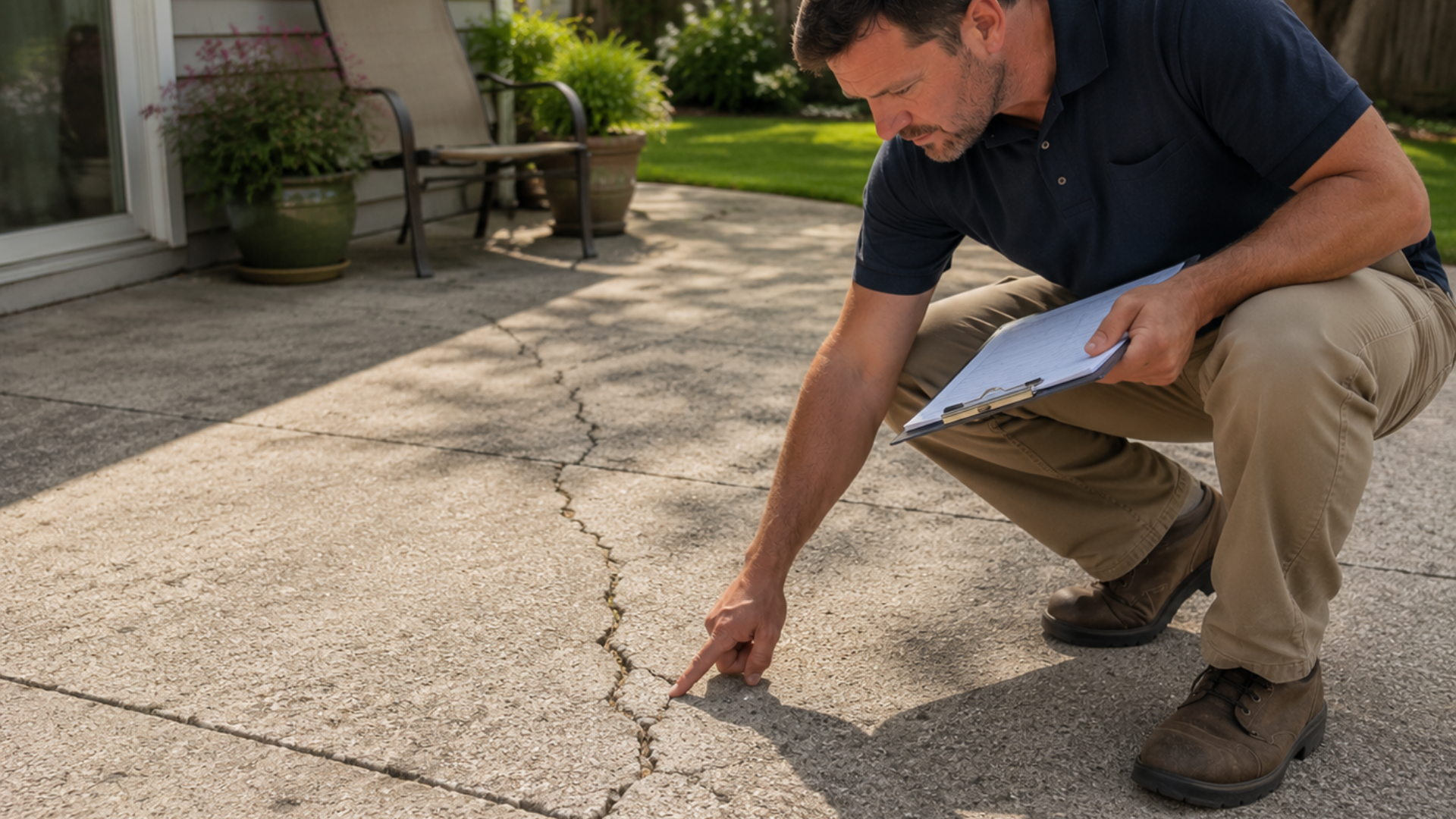
A Condition Map Can Clarify the Decision
For larger properties, documenting where different types of damage occur can help.
A condition map may show cracks, settlement, spalling, joint failure, drainage problems, and high-traffic wear.
That makes it easier to separate isolated defects from widespread deterioration.
It can also help prioritize repairs based on safety, operational risk, and likelihood of further damage.
This approach creates a more strategic plan than simply replacing everything that looks imperfect.
Some Slabs Really Do Need Replacement
Preservation should not be forced when conditions do not support it.
Concrete with extensive structural deterioration, severe movement, widespread settlement, or repeated failure across a large area may no longer be a good candidate for targeted repair.
The important part is making that decision based on condition rather than appearance alone.
Repair What Needs Repair and Preserve What Does Not
Full replacement can be the right solution, but it should not automatically be the first one.
When damage is localized, targeted restoration may extend the useful life of the existing concrete while reducing unnecessary demolition and disruption.
Rite-Wash provides concrete repair and restoration, crack and spall repair, expansion joint repair, leveling, and commercial and industrial concrete services.
If damaged concrete looks like it needs complete replacement, a closer assessment may reveal that much of the slab is still worth saving.