When a Concrete Crack Is Cosmetic and When It Needs Repair
Cracks are common in concrete, but they do not all mean the same thing. Some are minor surface imperfections that have little effect on performance, while others can indicate movement, moisture intrusion, settlement, or deterioration that should be addressed.
For property owners and facility managers, the key is understanding the difference between a cosmetic crack and one that may require professional repair. Rite-Wash focuses on restoring and preserving existing concrete whenever practical, using targeted repairs rather than assuming damaged concrete must be replaced.
Cosmetic Cracks Are Usually Small and Stable
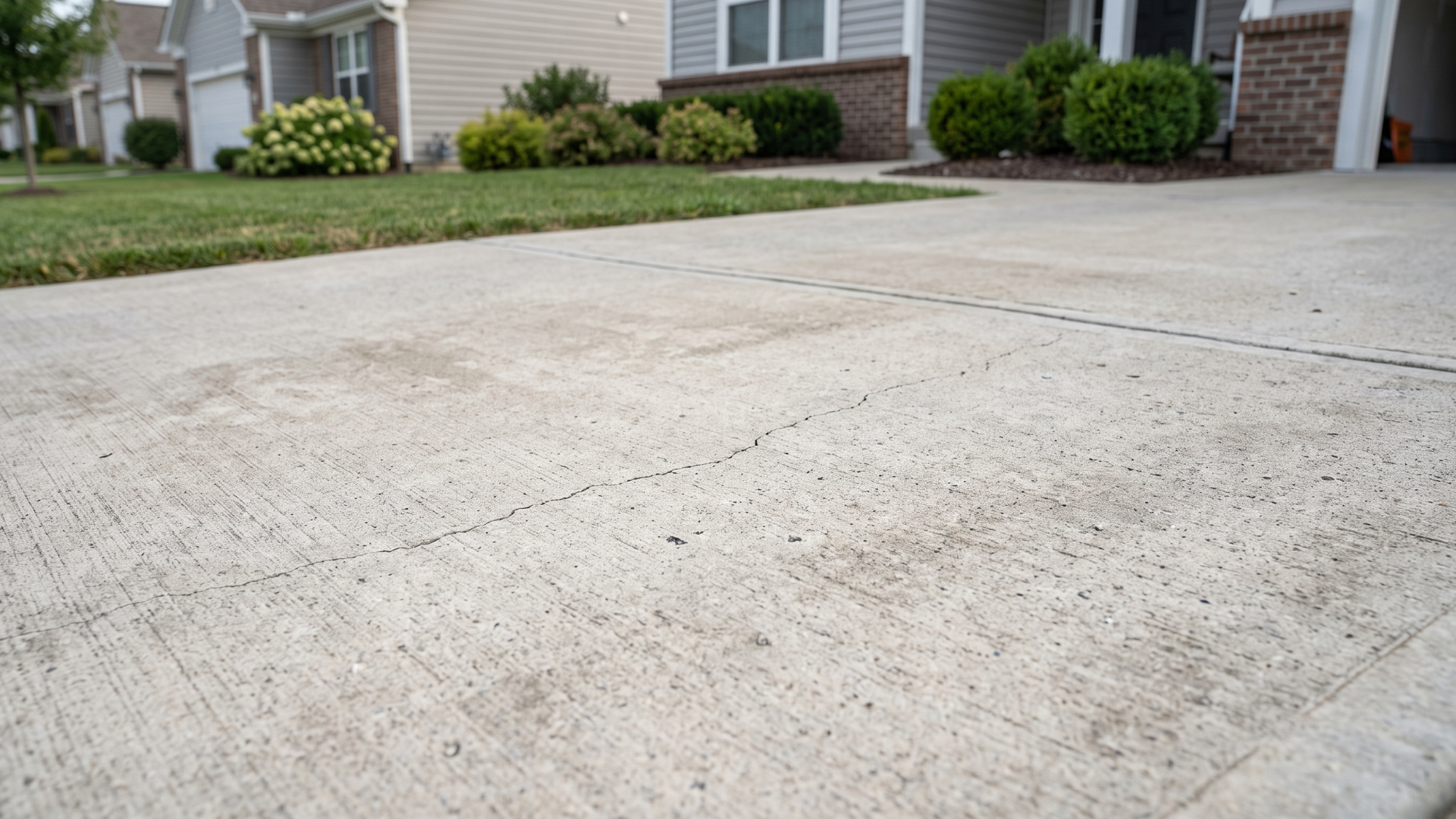
A cosmetic crack is generally narrow, shallow, and relatively stable over time.
Hairline cracks can develop as concrete cures and dries. Concrete naturally shrinks during this process, and small cracks may appear even when the slab remains structurally sound.
These cracks may affect appearance without creating an immediate performance problem.
The important factor is whether the crack remains essentially unchanged. A
thin crack that has looked the same for years is different from one that continues widening, lengthening, or developing vertical displacement.
Width Is Only Part of the Story
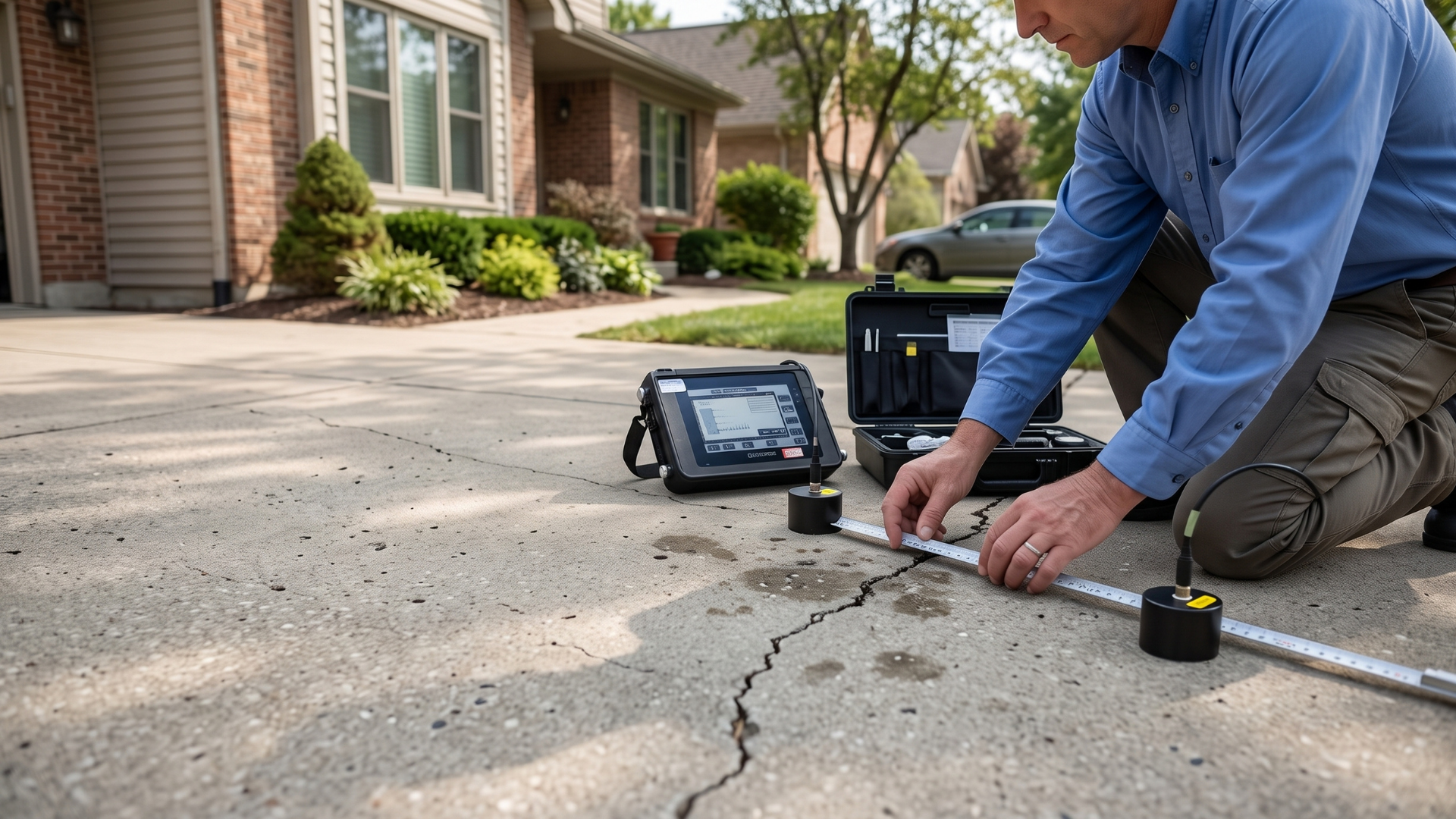
It is tempting to judge a crack entirely by its width, but size alone does not provide the full picture.
A relatively narrow crack may still deserve attention if water is entering through it or if the two sides of the slab are moving independently. Likewise, a wider crack may be stable if the original movement that caused it has stopped.
Location, depth, movement, surrounding deterioration, and exposure to moisture should all be considered.
A professional evaluation can help determine whether the crack is limited to the surface or connected to a larger issue within or beneath the concrete.
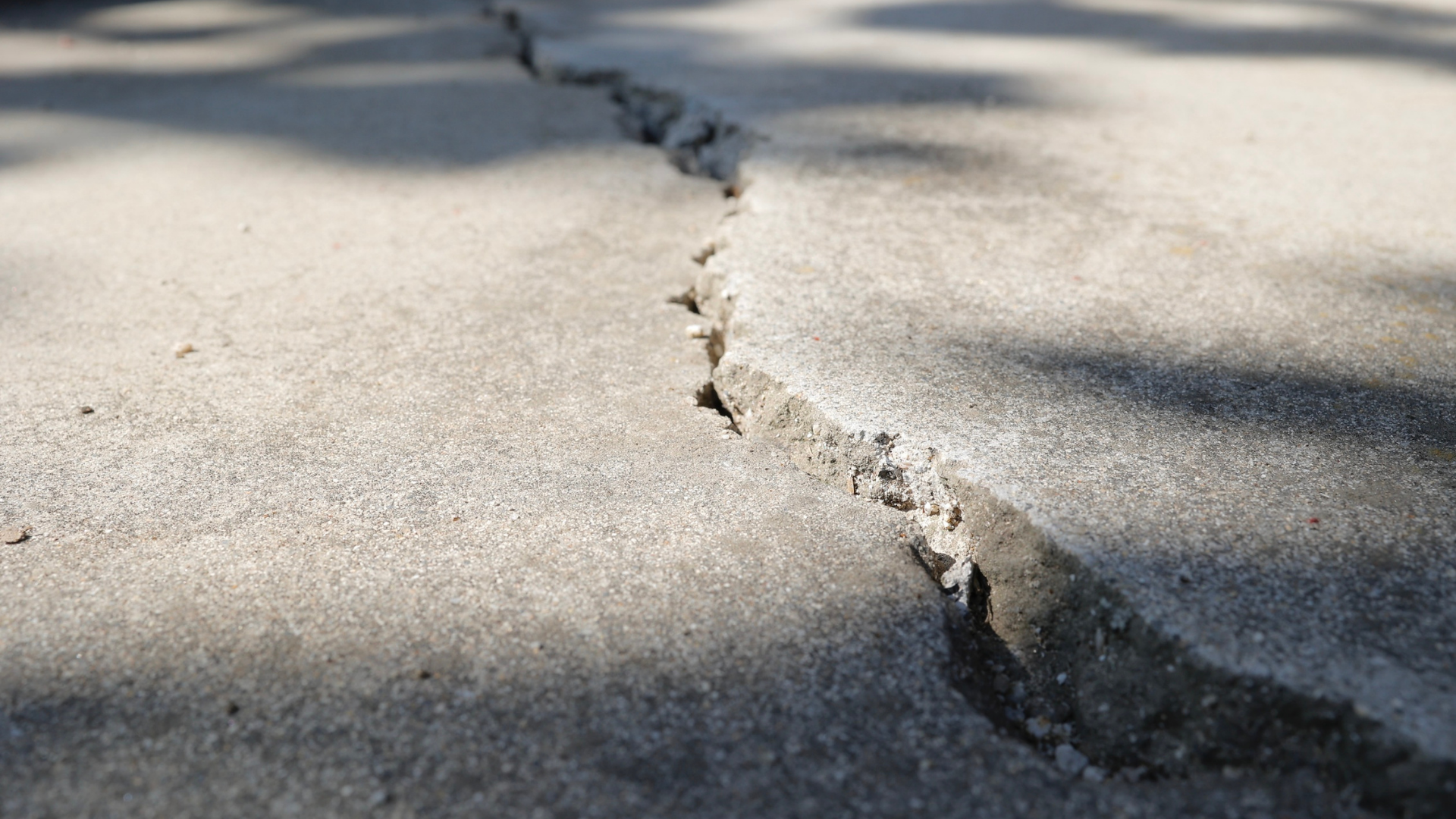
Vertical Movement Is a Warning Sign
When one side of a crack sits higher than the other, the problem is generally more significant than a simple surface crack.
This type of displacement can occur when the soil beneath a slab settles, washes away, or provides uneven support. Heavy loads and drainage problems can also contribute to slab movement.
Uneven concrete can create trip hazards on walkways and operational problems in commercial or industrial environments.
Repairing the visible crack alone may not solve the issue if movement beneath the slab is continuing.
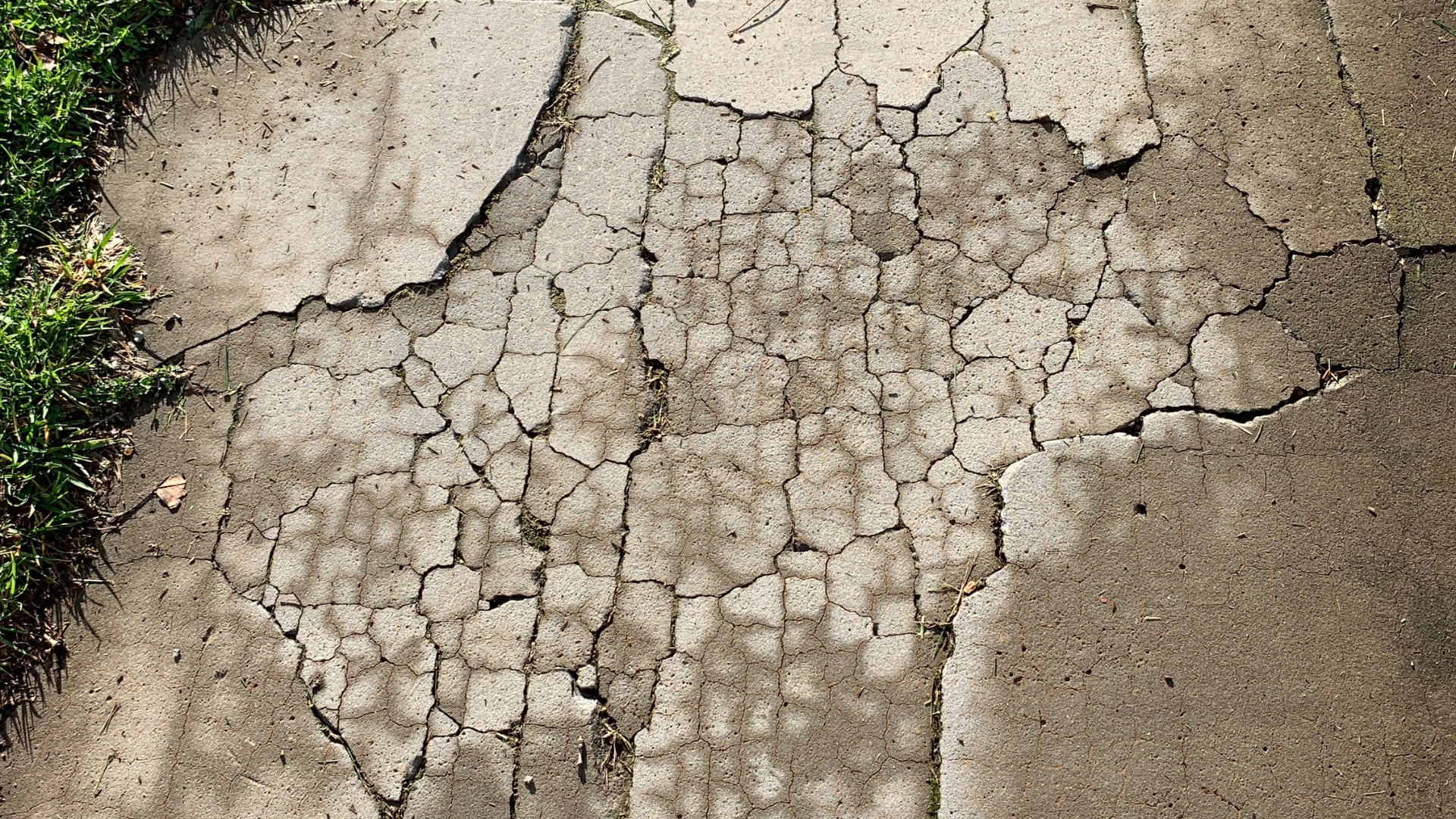
Water Can Turn a Small Crack Into a Larger Problem
Cracks can create pathways for moisture.
Once water enters concrete or reaches the material beneath a slab, it may contribute to further deterioration. In climates with freezing temperatures, trapped moisture can expand during freeze-thaw cycles and worsen existing damage.
Water beneath the slab can also contribute to soil erosion or loss of support.
This is why cracks near drainage paths, downspouts, exterior joints, or areas where water regularly collects may deserve attention even when they initially appear minor.
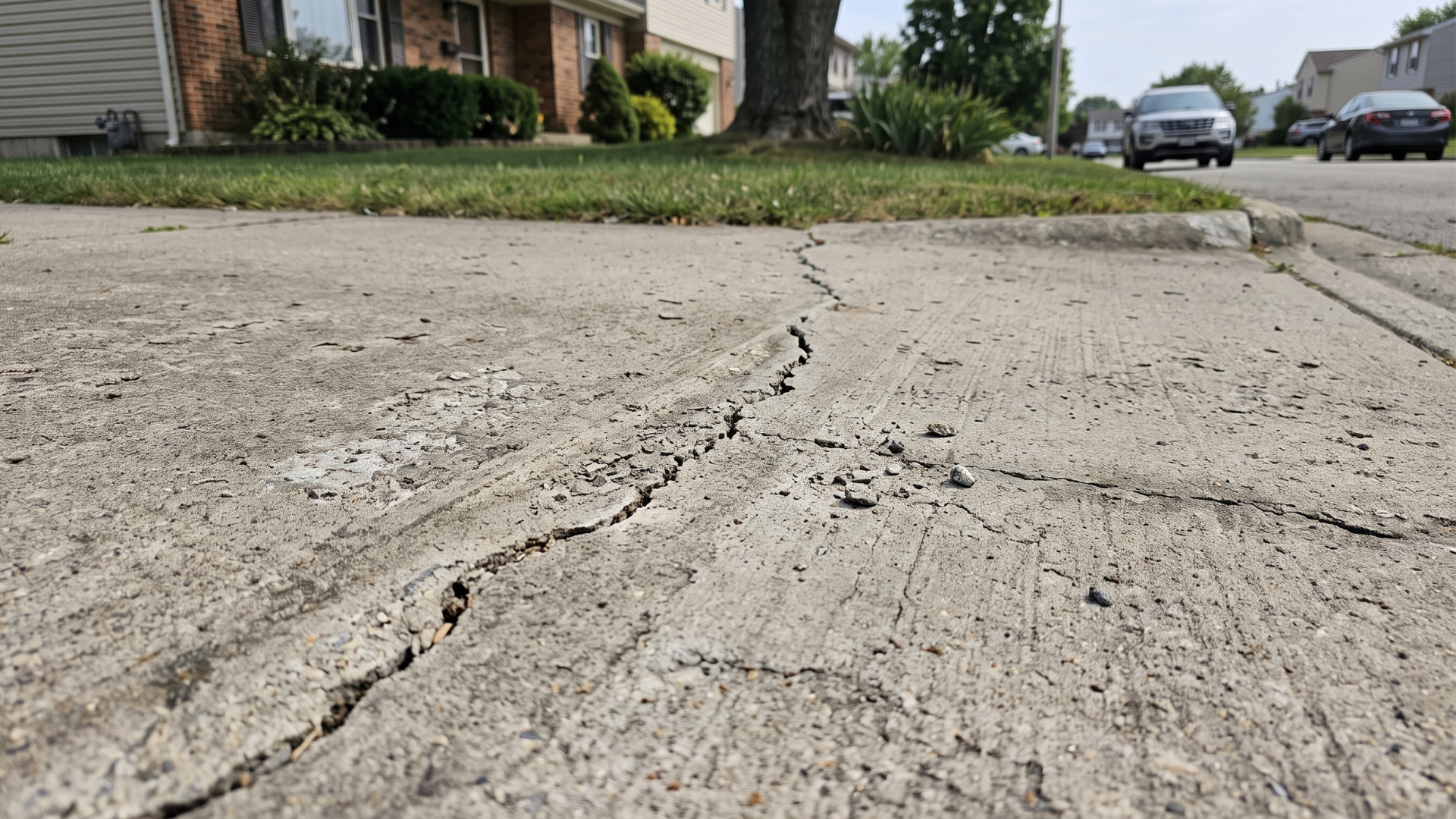
Look for Changes Around the Crack
The surrounding concrete can provide valuable clues.
Spalling, flaking, crumbling edges, exposed aggregate, staining, or deteriorated joint material may indicate that the problem extends beyond a simple cosmetic crack.
A crack that continues growing should also be evaluated. Property owners can sometimes monitor questionable cracks by noting their size and checking periodically for changes.
If movement becomes noticeable, the underlying cause should be identified before the damage becomes more extensive.
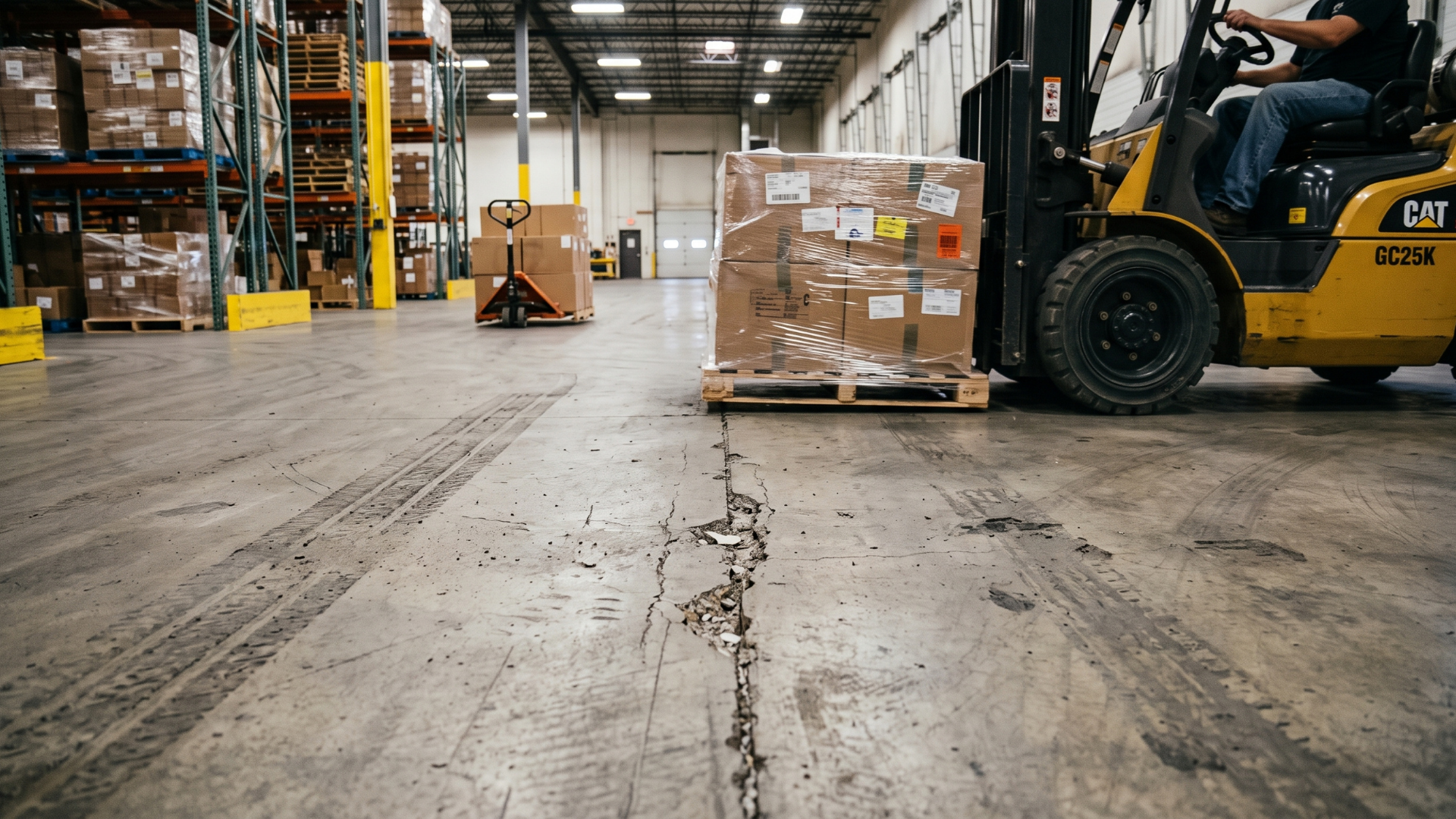
Commercial Floors Require Extra Attention
A crack that seems minor in a residential setting can become more important in a warehouse, manufacturing facility, loading area, or other high-traffic environment.
Forklifts, carts, pallet jacks, and other equipment repeatedly crossing a damaged area can break down crack edges and accelerate deterioration. A small defect may gradually become a rough joint, uneven surface, or maintenance problem.
Early repairs can often help preserve a larger section of otherwise serviceable concrete and reduce future disruption.
Repair the Cause, Not Just the Appearance
The best concrete repair begins by understanding why the crack developed.
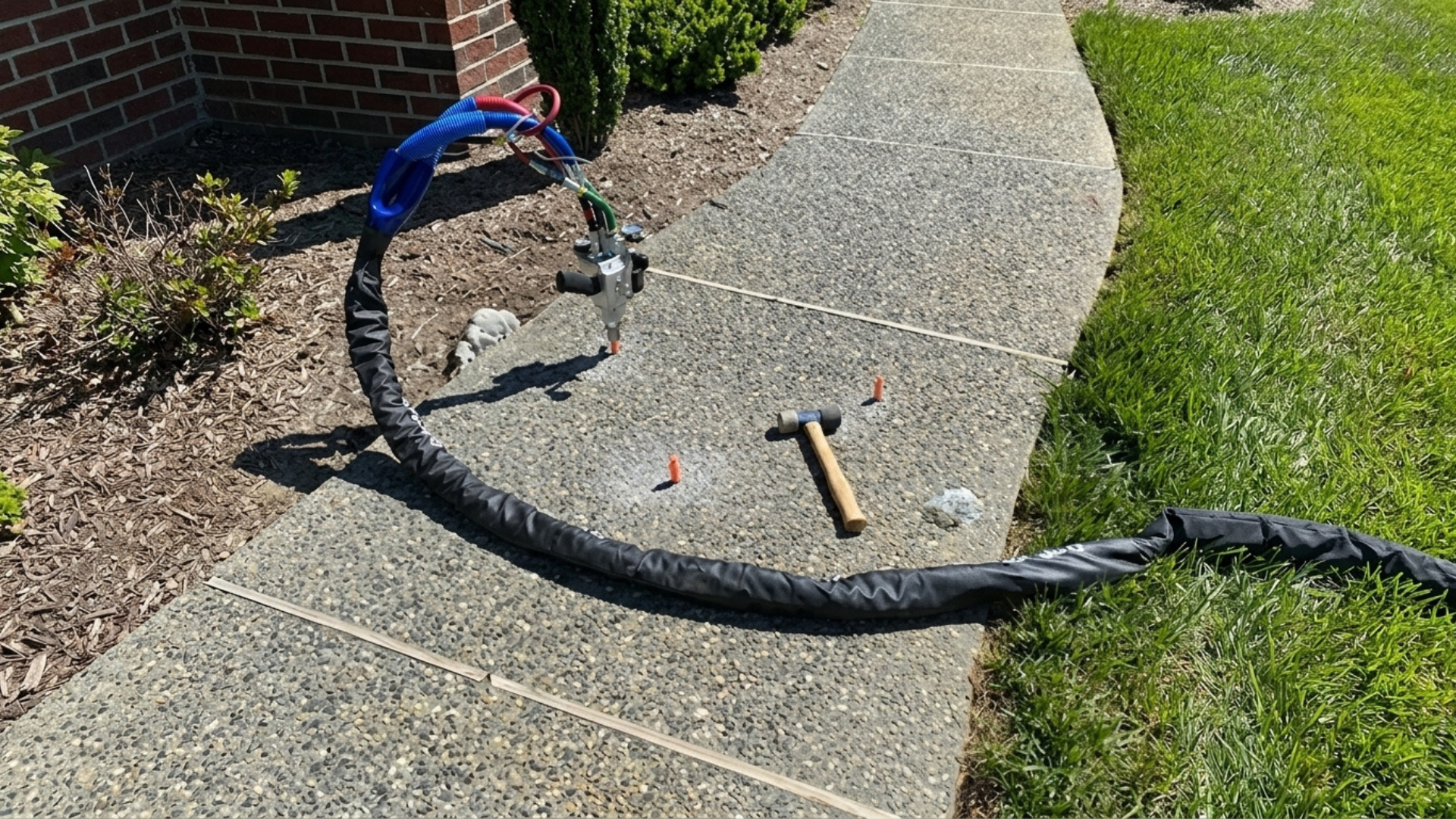
Some cracks may only require targeted treatment. Others may be connected to failed joints, settlement, drainage problems, voids beneath the slab, or ongoing concrete movement.
Simply filling a crack without addressing the cause can lead to repeat failure.
Rite-Wash specializes in concrete restoration, crack repair, leveling, expansion joint repair, spalling remediation, and other targeted solutions designed to preserve existing concrete whenever possible. If a crack is widening, moving, allowing water intrusion, or creating an uneven surface, contact
Rite-Wash for an evaluation. Addressing the problem early can help extend the service life of the surrounding concrete and avoid unnecessary replacement.