What Happens When Expansion Joints Fail?
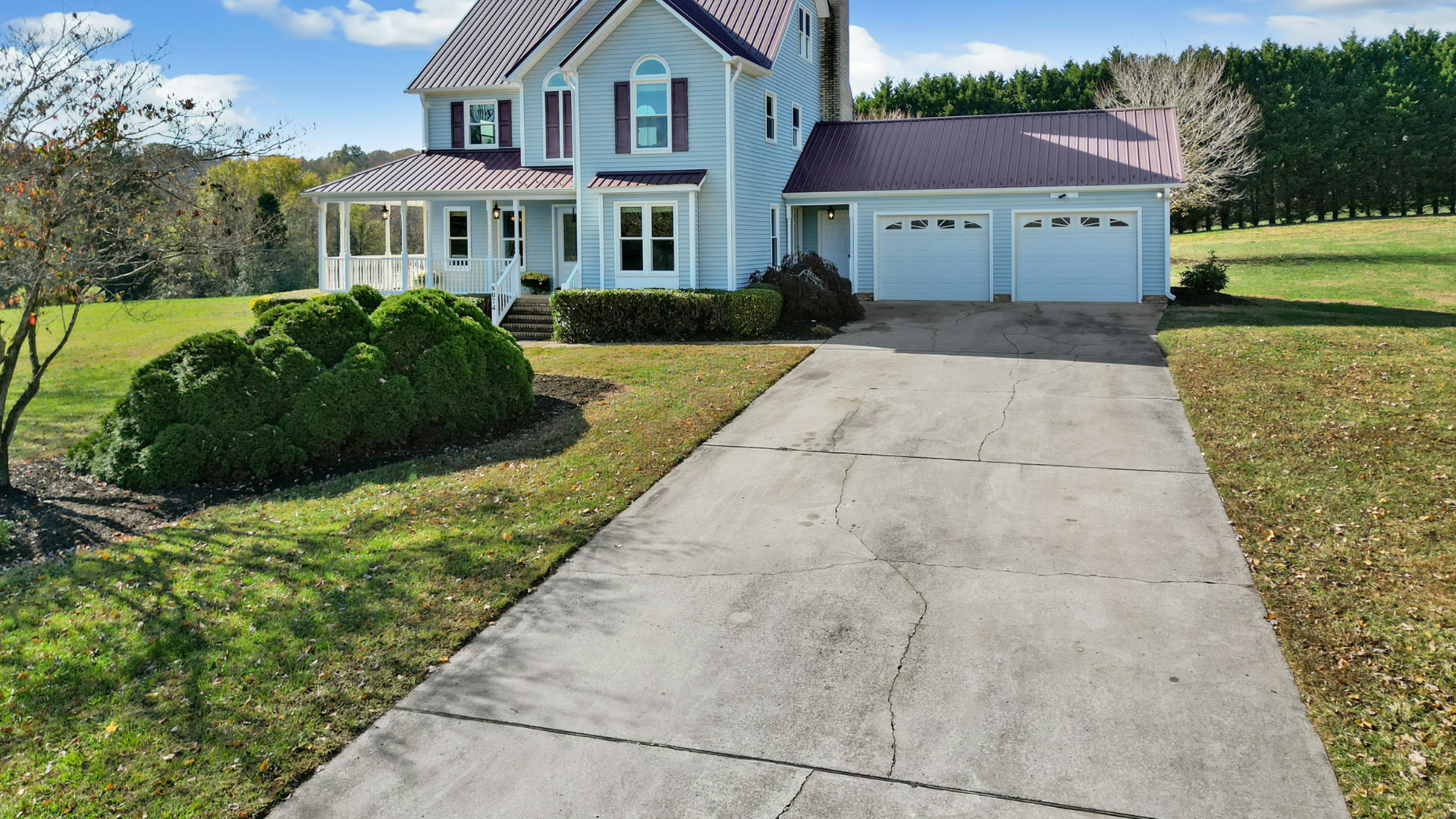
Concrete may look rigid and permanent, but it is constantly reacting to changes in temperature, moisture, and load. Expansion joints are built into concrete surfaces to help manage that movement. They create controlled spaces between slabs so concrete can expand and contract without placing excessive stress on surrounding areas.
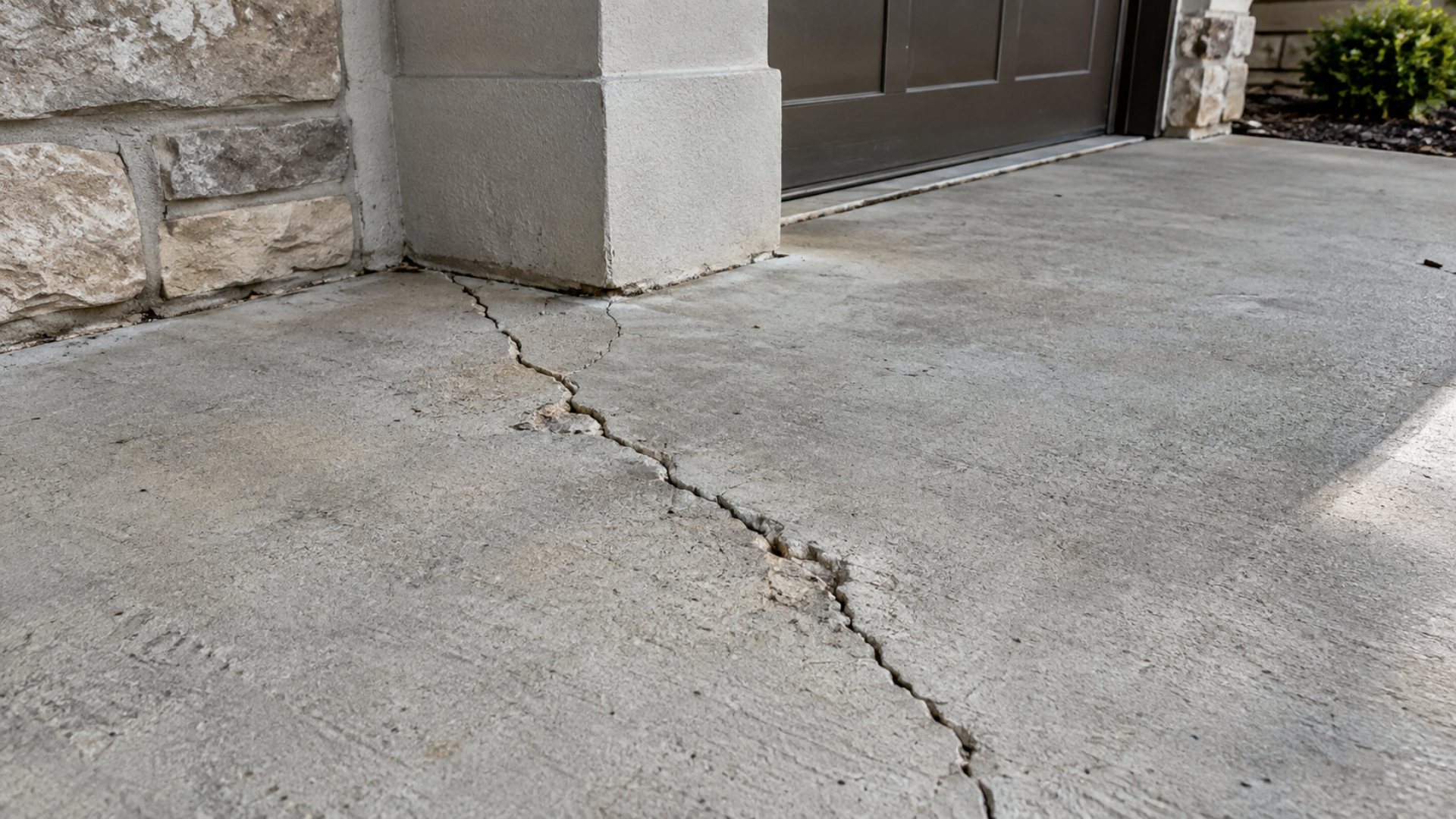
When those joints begin to fail, the damage can spread beyond the joint itself. Cracking, spalling, water intrusion, and edge deterioration may develop around otherwise serviceable concrete. Rite-Wash specializes in concrete repair and restoration, helping property owners address failed joints early so existing concrete can remain functional for as long as possible.
Why Expansion Joints Matter
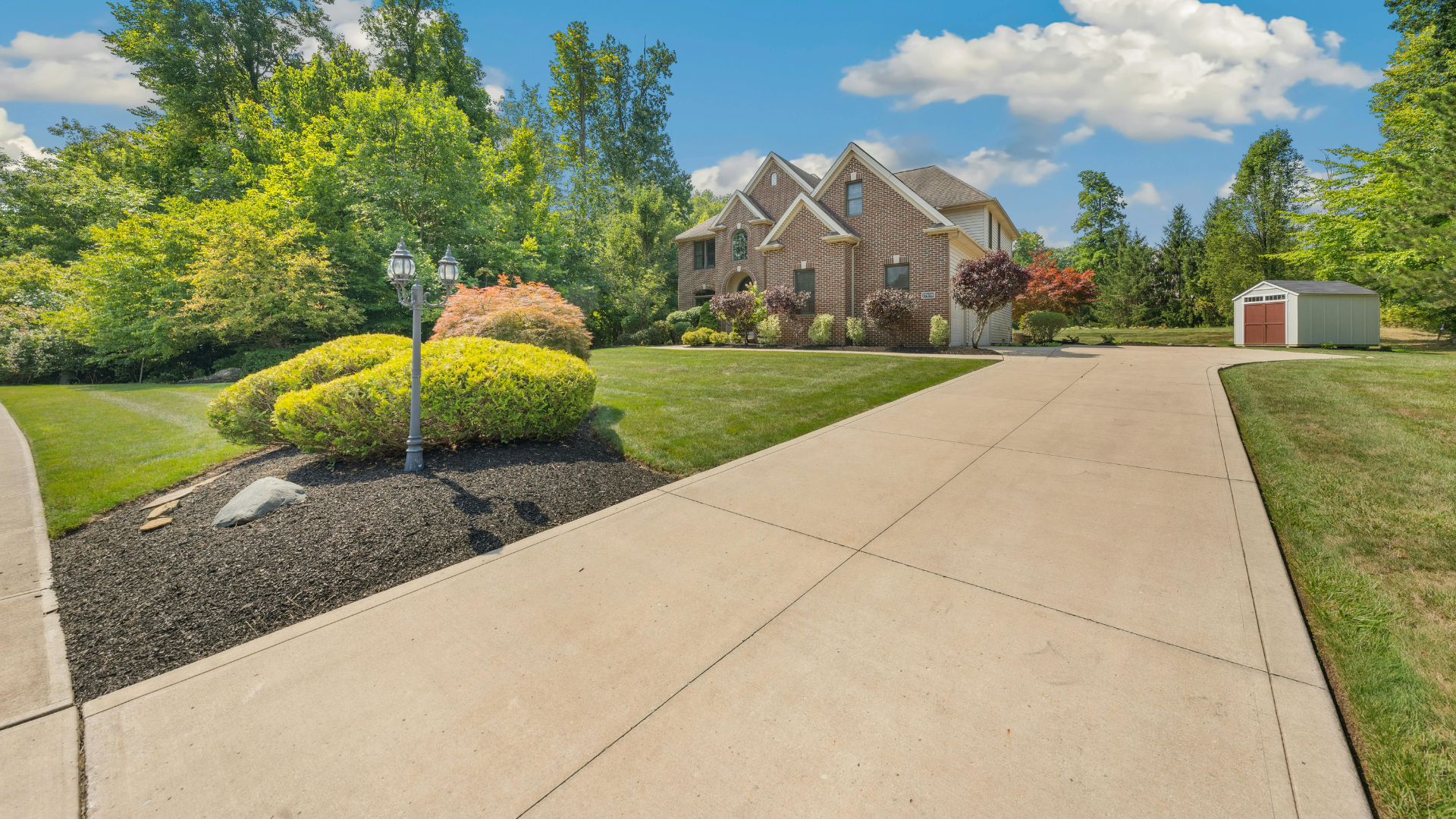
Concrete naturally expands when temperatures rise and contracts when temperatures fall. Large commercial slabs, sidewalks, parking areas, loading zones, and other surfaces experience this movement year after year.
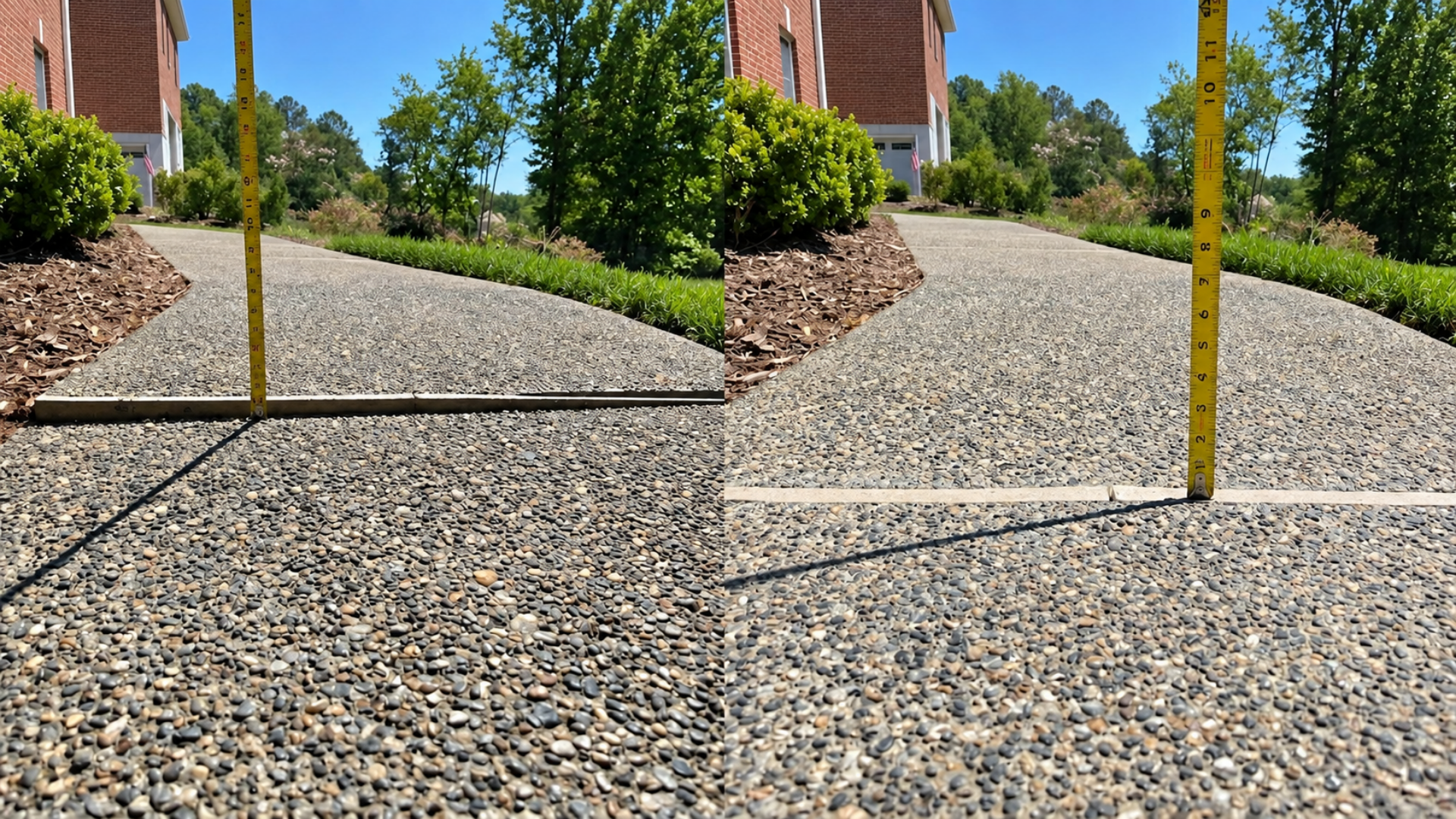
Expansion joints help accommodate those changes by creating intentional separation between sections of concrete. The joint material and sealant help absorb movement while also limiting the amount of water, debris, and contaminants that enter the gap.
When the joint remains intact, surrounding concrete has room to move. When it deteriorates, that movement can begin placing stress on slab edges.
How Expansion Joints Begin to Fail
Expansion joint failure can occur gradually.
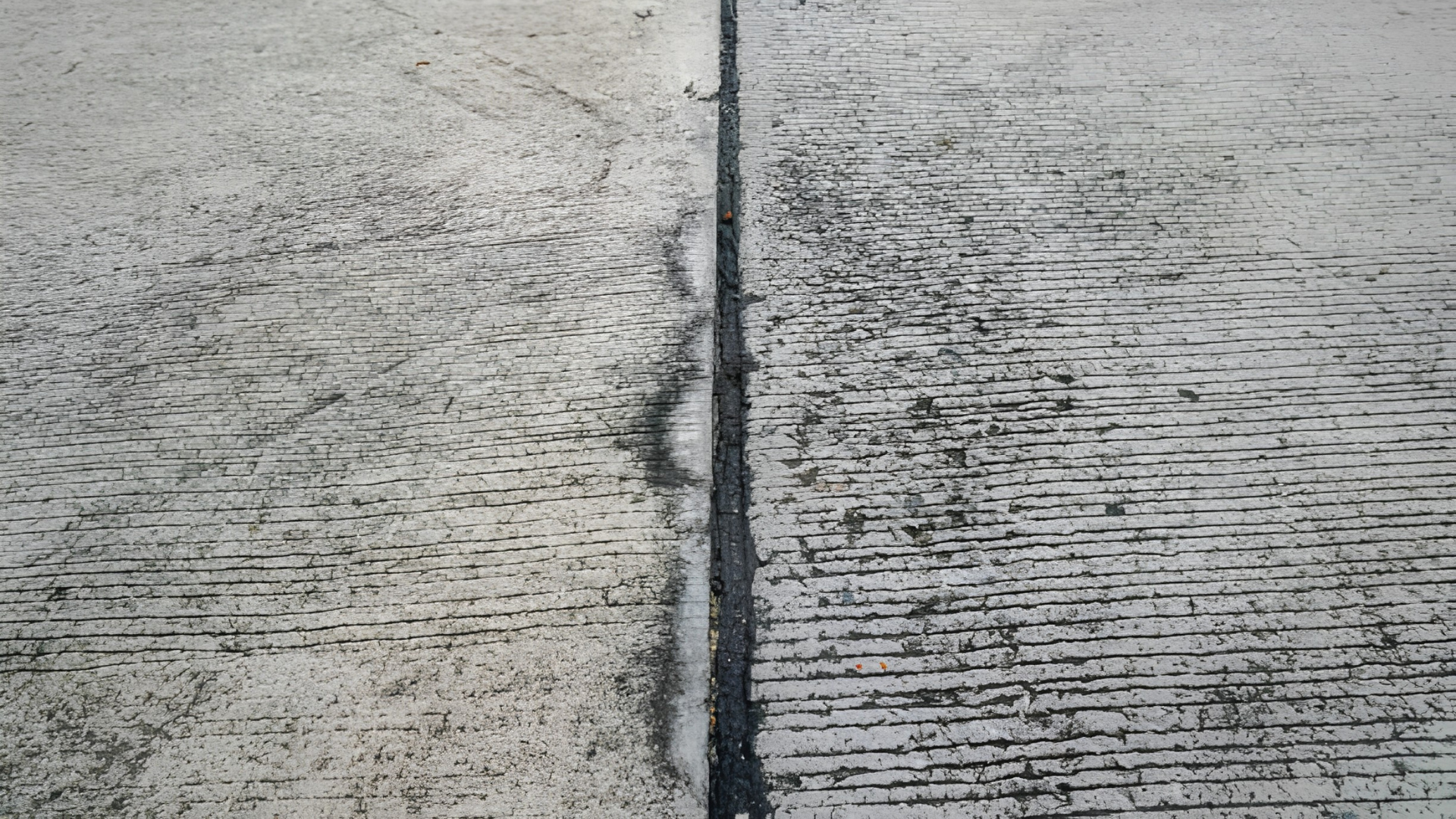
Sealants may dry out, crack, separate from the joint walls, or lose elasticity over time. Heavy vehicle traffic can compress or damage joint material, while temperature fluctuations and moisture exposure can accelerate deterioration.
Debris may also collect inside open joints. Once the space becomes packed with dirt or hard material, the joint may no longer have enough room to accommodate normal concrete movement.
What begins as a small maintenance issue can eventually contribute to damage along the edges of the slab.
Water Intrusion Can Make the Problem Worse
One of the most significant problems associated with failed expansion joints is water intrusion.
When sealant pulls away or breaks down, rainwater and other moisture can enter the joint and reach the materials beneath the concrete. Over time, this can contribute to erosion, loss of support, or movement underneath the slab.
In colder climates, water trapped within vulnerable areas can also freeze and expand, placing additional pressure on surrounding concrete.
Repeated moisture exposure can accelerate cracking and edge deterioration, especially when the joint has already lost its ability to function properly.
Spalling Often Develops Along Joint Edges
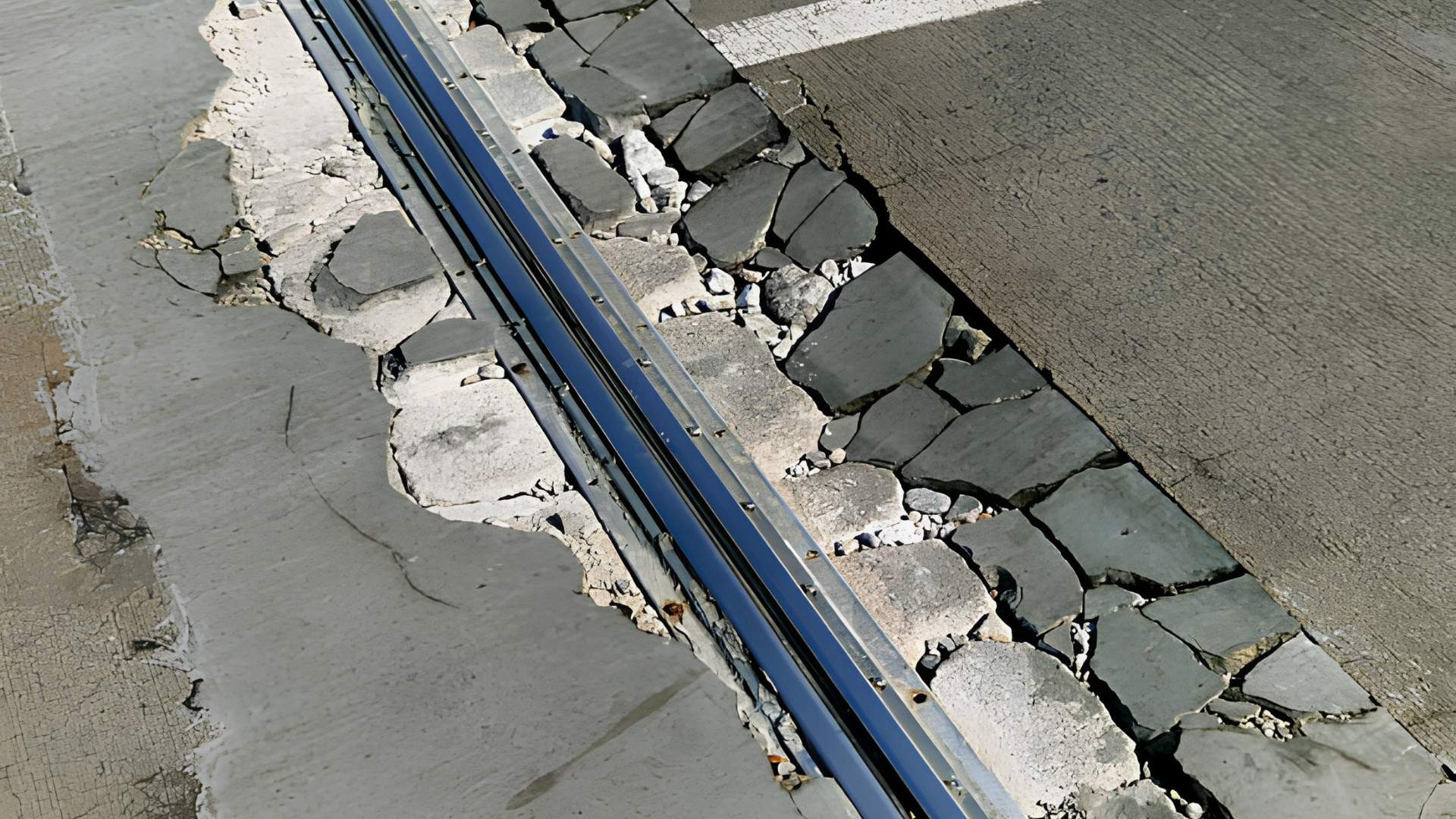
Failed expansion joints commonly lead to spalling around the edges of the concrete.
As slabs move against one another or debris prevents proper expansion, the edges may begin to chip, fracture, or break away. Heavy equipment and vehicle tires passing over these weakened areas can worsen the damage.
Once spalling begins, the joint becomes even more vulnerable because more concrete is exposed to moisture and impact.
Repairing damaged joint edges and restoring the joint system can help stop this cycle before deterioration spreads farther into the slab.
Professional Repair Restores Joint Function
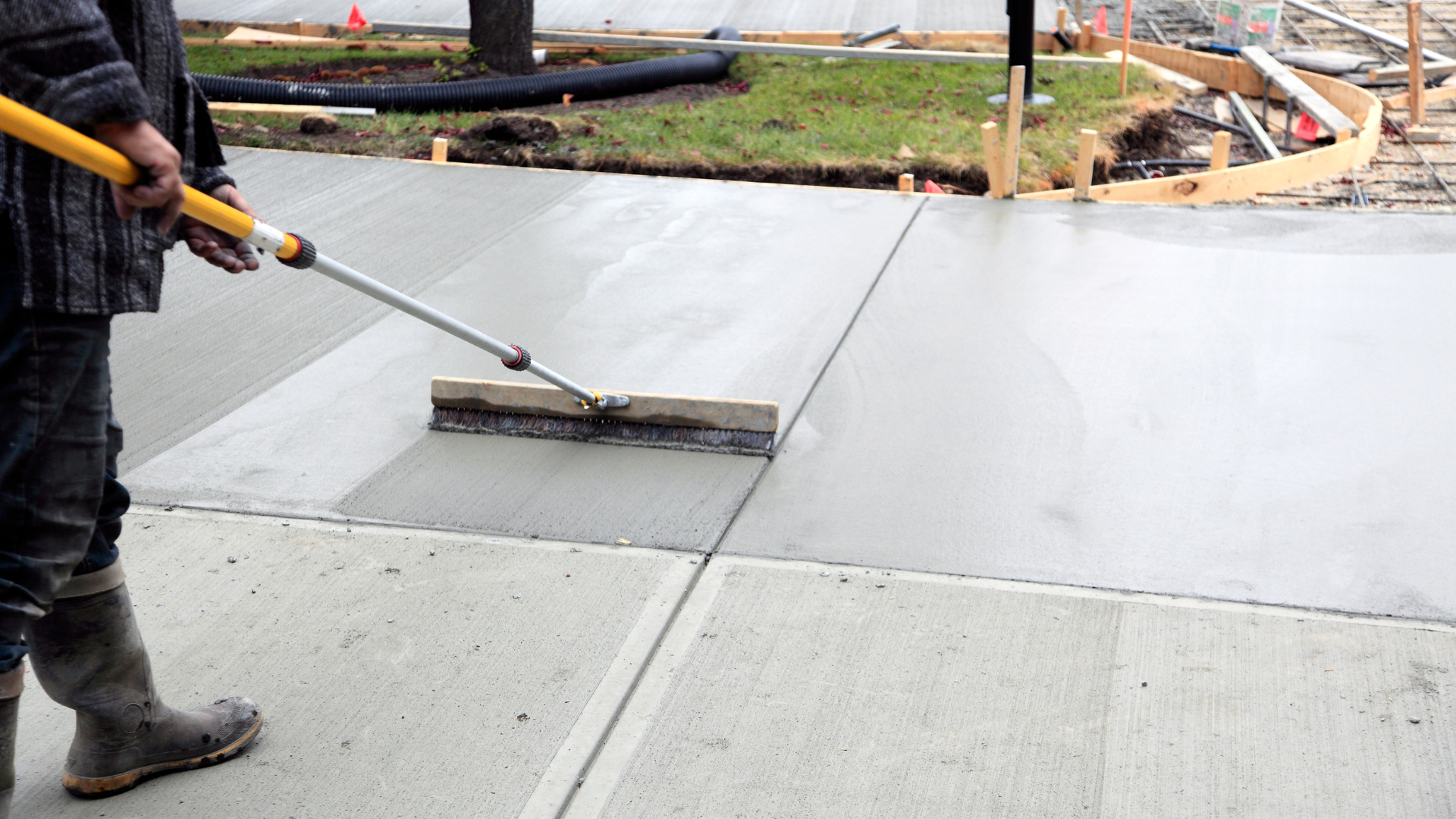
Expansion joint repair is not simply a matter of filling an open gap.
A proper repair typically begins by removing failed sealant, loose material, and debris from the joint. Damaged concrete along the edges may also need to be restored so the new joint material has a sound surface to bond to.
The joint is then prepared and resealed with materials selected for the expected movement, traffic, and environmental exposure.
The goal is to restore the joint’s ability to move while protecting the surrounding concrete from water and debris.
Protecting Existing Concrete Through Timely Repair
Expansion joint failure does not automatically mean the surrounding concrete must be removed. In many cases, targeted repair can restore function and help extend the service life of existing slabs.
Addressing damaged joints early may help prevent more extensive cracking, spalling, settlement, and moisture-related deterioration. For commercial and industrial properties, this can also reduce disruptions and help control long-term maintenance costs.
Rite-Wash specializes in concrete repair and restoration, including expansion joint repair, crack repair, spalling restoration, leveling, and other services designed to preserve existing concrete. If joints on your property are cracked, deteriorated, separating, or allowing water intrusion, contact Rite-Wash to schedule an evaluation and determine the best repair approach for protecting your concrete investment.