Why Replacing a Driveway Does Not Guarantee It Will Not Crack Again
Before You Replace Your Driveway
Many homeowners assume that replacing a cracked or uneven driveway is the most permanent solution available. While full replacement can improve appearance in the short term, it does not guarantee that cracking, settling, or joint failure will not occur again. Concrete is a durable material, but it is not immune to movement, weather, and environmental stress.
Understanding why driveways crack in the first place helps explain why restoration is often a more practical and cost-effective solution than full replacement.
Concrete Is Strong but Not Static
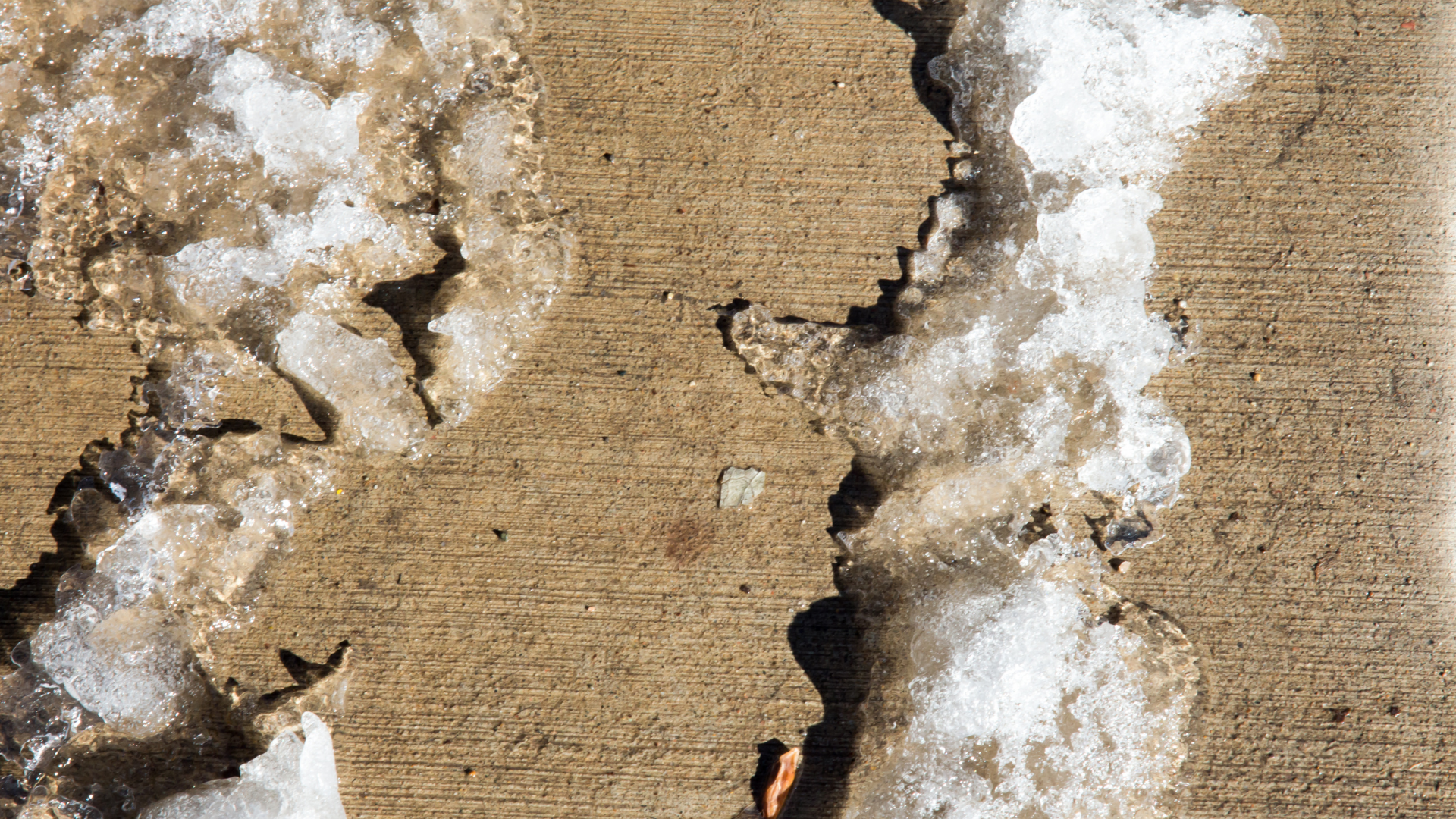
Concrete does not remain perfectly still once it is poured. It expands and contracts with temperature changes, absorbs moisture, and responds to soil movement beneath it. Even a brand new driveway is subject to these forces from the moment it cures.
In regions like coastal Virginia, where humidity, rainfall, and seasonal temperature shifts are common, concrete experiences repeated cycles of expansion and contraction. Over time, this movement can lead to surface cracking, joint separation, and settling regardless of the age of the slab.
Replacing a driveway does not eliminate these environmental factors. It simply resets the timeline.

Soil Movement Still Happens
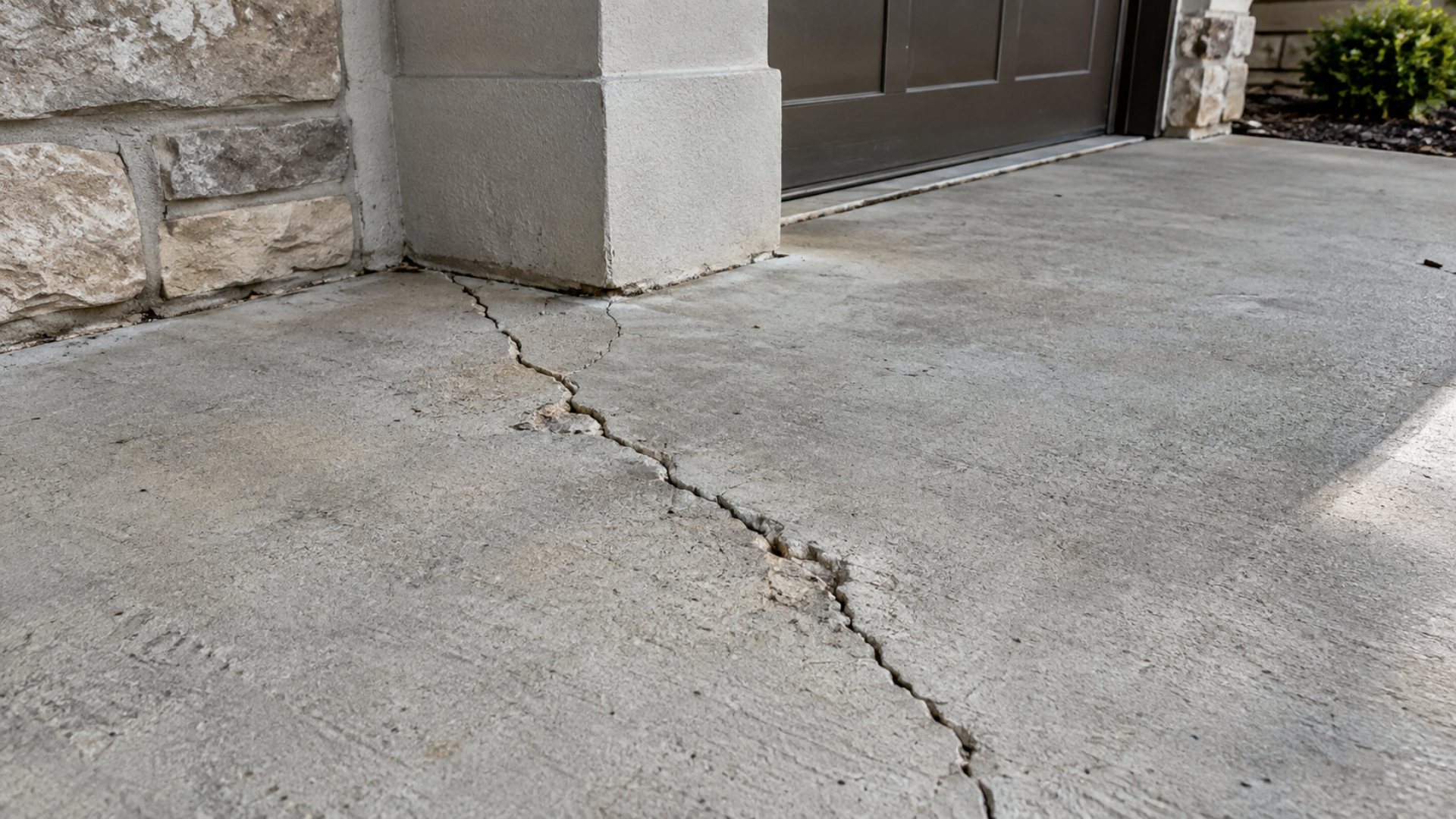
One of the most common causes of driveway cracking is movement in the soil below the slab. Changes in moisture content can cause soil to expand or compact, creating voids beneath the concrete. When the slab no longer has uniform support, cracks and uneven sections can develop.
Even with proper preparation, soil conditions continue to change over time. Replacement does not prevent future settling if underlying conditions shift again.
Expansion Joints Are Still Necessary
All concrete driveways rely on expansion joints to manage movement. These joints are designed to control where cracking occurs and to allow slabs to move without damaging each other. Over time, joints can deteriorate, allowing water to seep below the surface and accelerate damage.
A newly replaced driveway still relies on expansion joints that will eventually wear down. Without proper maintenance or joint replacement, cracking can reappear even in newer concrete.
Restoration Addresses the Real Issues
Driveway restoration is a great alternative to replacement. Instead of removing and replacing the entire slab, restoration targets cracks, joints, and uneven sections directly.
Concrete crack repair seals existing fractures and helps prevent water intrusion. Expansion joint replacement restores the flexibility needed to manage movement. Concrete lifting addresses settling by stabilizing slabs and restoring proper support beneath the surface.
By addressing these factors, restoration improves both performance and longevity without the disruption of full replacement.

Cost and Disruption Matter
Full driveway replacement is expensive and disruptive. It often involves demolition, heavy equipment, extended curing time, and restricted access to the property. Even after investing in replacement, homeowners may still face future cracking.
Restoration is typically completed more quickly and at a fraction of the cost. It allows homeowners to extend the life of their existing driveway while achieving a clean, improved appearance.
Curb Appeal Without Starting Over
Cracks and uneven slabs detract from curb appeal, but they do not always mean a driveway has reached the end of its useful life. Restoration improves surface appearance while preserving the structure that is already in place.
Soft washing complements restoration by removing stains, algae, and buildup that make driveways look older than they are. Together, these services help driveways look cleaner, safer, and more inviting.

A Smarter Long-Term Approach
Replacing a driveway may feel like a permanent fix, but it does not change how concrete behaves or how soil moves. Cracks can and often do return over time.
Driveway restoration offers a smarter alternative by focusing on the causes of damage rather than starting over. By repairing cracks, restoring joints, stabilizing slabs, and cleaning the surface, homeowners can achieve long-lasting results without unnecessary expense.
At Rite-Wash, we help homeowners protect their investment by offering concrete restoration solutions that address real problems and deliver meaningful improvements. When it comes to cracking driveways, replacement is not always the answer, but restoration often is.