How Uneven Sidewalks Create Liability and Safety Risks
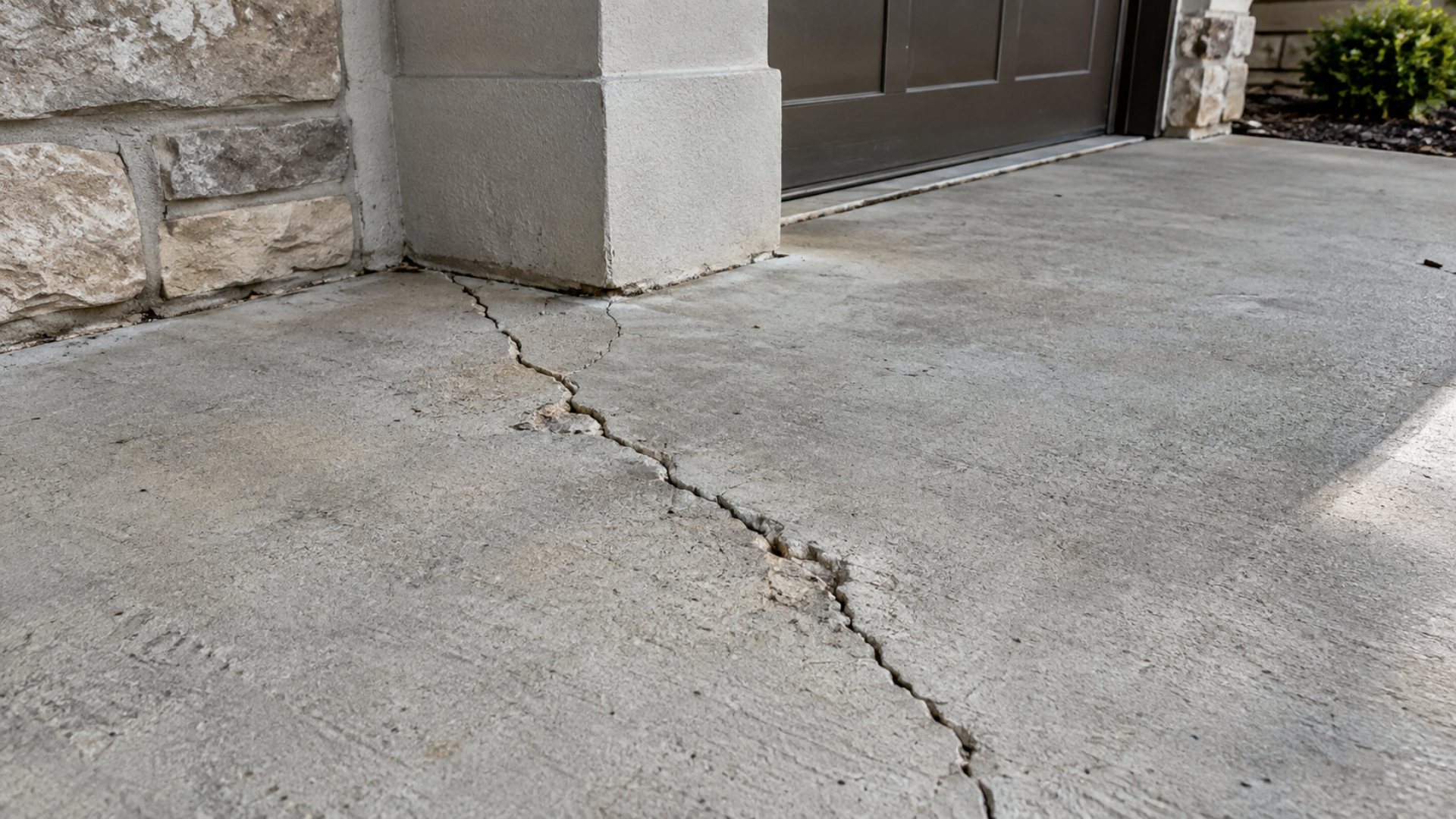
Sidewalks are easy to overlook when thinking about property maintenance. Because they are used every day, gradual changes in the surface often go unnoticed until the damage becomes severe. Small height differences, cracks, and settling may initially seem minor, but uneven sidewalks can quickly become both safety hazards and liability concerns for property owners.
At Rite-Wash, we help homeowners and property owners understand that concrete problems are not only cosmetic. Uneven surfaces can affect safety, accessibility, drainage, and long-term property condition.
Uneven Concrete Develops Gradually
Most sidewalk problems do not appear suddenly. In many cases, uneven concrete develops slowly over time due to environmental pressure and natural ground movement.
Several factors commonly contribute to sidewalk settling and shifting, including:
- Soil erosion beneath the concrete
- Tree root growth
- Water intrusion
- Expansion joint deterioration
- Seasonal expansion and contraction
Because these changes happen gradually, many people adapt to them visually and stop noticing the hazard entirely. Visitors, however, may not recognize the uneven surface until it is too late.
Trip Hazards Increase Injury Risk
One of the biggest concerns with uneven sidewalks is the increased risk of trips and falls. Even relatively small height differences between slabs can create dangerous walking conditions.
These risks become especially significant for:
- Children
- Older adults
- Individuals with mobility limitations
- Guests unfamiliar with the property
- Delivery personnel and service workers
Trip-and-fall accidents can result in injuries ranging from sprains and fractures to more serious head or back injuries. What appears to be a minor surface issue may ultimately create a much larger safety problem.
Liability Concerns for Property Owners
Property owners are generally expected to maintain reasonably safe walking surfaces. When uneven sidewalks are left unaddressed, they may increase the likelihood of liability concerns if an injury occurs on the property.
In many cases, sidewalk damage worsens progressively over time. Cracks widen, slabs shift further, and surrounding areas become more unstable. The longer the issue remains untreated, the more visible and hazardous it often becomes. Addressing concrete problems early helps reduce both safety risks and the likelihood of larger repair issues later.
Water Often Makes the Problem Worse
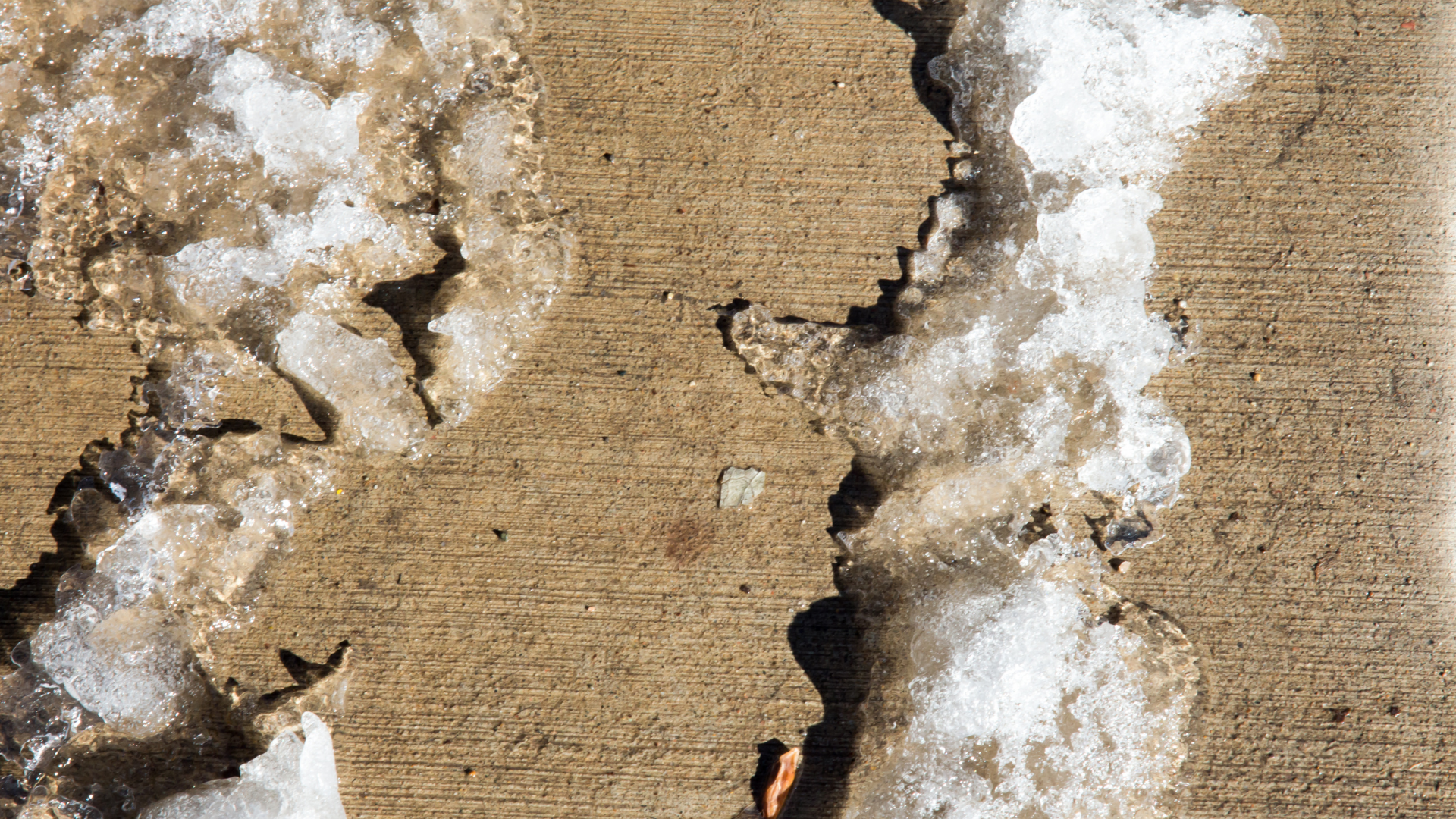
Moisture plays a major role in sidewalk deterioration. Water entering cracks or weakened joints can gradually erode the soil beneath the concrete, increasing instability over time.
Standing water also contributes to additional surface wear and may accelerate cracking or settling. In some cases, poor drainage patterns worsen the unevenness by repeatedly saturating the surrounding soil.
This creates a cycle where water contributes to movement, and movement creates additional pathways for water intrusion.
Uneven Sidewalks Affect Accessibility
Sidewalk damage also affects overall accessibility and usability around a property. Uneven concrete can make walking more difficult for people using strollers, wheelchairs, walkers, or mobility aids.
Smooth, level walkways are important not only for appearance, but also for maintaining safe and functional access throughout the property.
When sidewalks become unstable, the property itself may feel less maintained and less welcoming overall.
Why Early Repair Matters
Concrete problems are usually easier to address earlier in the deterioration process. Small height differences and early cracking can often be repaired before more significant structural shifting develops.
Waiting too long may allow the surrounding soil and adjacent slabs to become increasingly unstable, which can complicate restoration efforts later.
At Rite-Wash, we focus on concrete restoration solutions designed to address uneven surfaces before larger structural problems emerge. Early intervention helps improve both safety and long-term surface performance.
Restoration Is About More Than Appearance
Many people think of concrete repair as purely cosmetic, but sidewalk restoration plays an important role in property safety and functionality as well.
Smooth, properly maintained sidewalks improve:
- Walking safety
- Drainage performance
- Property appearance
- Accessibility
- Long-term concrete stability
Addressing uneven surfaces early helps preserve the overall condition of the property while reducing avoidable hazards.
Protecting Your Property and Walkways
Uneven sidewalks may begin as small imperfections, but they often develop into larger safety and liability concerns over time. Because the deterioration process is gradual, property owners may not realize how serious the issue has become until someone is injured or the concrete damage becomes extensive.
At Rite-Wash, we provide professional concrete restoration and repair services designed to improve safety, appearance, and long-term durability. If your sidewalks or walkways are showing signs of settling, cracking, or uneven surfaces, contact Rite-Wash to learn more about restoring safer and more stable concrete around your property.