Why Expansion Joint Failure Is a Leading Cause of Driveway Deterioration
Expansion Joints Matter More Than You Think
When homeowners think about driveway damage, they often focus on visible cracks or surface stains. One of the most common and overlooked causes of concrete driveway deterioration, however, is expansion joint failure. In coastal Virginia, where moisture, temperature changes, and soil movement are constant factors, failed expansion joints can accelerate driveway damage much faster than many homeowners realize.
Understanding how expansion joints work and why they fail helps explain why timely restoration is so important.
What Expansion Joints Are Designed to Do
Expansion joints are intentional gaps placed between concrete sections. Their purpose is to allow the concrete to expand and contract with temperature changes and moisture exposure. When joints function properly, they absorb movement and reduce stress on the surrounding slabs.
In a healthy driveway, expansion joints act as a protective buffer. When they fail, that buffer disappears, and stress transfers directly into the concrete.
Why Expansion Joints Fail Over Time
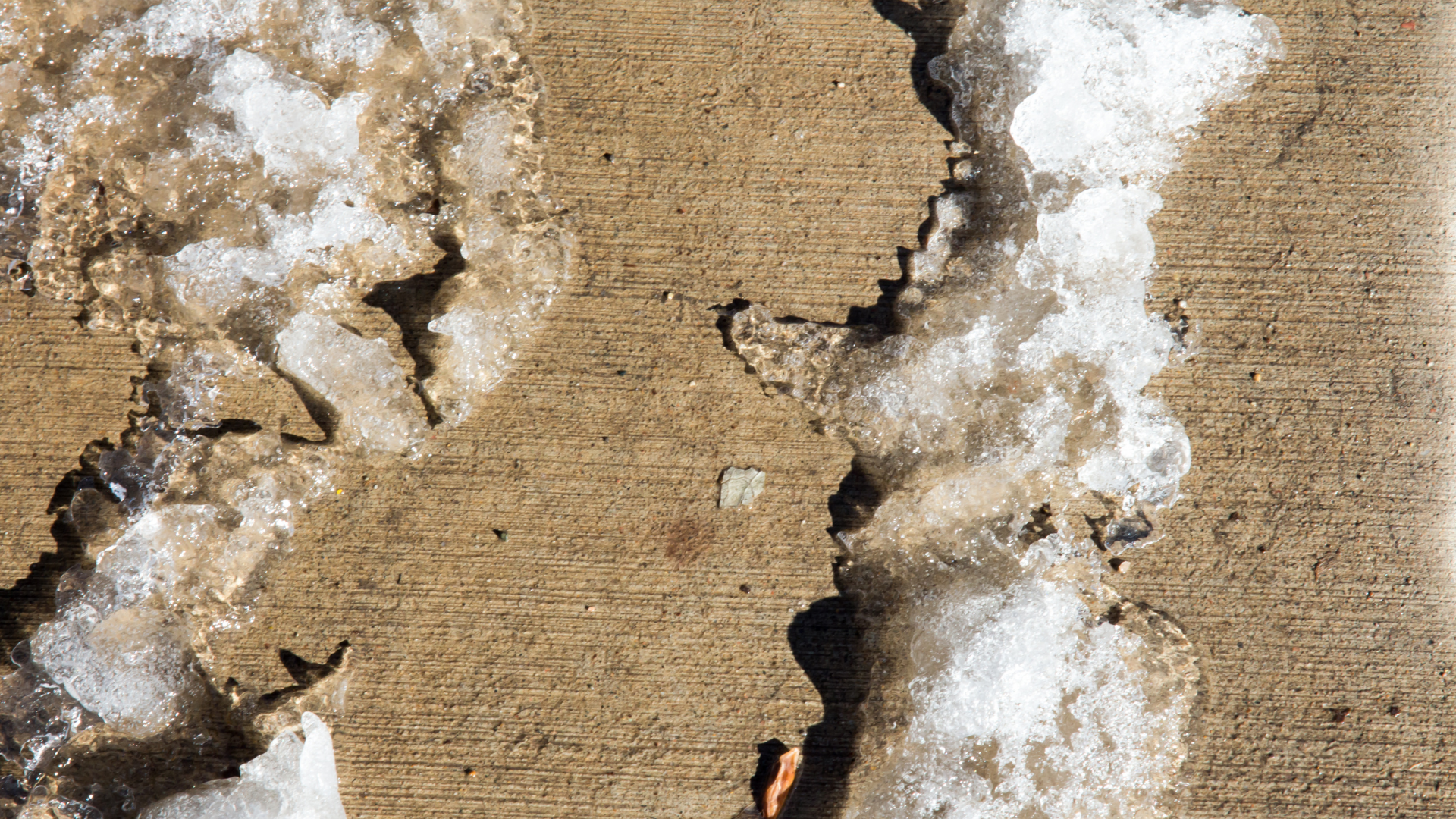
In coastal Virginia, expansion joints are exposed to frequent moisture, heavy rainfall, and humidity. Over time, joint materials can dry out, crack, or wash away. Once joint filler breaks down, water can enter the joint and reach the base beneath the driveway.
As water penetrates these gaps, it weakens the soil and increases the likelihood of shifting or settling. Temperature fluctuations further compound the problem by causing the concrete to move without proper cushioning.
How Joint Failure Leads to Cracking
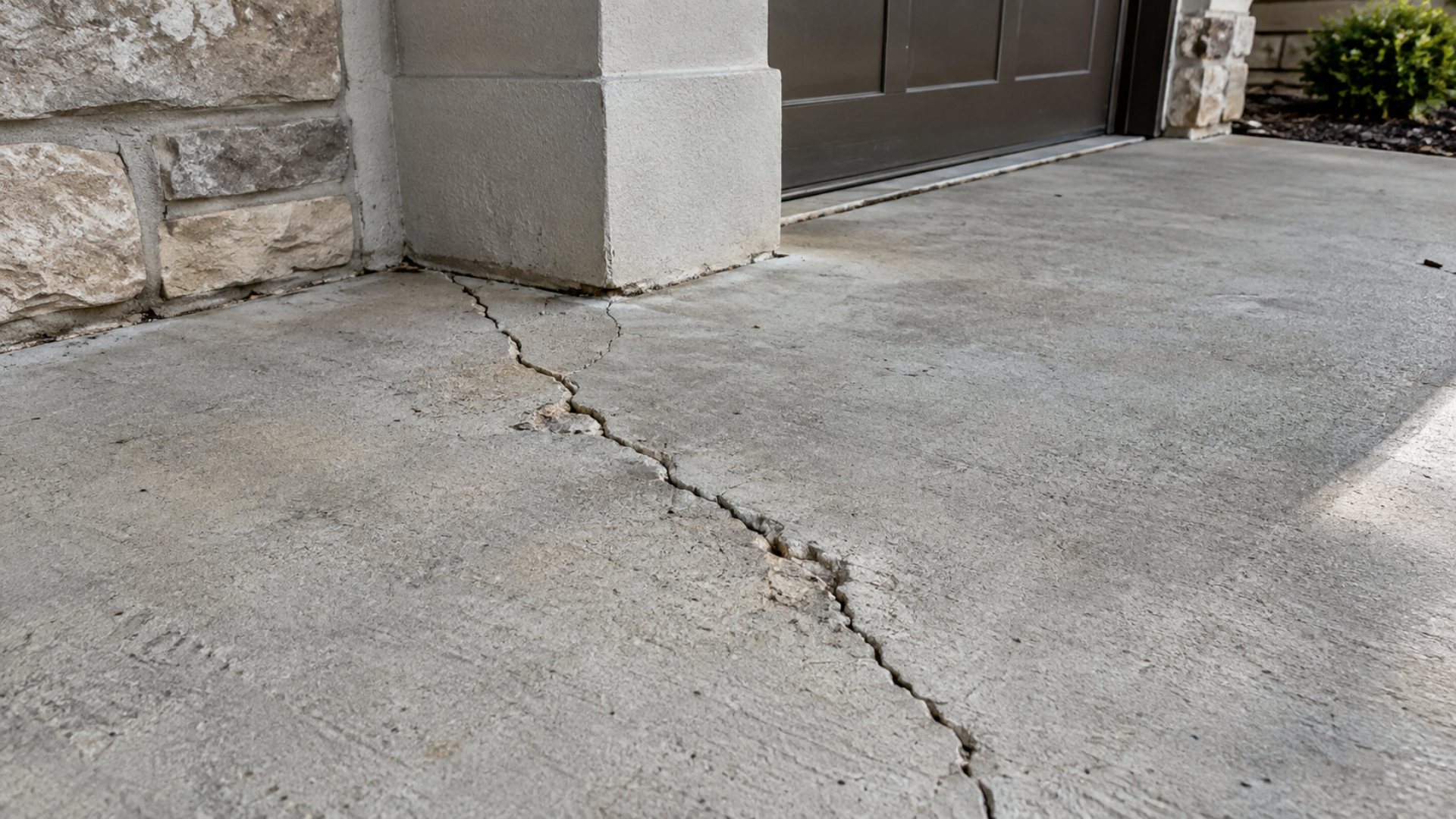
When expansion joints no longer function correctly, the concrete slabs on either side are forced to absorb movement they were not designed to handle. This often leads to cracking near the joints, surface separation, and uneven slab edges.
These cracks are not just cosmetic. They allow additional moisture to enter the concrete, accelerating internal deterioration and increasing the risk of further damage.
The Role of Moisture and Drainage
Failed joints also disrupt proper drainage. Instead of directing water away from the driveway, damaged joints can funnel water beneath the surface. Over time, this can lead to soil erosion and voids under the concrete.
As the ground beneath the driveway shifts, sections may settle or lift unevenly. This creates trip hazards, pooling water, and additional stress on surrounding concrete areas.
Why Ignoring Joint Damage Is Costly
Expansion joint failure rarely fixes itself. When left unaddressed, small joint issues often lead to larger structural problems. Cracks widen, slabs shift, and restoration becomes more involved.
Many homeowners assume that full driveway replacement is the only solution once damage becomes visible. In many cases, however, professional concrete restoration can address the underlying issues before replacement is necessary.

Concrete Restoration as a Targeted Solution
Concrete driveway restoration focuses on repairing the specific causes of deterioration rather than removing and replacing the entire surface. Joint replacement restores proper spacing and flexibility, allowing the driveway to move as intended.
When combined with crack repair, concrete lifting, and professional cleaning, restoration stabilizes the driveway and protects it from further damage. This approach is significantly less disruptive and more cost effective than full replacement.
Improving Longevity and Appearance
Restored expansion joints help extend the life of a driveway by reducing stress on the concrete slabs. They also improve appearance by creating clean, uniform separations between sections.
When joints function properly, the driveway looks more cohesive and performs more reliably under changing conditions.
A Proactive Approach for Coastal Driveways
In coastal Virginia, expansion joint failure is one of the leading contributors to driveway deterioration. Addressing joint issues early through professional restoration helps prevent cracking, settling, and water damage.
At Rite-Wash, we specialize in concrete driveway restoration services that include expansion joint replacement and related repairs. By restoring rather than replacing, we help homeowners protect their driveways, improve safety, and preserve curb appeal while avoiding unnecessary expense.