The Life Cycle of a Concrete Driveway From Installation to Restoration
A concrete driveway is often viewed as a permanent feature of a property. Once installed, many homeowners expect it to remain unchanged for decades. In reality, concrete is constantly responding to the environment around it. From the day it is poured, it begins a long process of exposure, wear, and gradual aging.
Understanding the life cycle of a concrete driveway helps explain why maintenance and restoration become increasingly important over time. At Rite-Wash, concrete repair and restoration are approached with the understanding that deterioration is usually gradual, not sudden.
The Initial Installation Phase
When a concrete driveway is first installed, the surface is smooth, uniform, and structurally strong. At this stage, the concrete is curing and developing its long-term strength.
Even during this early phase, however, the driveway is beginning to interact with its environment. Moisture, temperature changes, sunlight, and soil conditions all influence how the surface will age over time.
Proper installation practices, including grading, curing, and expansion joint placement, play a major role in determining how well the driveway performs in the years ahead.
Early Years: Appearance and Stability
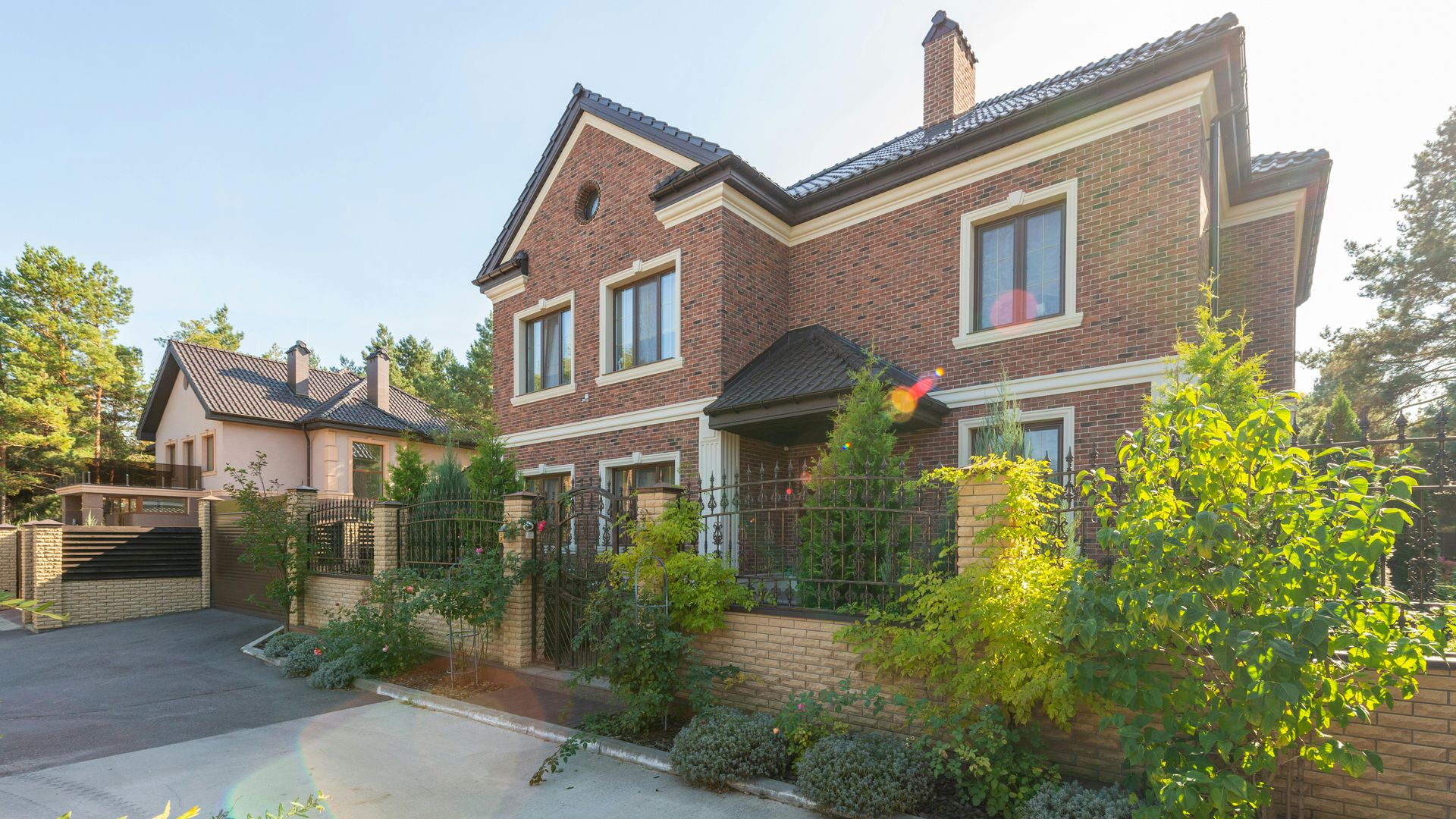
During the first several years, most driveways remain relatively stable. The surface maintains much of its original appearance, and structural issues are usually minimal.
At this stage, wear is often cosmetic rather than structural. Minor staining from vehicles, dirt accumulation, and subtle color changes may begin to appear. Small surface imperfections can develop as the driveway adjusts to seasonal expansion and contraction.
Because these changes happen slowly, they are often considered normal and may go largely unnoticed.
Mid-Life Wear and Environmental Exposure
As the driveway continues aging, environmental exposure becomes more apparent. Moisture enters the porous surface, dirt becomes embedded in the concrete, and seasonal weather patterns begin affecting the material more aggressively.
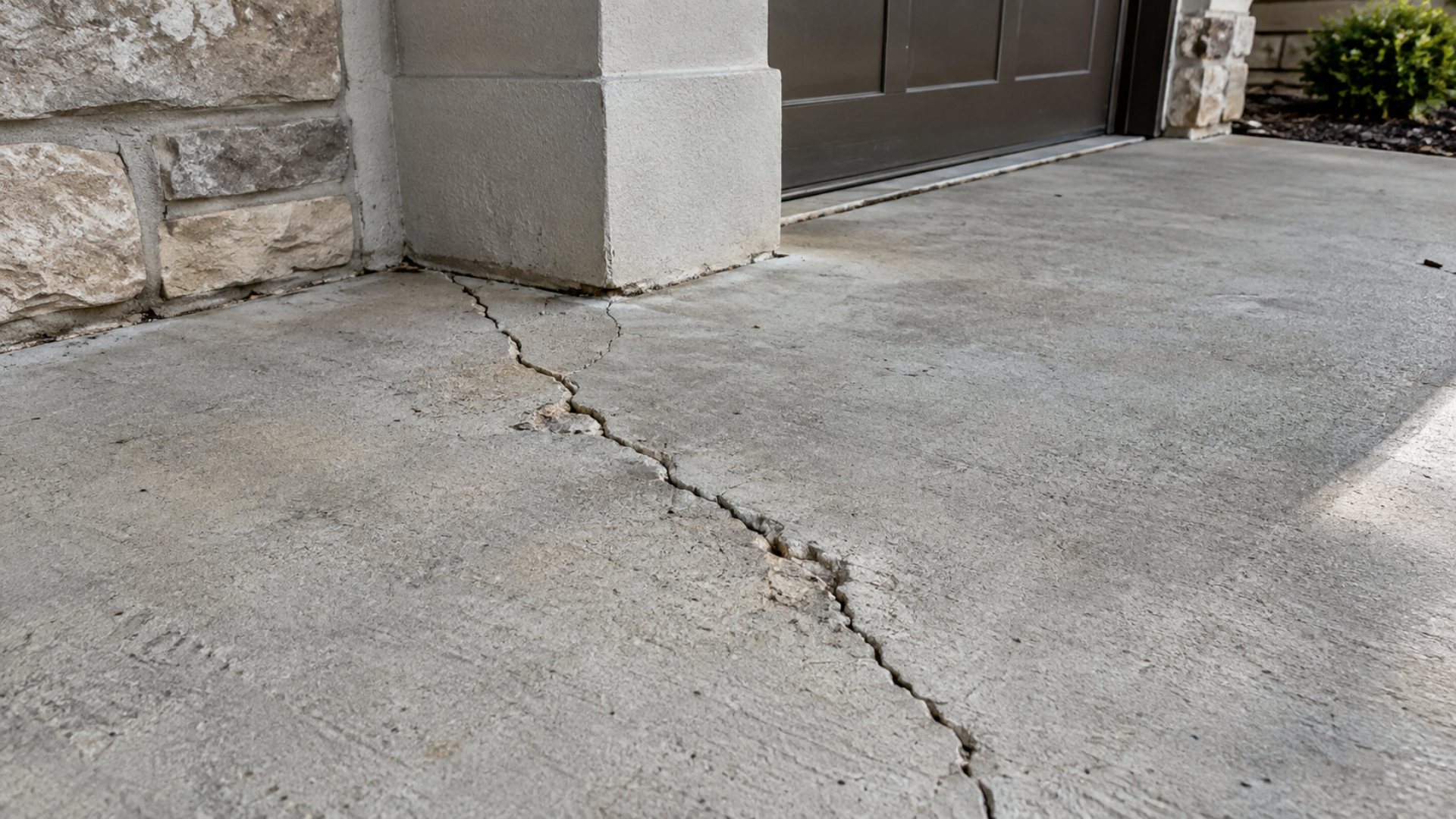
Freeze-thaw cycles, heat expansion, standing water, and repeated vehicle traffic gradually weaken the surface. Cracks may begin forming near expansion joints or along stress points where the concrete experiences repeated pressure.
At this point, homeowners often start noticing uneven coloration, surface wear, and minor cracking. While the driveway may still appear structurally sound overall, the aging process is accelerating beneath the surface.
Expansion Joint Deterioration
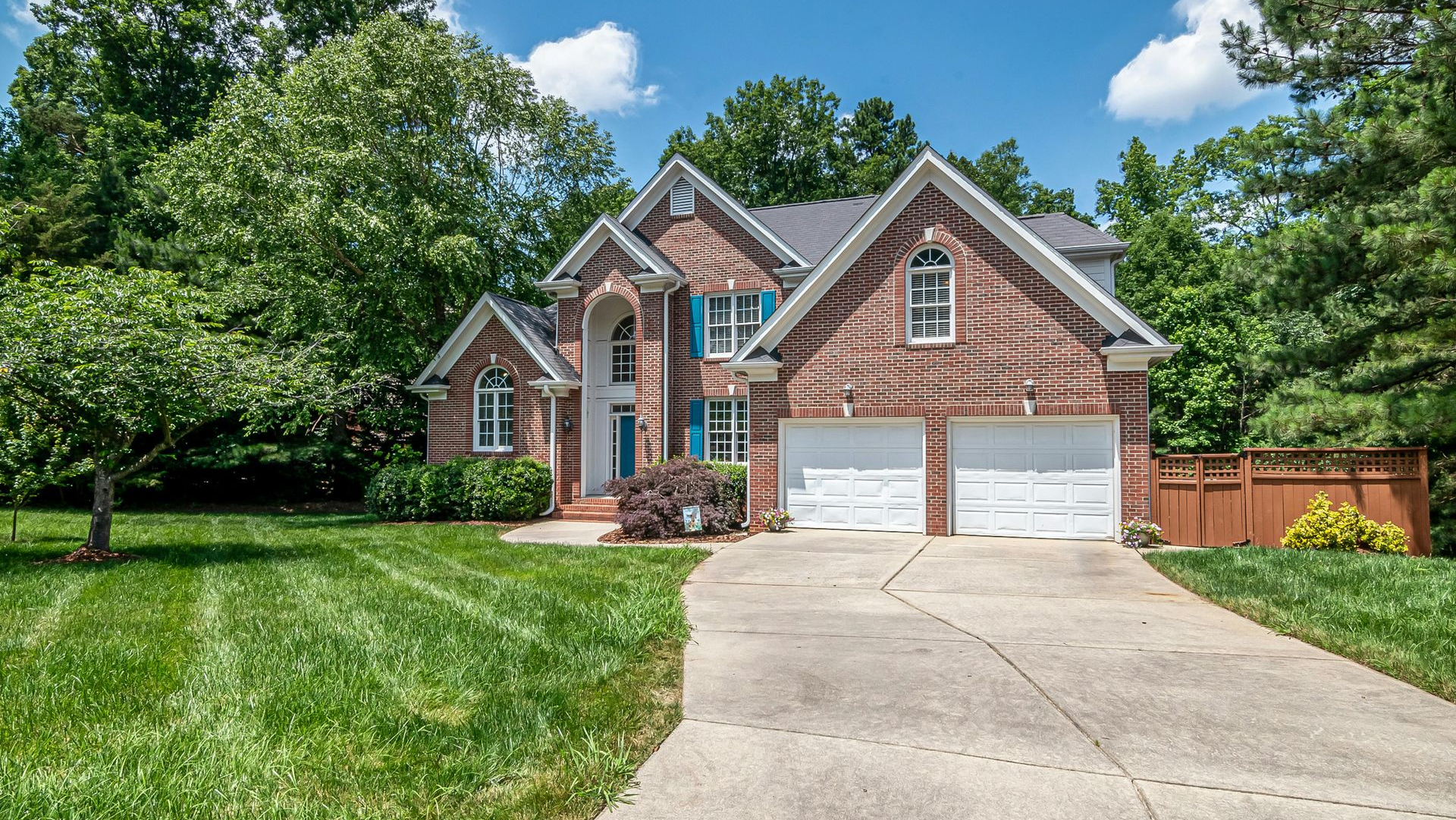
One of the most important stages in the driveway life cycle involves the expansion joints. These joints are designed to allow concrete to shift naturally as temperatures change.
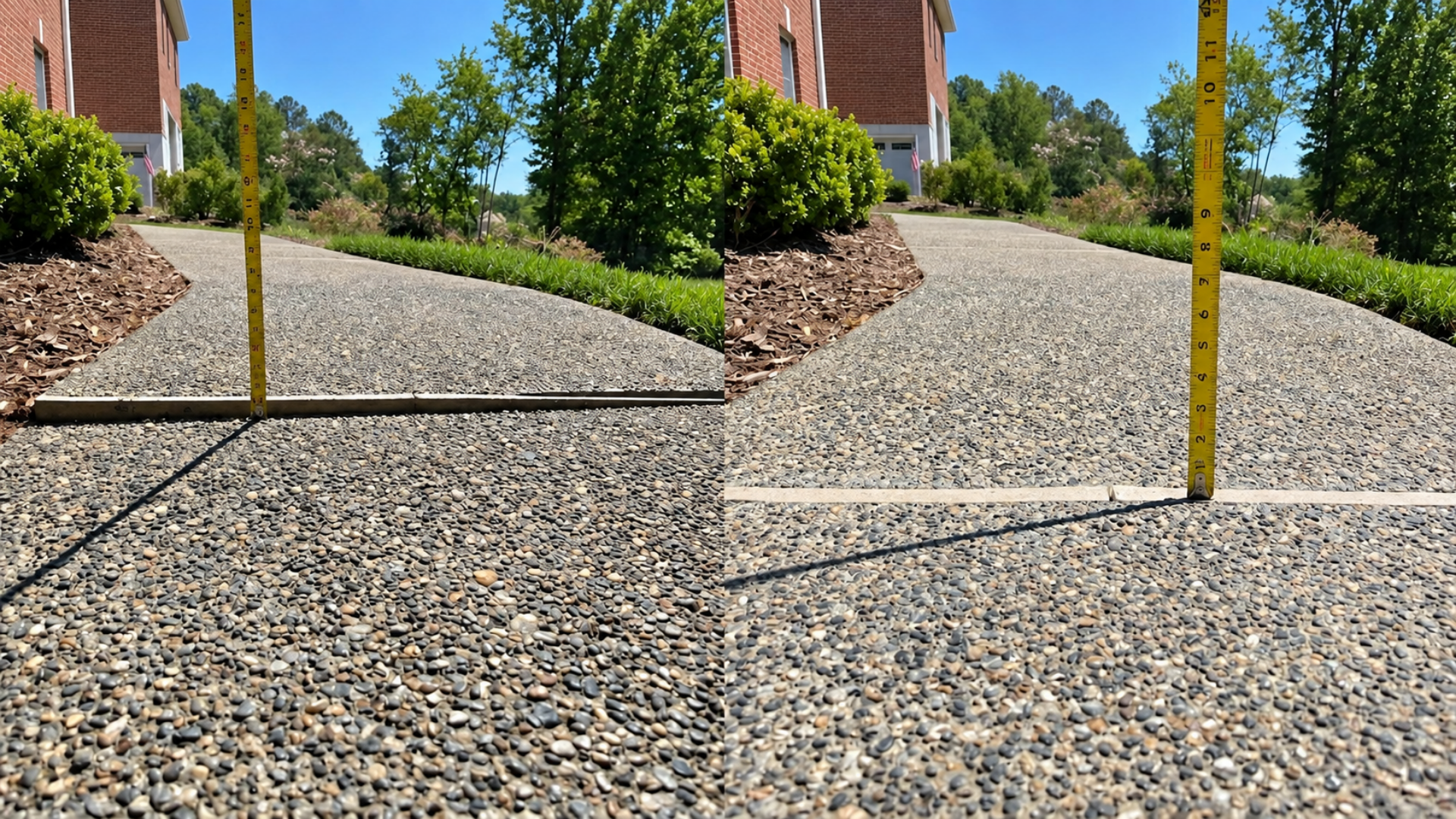
Over time, however, expansion joints can deteriorate. When they fail, water begins entering the gaps more easily, which contributes to erosion beneath the concrete and increases the likelihood of uneven slabs.
As this process continues, sections of the driveway may begin shifting or settling. Small height differences between slabs can develop, creating both visual and functional issues. This is often the stage where professional repair becomes especially important.
Surface Degradation and Structural Stress
As aging continues, the concrete surface may begin losing its original texture and stability. Repeated exposure to moisture and contaminants weakens the outer layer, while underlying soil conditions may become less stable.
Cracks widen, stains deepen, and uneven sections become more noticeable. In some cases, surface damage starts affecting drainage, causing water to collect in areas that were once level.
Importantly, much of this
deterioration develops gradually. Homeowners may adapt to the appearance over time without fully realizing how much the surface has changed.
The Restoration Phase
Many people assume that aging concrete automatically requires replacement. In reality, restoration is often a more practical and cost-effective solution, particularly when the underlying structure remains largely intact.
Concrete restoration focuses on addressing the issues that develop throughout the driveway’s life cycle. This may include repairing cracks, restoring expansion joints, leveling uneven areas, and removing years of embedded buildup from the surface.
At Rite-Wash, restoration is approached as a way to extend the lifespan of existing concrete while improving both appearance and function. In many cases, restoring a driveway early helps prevent the need for far more extensive work later.
Extending the Life of Your Driveway
At Rite-Wash, we specialize in concrete restoration solutions designed to address wear before replacement becomes necessary. By restoring aging surfaces and repairing developing issues, we help homeowners extend the life, appearance, and functionality of their concrete.
If your driveway is beginning to show signs of age, unevenness, or surface damage, contact Rite-Wash to learn how professional restoration can help protect your investment for years to come.