Why Old Concrete Can Often Be Saved Even When It Looks Rough
Old concrete can look worse than it actually is.
Years of traffic, weather, staining, minor cracking, surface wear, and edge damage can make a slab appear tired or beyond repair. But appearance alone does not determine whether concrete needs to be replaced.
In many cases, the underlying slab still has enough strength and stability to justify restoration. The key is identifying what is cosmetic, what is localized damage, and what points to a deeper structural or support problem.
Surface Wear Does Not Always Mean Failure
Concrete can become discolored, rough, chipped, or uneven at the surface without losing all of its structural value.
High-traffic areas often show wear first.
Warehouse aisles, loading zones, sidewalks, entrances, and industrial floors may develop surface deterioration long before the entire slab is compromised.
If the damage is concentrated near the top layer or in isolated areas, targeted repair may be enough to restore function and extend service life.

Cracks Need to Be Evaluated in Context
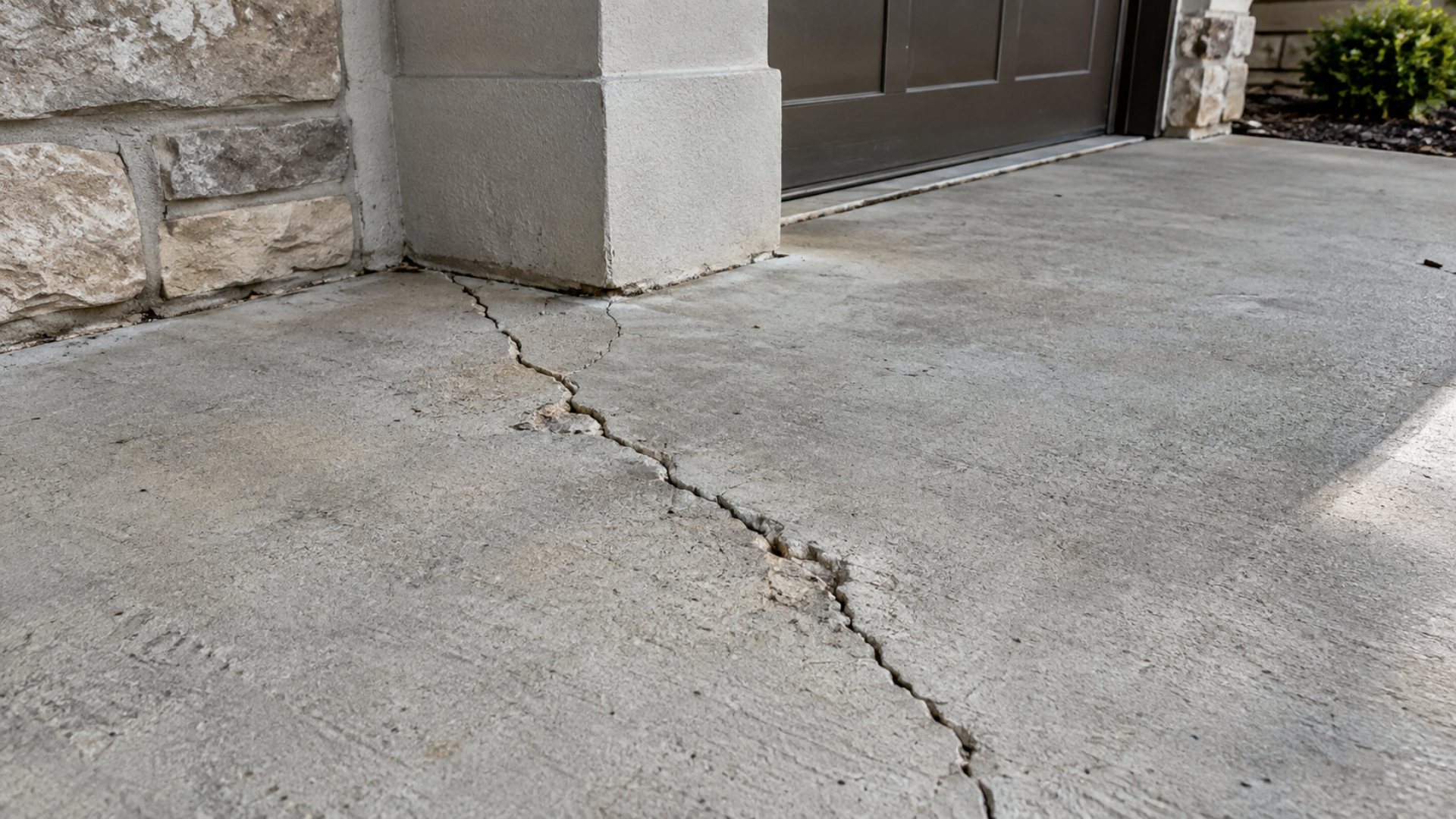
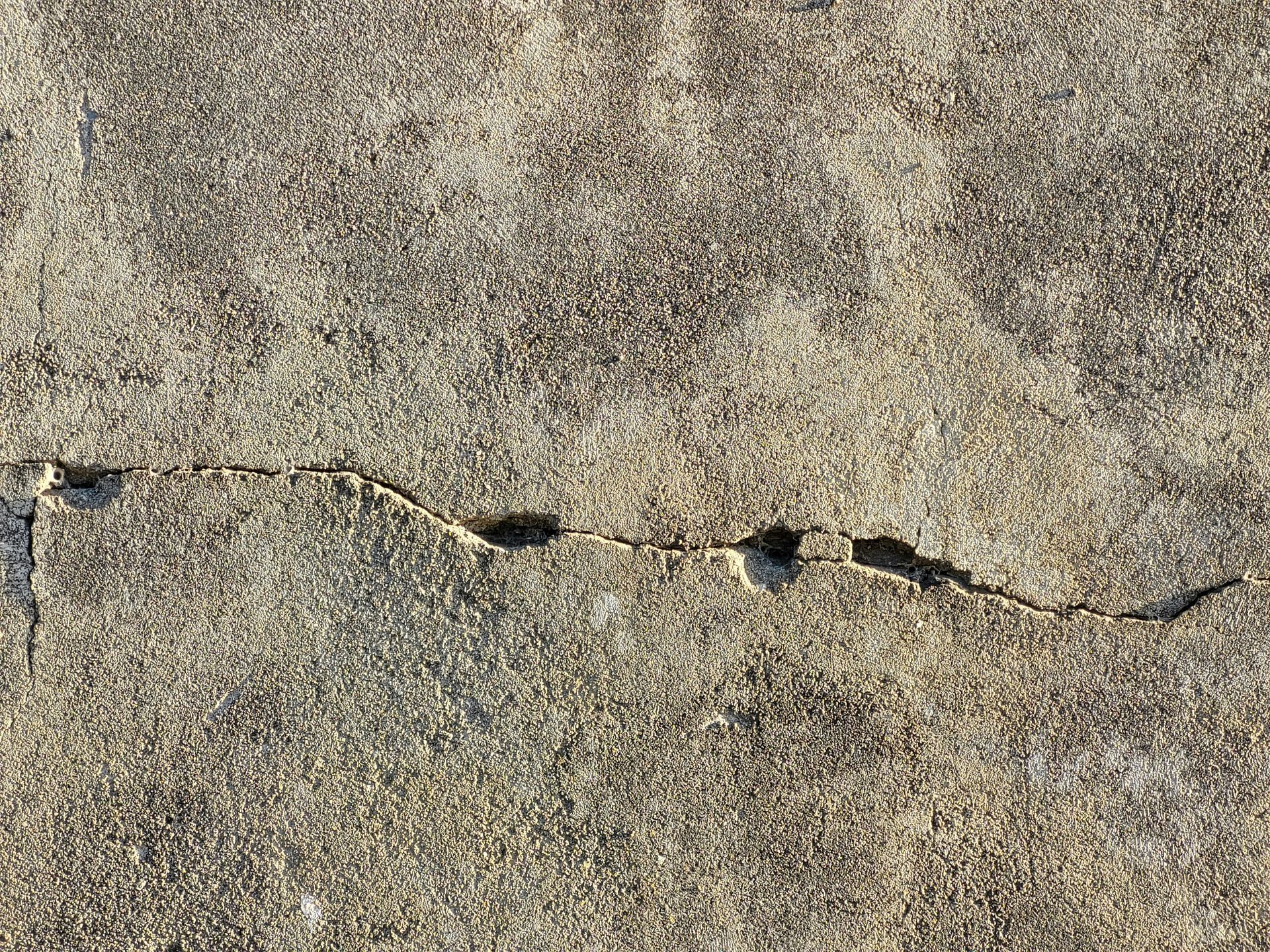
Cracks are common in older concrete.
Some are relatively stable and have not changed significantly over time. Others may continue to widen because of settlement, moisture, temperature movement, or load-related stress.
The important question is not simply whether a crack exists.
It is whether the crack is active, whether there is vertical displacement, and what is causing the movement.
A repair that addresses only the visible opening may fail if the underlying cause is still present.
That is why crack evaluation should come before patching.
Spalling Can Often Be Localized
Spalling occurs when concrete begins breaking, flaking, or chipping away at the surface or edges.
This can happen because of moisture, freeze-thaw cycles, impact, corrosion, or repeated equipment traffic.
Spalled areas can look severe, especially around joints and doorways, but the damage may still be limited to part of the slab.
Removing deteriorated material and rebuilding the damaged section can sometimes preserve the surrounding concrete instead of replacing everything.

Uneven Concrete Does Not Always Need Replacement
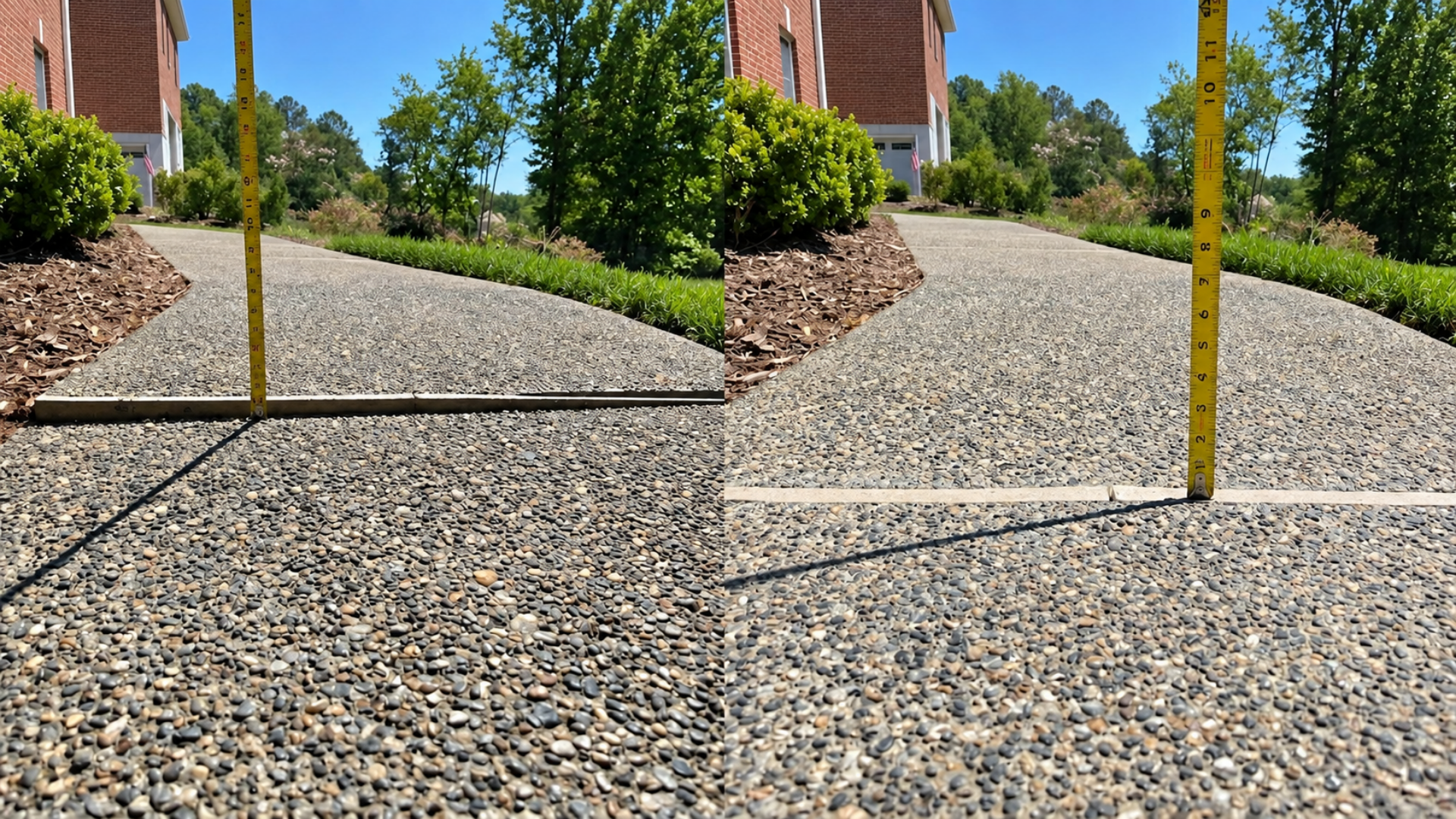
Settlement can make concrete look worse than it is.
One section may drop lower than another because of voids, soil movement, or water erosion beneath the slab.
If the concrete itself remains reasonably sound, leveling may be a better option than demolition and replacement.
The goal is to correct the support problem and restore a safer, more functional surface without removing more concrete than necessary.
Joints Can Be Repaired Separately
Older concrete often develops damage around expansion or control joints.
Joint filler may fail, edges may chip, and repeated traffic can widen the damaged area.
That does not automatically mean the surrounding slab has failed.
Repairing the joint and rebuilding damaged edges can help protect nearby concrete and improve the surface for forklifts, carts, and foot traffic.
In commercial and industrial facilities, this can make a noticeable difference in daily operations.

The Cause Matters More Than the Appearance
Successful restoration starts with understanding why the concrete deteriorated.
If water is washing out soil beneath the slab, drainage should be addressed.
If repeated forklift impacts are damaging joints, the repair needs to account for traffic.
If moisture is causing spalling, simply covering the surface may not provide a long-term solution.
The repair should match the cause.
That is what separates restoration from temporary patching.
Replacement Can Create More Disruption
Full concrete replacement may be necessary in some situations, especially when the slab has severe structural damage or widespread loss of support.
But replacement also means demolition, debris removal, new concrete placement, curing time, and disruption to the surrounding area.
For active commercial or industrial properties, that downtime can be significant.
Targeted restoration may allow damaged areas to be repaired while preserving much of the existing slab.

Preserve Concrete That Still Has Useful Life
Rough-looking concrete is not automatically failed concrete.
Cracks, spalling, settlement, joint damage, and surface wear should be evaluated individually and as part of the larger slab.
Rite-Wash specializes in concrete repair and restoration, including crack repair, leveling, joint repair, and spalling remediation.
If an older slab looks worn but still appears fundamentally sound, contact Rite-Wash for an evaluation. The right repair approach may preserve the existing concrete, reduce disruption, and extend its useful service life without unnecessary replacement.