How Freeze-Thaw Cycles Can Contribute to Concrete Spalling
Concrete is durable, but repeated freezing and thawing can gradually damage even a strong slab.
One of the most common results is spalling, where the concrete surface begins to flake, chip, scale, or break away. In colder climates, this type of deterioration often becomes more noticeable after winter because moisture has had repeated opportunities to enter the concrete, freeze, expand, and weaken the surface.
Understanding how freeze-thaw damage develops can help property owners address problems before larger sections of concrete deteriorate.
Water Is the Starting Point
Concrete contains tiny pores and capillaries that can absorb moisture.
When water enters those spaces and temperatures fall below freezing, the water expands as it turns to ice.
That expansion places pressure on the surrounding concrete.
A single freeze may not create obvious damage, but the process can repeat many times during a winter. Each cycle can place additional stress on the surface and gradually weaken the bond within the concrete.
Repeated Cycles Cause More Damage
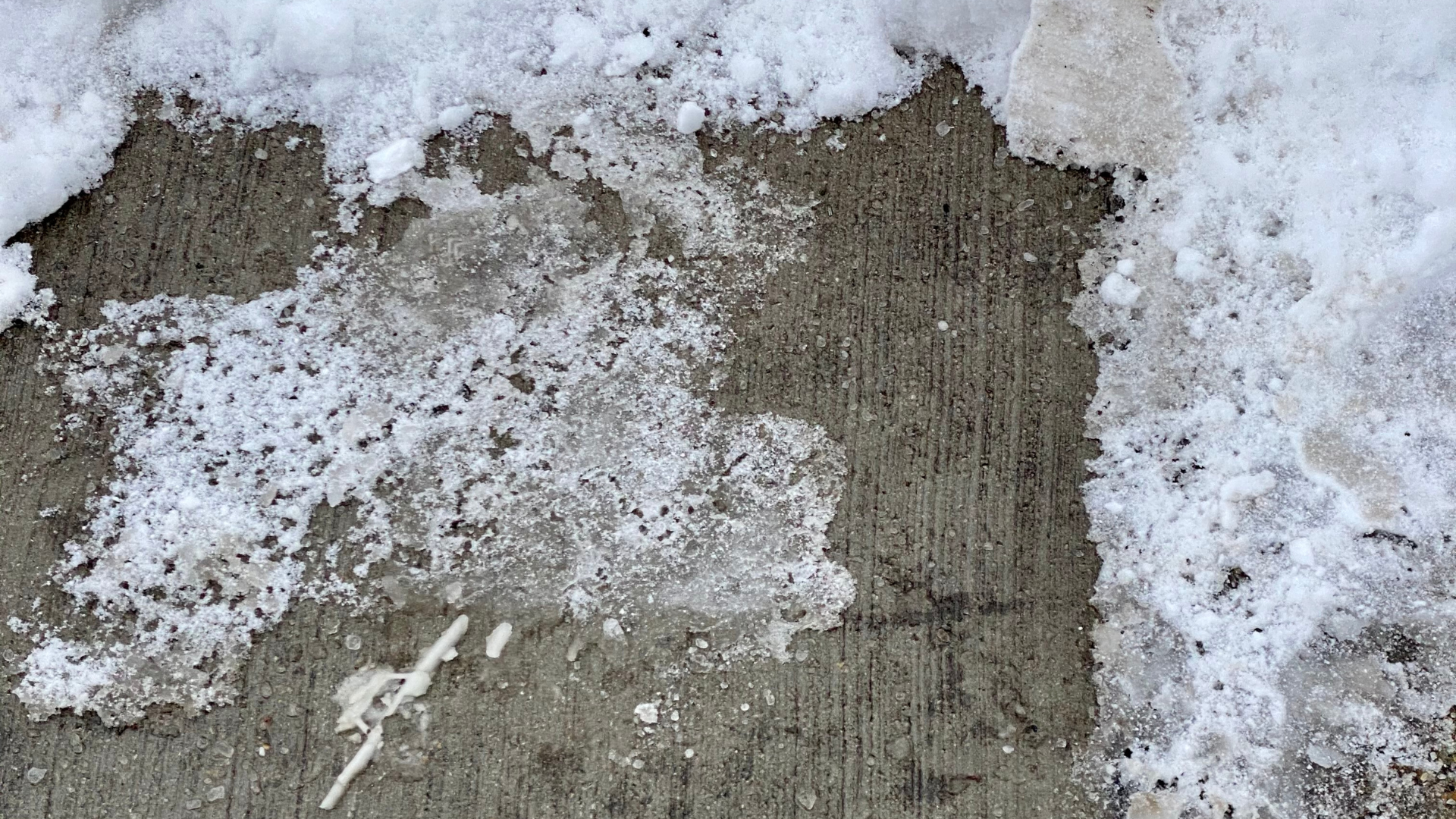
Freeze-thaw damage is especially common when temperatures rise above freezing during the day and fall below freezing again at night.
This creates repeated movement inside the slab.
Moisture melts, travels deeper into small cracks and pores, then freezes again.
Over time, the surface may begin to scale or chip away.
Once spalling starts, the roughened surface can absorb even more water, which may accelerate future deterioration.
Cracks and Joints Can Let More Water In
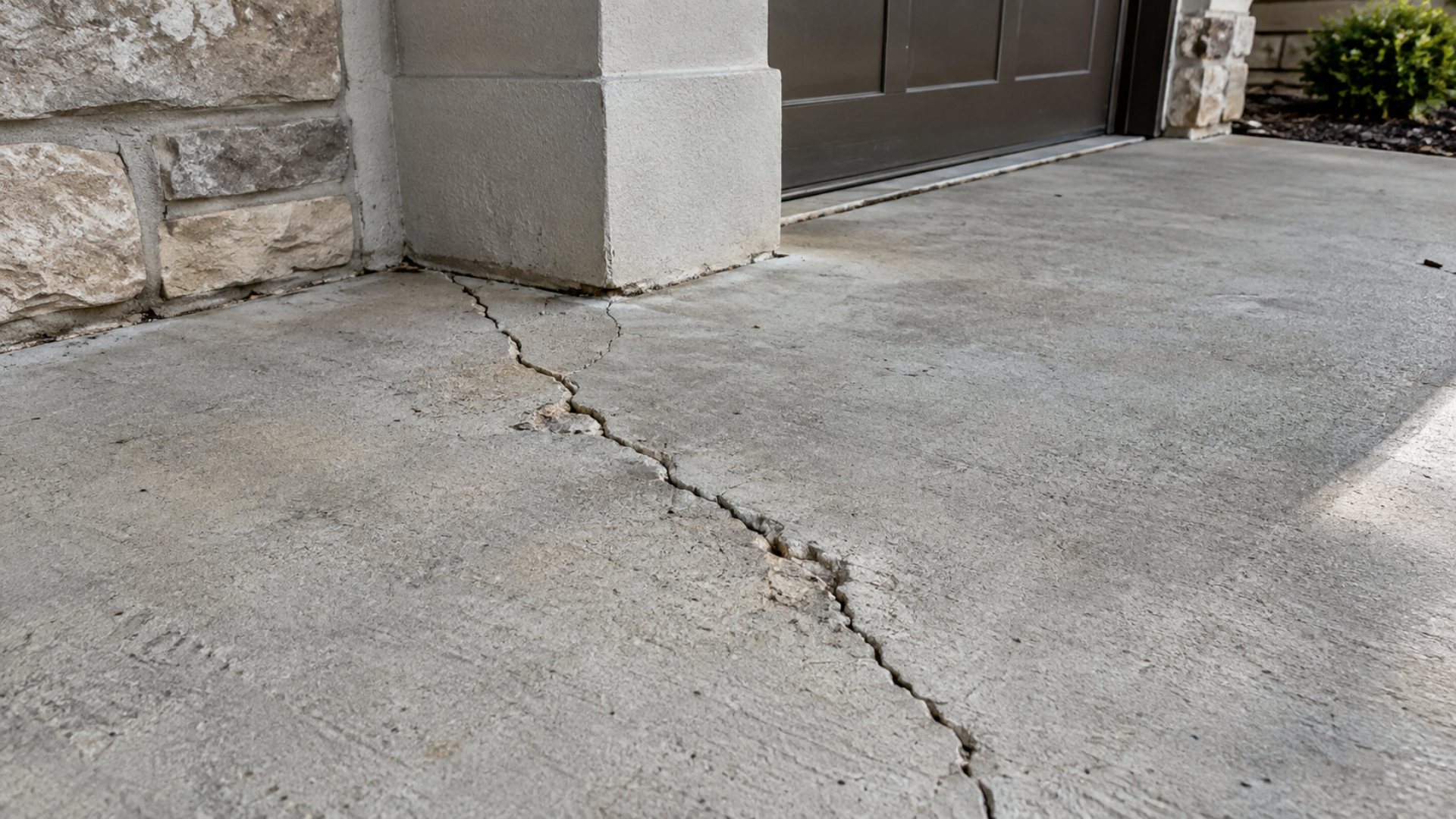
Existing cracks and failed joints can make the problem worse.
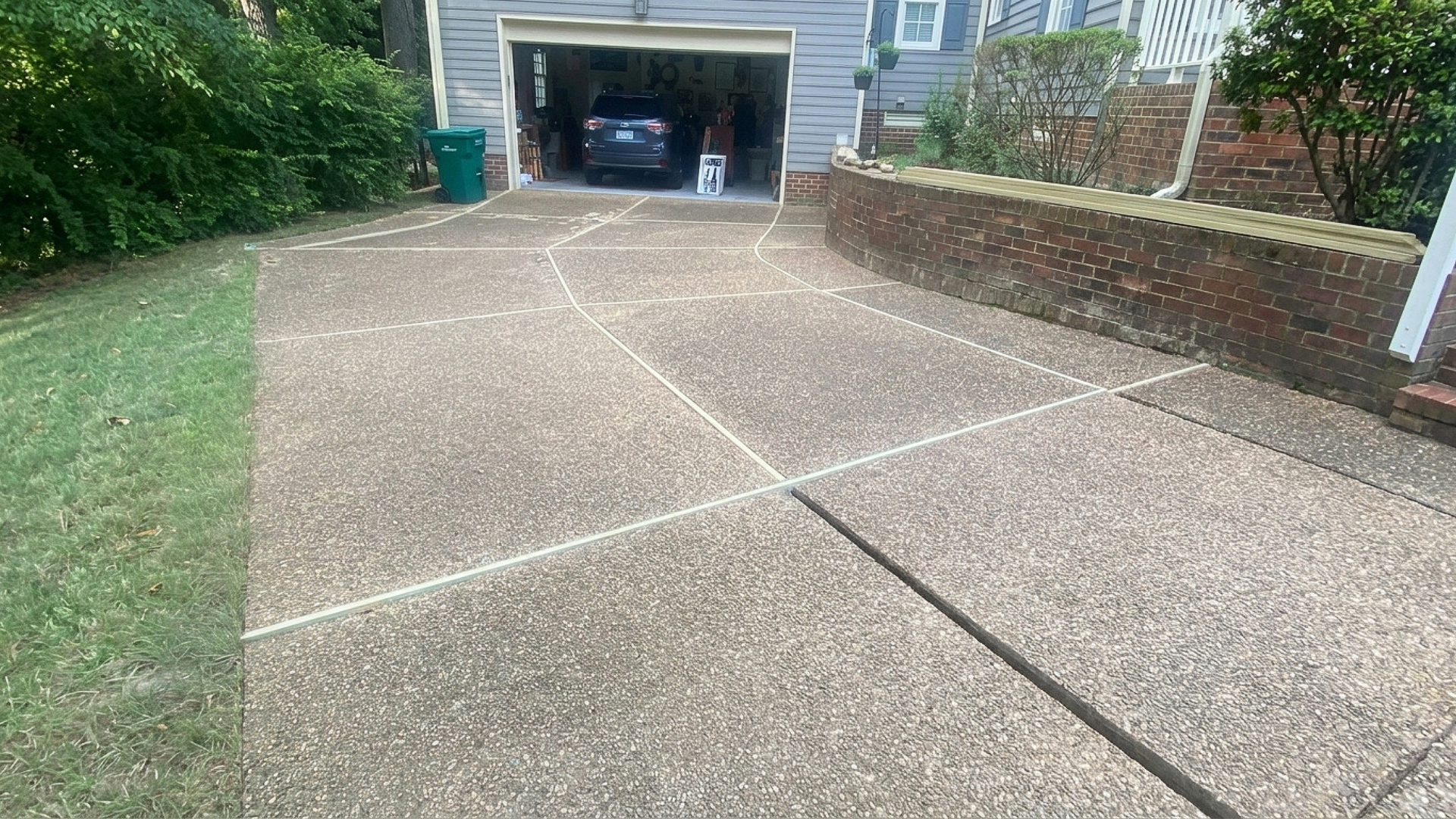
When joint material pulls away, crack sealant fails, or gaps form between concrete sections, water has an easier path below and into the slab.
That water may remain trapped until temperatures drop.
As freezing continues, nearby edges can begin breaking apart.
This is one reason joint repair and crack repair are often important parts of a broader concrete restoration plan.
Deicing Salts Can Add Stress
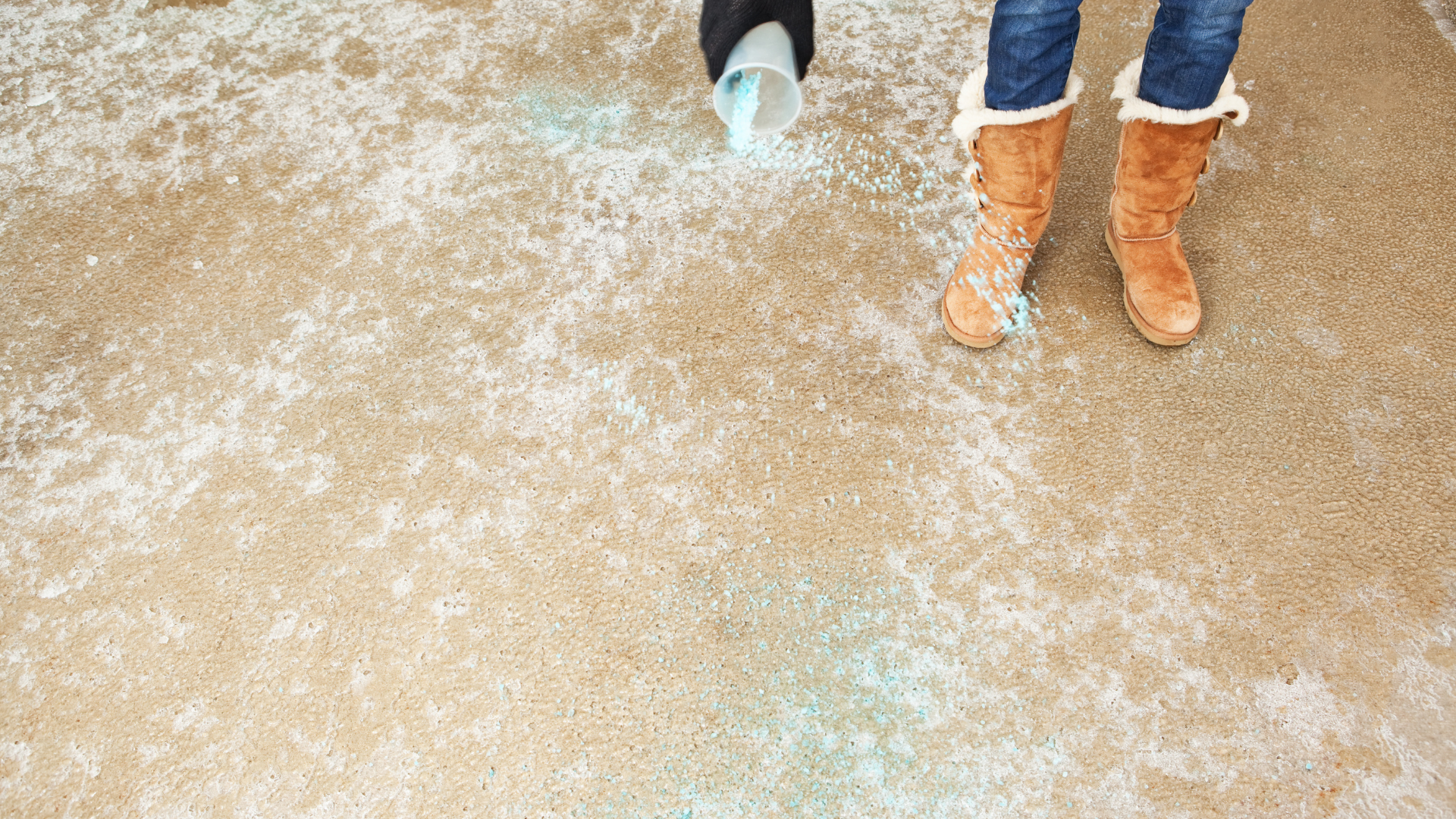
Deicing products can contribute to surface deterioration when they increase moisture exposure or affect the freeze-thaw behavior near the surface.
Concrete near building entrances, sidewalks, loading areas, and parking structures may experience especially heavy exposure.
The combination of moisture, repeated freezing, traffic, and deicing chemicals can make already vulnerable concrete deteriorate more quickly.
Proper maintenance is important in these high-use areas.
Spalling Usually Starts Small
Early spalling may look minor.
A property owner may notice shallow flakes, rough patches, exposed aggregate, or small broken areas near joints and slab edges.
Those symptoms can be easy to dismiss as cosmetic.
However, continued deterioration can allow larger sections of the surface to break away.
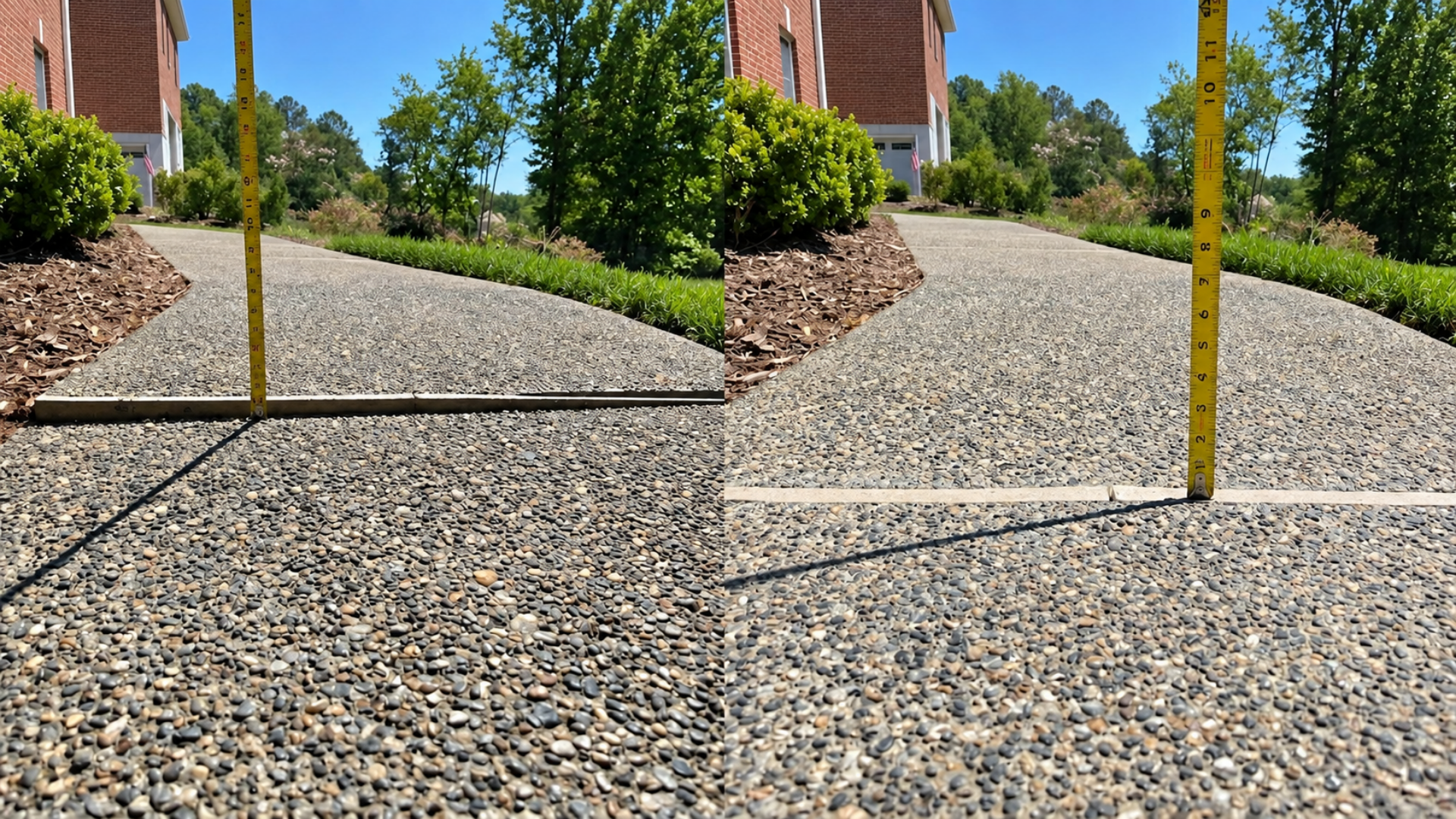
That can create uneven areas, trip hazards, and more extensive repair needs.
Catching the problem early may allow more of the original concrete to be preserved.
Not Every Damaged Slab Needs Replacement
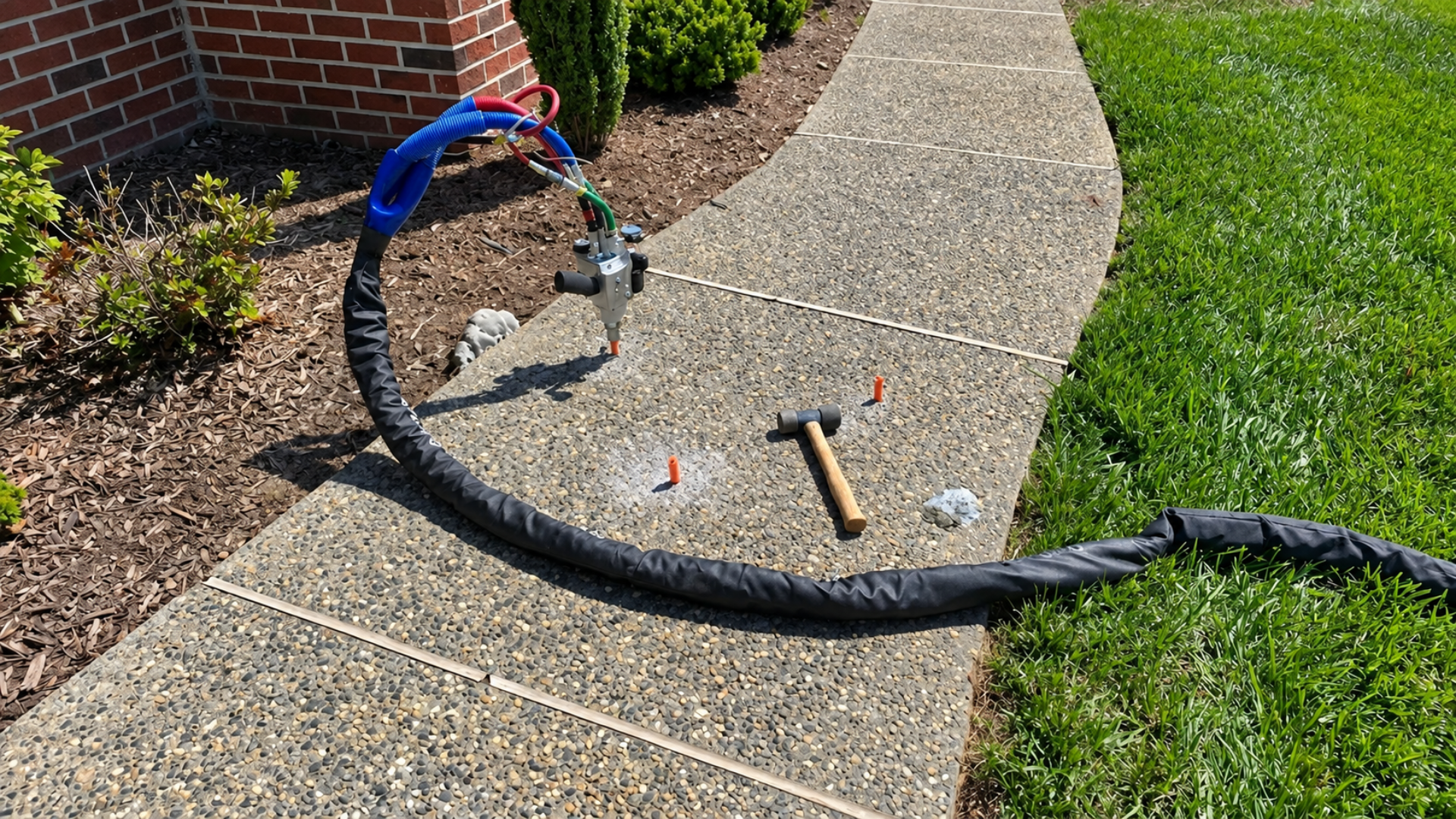
Spalling does not automatically mean the entire slab has failed.
In many cases, the underlying concrete may still be structurally sound.
The damaged surface can sometimes be repaired by removing loose material, preparing the area properly, and applying compatible restoration materials.
The condition of the slab, depth of deterioration, drainage, cracks, joints, and underlying movement all need to be evaluated before choosing a repair method.
Replacing sound concrete unnecessarily can add cost without addressing the real cause of the damage.
Address Moisture Along With the Surface
Surface repair alone may not last if water continues entering the same area.
Downspouts, poor grading, standing water, failed joints, and drainage problems can all contribute to recurring freeze-thaw damage.
A good restoration plan should consider both the visible spalling and the moisture source.
Correcting both can help extend the life of the repair.
Preserve Existing Concrete Before Damage Spreads
Freeze-thaw cycles can slowly turn minor surface wear into larger areas of spalling.
The earlier loose concrete, failed joints, cracks, and moisture problems are addressed, the more options property owners may have for preserving the existing slab.
Rite-Wash specializes in concrete restoration, including spalling repair, crack remediation, joint repair, and concrete leveling.
If you have noticed flaking, exposed aggregate, broken edges, or other signs of winter-related concrete deterioration, contact Rite-Wash to evaluate the damage and determine whether restoration can help extend the life of your existing concrete.