Why Cracks Near Columns and Walls Deserve Extra Attention
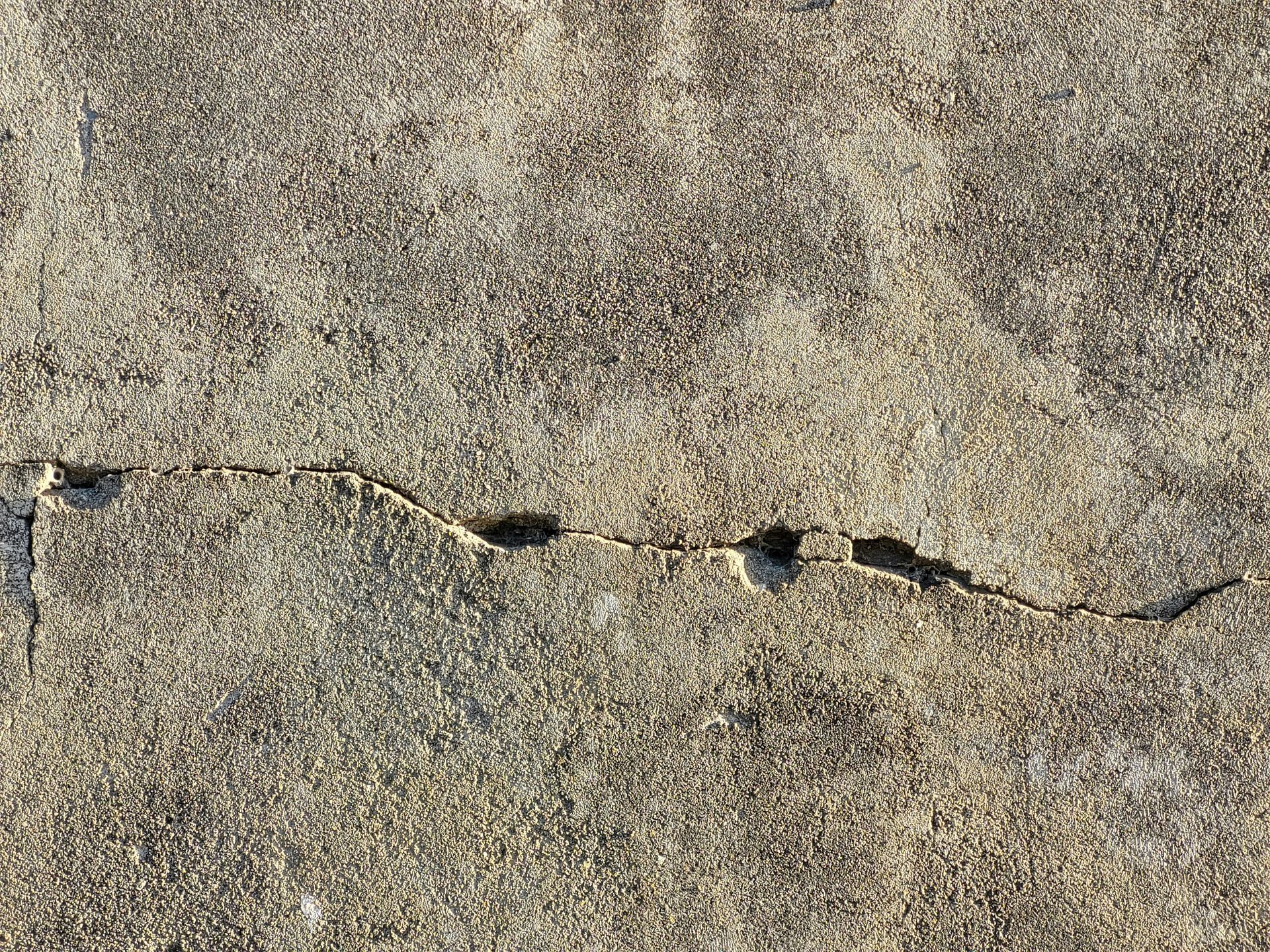
Not every concrete crack carries the same level of concern. A small surface crack in an open slab may be relatively straightforward, while cracking that develops near columns, walls, or other structural elements can deserve a closer look.
These areas often carry concentrated loads or mark transitions between different parts of a building. When concrete begins cracking nearby, the pattern may reveal movement, settlement, stress, or deterioration that is affecting more than the slab surface.
Columns Create Concentrated Loads
Columns transfer significant building loads into the floor and foundation system.
Because that weight is concentrated in a relatively small area, the surrounding concrete can experience different stresses than the rest of the slab.
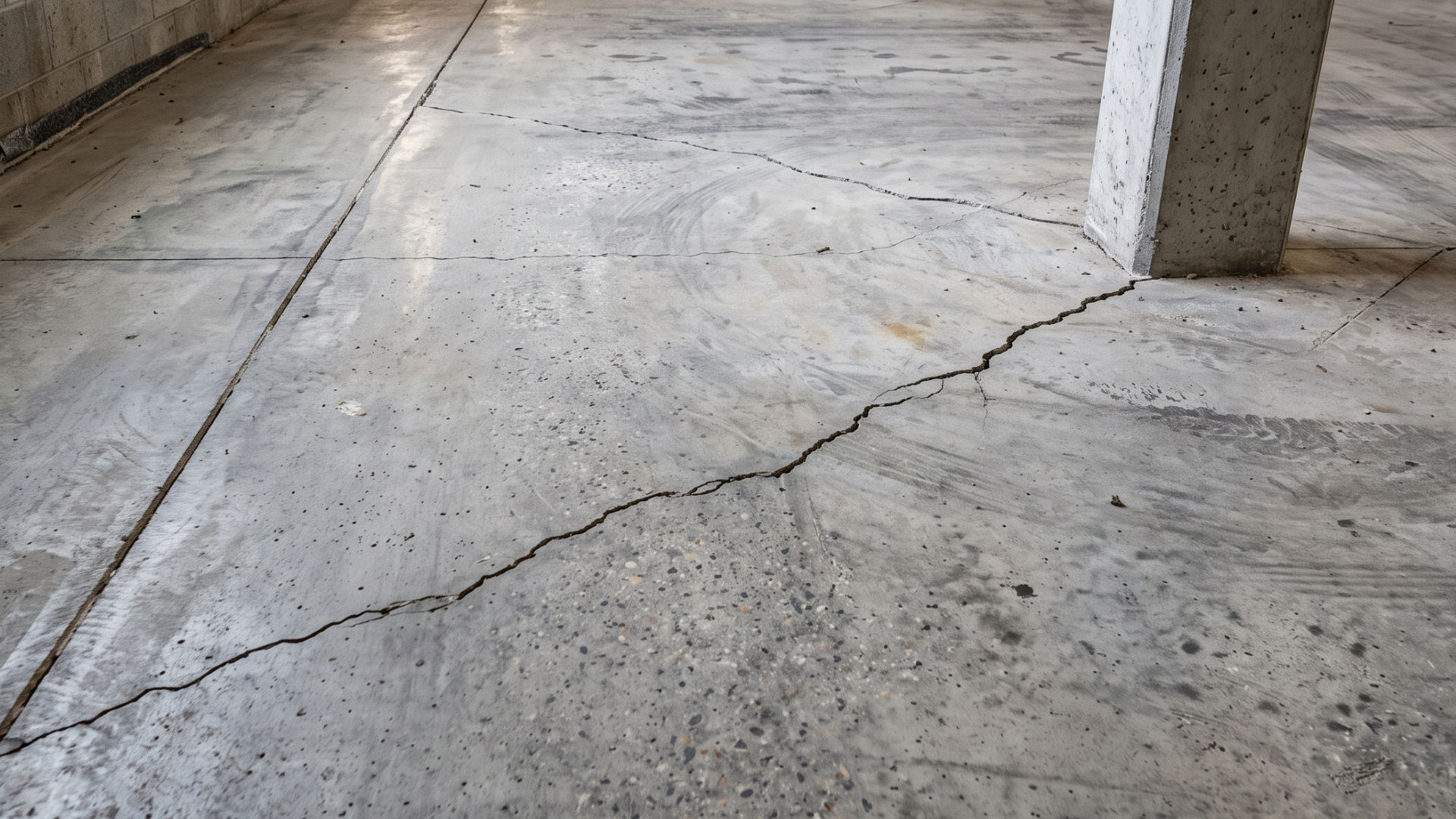
Cracks that radiate away from a column, form around its base, or repeatedly reopen may indicate that the slab is responding to load, movement, or support conditions beneath the surface.
That does not automatically mean there is a major structural failure, but it does mean the crack should be evaluated in context.
Walls Can Restrict Slab Movement
Concrete naturally expands and contracts with changes in temperature and moisture.
When a slab meets a wall, column, footing, or another rigid element, that movement can become restricted.
Stress may then develop near the transition point.
If joints were not placed properly or movement is greater than expected, cracking can occur where the slab meets the wall or nearby.
This is one reason crack location matters just as much as crack width.
Settlement Can Show Up Near Structural Elements
A slab may settle unevenly if voids develop beneath it or if the supporting soil changes.
When one section drops while a column, wall, or footing remains relatively stable, stress can develop at the transition between the moving and stationary areas.
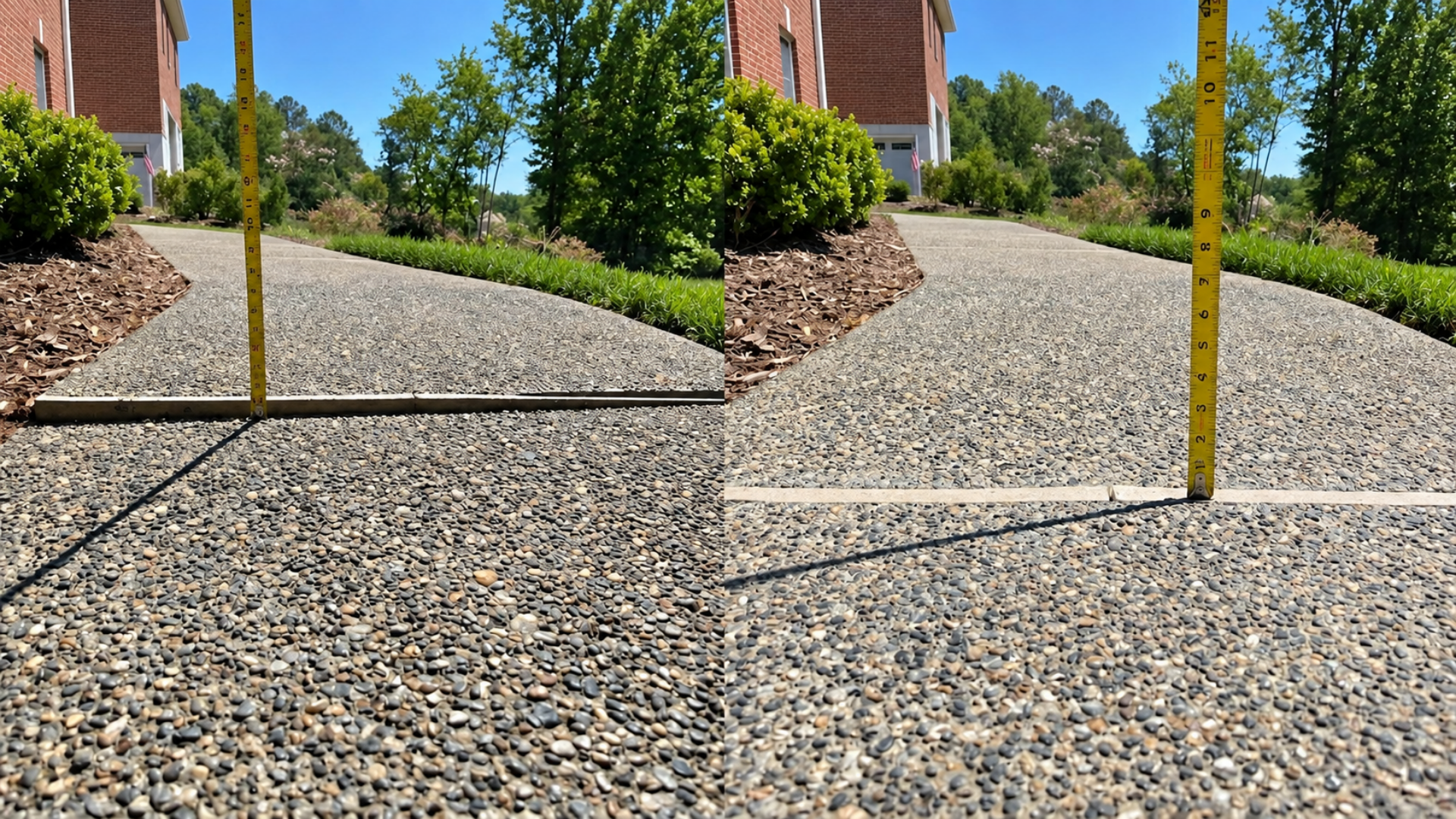
The resulting crack may widen over time or create a visible height difference across the slab.
In commercial or industrial settings, that can affect equipment movement, door operation, and overall floor performance.
Water Can Make the Problem Worse
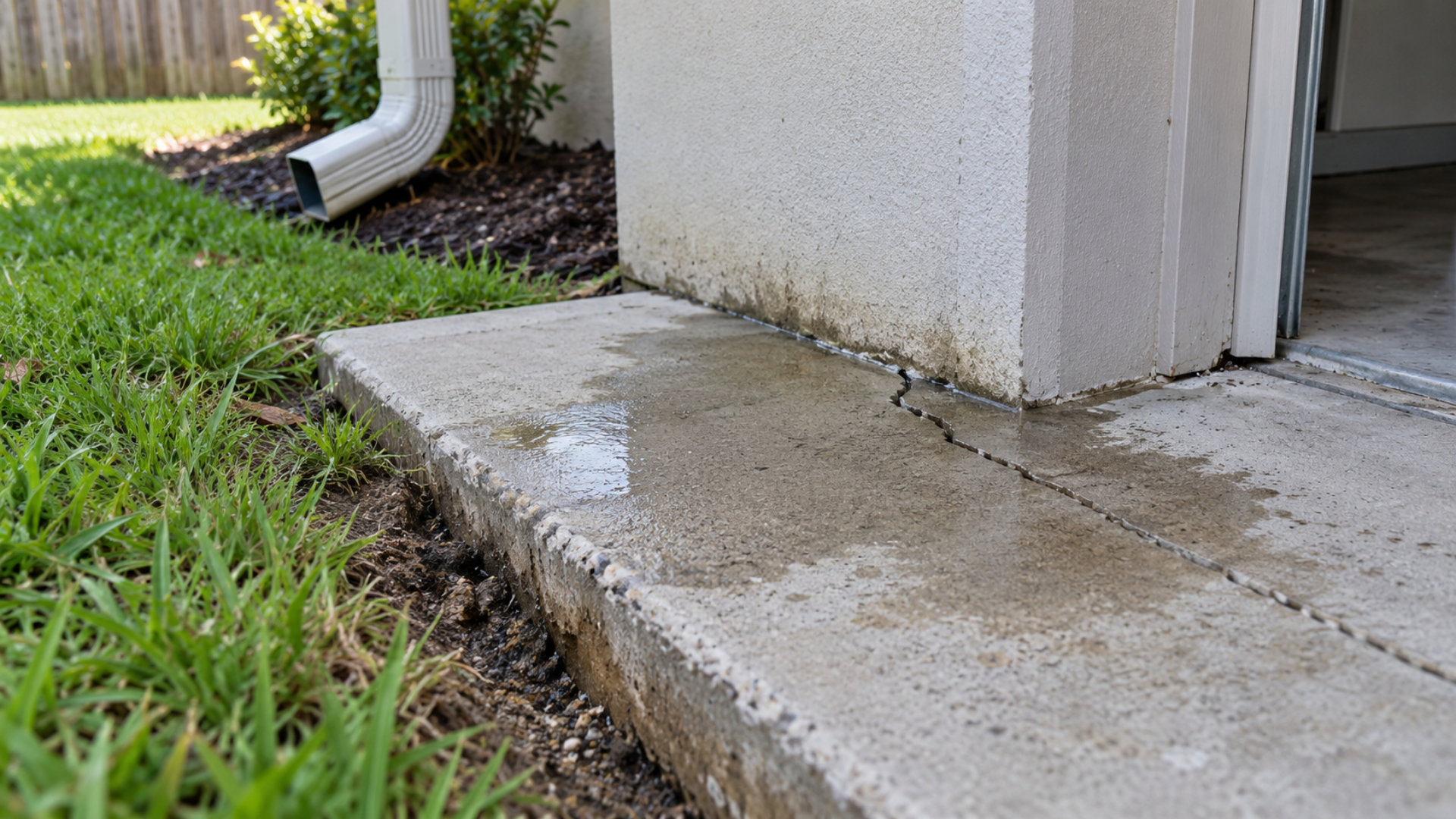
Cracks near walls and columns can provide pathways for water.
Once moisture reaches beneath the slab, it may contribute to soil erosion, base washout, or repeated wetting and drying.
In colder environments, freeze-thaw cycles can also worsen existing damage.
If the source of water is not corrected, simply filling the crack may not provide a lasting repair.
Drainage conditions, downspouts, nearby joints, and exterior grading may all need to be considered.
Repeated Traffic Can Accelerate Damage
In warehouses, manufacturing facilities, and other commercial properties, cracks near columns may also sit directly in forklift or equipment traffic lanes.
Each pass can place additional impact on already weakened edges.
Over time, a simple crack may develop into spalling, rough transitions, or broken concrete around the joint or fracture.
That can create operational problems as well as additional repair needs.
Crack Pattern Tells Part of the Story
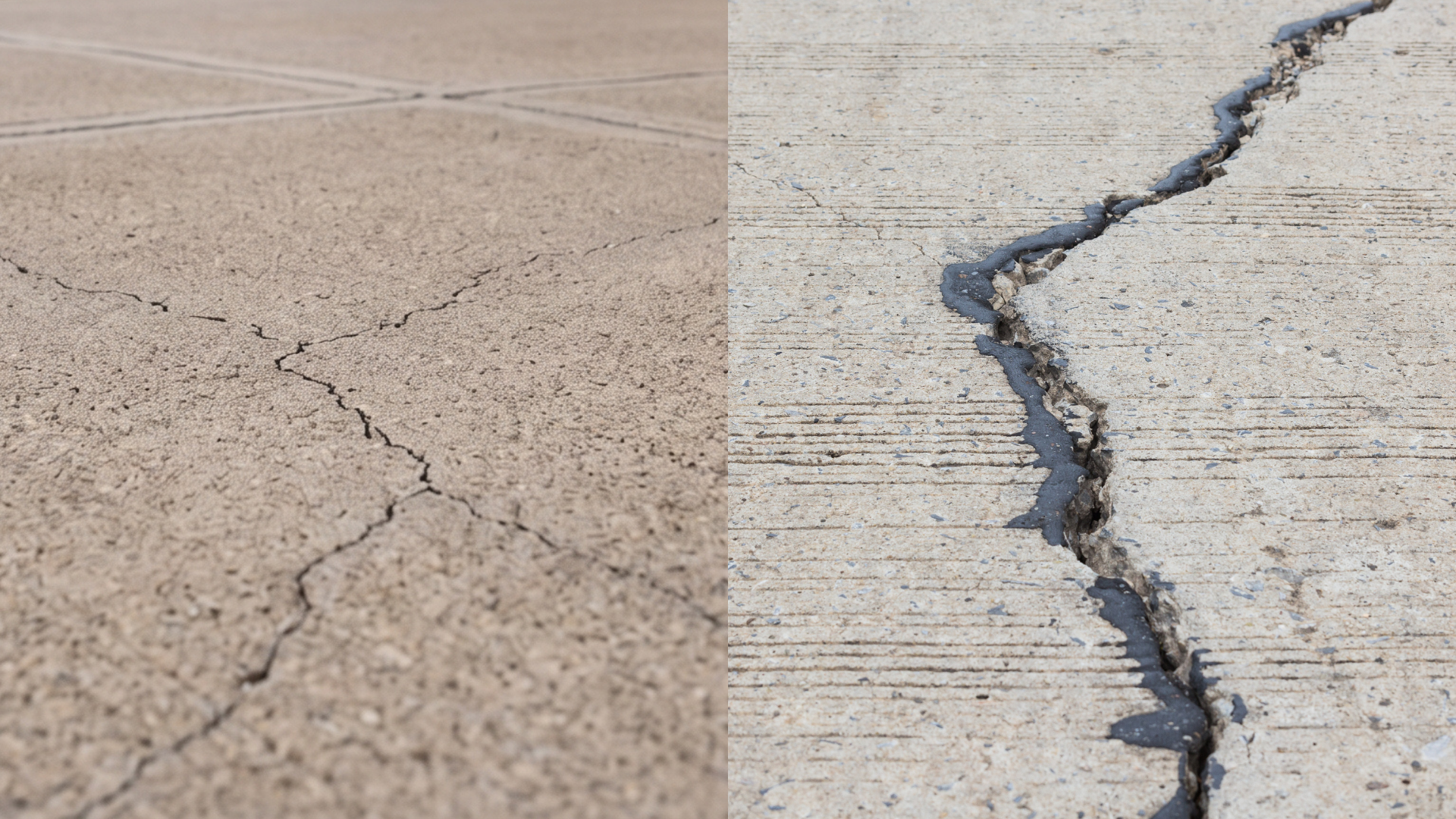
The shape and direction of the crack can provide clues.
A crack that radiates diagonally from a column may have a different cause than a straight crack running parallel to a wall.
Likewise, a narrow stable crack is different from one that continues widening or shows vertical displacement.
A proper evaluation should consider:
- Crack width
- Crack direction
- Whether the crack is active
- Vertical movement
- Nearby joints
- Water exposure
- Traffic patterns
- Soil or base conditions
The repair should be based on the cause, not just the appearance.
Surface Filling Is Not Always Enough
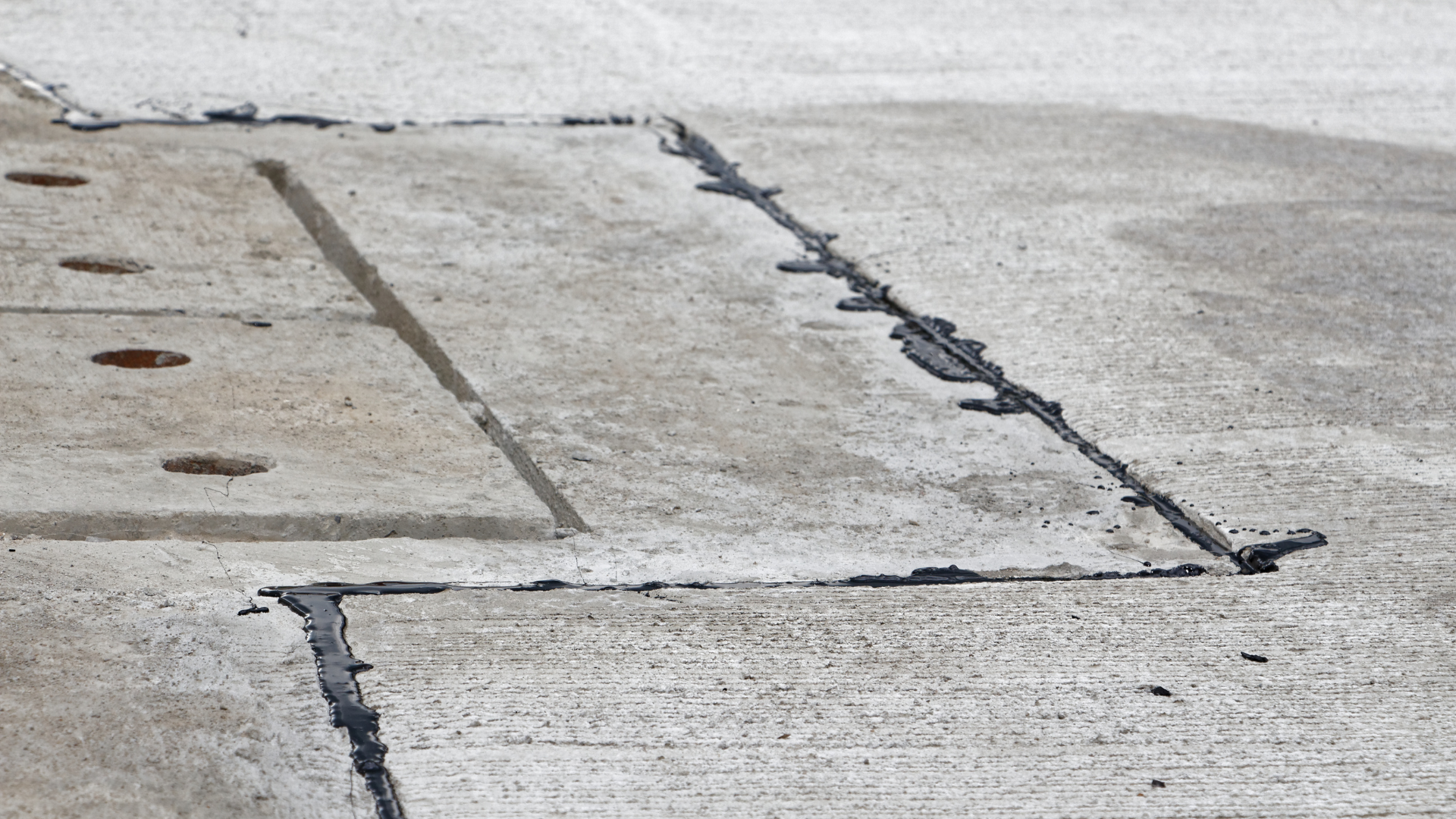
A quick patch may improve the look of a crack temporarily, but if settlement, movement, or water intrusion continues, the crack can reopen.
That is especially true near structural elements where loads and movement patterns are more complex.
The repair may need to include crack treatment, leveling, joint repair, drainage correction, or restoration of deteriorated concrete around the affected area.
The goal is to preserve the slab by addressing what is causing the damage.
Protect the Concrete Before the Damage Spreads
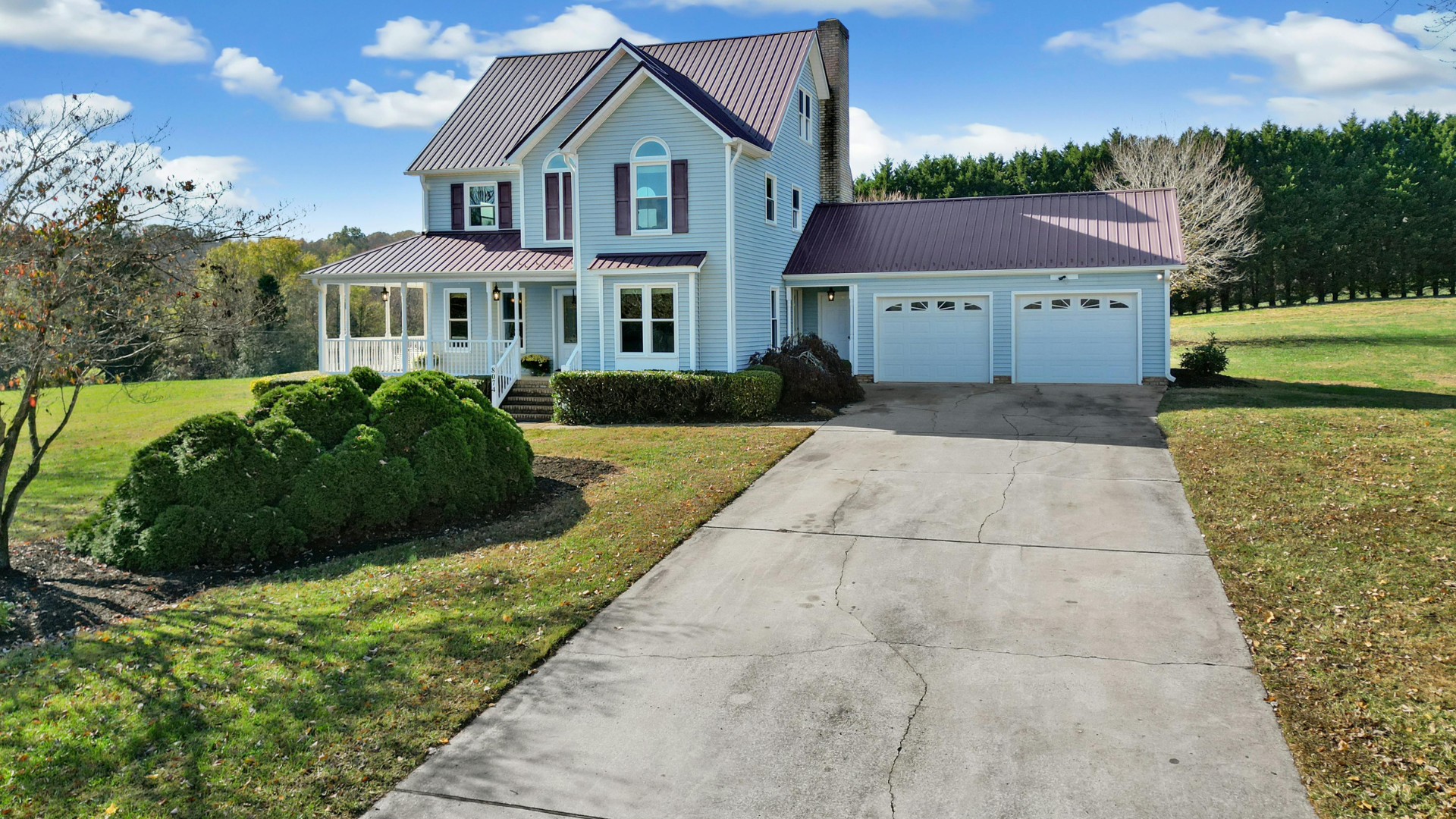
Cracks near columns and walls should not automatically be treated as cosmetic because these areas often experience concentrated stress and restricted movement.
Rite-Wash specializes in concrete repair and restoration, including crack repair, spalling remediation, leveling, joint repair, and other services designed to preserve existing concrete whenever practical.
If you notice cracking around columns, walls, doorways, or other structural transitions, contact Rite-Wash for an evaluation. Identifying the source early can help prevent localized damage from spreading into a larger slab-repair problem.