Why Joint Repair Can Help Protect the Entire Slab
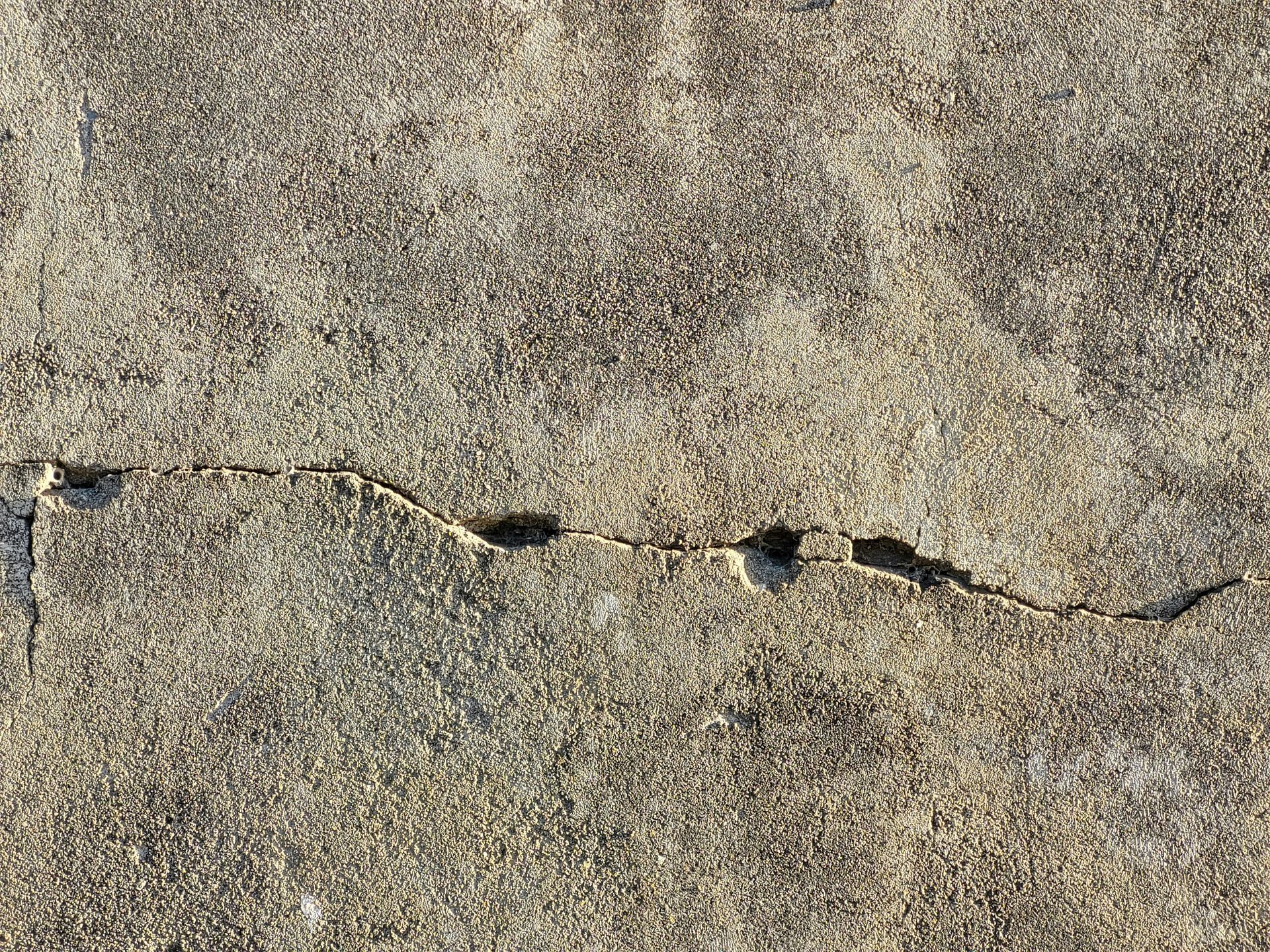
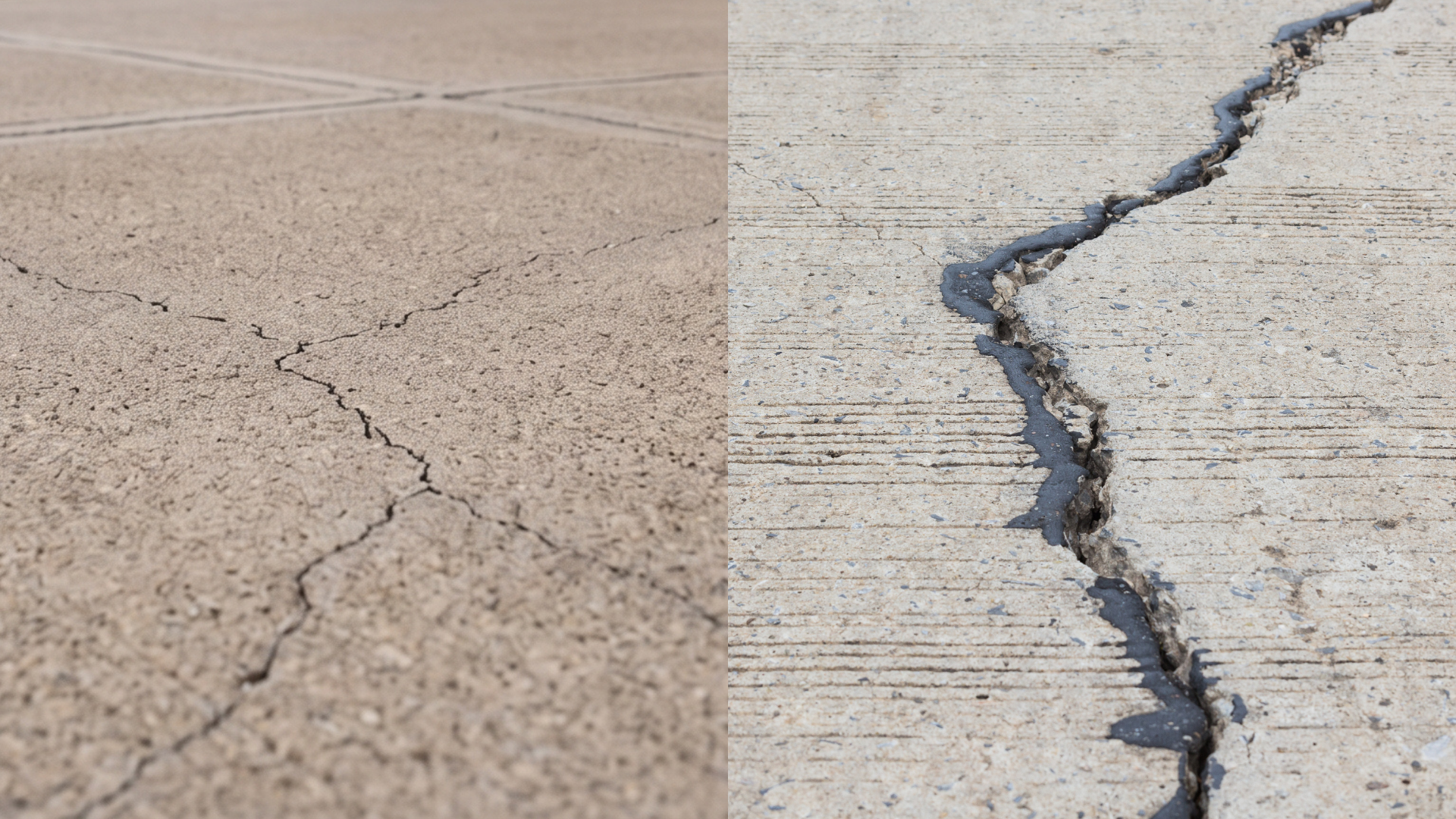
Concrete joints are designed to manage movement, but when they begin to fail, the damage often does not stay confined to the joint itself. Crumbling edges, missing filler, water intrusion, and repeated impact from traffic can gradually affect the surrounding slab.
For commercial and industrial properties, this matters because joint deterioration can interfere with equipment movement, create rough transitions, and accelerate damage in otherwise serviceable concrete.
Repairing a failed joint is therefore not just about improving appearance. It can help preserve the surrounding slab and reduce the chance that a relatively localized problem becomes much larger.
Why Concrete Needs Joints
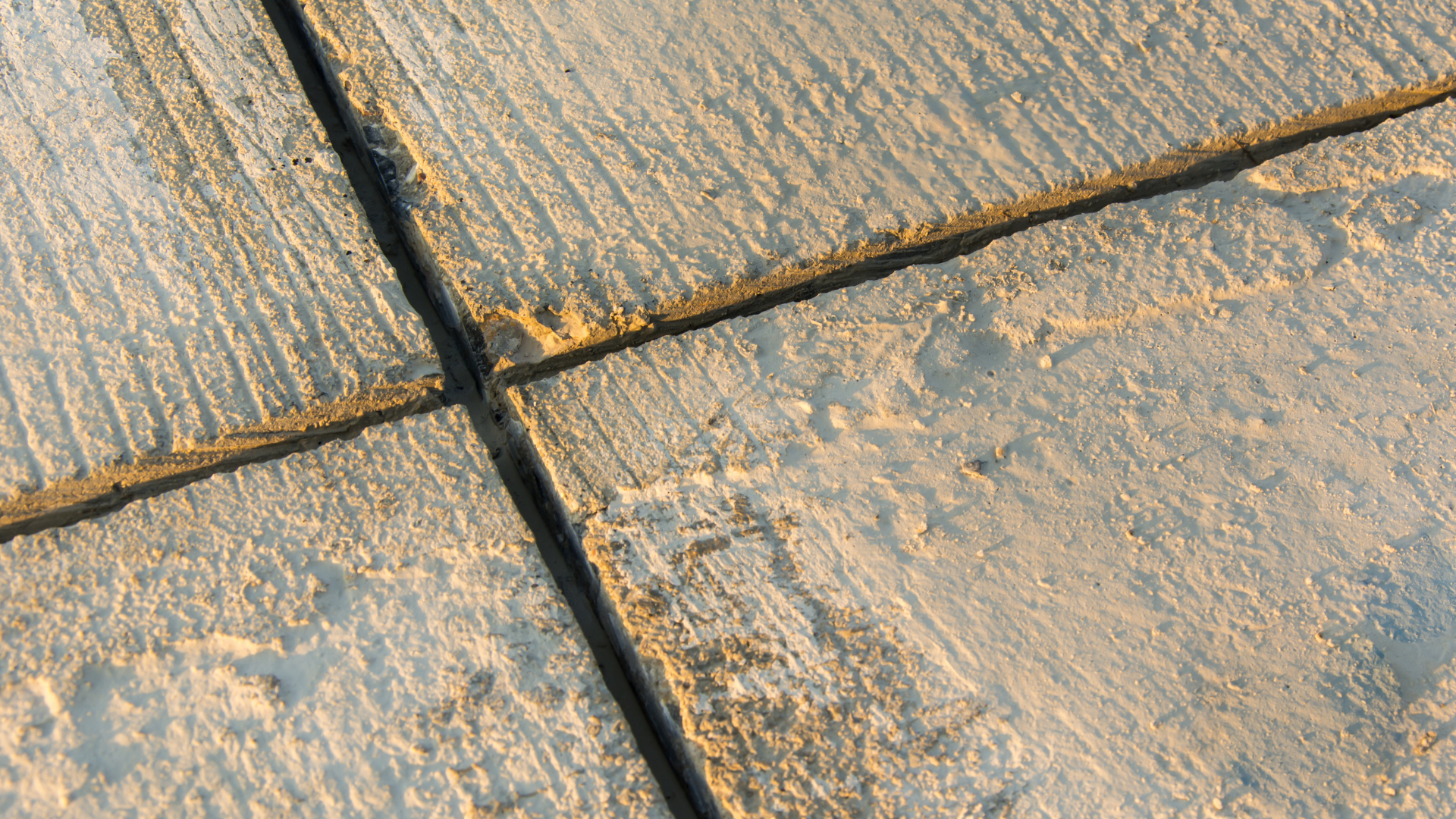
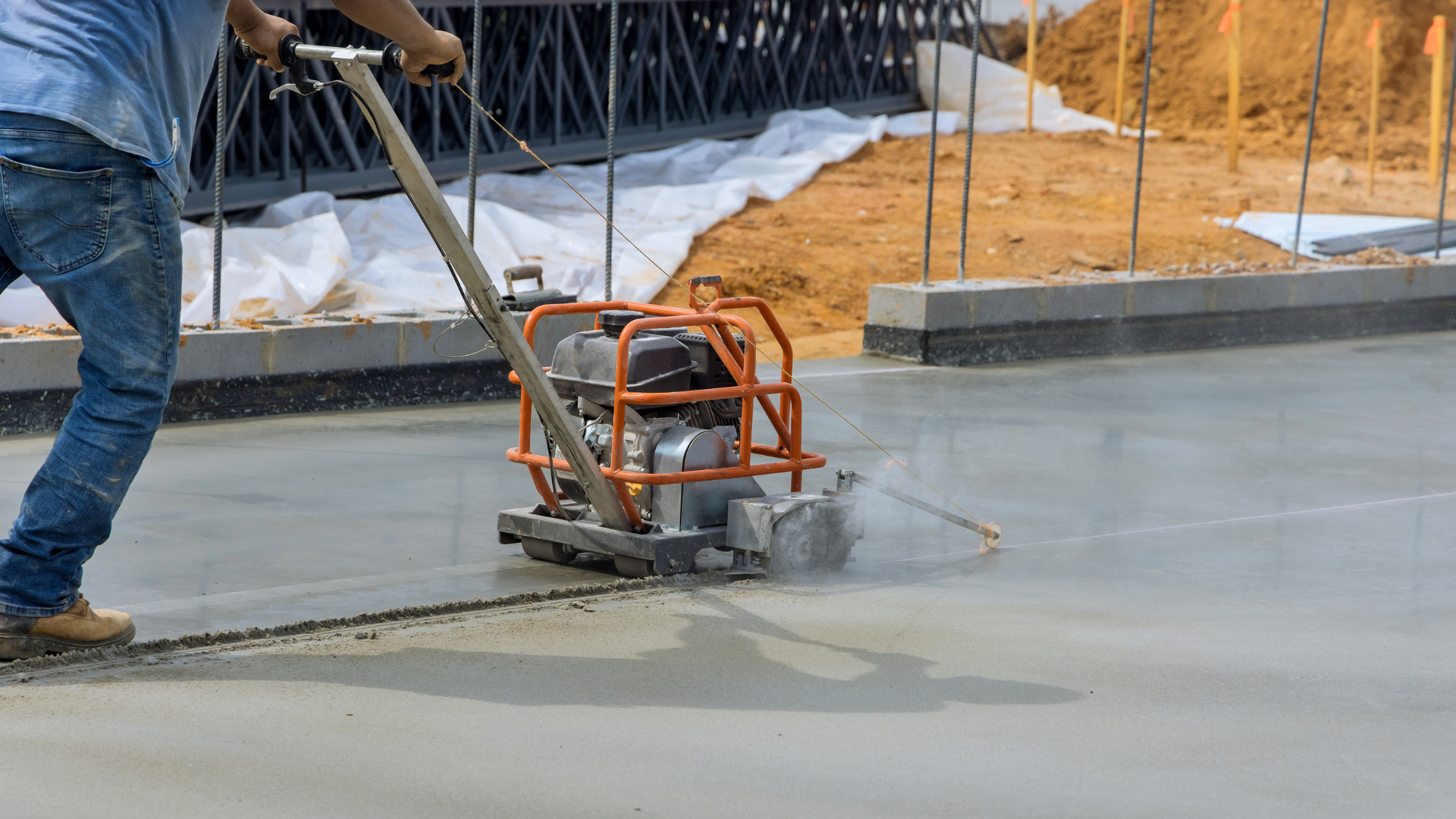
Concrete naturally expands, contracts, and moves in response to temperature, moisture, curing, and structural conditions.
Joints are incorporated into slabs to help manage that movement in a more controlled way.
Depending on the application, a joint may separate slab sections, accommodate movement, or provide a planned location for cracking.
When those joints remain in good condition, they help the slab perform as intended. Once the joint begins deteriorating, however, stress can start affecting the concrete around it.
Joint Edges Take a Lot of Abuse
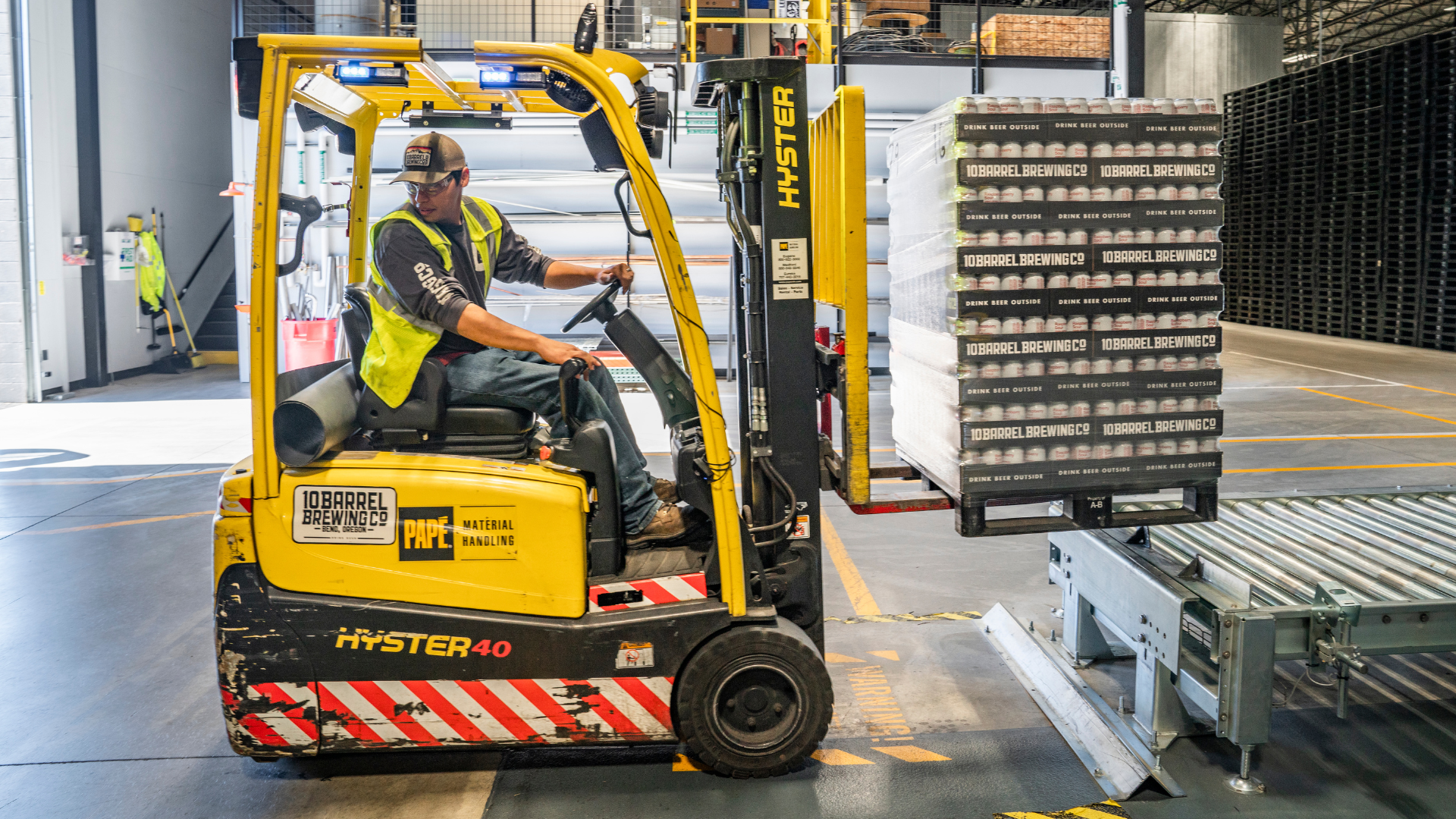
The edges on either side of a joint can be especially vulnerable in high-traffic environments.
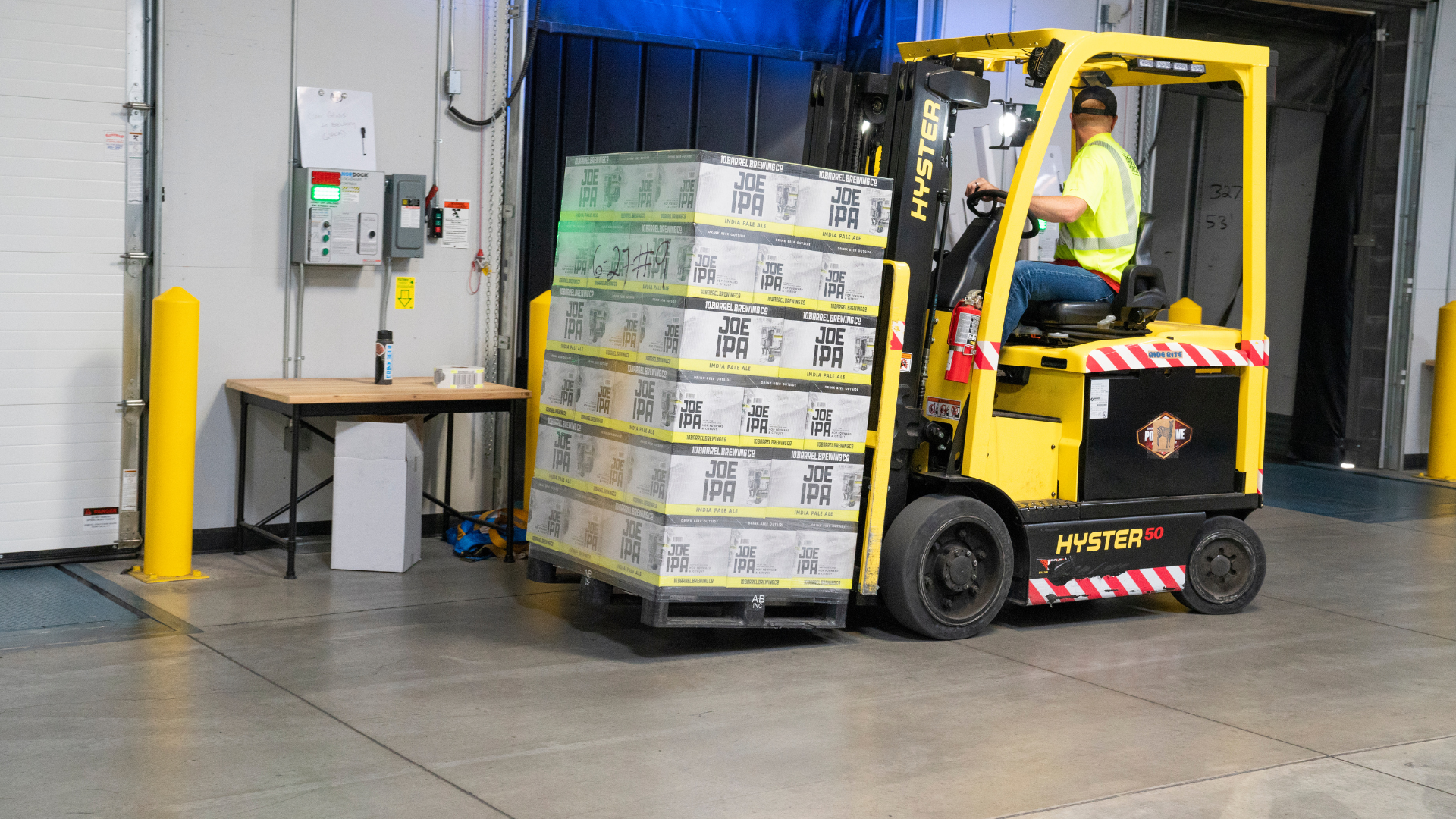
Forklifts, pallet jacks, carts, heavy equipment, and vehicle tires repeatedly cross the gap. If the joint filler has deteriorated or the edges are already weakened, each impact can break away more concrete.
Small chips can gradually become larger areas of spalling.
As the edge becomes rougher, equipment impact can become more severe, creating a cycle in which the damaged joint continues to deteriorate.
Failed Joint Filler Leaves Concrete Exposed
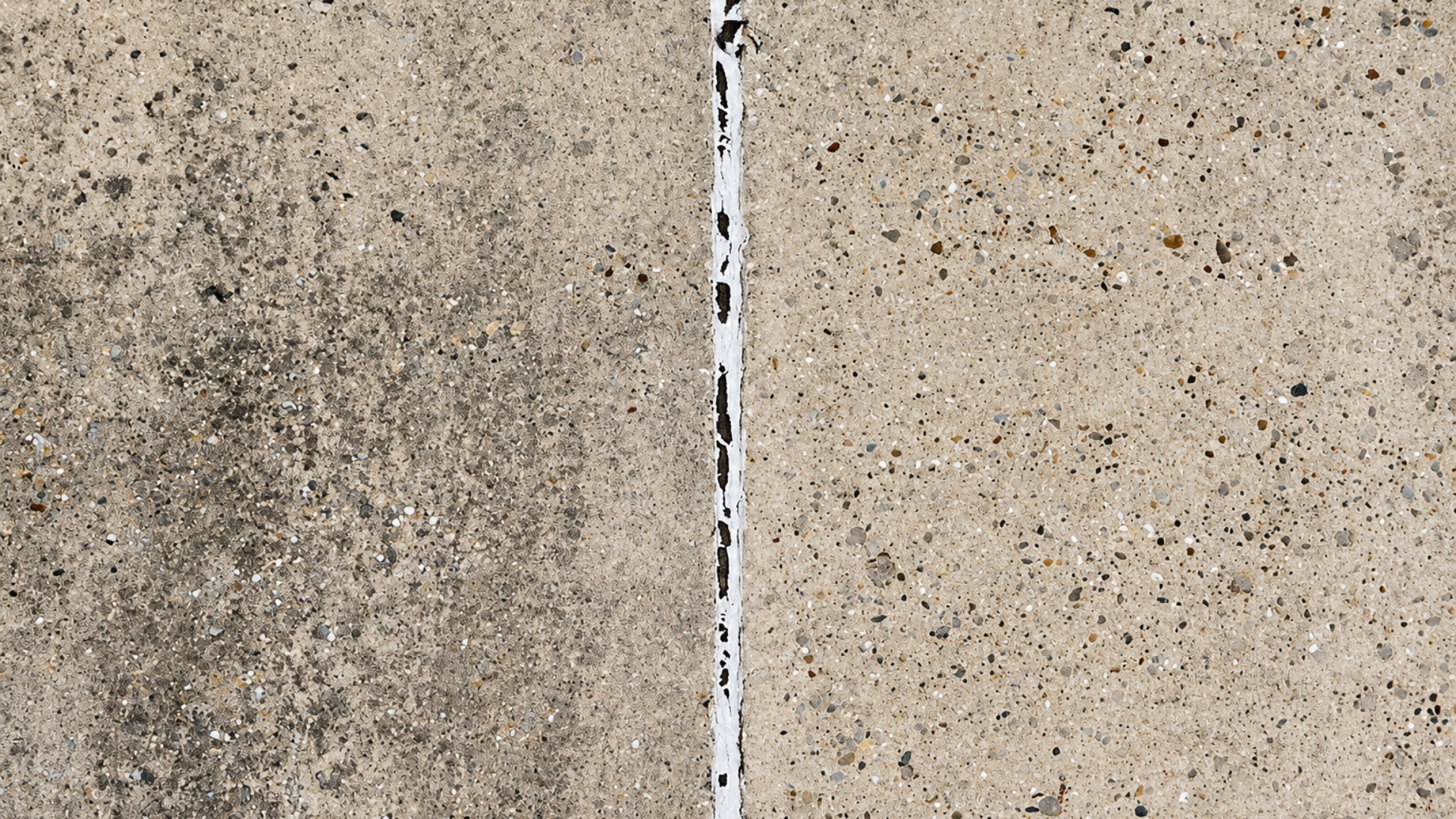
Joint filler helps support the edges of certain floor joints and reduce the impact of traffic crossing them.
Over time, filler can shrink, separate, crack, or pull away from the joint walls.
Once that happens, the concrete edges may lose some of the protection they previously had.
Debris can also collect in the opening. Hard material trapped inside a joint may interfere with normal movement or place additional pressure on the concrete as the slab expands and contracts.
Replacing deteriorated filler can restore a cleaner, more functional joint and help protect the adjoining edges.
Water Can Make Joint Damage Worse
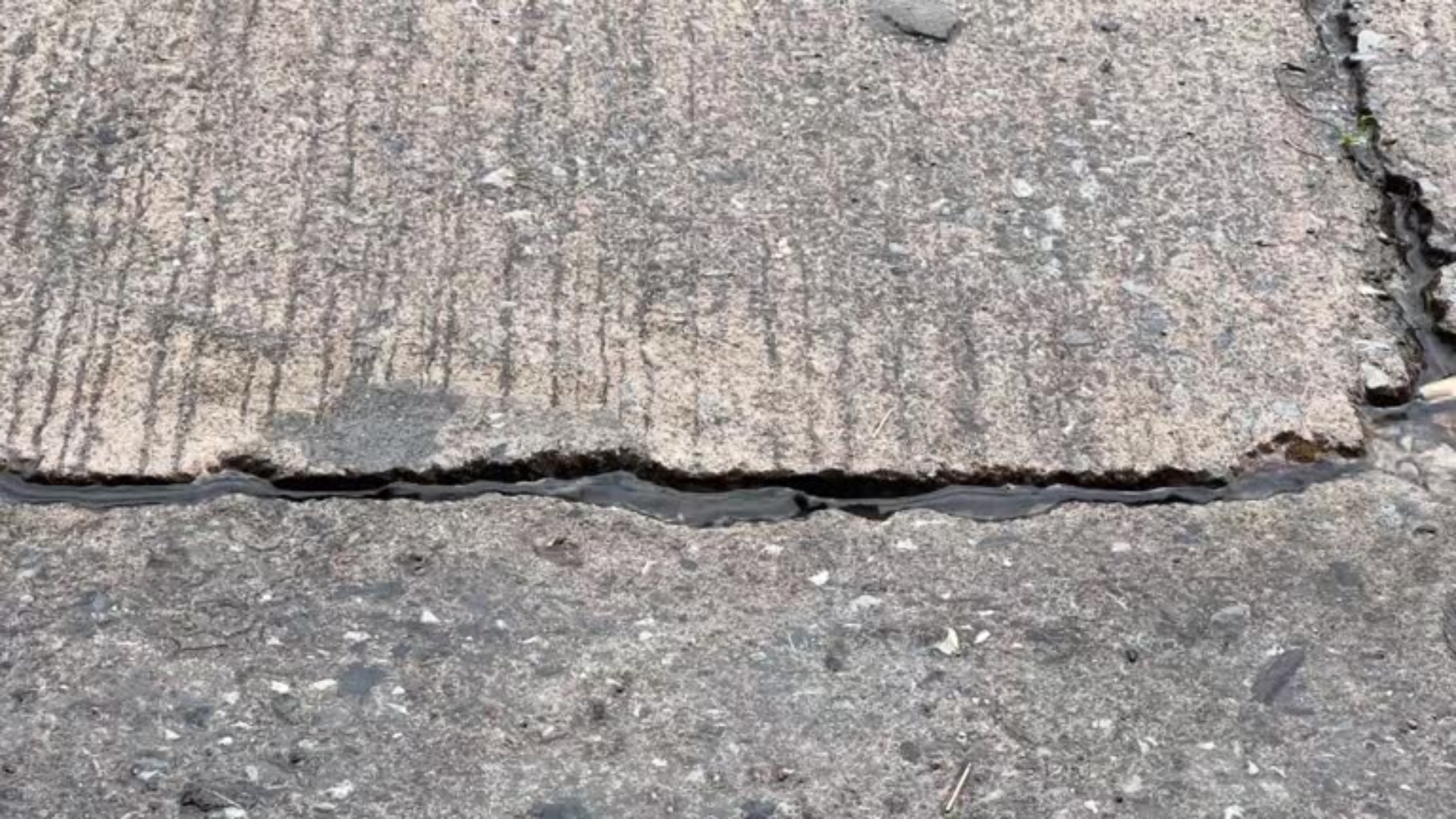
Open or deteriorated joints can also provide a path for water.
Moisture may move below the slab and affect the supporting soil or base material. In exterior environments, repeated wetting and drying can contribute to erosion or settlement.
In colder climates, water inside cracks and damaged concrete can also be affected by freeze-thaw cycles.
As water freezes, it expands. Repeated cycles can contribute to additional cracking and surface deterioration around already weakened areas.
Addressing water entry should therefore be part of evaluating a damaged joint.
Small Joint Problems Can Affect Equipment
In warehouses and industrial facilities, damaged joints are more than a cosmetic concern.
Rough or broken transitions can affect forklifts, carts, and other material-handling equipment. Operators may feel repeated impact as wheels pass over the damaged area, particularly when carrying heavy loads.
That can contribute to vibration, slower movement, and additional wear on both the floor and equipment.
Repairing joint edges before deterioration becomes severe can help create a smoother transition and reduce repeated impact.
Repair Should Address More Than the Surface
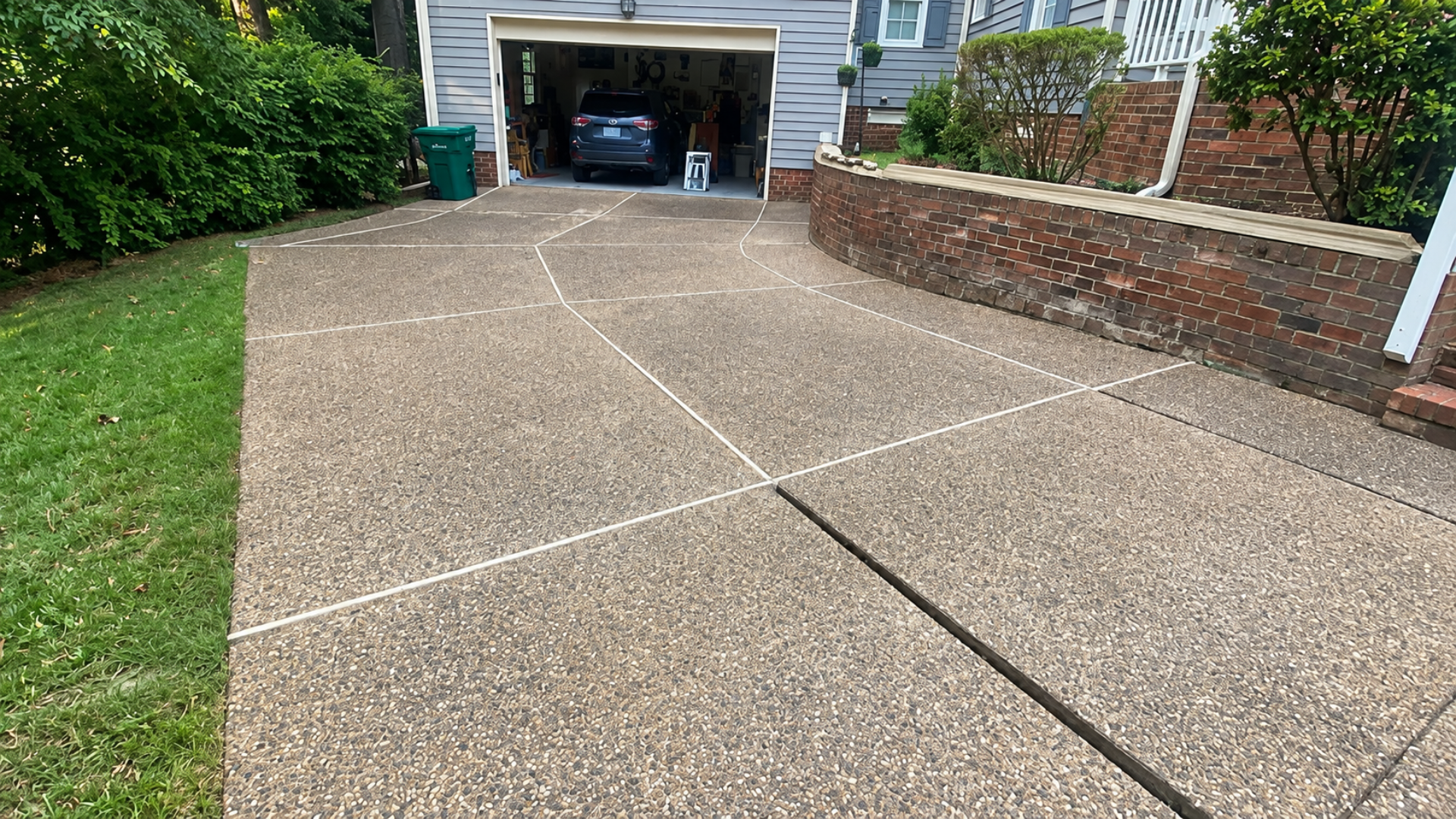
Simply filling a damaged joint without evaluating the surrounding concrete may not solve the problem.
A proper repair should consider the condition of the joint edges, existing filler, moisture, movement, traffic, and any underlying settlement.
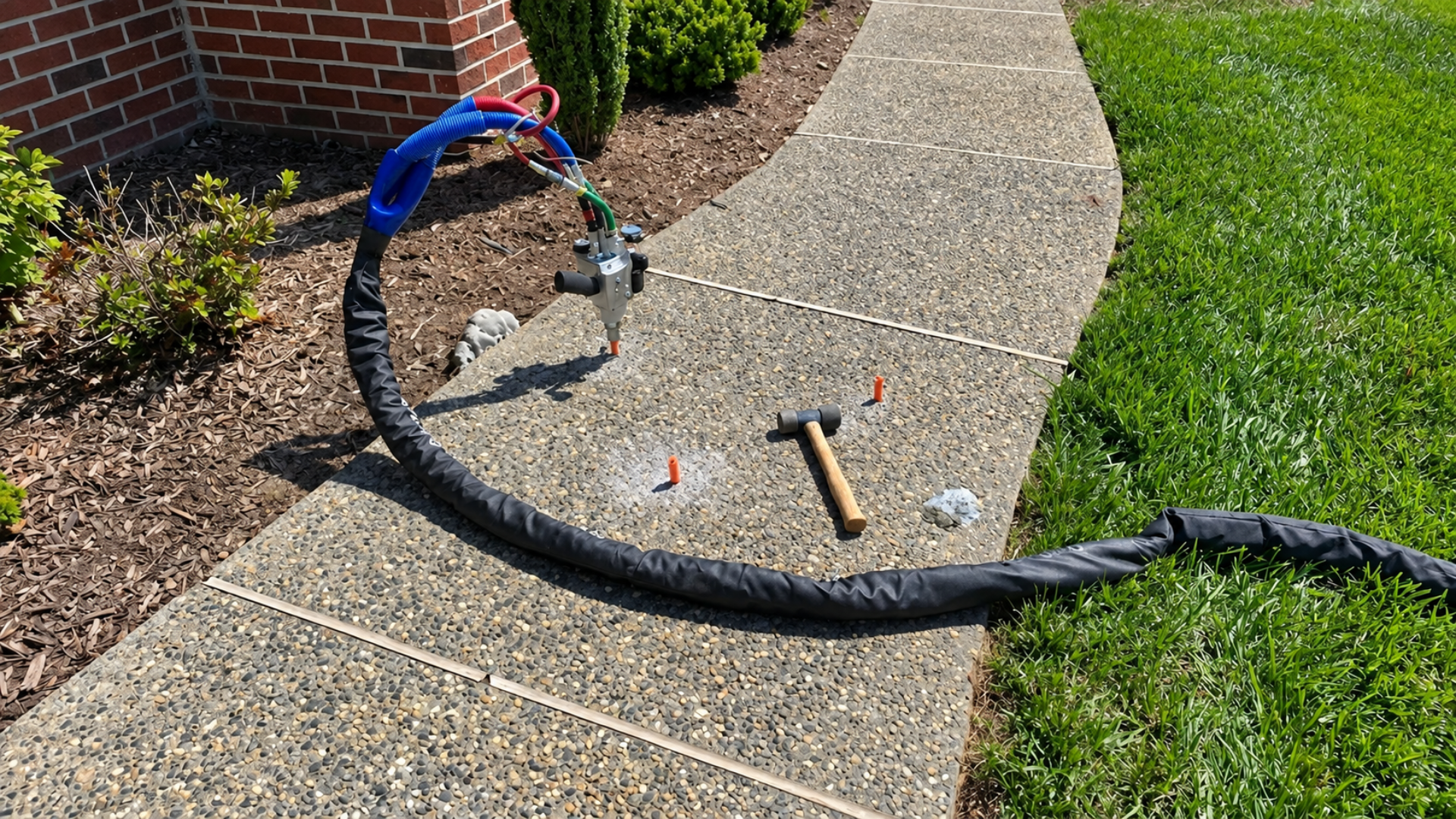
Loose or deteriorated concrete may need to be removed before new repair material is installed.
The goal is to restore the joint in a way that matches how the slab is actually being used.
Preserving the Slab Is Often the Better Strategy
A damaged joint does not automatically mean the entire slab needs replacement.
If the surrounding concrete remains structurally sound, targeted joint repair may help preserve a much larger area of existing concrete.
This can reduce disruption, limit unnecessary demolition, and focus the work where deterioration is actually occurring.
For facilities that need to stay operational, preserving serviceable concrete can be far more practical than removing and replacing large slab sections.
Protect the Concrete Before Damage Spreads
Joint deterioration often starts small, but repeated traffic, moisture, and movement can allow it to spread into the surrounding slab.
Rite-Wash specializes in concrete repair and restoration, including crack repair, joint repair, spalling remediation, leveling, and other services designed to preserve existing concrete whenever practical.
If expansion joints, control joints, or industrial floor joints are breaking down, contact Rite-Wash for an evaluation. Repairing the damaged area early can help protect the surrounding slab and extend the useful life of the concrete already in place.