What Happens When Cracks Allow Water Below the Surface
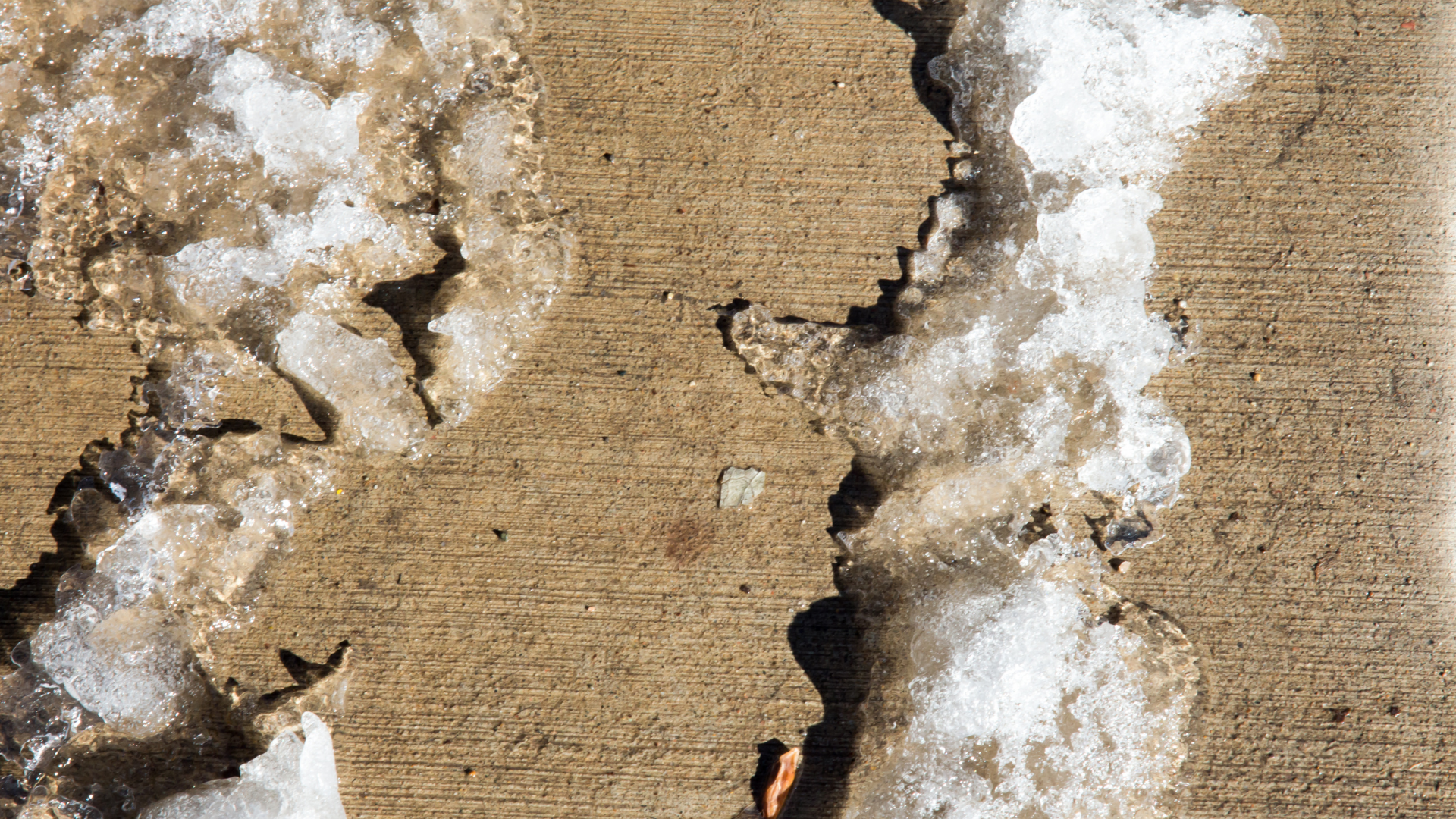
A crack in concrete may seem minor when viewed from above, but once water begins moving through that opening, the problem can extend beneath the surface. Moisture can reach the base material, contribute to erosion, worsen freeze-thaw damage, and reduce support beneath the slab.
For property owners and facility managers, that means crack repair is not only about appearance. Rite-Wash focuses on restoring and preserving existing concrete by addressing the underlying conditions that can cause damage to spread.
Water Can Reach the Base Beneath the Slab
Concrete depends on stable support underneath it.
When water passes through cracks and reaches the material below, it can begin moving fine soil or aggregate away from the slab. Over time, this may create small voids or areas with reduced support.
The slab may initially look normal, but once support becomes uneven, sections can begin to settle or move.
This is one reason cracks should be evaluated in context rather than treated as isolated surface defects.
Freeze-Thaw Cycles Can Make Damage Worse
In colder climates, water entering a crack can freeze.
When water freezes, it expands. Repeated freezing and thawing can place pressure on the surrounding concrete and gradually widen existing cracks or contribute to surface deterioration.
The process may be slow at first, but repeated seasonal cycles can accelerate damage.
Small cracks that allow moisture into the slab may therefore become larger problems over time, especially in exterior concrete exposed to winter conditions.
Moisture Can Contribute to Spalling
Water intrusion can also play a role in spalling.
When moisture enters concrete and reaches areas near the surface, repeated freezing, deicing chemicals, corrosion of embedded steel, or other deterioration mechanisms can cause the surface to flake, chip, or break away.
What begins as a narrow crack may eventually develop damaged edges or exposed aggregate.
Repairing the visible spalling without considering where moisture is entering may lead to recurring deterioration.

Water Can Wash Out Supporting Soil
Exterior slabs are especially vulnerable when drainage is poor.
If water repeatedly moves through cracks and beneath concrete, it may erode the supporting soil. Downspouts, poor grading, standing water, and runoff can make the problem worse.
As soil is washed away, voids can form beneath the slab.
Once that happens, concrete may settle, rock, or crack further because the load is no longer evenly supported.
Fixing drainage issues can therefore be just as important as repairing the crack itself.
Cracks Can Grow as the Slab Moves
When support beneath a slab changes, the concrete may begin moving.
One section may settle more than another, causing the original crack to widen or develop vertical displacement. In commercial and industrial settings, repeated traffic from forklifts, carts, vehicles, or equipment can place additional stress on already weakened areas.
A once-flat crack can eventually become a trip hazard or rough transition.
This is why waiting for a crack to become visibly severe can make the eventual repair more complicated.
Joint Failure Can Create Similar Problems
Water does not only enter through random cracks.
Failed expansion joints and deteriorated sealant can also allow moisture beneath the slab. If joint materials pull away or break down, water may follow the opening into the base below.
Over time, that can contribute to edge damage, settlement, or spalling around the joint.
Maintaining joints is an important part of protecting the surrounding concrete from water intrusion.
Repair Should Address the Cause
Filling a crack may improve appearance, but a successful repair should also consider why the crack developed and whether water is still reaching the area.
If drainage, settlement, failed joints, or voids beneath the slab are contributing to the problem, those conditions may need to be addressed as part of the repair plan.
The goal is not simply to cover the opening. It is to reduce the conditions that allow damage to continue.
Protect Existing Concrete Before Damage Spreads
Water moving through cracks can contribute to erosion, settlement, spalling, freeze-thaw damage, and loss of support beneath a slab. What looks like a small surface defect may therefore be connected to a much larger problem below.
Rite-Wash specializes in concrete crack repair, leveling, expansion joint repair, spalling remediation, and other targeted restoration methods designed to preserve existing concrete whenever possible. If cracks are allowing water into a slab or surrounding concrete is beginning to move or deteriorate, contact Rite-Wash for an evaluation and a repair plan focused on protecting the concrete you already have.