Why Driveway Damage Gets Worse Faster in Coastal Virginia
The Hidden Environmental Factors Behind Driveway Wear
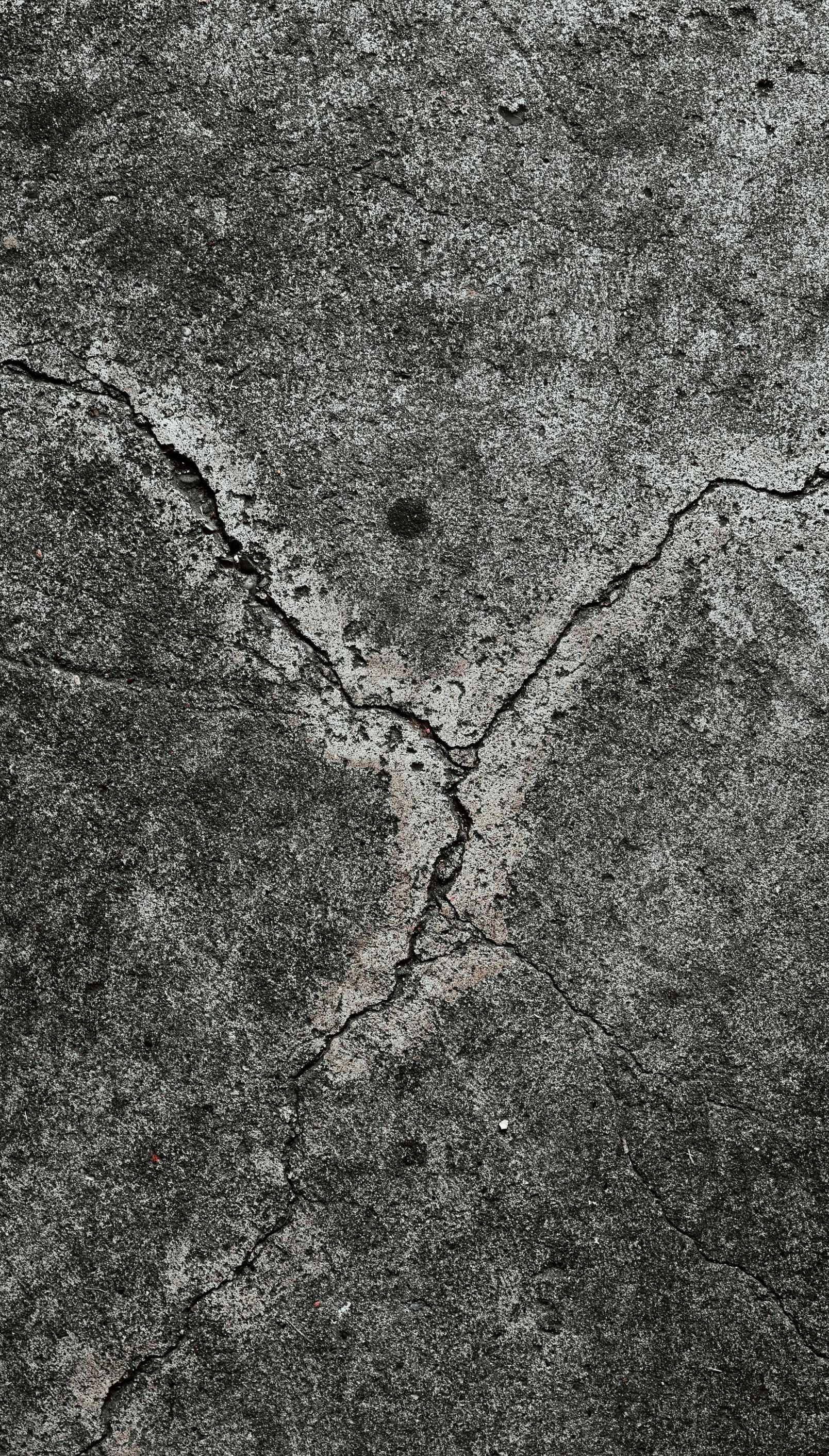
Homeowners in coastal Virginia often notice that driveway damage seems to progress faster than expected. Small cracks widen, surfaces discolor, and uneven sections appear sooner than they would in other regions. This is not a coincidence. The local climate and environmental conditions place unique stress on concrete driveways, which makes proactive restoration especially important.
Understanding why damage accelerates in this area helps homeowners make informed decisions about maintaining and restoring their driveways before problems escalate.
Moisture Is a Constant Presence
Coastal Virginia experiences higher humidity levels and frequent rainfall throughout the year. Concrete is a porous material, which means it absorbs moisture over time. When moisture repeatedly penetrates the surface, it weakens the internal structure and accelerates deterioration.
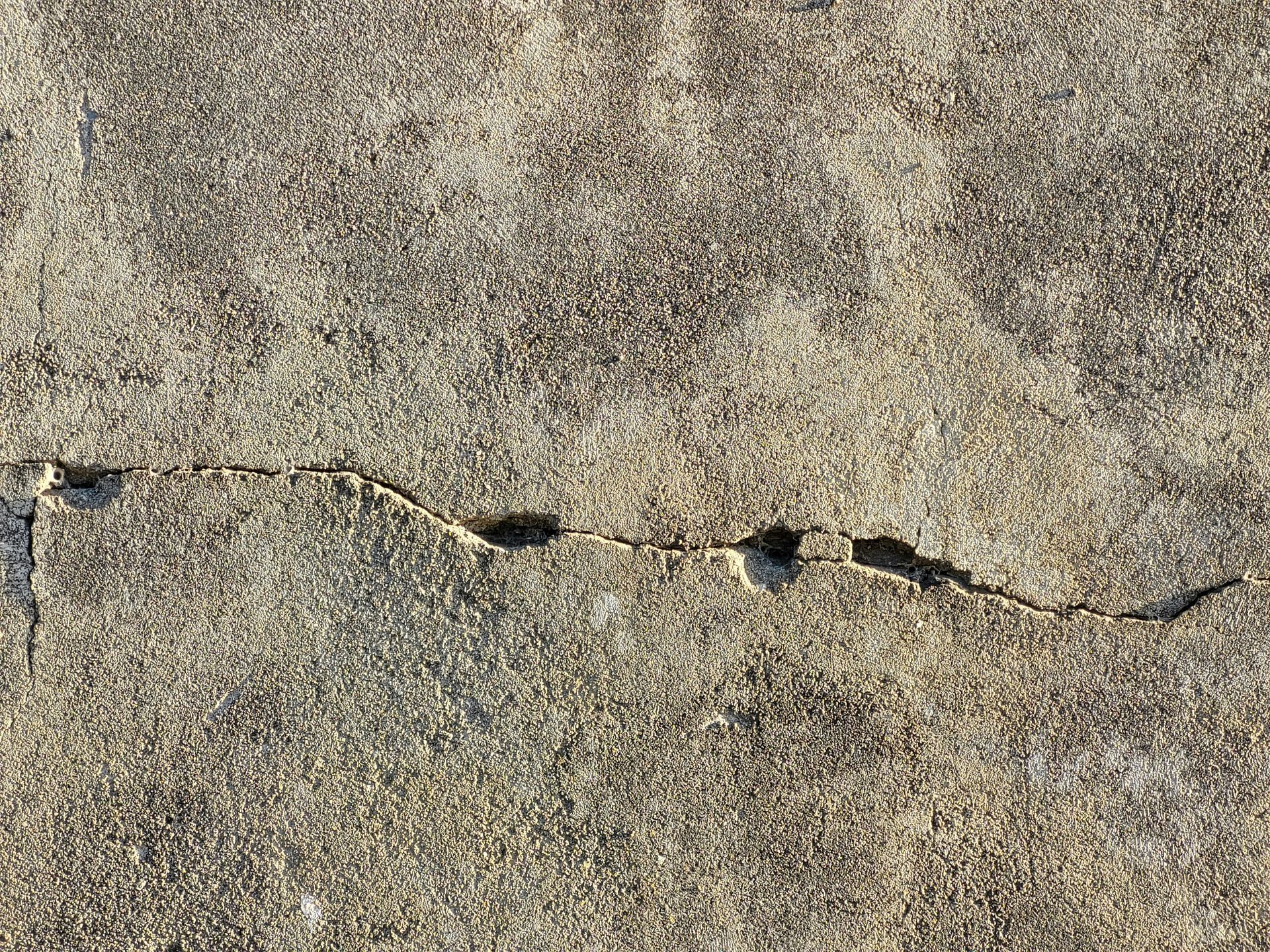
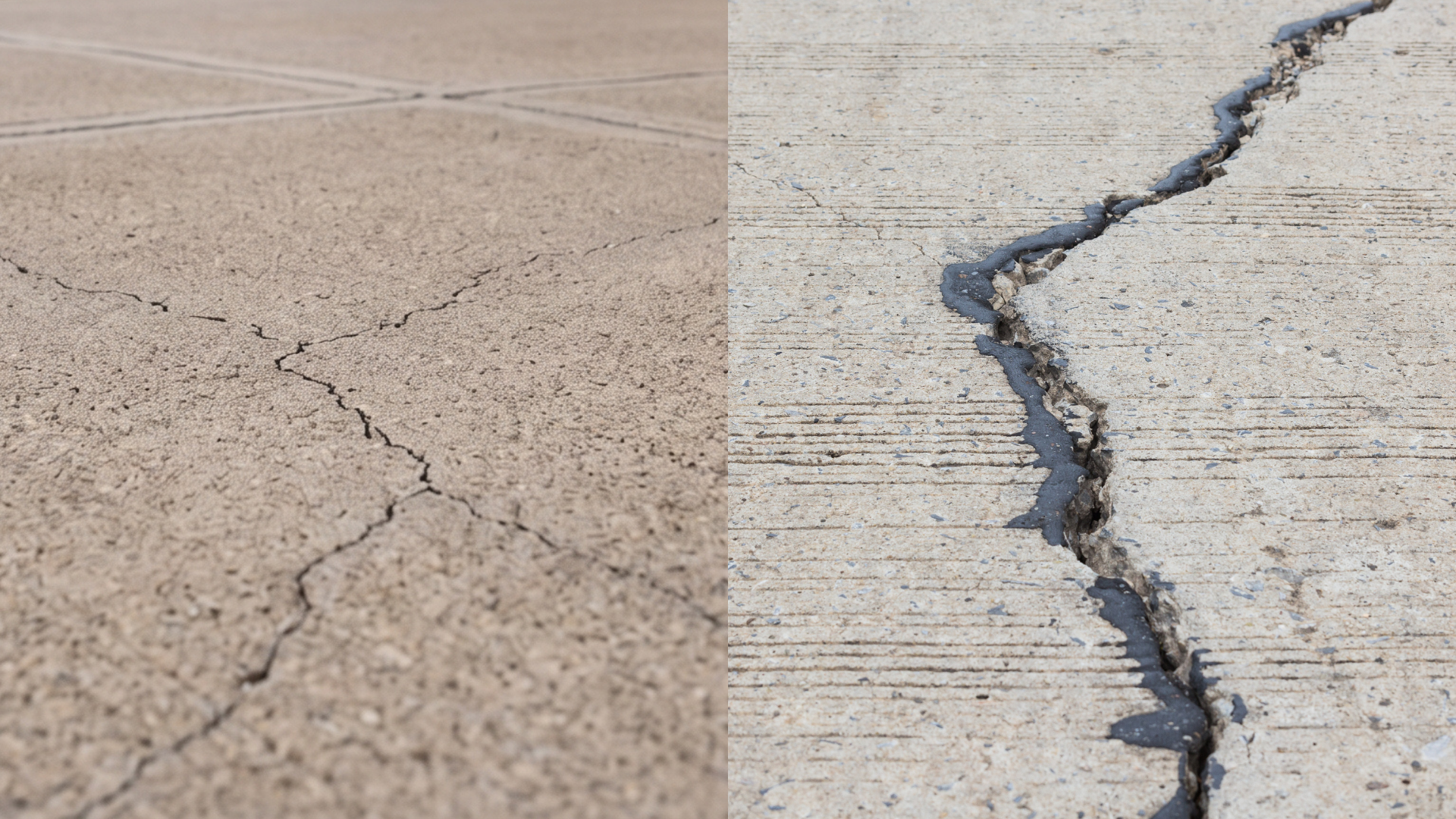
Cracks allow even more water to enter, creating a cycle where damage compounds with each storm. Without intervention, what starts as a minor surface issue can become a structural concern.
Freeze-Thaw Cycles Create Expansion Stress
Although coastal Virginia has relatively mild winters, freeze-thaw cycles still occur. When temperatures drop, moisture trapped in concrete expands. As temperatures rise, it contracts. This repeated expansion and contraction places stress on the concrete and causes cracks to widen.
Once cracks expand, the concrete becomes more vulnerable to further moisture intrusion and movement. Over time, this can lead to uneven sections and surface breakdown.
Salt Air and Environmental Exposure
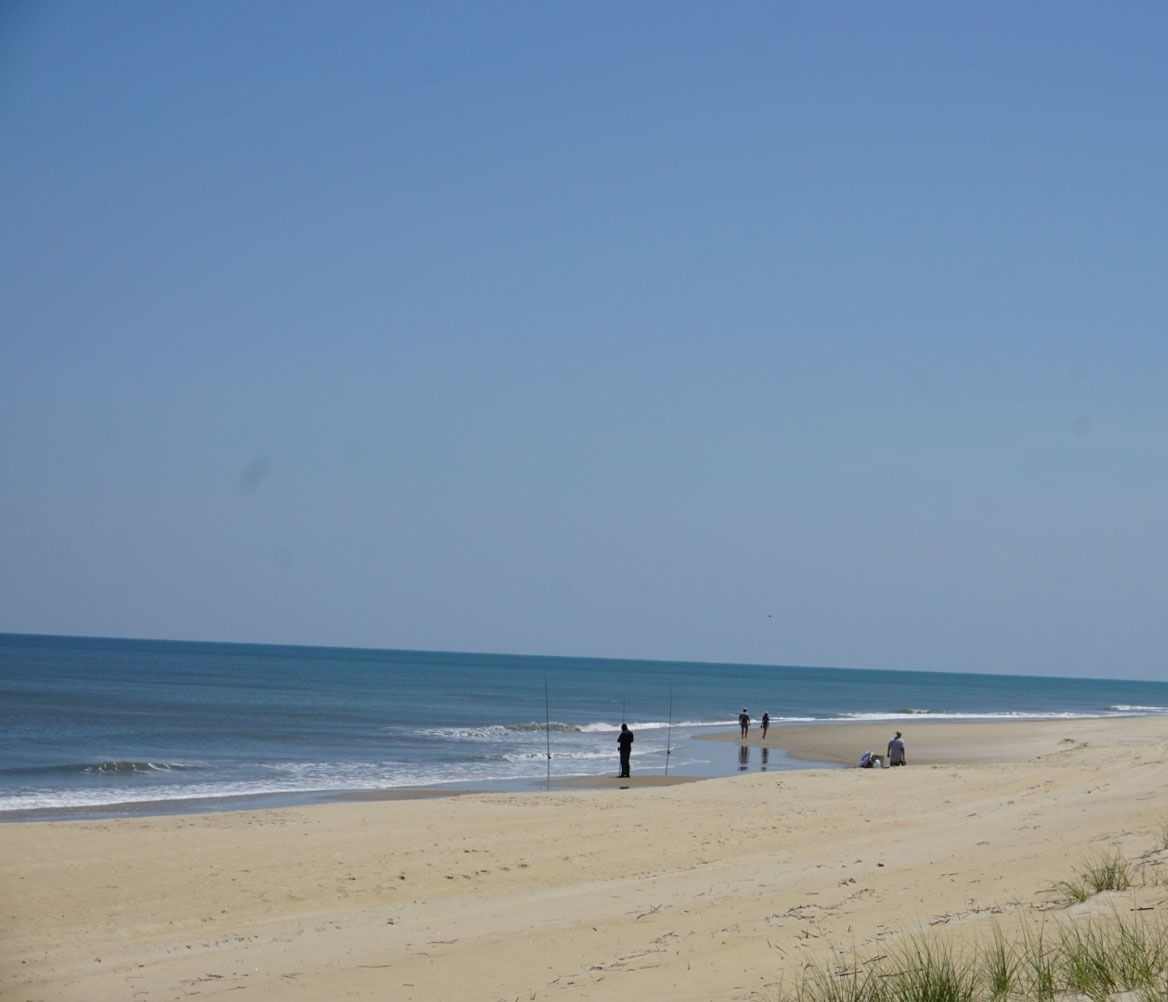
Salt in the air is another factor that contributes to faster driveway deterioration in coastal areas. Salt particles settle on surfaces and can accelerate chemical reactions within concrete, particularly when combined with moisture.
This exposure can weaken concrete and make it more susceptible to cracking, surface flaking, and joint failure. Even driveways that appear structurally sound may be affected beneath the surface.
Soil Movement and Settling
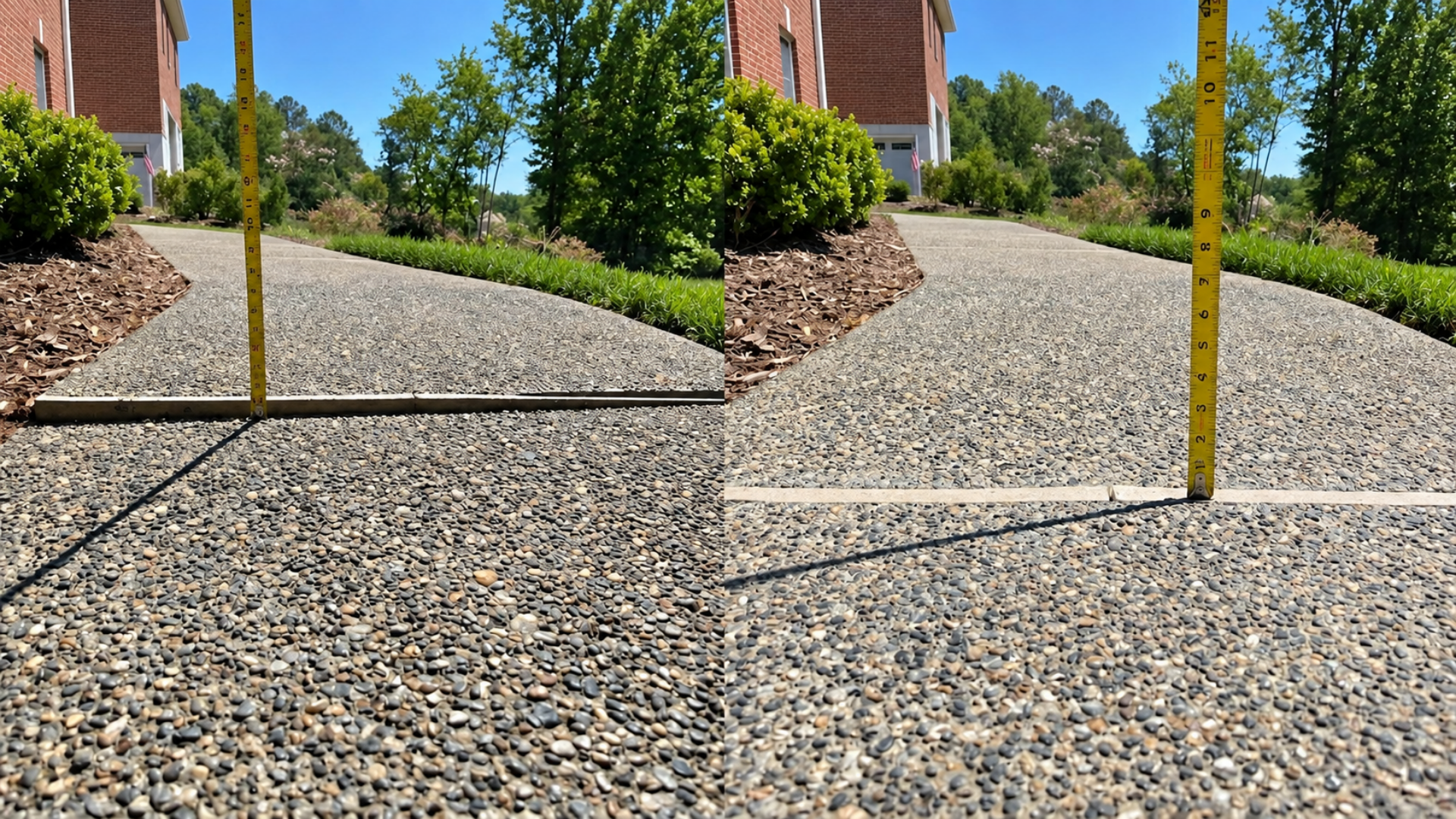
Coastal soil conditions often include higher moisture content, which can lead to shifting and settling beneath concrete slabs. When the soil beneath a driveway moves, the concrete above it may sink, tilt, or crack.
Uneven driveways are more than an appearance issue. They can create trip hazards, drainage problems, and additional stress on surrounding concrete sections.
Why Waiting Makes Damage Worse
One of the most common mistakes homeowners make is waiting too long to address early signs of driveway damage. Small cracks and minor settling are easier and more cost effective to correct when addressed early.
Delaying repairs allows moisture and movement to continue unchecked, increasing the likelihood that larger sections of the driveway will be affected. At that point, restoration becomes more involved and replacement may appear to be the only option.
Concrete Restoration as a Smart Solution
Concrete driveway restoration offers an effective alternative to full replacement. Services such as crack repair, joint replacement, concrete lifting, and professional cleaning address the root causes of damage rather than just the symptoms.
Restoration helps stabilize the driveway, improve drainage, and protect against further deterioration. It also preserves the existing concrete, which is both more cost effective and less disruptive than tearing out and replacing an entire driveway.
Improving Appearance and Curb Appeal
Beyond structural benefits, restoration dramatically improves appearance. Removing algae, mildew, and staining restores the natural look of concrete, while repairs create a smoother, more uniform surface.
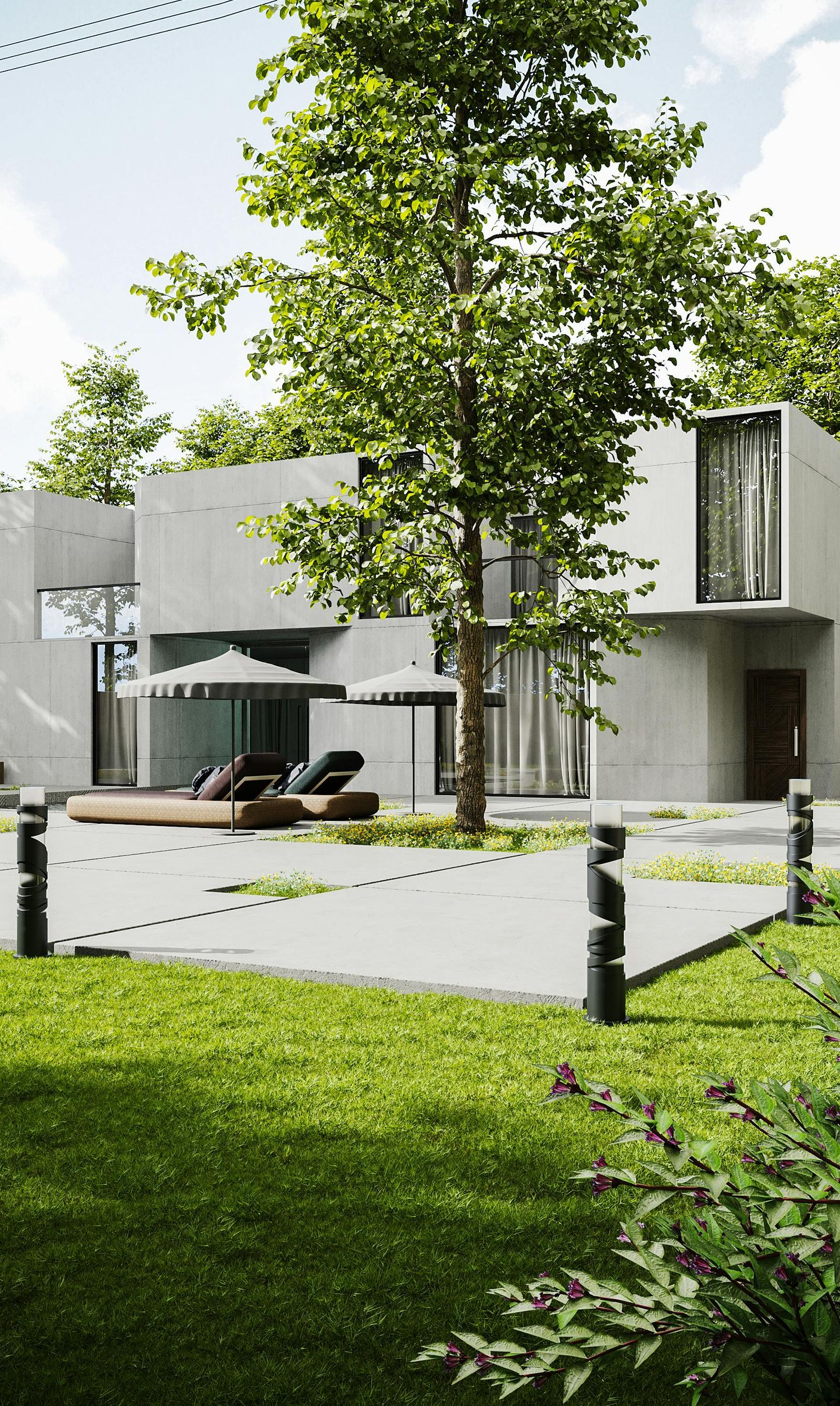
A restored driveway enhances curb appeal and contributes to the overall presentation of the home without the expense and inconvenience of replacement.
A Proactive Approach for Coastal Homes
In coastal Virginia, driveway damage progresses faster due to moisture, salt exposure, and soil movement. Addressing issues early through professional restoration helps protect the driveway and extend its usable life.
At Rite-Wash, we specialize in concrete driveway restoration solutions designed for the challenges of coastal environments. By restoring rather than replacing, we help homeowners protect their investment, improve safety, and maintain curb appeal for years to come.