Why Early Concrete Repairs Save Money
Concrete is one of the most durable construction materials used in commercial and residential properties, but even the strongest concrete is not immune to wear over time. Exposure to moisture, changing temperatures, heavy traffic, and natural ground movement can gradually affect its condition. While small cracks or minor surface damage may not seem urgent, delaying repairs often allows these issues to grow into more extensive and expensive problems.
Addressing concrete damage early is one of the most effective ways to preserve your property, reduce long-term maintenance costs, and extend the life of existing concrete surfaces.
Small Problems Rarely Stay Small
Concrete damage often develops gradually.
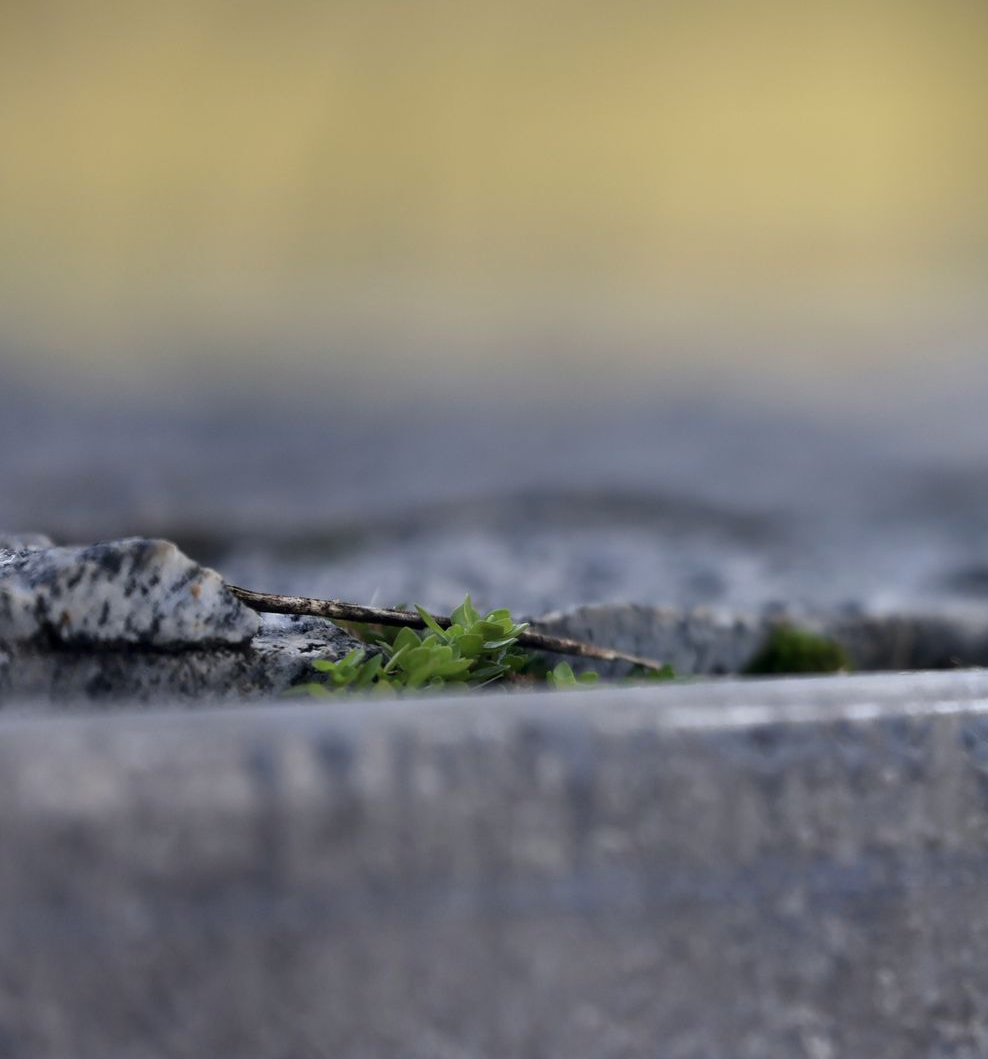
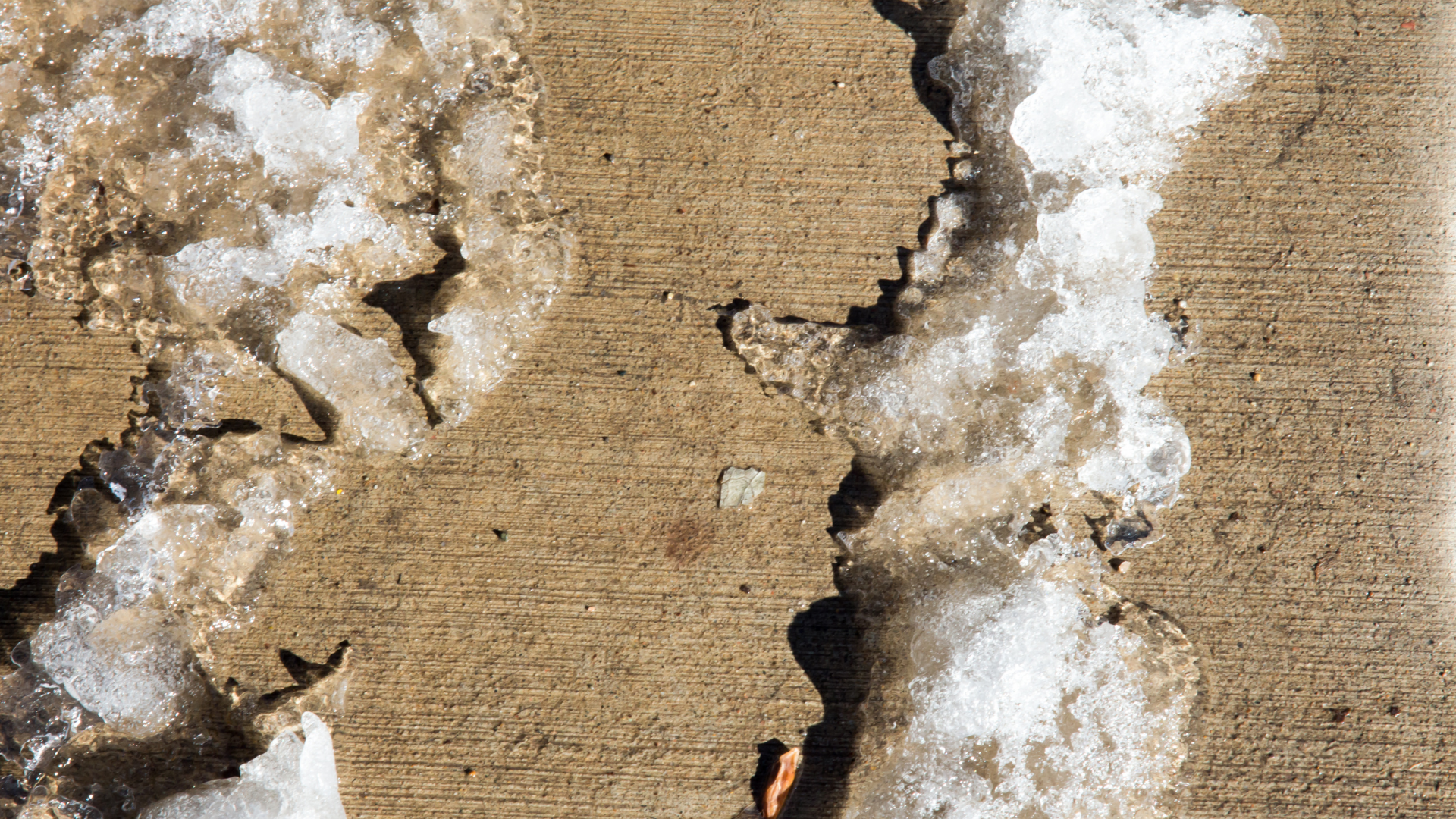
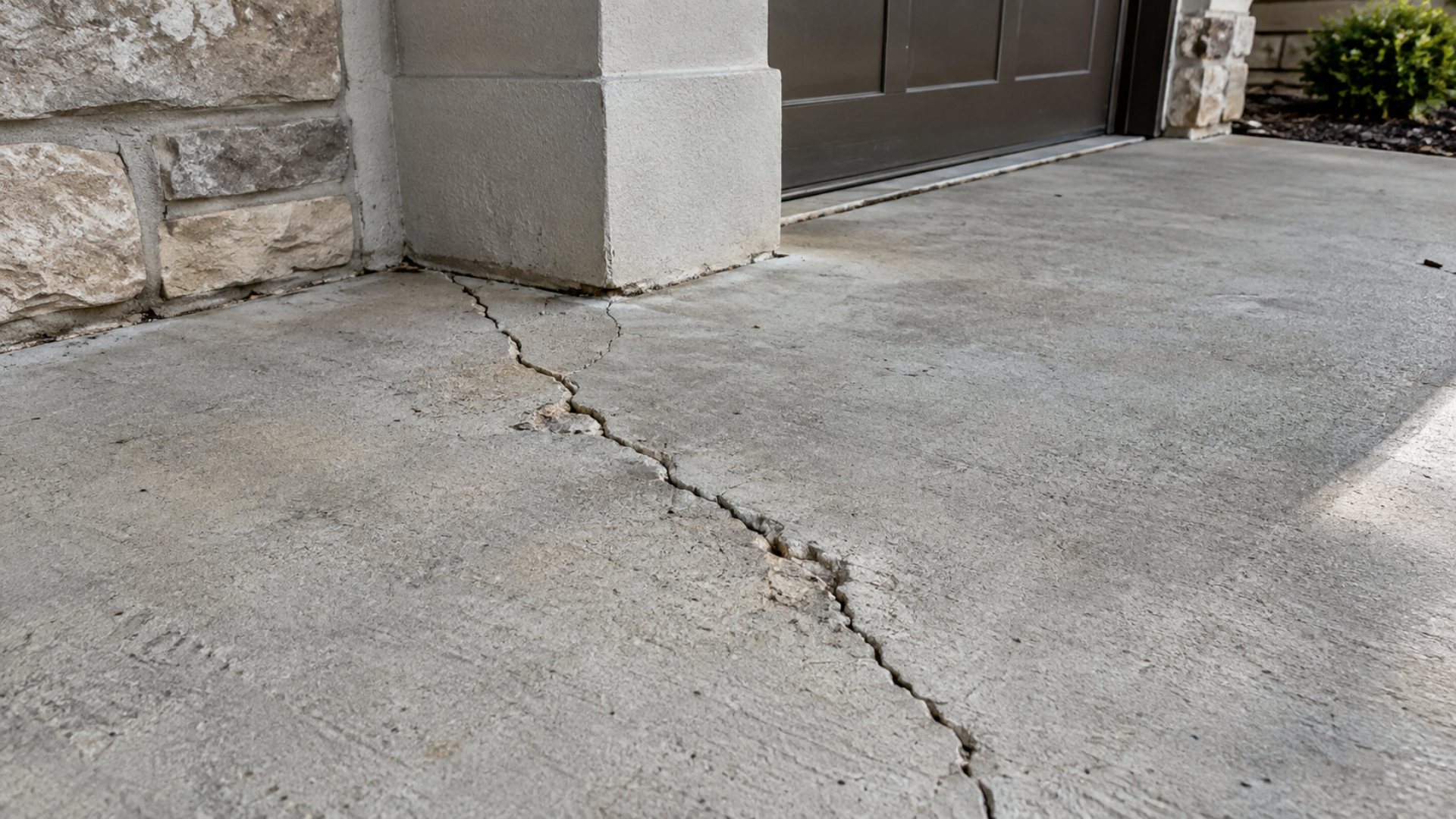
A small crack may allow water to penetrate beneath the surface. Over time, moisture can weaken the supporting base, contribute to settlement, or accelerate deterioration during freeze-thaw cycles in colder climates. What begins as a minor imperfection can eventually lead to uneven concrete, larger cracks, spalling, or other structural concerns.
By repairing damage while it is still limited, property owners can often avoid more extensive restoration work later.
Restoration Is Often More Economical Than Replacement
Many people assume damaged concrete automatically requires complete replacement.
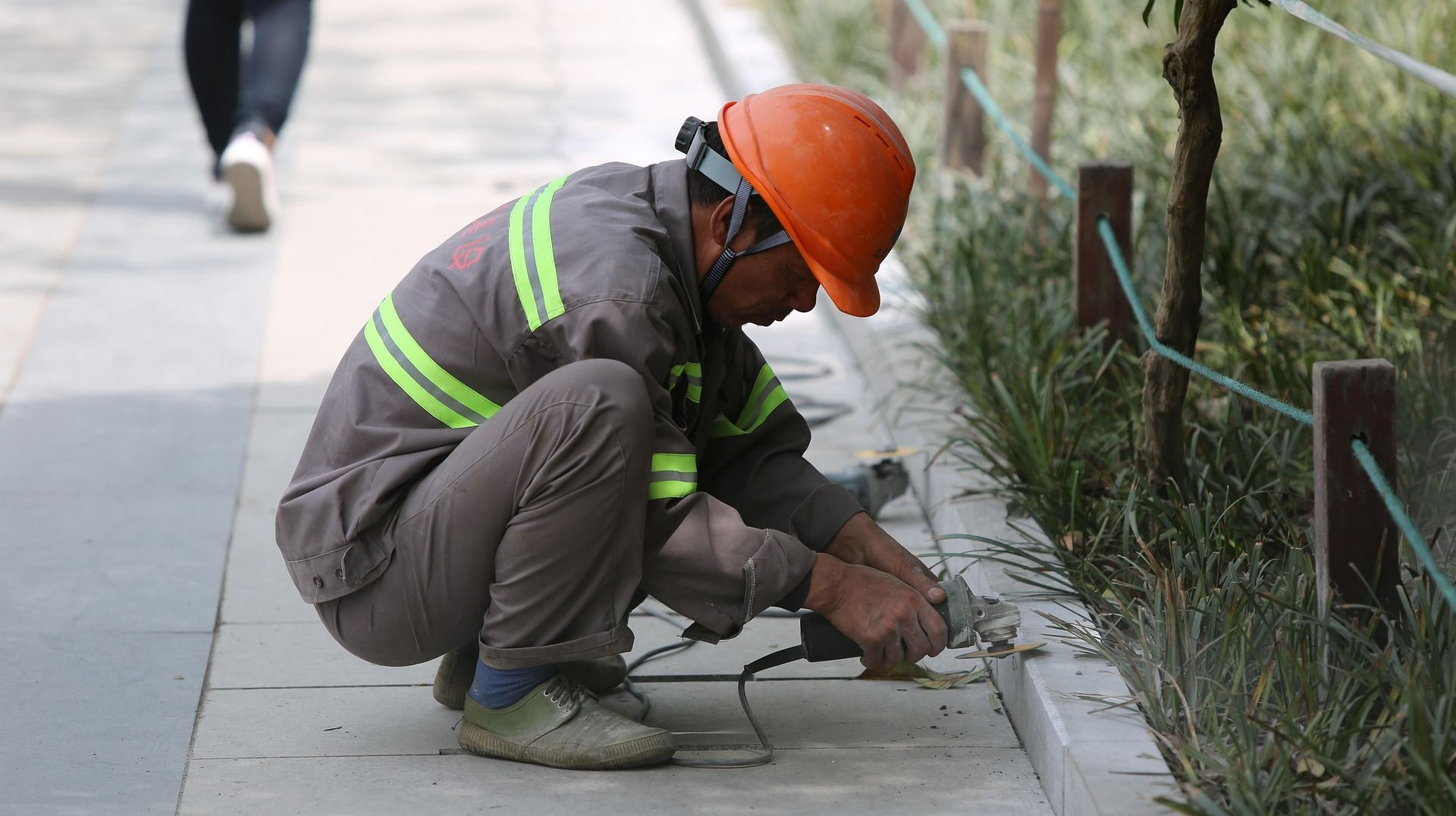
In reality, modern concrete restoration techniques can address many common problems while preserving much of the existing concrete. Services such as crack repair, concrete leveling, expansion joint repair, and spall remediation are designed to restore performance without the cost, disruption, and waste associated with full replacement.
Choosing restoration when appropriate allows property owners to maximize the value of their existing infrastructure.
Preventing Additional Property Damage
Damaged concrete does not only affect the concrete itself.
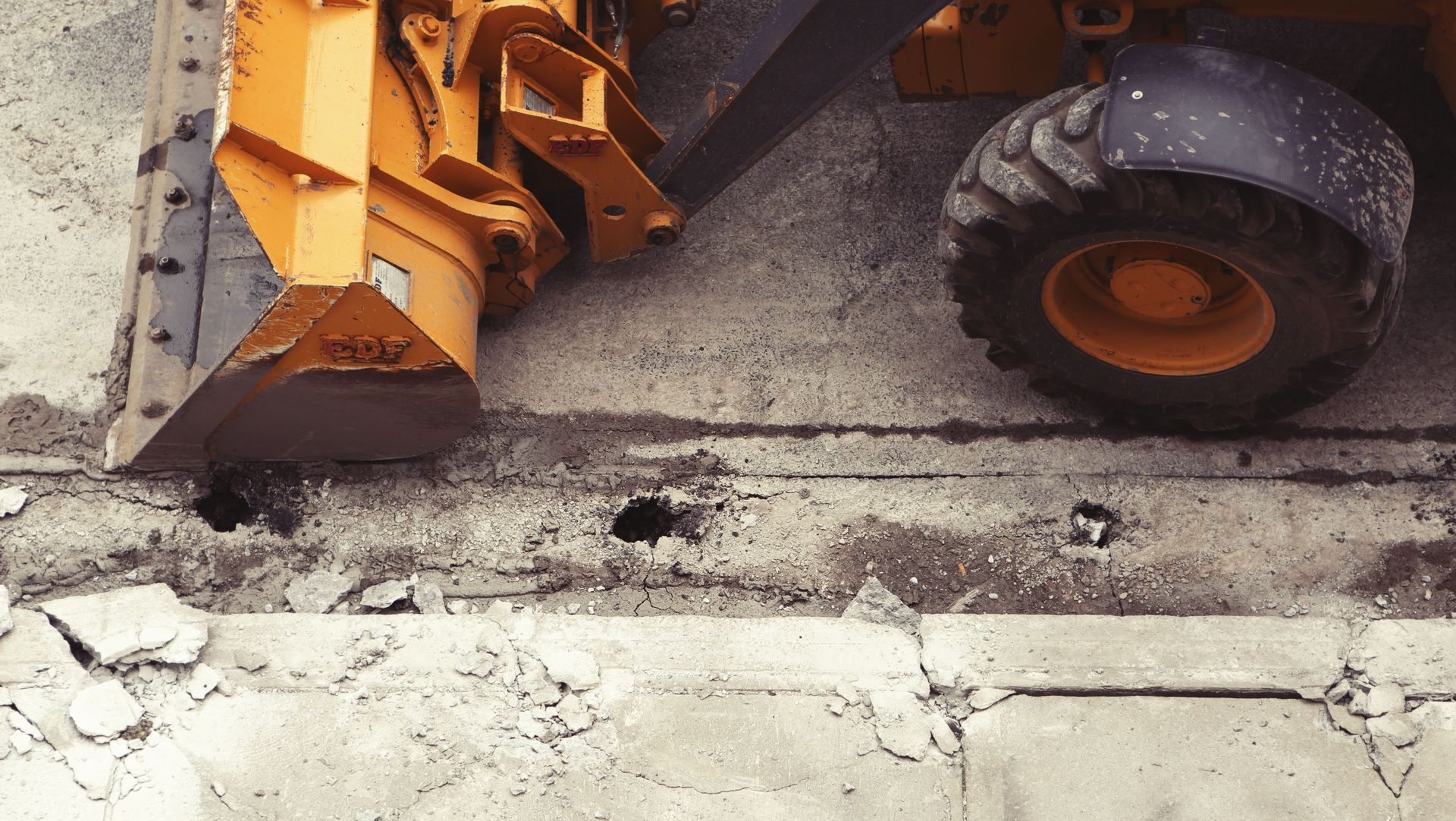
Uneven sidewalks, deteriorating parking areas, and compromised expansion joints may contribute to water intrusion, drainage problems, or additional wear on nearby surfaces. As these conditions worsen, repair costs may extend beyond the concrete and involve surrounding landscaping, pavement, or building features.
Early intervention helps contain the problem before it affects other parts of the property.
Reducing Safety Risks
Damaged concrete can also create safety concerns.
Cracks, uneven walking surfaces, and settled concrete may increase the risk of trips and falls for employees, customers, tenants, and visitors. In commercial settings, addressing these hazards promptly demonstrates a commitment to maintaining a safe environment while reducing the likelihood of disruptions caused by deteriorating walking surfaces.
Routine inspections help
identify developing issues before they become larger safety concerns.
Protecting Long-Term Property Value
Well-maintained concrete contributes to the overall appearance and functionality of a property.
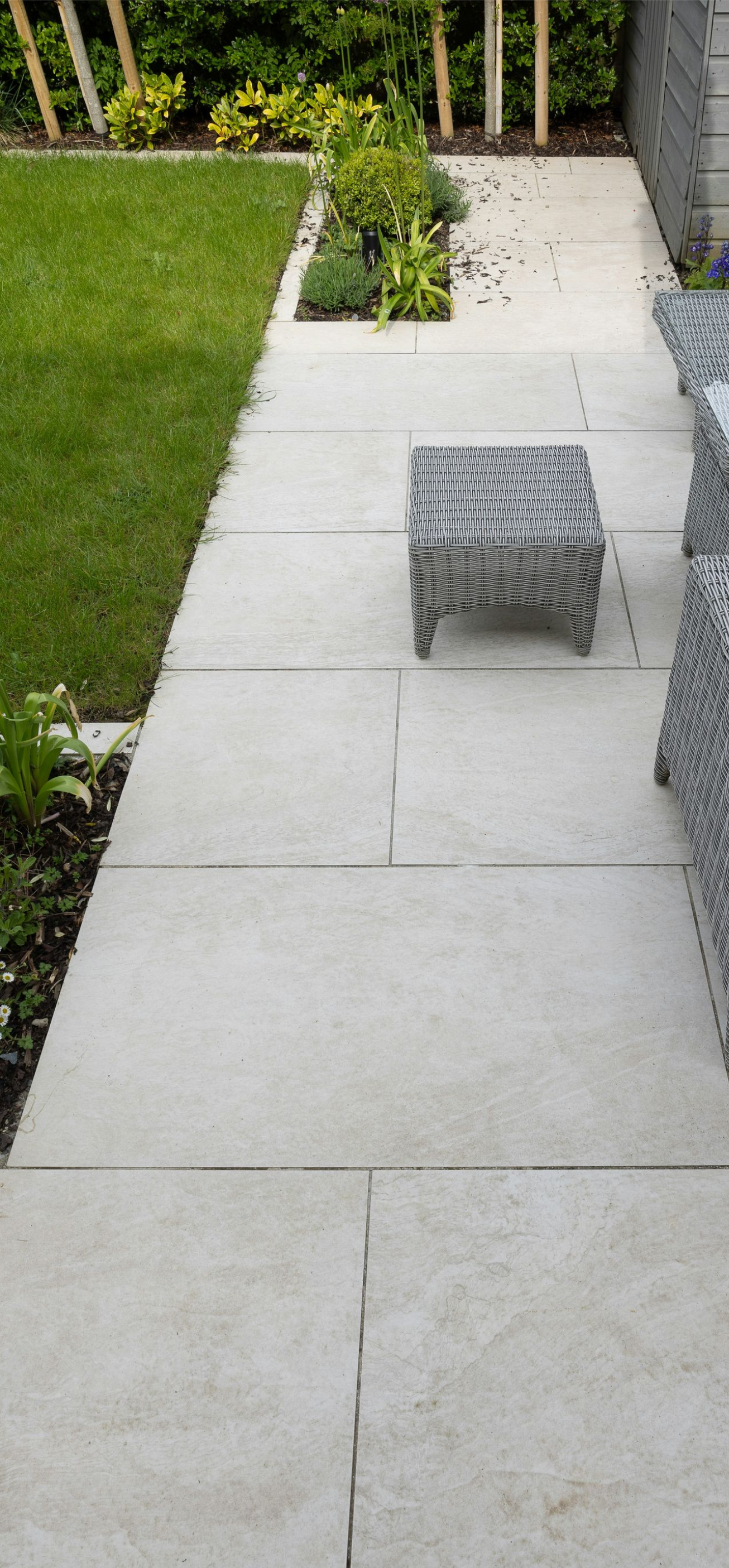
Sidewalks, entrances, loading areas, parking lots, patios, and other concrete surfaces are often among the first features visitors notice. Cracked or deteriorating concrete may create the impression that other aspects of the property have also been neglected.
Keeping concrete in good condition supports curb appeal while protecting the long-term value of the property.
A Proactive Maintenance Strategy Pays Off
Waiting until concrete damage becomes severe often limits available repair options.
Incorporating regular concrete evaluations into a property’s maintenance plan allows developing issues to be identified early, when restoration is typically more straightforward and less disruptive. Proactive maintenance also helps property owners better plan future improvements rather than responding to unexpected failures.
Like many building systems, concrete performs best when small issues are addressed before they have an opportunity to spread.
Invest in Restoration Before Replacement Becomes Necessary
Concrete is designed to last for many years, but its longevity depends on proper maintenance and timely repairs. Addressing cracks, settlement, and other signs of deterioration early can help preserve existing concrete, improve safety, and reduce long-term ownership costs.
At Rite-Wash, we specialize in professional concrete restoration solutions that help property owners extend the life of their concrete surfaces. From concrete leveling and crack repair to expansion joint restoration and spall remediation, our experienced team focuses on restoring damaged concrete whenever practical rather than recommending unnecessary replacement.
Investing in early concrete repairs is not simply about fixing today’s damage. It is about protecting your property, preserving your investment, and helping your concrete continue performing for years to come. If you have noticed cracks, uneven surfaces, or other signs of deterioration, contact Rite-Wash to learn how professional concrete restoration can help prevent small problems from becoming costly repairs.