What Causes Driveways to Crack and Why Replacement Does Not Guarantee Prevention
Knowing the Cause Leads to Better Repairs
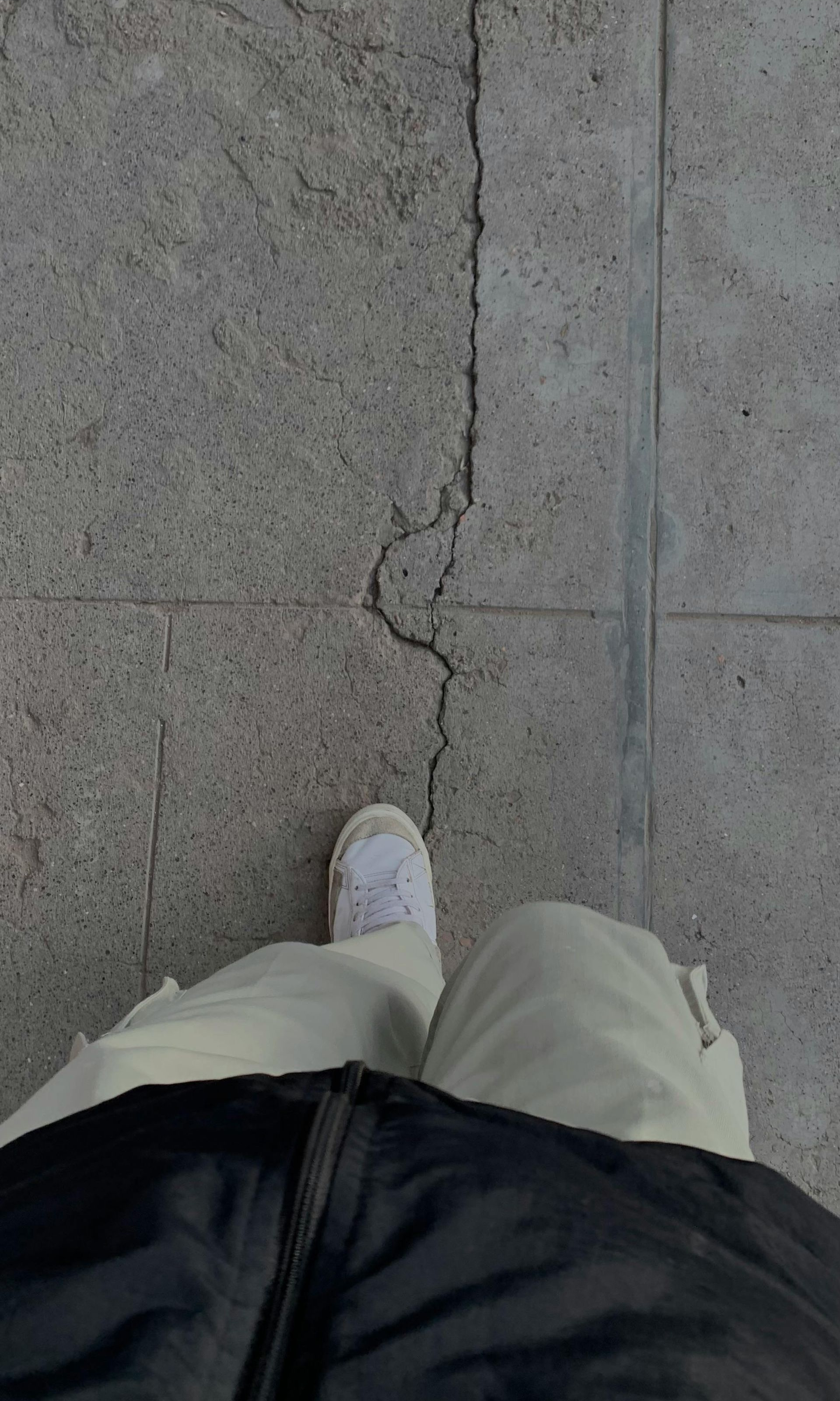
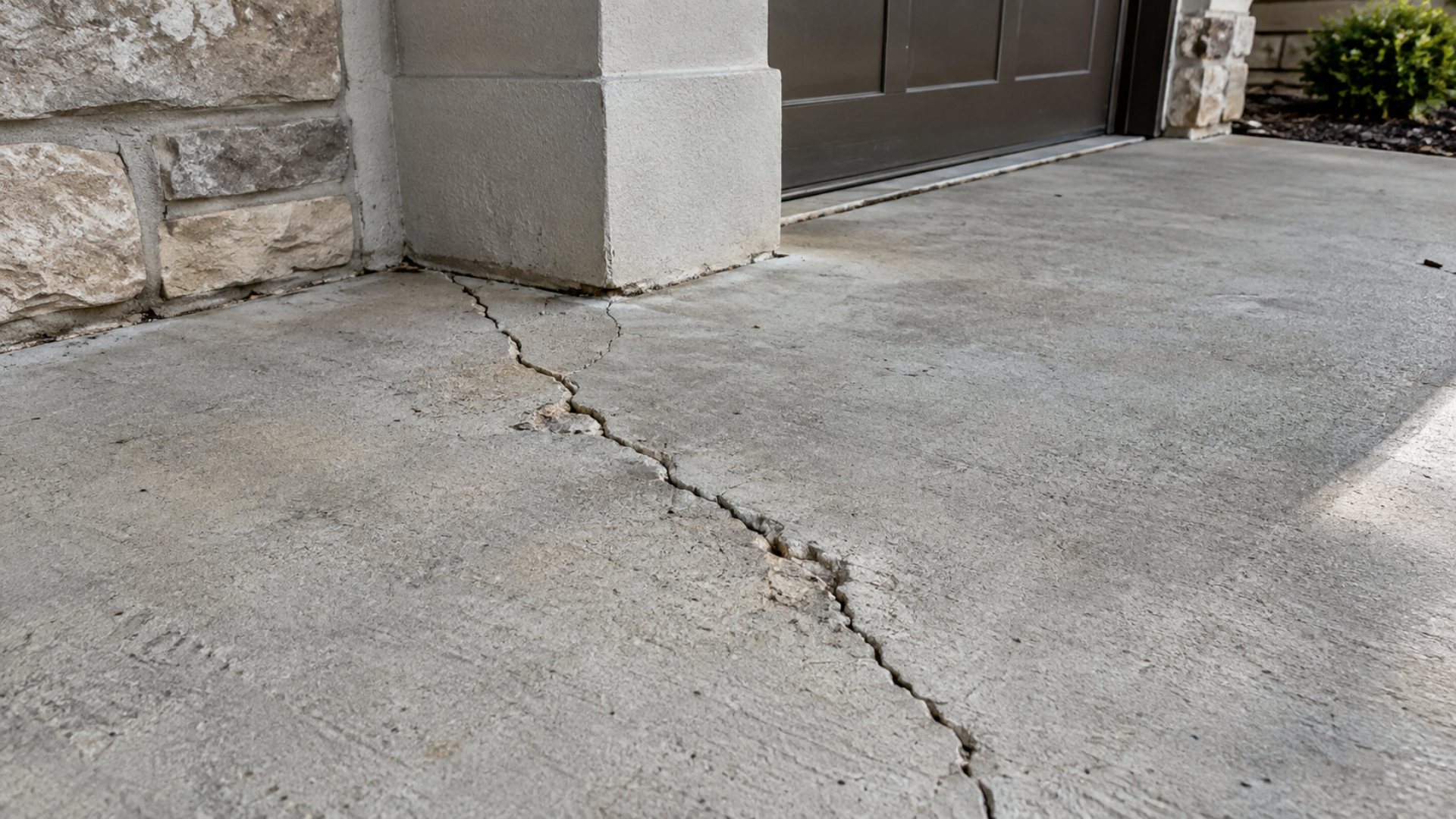
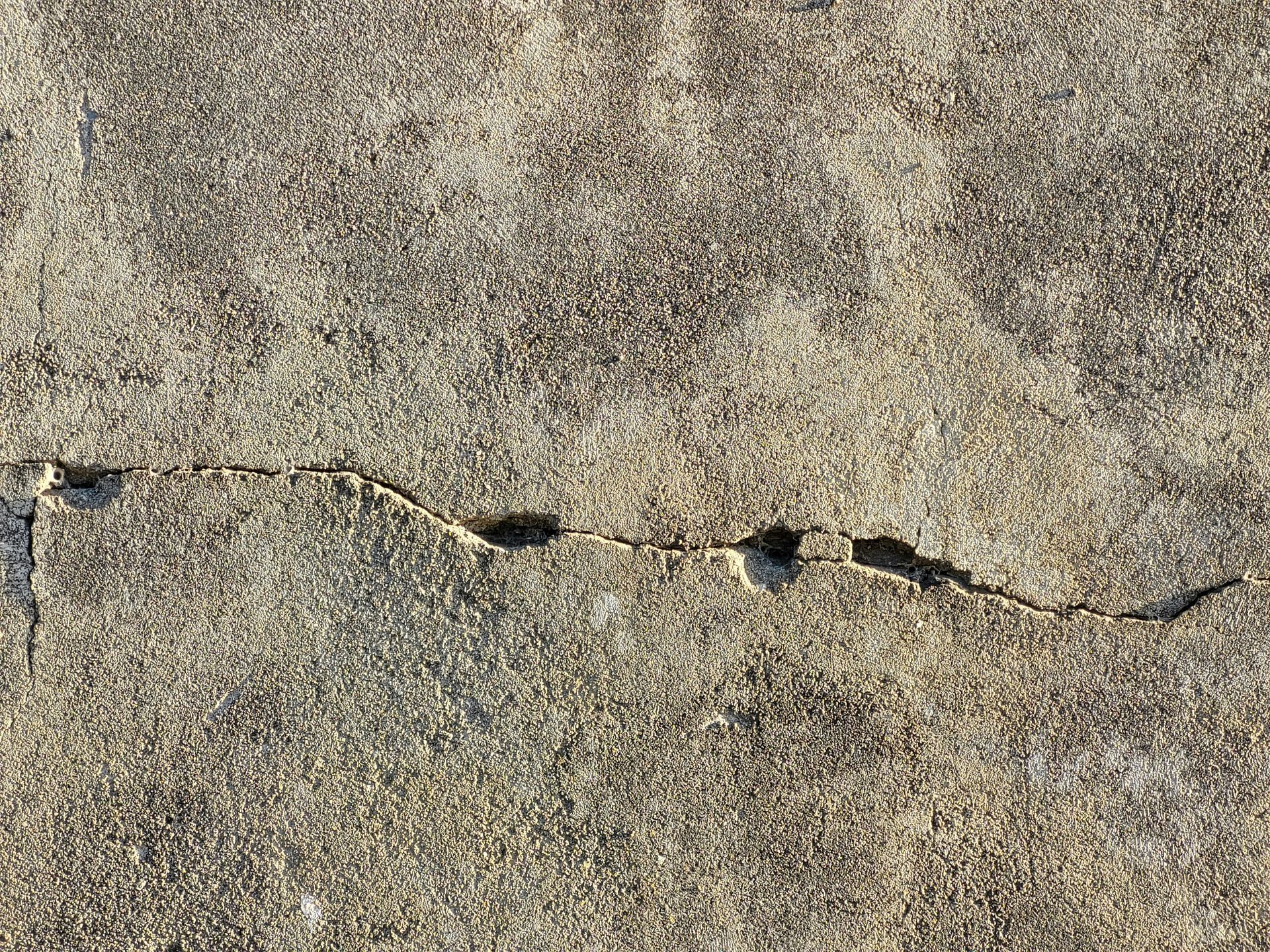
Cracked driveways are one of the most common concerns homeowners face, especially in regions with fluctuating weather and moisture levels. When cracks appear, many people assume the only real solution is full replacement. While replacing a driveway can improve appearance in the short term, it does not guarantee that cracks will not return. Understanding why driveways crack in the first place helps homeowners make smarter, more cost effective decisions about repair and restoration.
Concrete Is Strong but Not Immune to Movement
Concrete is durable, but it is not flexible. Over time, it responds to movement beneath and around it. Soil naturally expands and contracts with changes in moisture, freeze-thaw cycles, temperature, and load. When the ground beneath a driveway shifts, the concrete above it is forced to respond.
In coastal Virginia, moisture plays a significant role. Rain, humidity, and groundwater can cause soil to swell and settle repeatedly. This movement places stress on concrete slabs, which can lead to cracking regardless of the driveway’s age.
Expansion and Contraction From Temperature Changes
Concrete expands when temperatures rise and contracts when they fall. Without properly maintained expansion joints, this natural movement creates pressure within the slab. When that pressure has nowhere to go, cracks can form.
Even newly installed driveways are subject to these forces. Seasonal temperature swings can quickly expose weaknesses if joints are poorly designed or begin to deteriorate over time.
Water Is One of the Biggest Contributors
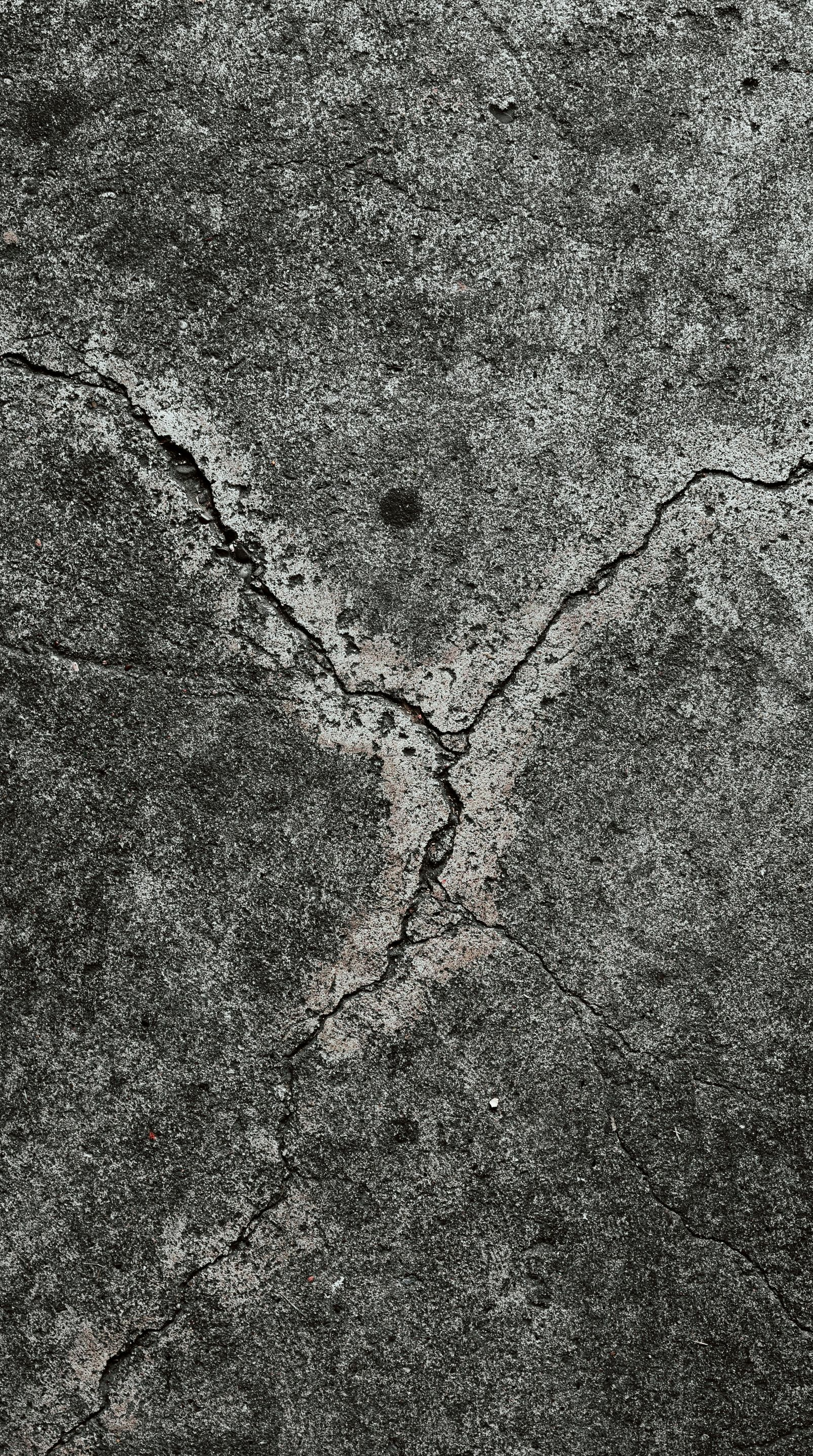
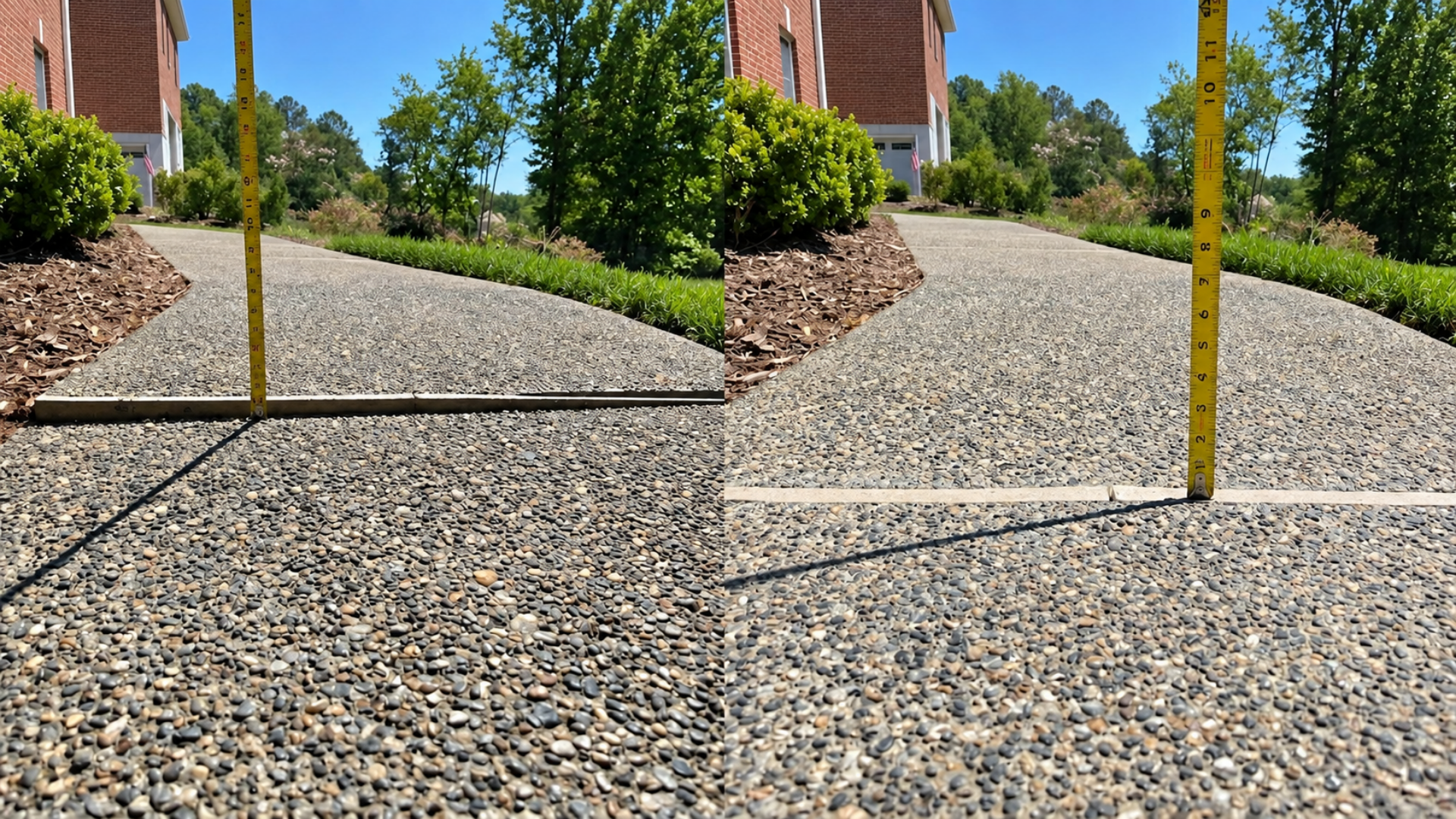
Water intrusion is a major factor in driveway cracking. When water seeps into cracks or joints, it weakens the supporting soil and accelerates deterioration. Over time, this can lead to settlement, separation, and further cracking.
Replacing a driveway without addressing drainage issues or joint integrity often results in the same problems returning. Water will continue to find pathways beneath the surface unless those vulnerabilities are corrected.
Replacement Does Not Eliminate Underlying Conditions
Replacing concrete addresses the visible surface but not always the underlying causes of damage. Soil composition, drainage patterns, and environmental exposure remain the same unless specifically addressed during the project.
This is why homeowners are often surprised when cracks appear in a new driveway just a few years after replacement. The concrete may be new, but the conditions that caused the original damage were never resolved.
The Role of Expansion Joint Failure
Expansion joints are designed to absorb movement and reduce stress on concrete slabs. When joints fail, crack, or pull away, the concrete loses its ability to move safely.
Joint failure allows water to penetrate beneath the slab and creates weak points where cracks are more likely to form. Maintaining and replacing expansion joints when needed is one of the most effective ways to prevent widespread cracking.
Why Restoration Can Be the Smarter Solution
Concrete restoration focuses on addressing the root causes of cracking rather than simply covering them up. Crack repair, joint replacement, and concrete lifting can stabilize the surface and restore structural integrity.
These targeted repairs often cost significantly less than full replacement and reduce the likelihood of recurring damage. Even if a driveway has been replaced before, restoration can help extend its lifespan and improve performance.
Soft Washing as Part of Preventive Care
Surface buildup such as algae, mildew, and grime can hold moisture against concrete and contribute to deterioration. Soft washing removes these contaminants safely without damaging the surface.
By keeping concrete clean, homeowners can better monitor small issues before they become larger structural problems.
Making Informed Decisions
Cracking does not always mean failure, and replacement is not always the best answer. Understanding why cracks form allows homeowners to choose solutions that protect their investment rather than repeating the same cycle.
At Rite-Wash, we help homeowners in and around Williamsburg, Virginia evaluate their driveways honestly and recommend restoration options that address underlying issues. By focusing on repair, joint integrity, and surface care, we help driveways look better, last longer, and perform as they should.