Soft Washing vs Pressure Washing for Driveway Cleaning
Choosing the Right Method for Your Driveway
When it comes to restoring the appearance of a driveway, many homeowners assume pressure washing is the only option. While pressure washing has its place, it is not always the most effective or safest method for cleaning concrete surfaces. Understanding the difference between soft washing and pressure washing helps homeowners make informed decisions that protect their driveway and improve curb appeal.
Understanding Pressure Washing
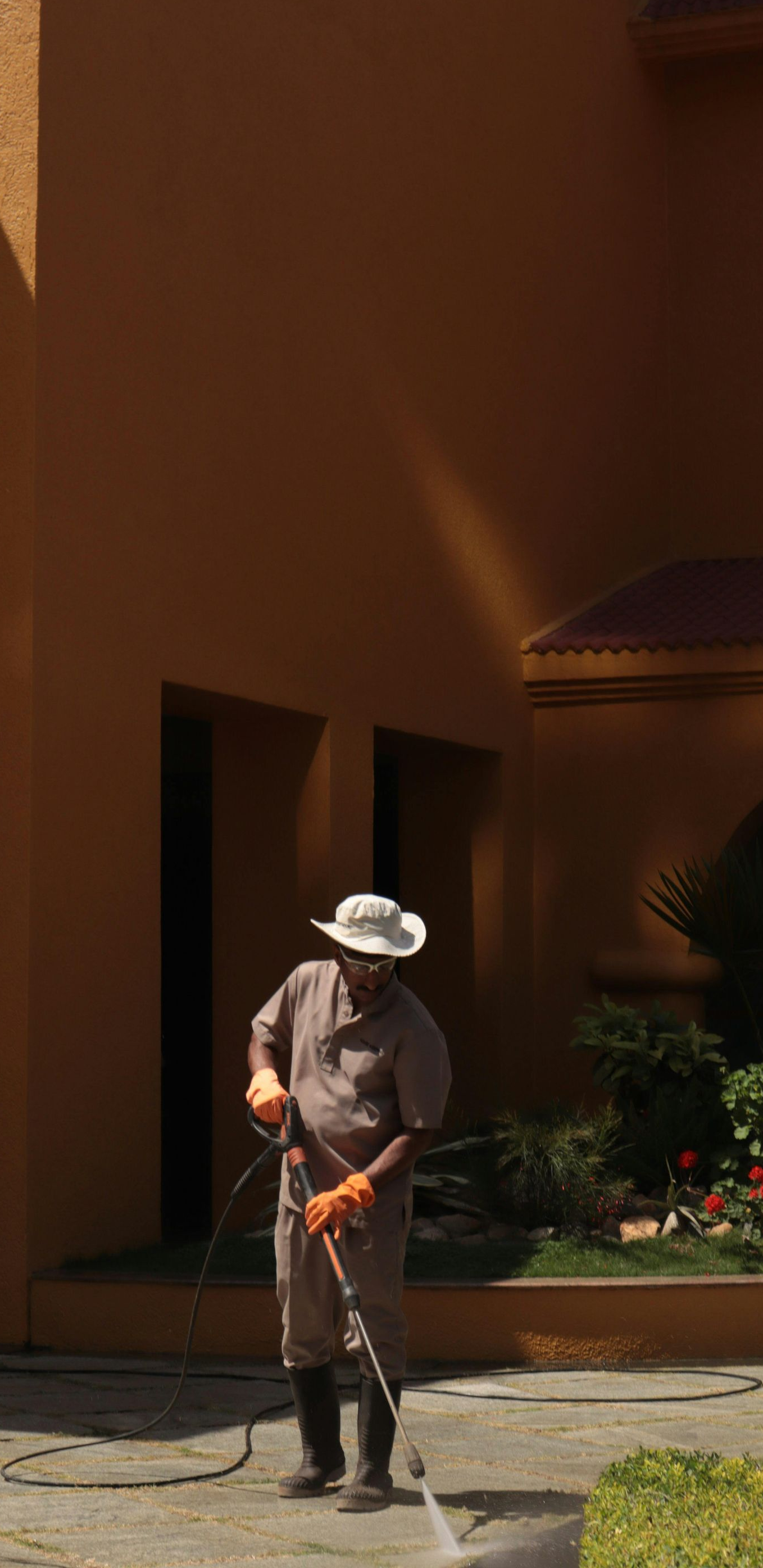
Pressure washing relies on high pressure water to remove dirt, grime, and surface buildup. This method can be effective for removing loose debris or surface stains when used correctly. However, concrete is more porous than it appears, and excessive pressure can cause damage beneath the surface.
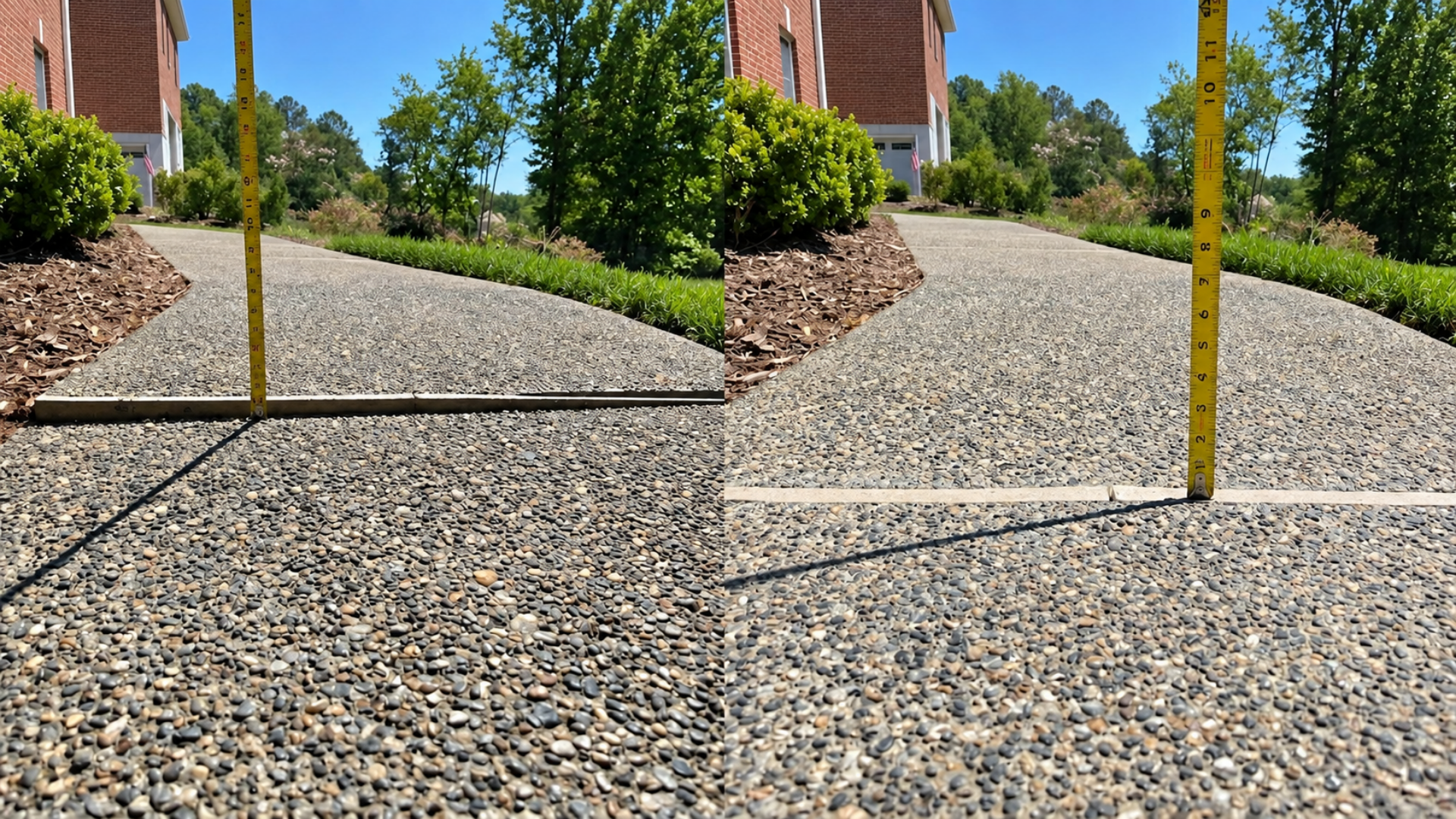
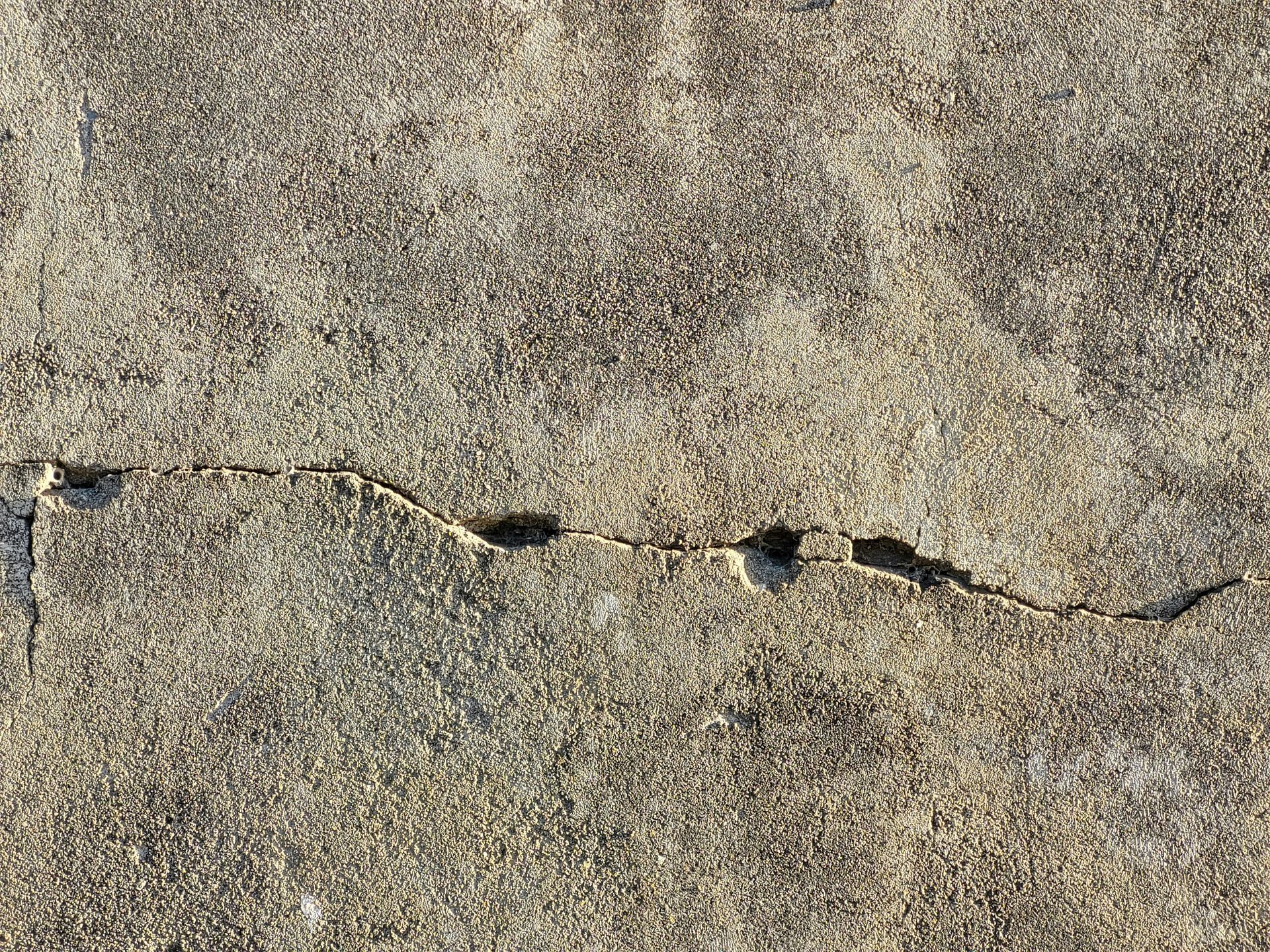
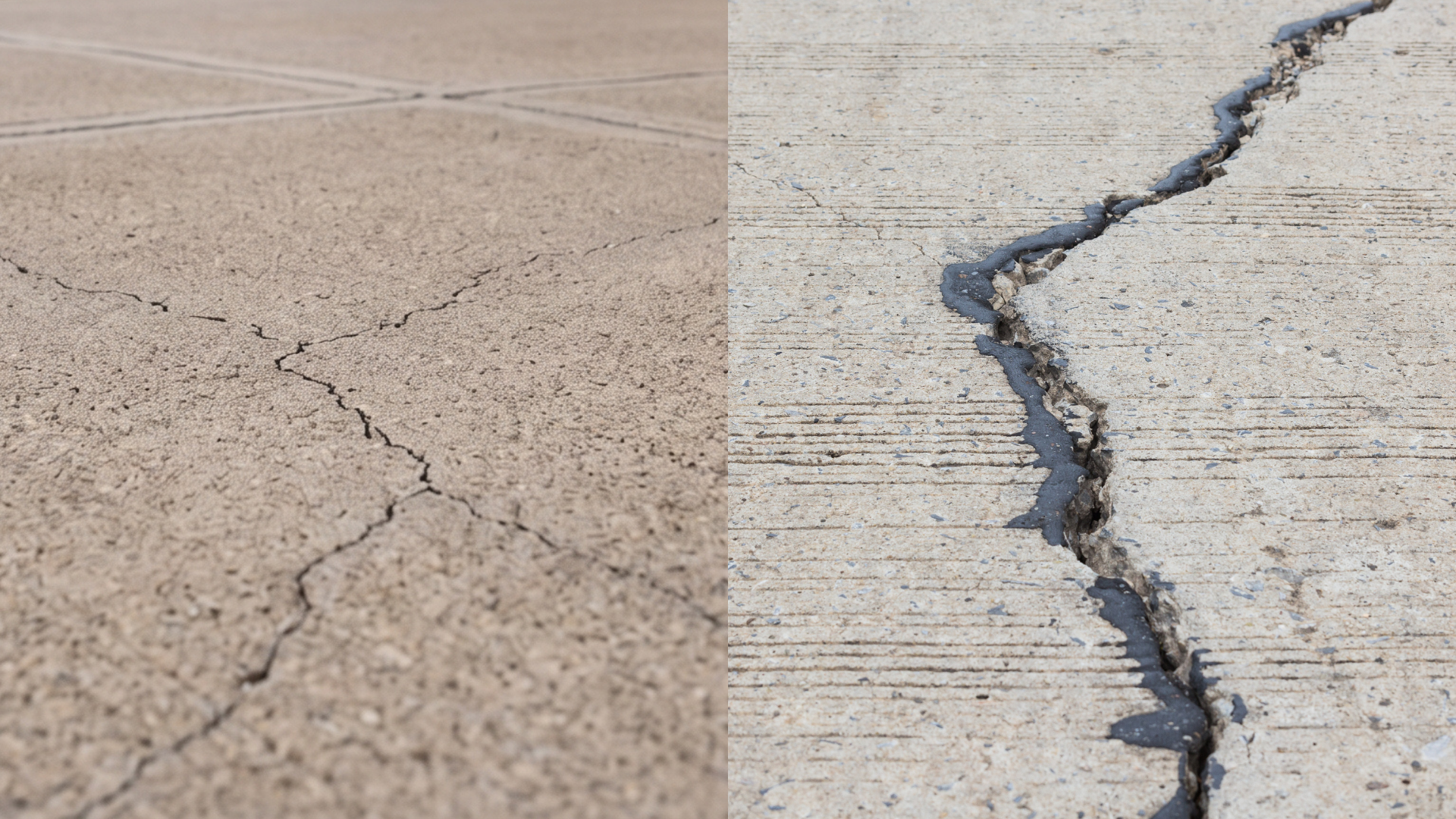
High pressure can erode the top layer of concrete, expose aggregate, and accelerate wear. Over time, repeated pressure washing may contribute to cracking, pitting, and surface deterioration. This is especially important in Coastal Virginia, where moisture and humidity already place stress on concrete surfaces.
Pressure washing can be quite effective in driveway restoration, but considering all available options is important.
What Soft Washing Does Differently
Soft washing uses low pressure water combined with specialized cleaning solutions to treat organic growth and staining at the source. Instead of blasting buildup away, soft washing works by breaking down algae, mildew, and other contaminants so they can be safely rinsed from the surface.
This approach allows cleaning agents to penetrate the pores of the concrete, addressing discoloration and growth that pressure alone cannot remove. Soft washing is particularly effective for driveways affected by green or dark staining caused by algae and mildew.
Why Organic Growth Matters
In humid regions like Williamsburg and the surrounding Hampton Roads area, organic growth thrives on driveways. Algae and mildew do more than discolor concrete. They retain moisture, which can lead to slippery surfaces and increased surface breakdown over time.
Pressure washing may remove visible growth temporarily, but it often leaves spores behind. Soft washing treats the root cause, helping slow regrowth and maintain results longer.

Safety and Surface Protection
One of the key advantages of soft washing is surface protection. Lower pressure reduces the risk of etching or weakening concrete. This makes soft washing a safer option for older driveways or surfaces that already show signs of wear.
Soft washing also helps improve traction by removing slippery organic buildup without damaging the concrete texture. This reduces fall risk for residents and visitors alike.
When Pressure Washing May Be Appropriate
There are situations where pressure washing may still be useful. Heavy mud buildup, construction debris, or certain surface residues may require targeted pressure washing. When used carefully and in combination with proper technique, pressure washing can play a vital role in the cleaning process.
The key is understanding when and how to apply pressure safely. Improper use often does more harm than good.
Choosing the Right Method for Your Driveway
The best approach to driveway cleaning depends on the condition of the concrete, the type of staining present, and the surrounding environment. In many cases, soft washing provides a more thorough and longer lasting solution, especially in areas prone to organic growth.
Professional evaluation helps determine the most effective method while protecting the integrity of the surface. Avoiding one size fits all solutions preserves the driveway and extends its lifespan.
Long Term Benefits of the Right Cleaning Method
Selecting the proper cleaning method supports more than appearance. It helps maintain surface strength, reduces safety hazards, and minimizes the need for premature repairs. Over time, this approach saves money and preserves property value.
A Smarter Approach to Driveway Restoration
Driveway restoration is about more than removing stains. It is about protecting one of the most visible and frequently used surfaces on your property. Understanding the difference between soft washing and pressure washing allows homeowners to make choices that support both appearance and durability.
At Rite-Wash, we assess each driveway individually and select cleaning methods that prioritize results and surface protection. By using the right approach for Coastal Virginia conditions, we help homeowners restore curb appeal while preserving the long term health of their concrete surfaces.