How UV Exposure Gradually Affects Concrete Appearance
When homeowners think about sun damage, they often think of roofing materials, siding, or outdoor furniture. However, concrete surfaces are also exposed to sunlight every day. Driveways, patios, walkways, pool decks, and other outdoor concrete features spend years absorbing ultraviolet, or UV, radiation from the sun. While concrete is known for its durability, long-term UV exposure can gradually affect its appearance and contribute to the aging process.
For homeowners throughout the Hampton Roads region, understanding how sunlight impacts concrete can help identify when maintenance or restoration may be beneficial.
Concrete Faces Constant Environmental Exposure
Unlike many building materials that receive some protection from overhangs or shade, concrete surfaces are often exposed directly to the elements year-round. Sunlight, rain, temperature changes, moisture, and daily use all work together to influence the condition of outdoor concrete.
Because UV exposure occurs gradually, many homeowners do not immediately notice its effects. Instead, changes often develop slowly over many years.
By the time the differences become obvious, the surface may already show signs of weathering and age.
Fading Is Often the First Visible Change
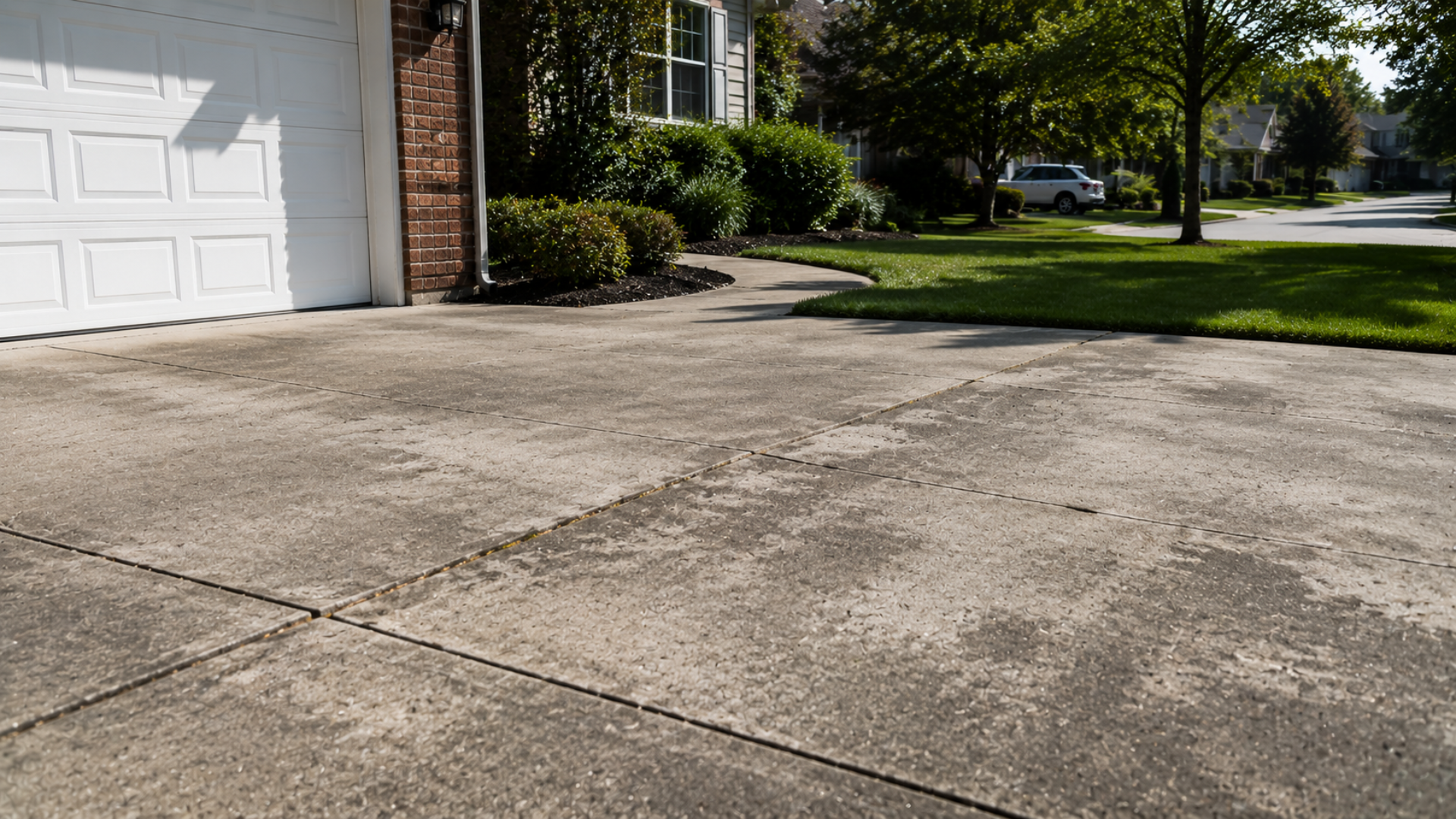
One of the most common effects of long-term UV exposure is fading. Decorative concrete, stained concrete, and colored surfaces may gradually lose some of their original vibrancy after years of direct sunlight.
Areas that receive the most intense sun exposure often show the greatest changes.
While fading is primarily a cosmetic issue, it can affect the overall appearance of outdoor spaces and contribute to a worn or aged look. Homeowners who invest in attractive patios, walkways, or pool decks often notice these visual changes first.
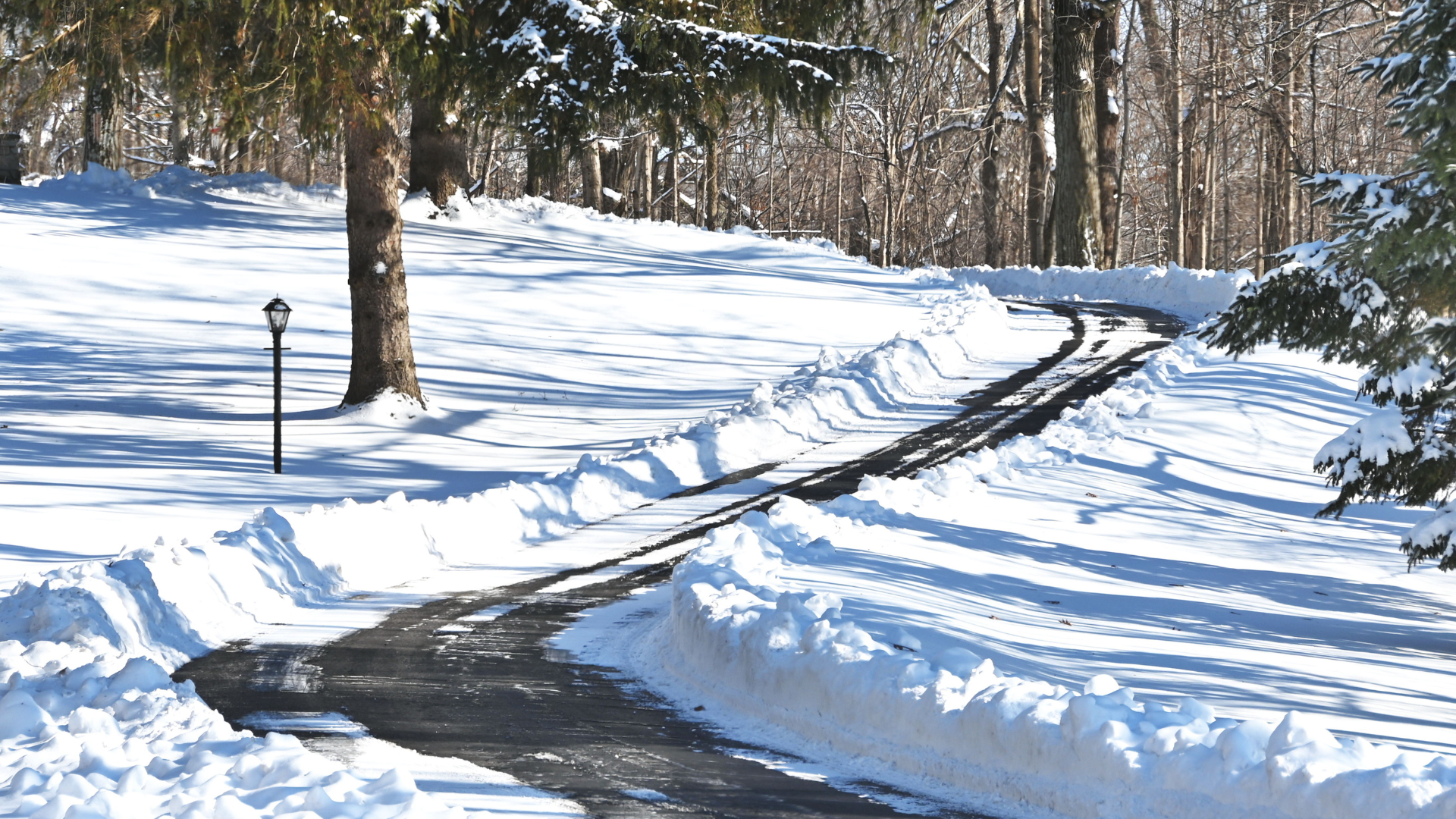
UV Exposure Works Alongside Other Weather Conditions
Sunlight alone is rarely responsible for all concrete aging. Instead, UV exposure works together with other environmental factors that affect outdoor surfaces.
These may include:
- Rain and moisture
- Temperature fluctuations
- Humidity
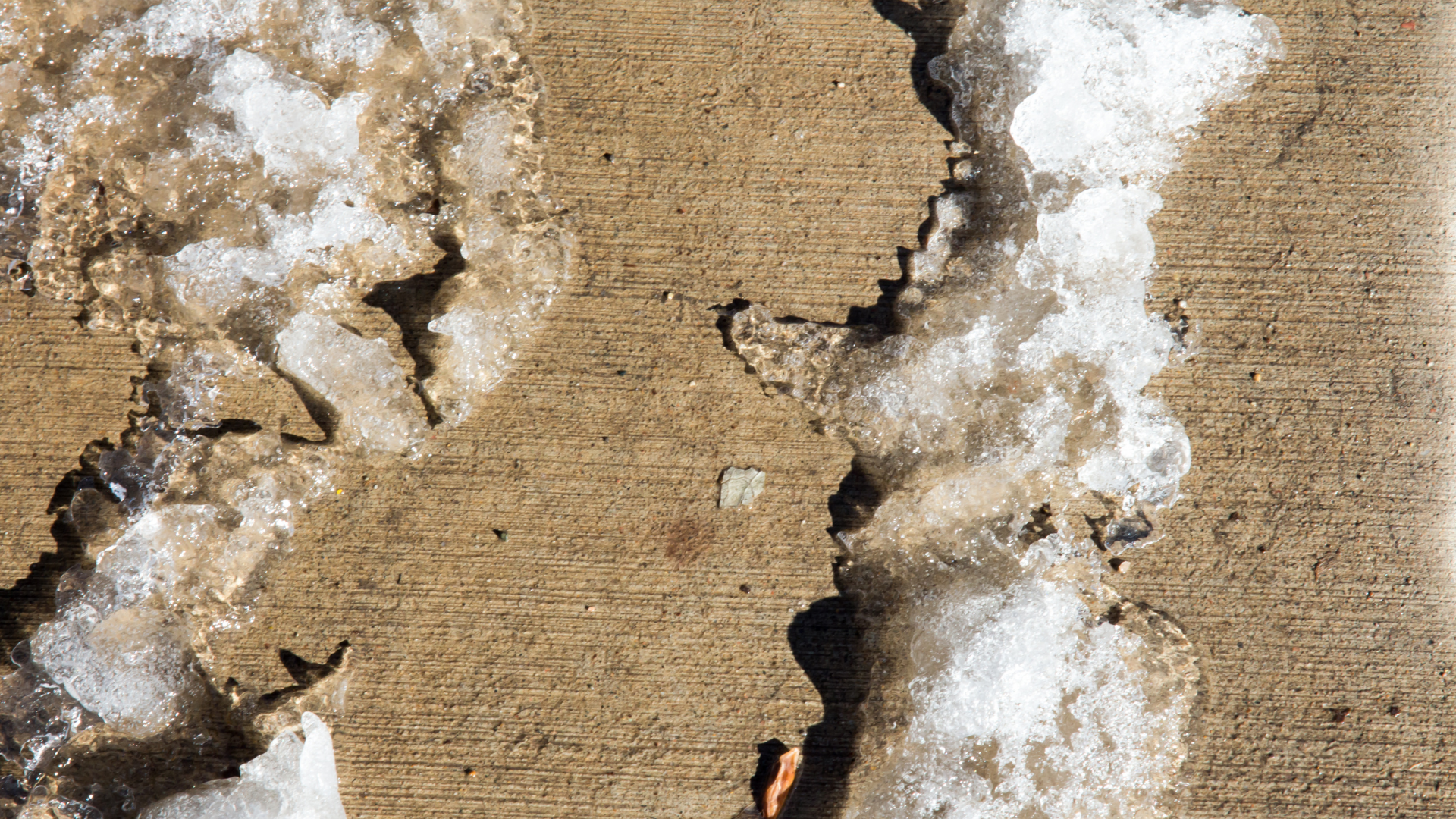
- Freeze-thaw cycles
- Surface wear from foot traffic
- Vehicle traffic
Over time, the combination of these forces can gradually alter the appearance and condition of concrete surfaces.
In coastal and humid regions such as
Hampton Roads, environmental exposure is a constant reality for outdoor concrete.
Surface Wear Becomes More Noticeable
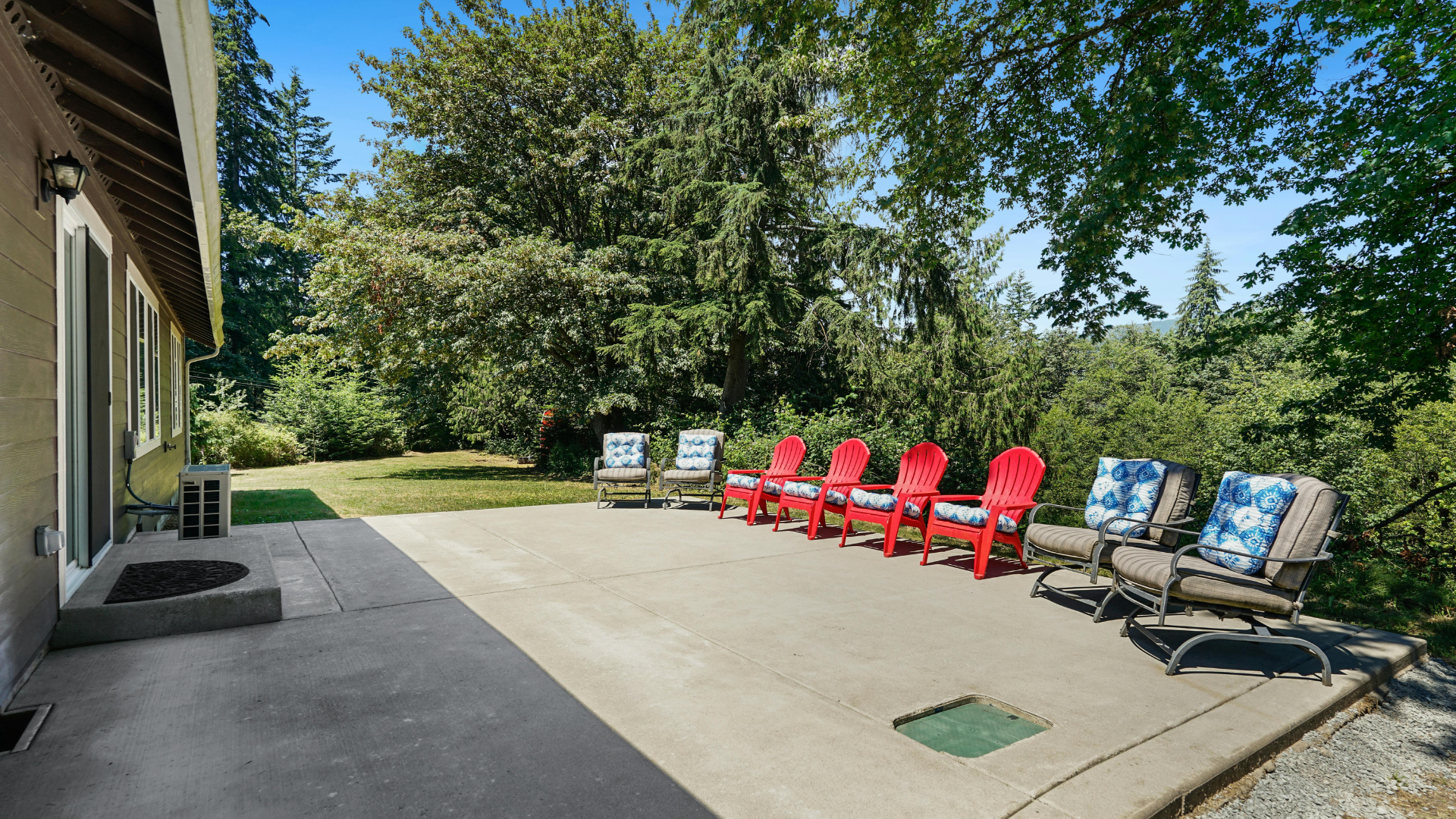
As concrete ages, minor imperfections often become easier to see. Small cracks, discoloration, stains, and areas of wear may stand out more as the surface loses some of its original appearance.
Summer sunlight frequently highlights these issues because bright conditions make variations in color and texture more visible.
This is one reason many homeowners notice concrete concerns during the summer months, even though the underlying conditions may have developed gradually over several years.
Decorative Concrete Requires Ongoing Attention
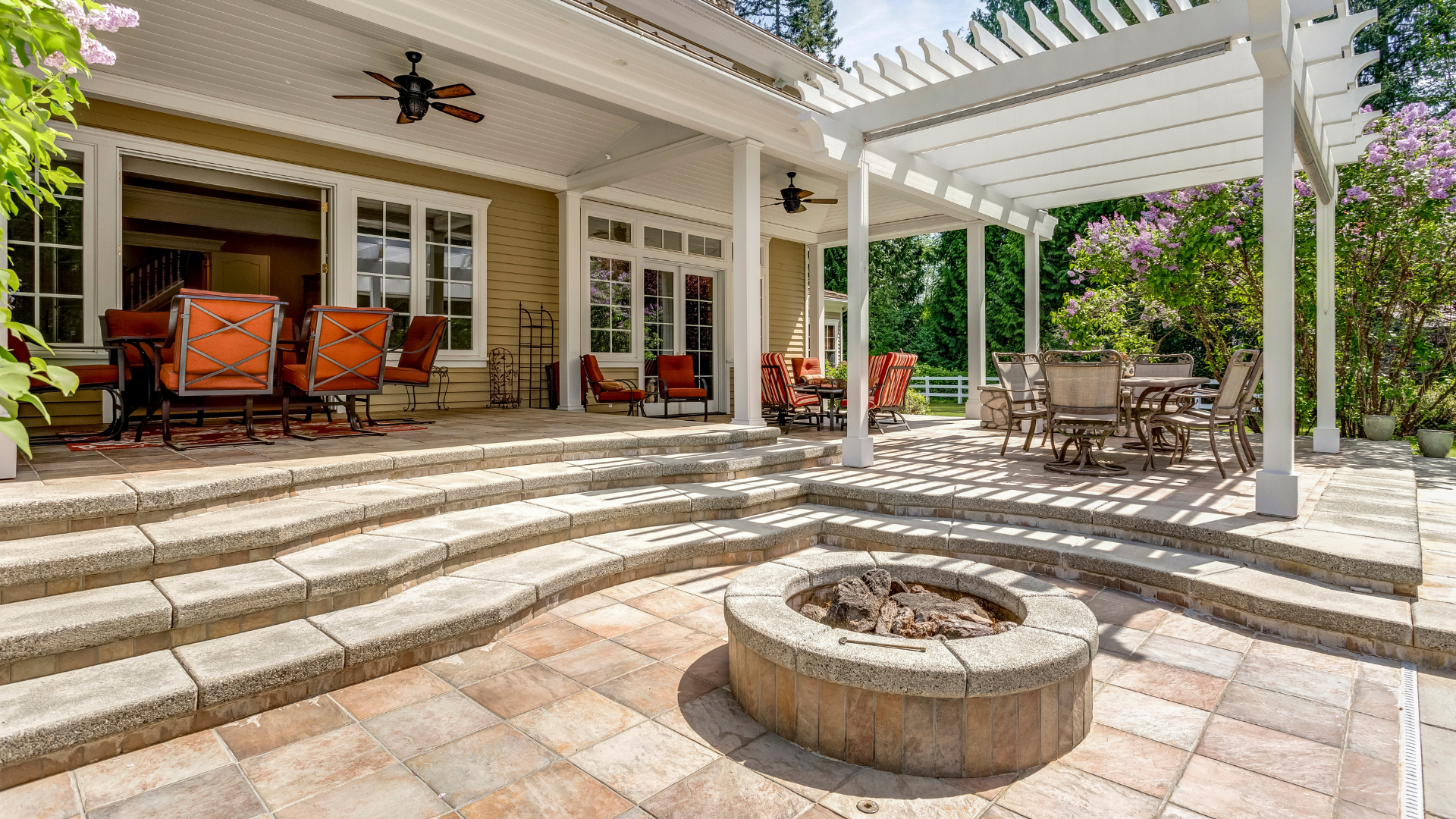
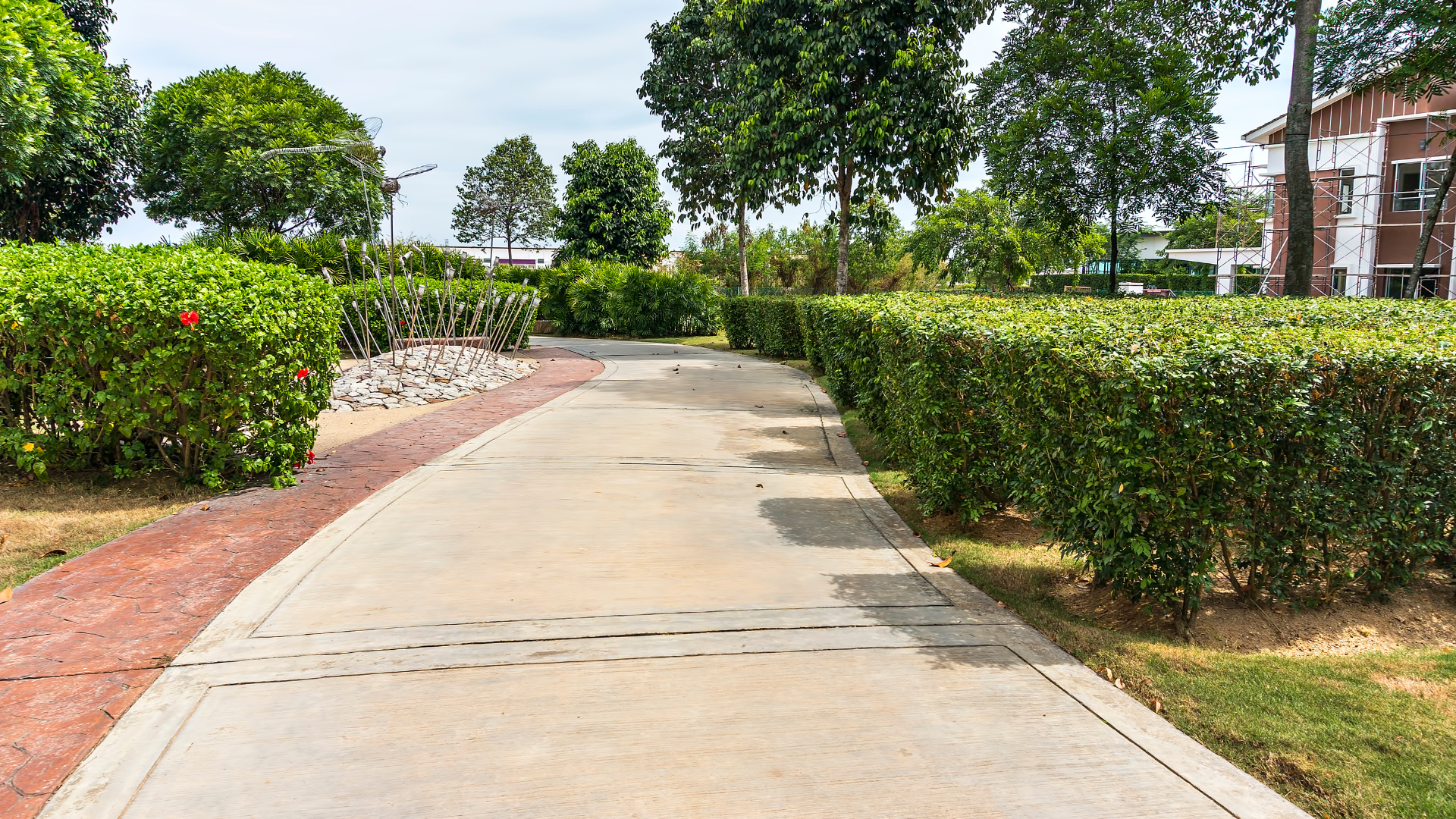
Decorative concrete surfaces often add significant curb appeal and functionality to a property. However, because decorative finishes are designed to enhance appearance, changes caused by UV exposure may be more noticeable than on plain concrete.
Patios, pool decks, walkways, and outdoor entertainment areas are often focal points of a property’s exterior. Maintaining these surfaces helps preserve the overall appearance of the landscape and outdoor living environment.
Routine inspections can help identify areas where restoration or maintenance may improve the appearance of aging concrete.
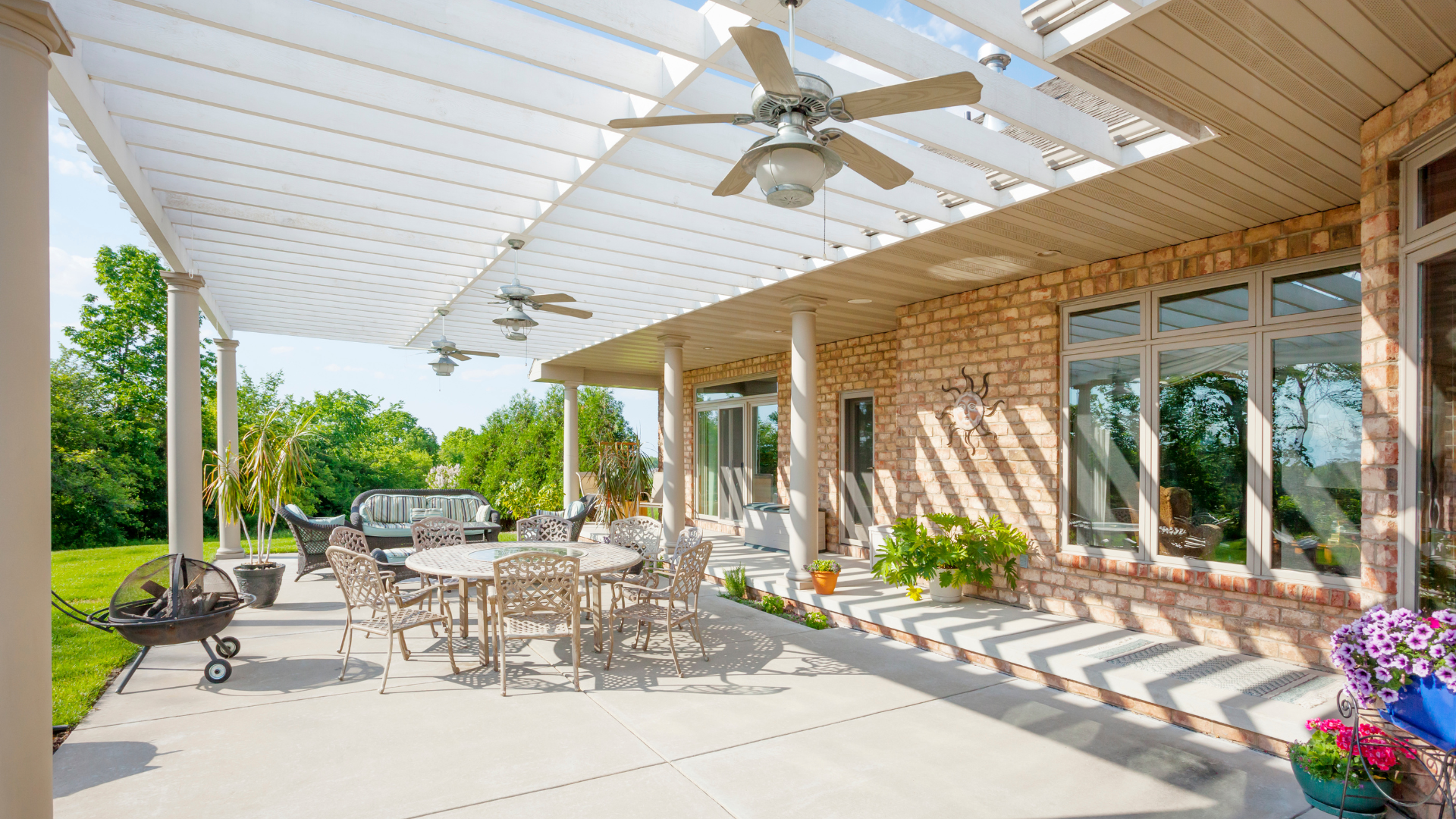
Summer Is a Good Time to Evaluate Concrete Conditions
Because homeowners spend more time outdoors during the summer, it is often easier to identify signs of concrete aging.
Pay attention to:
- Fading or discoloration
- Surface cracking
- Areas of uneven wear
- Pool deck deterioration
- Walkway appearance
- Patio surface conditions
Addressing concerns early may help prevent minor issues from becoming larger restoration projects later.
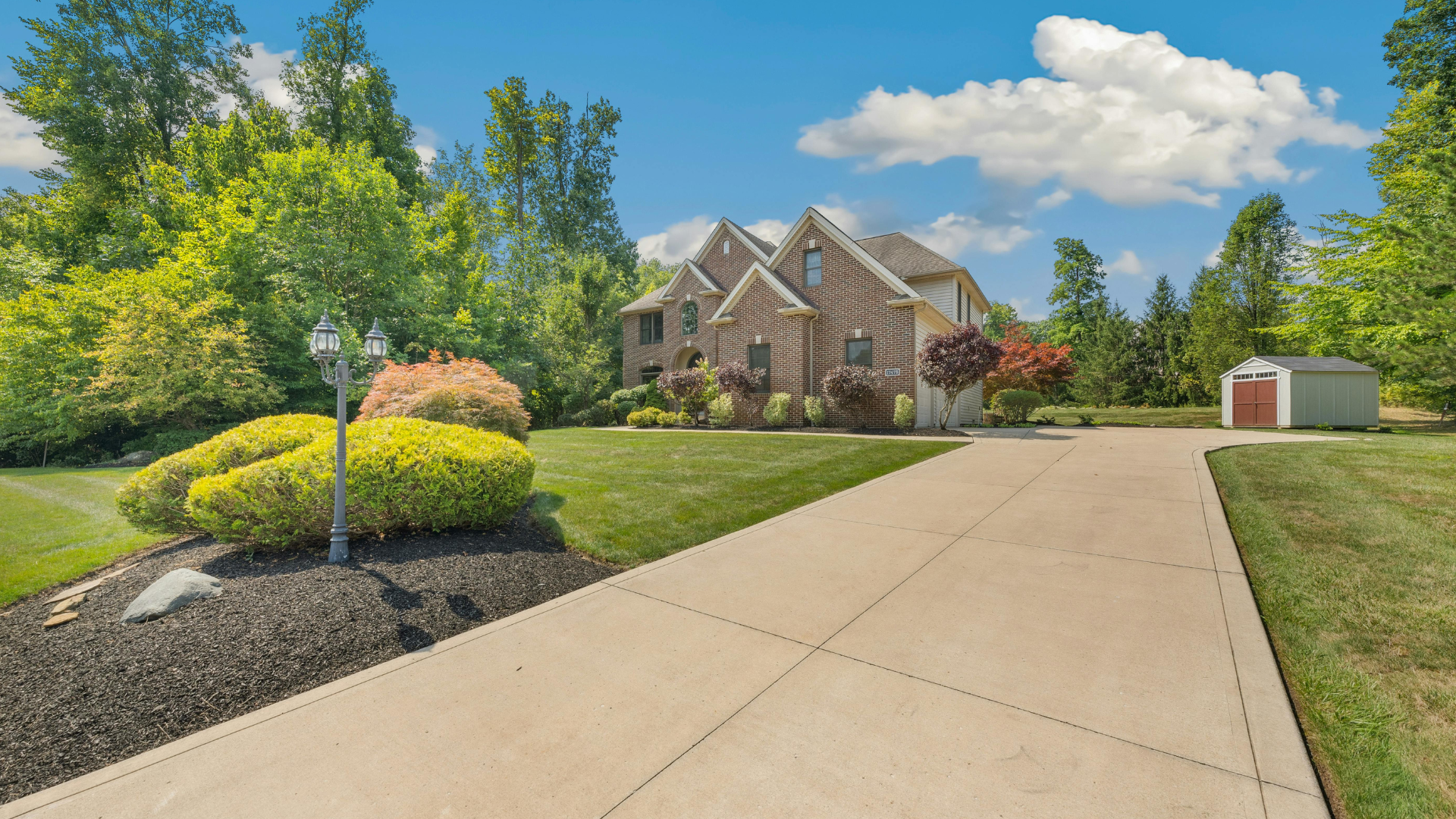
Restoring the Appearance of Aging Concrete
While sunlight is an unavoidable part of outdoor exposure, aging concrete does not necessarily need to remain in deteriorating condition. Professional restoration can help improve the appearance, functionality, and overall condition of many concrete surfaces.
Rite-Wash specializes in helping homeowners restore and maintain concrete surfaces throughout the Hampton Roads area. Whether the issue involves discoloration, surface wear, cracking, or other signs of aging, professional restoration can help outdoor spaces look their best again.
Concrete is built to last, but years of UV exposure and environmental wear can gradually affect its appearance. Understanding these changes is an important step toward protecting and preserving one of the most visible features of your property.