How Tree Roots Quietly Affect Sidewalks and Driveways
Trees add beauty, shade, and character to residential properties, but beneath the surface, their root systems are constantly growing and expanding. While roots are essential for tree stability and health, they can also gradually affect nearby concrete surfaces such as sidewalks, driveways, patios, and walkways over time.
At Rite-Wash, we help homeowners understand how environmental conditions and long-term structural pressure contribute to concrete deterioration. Tree root activity is one of the most common causes of uneven concrete and surface shifting in residential properties.
Tree Roots Expand Gradually Over Time
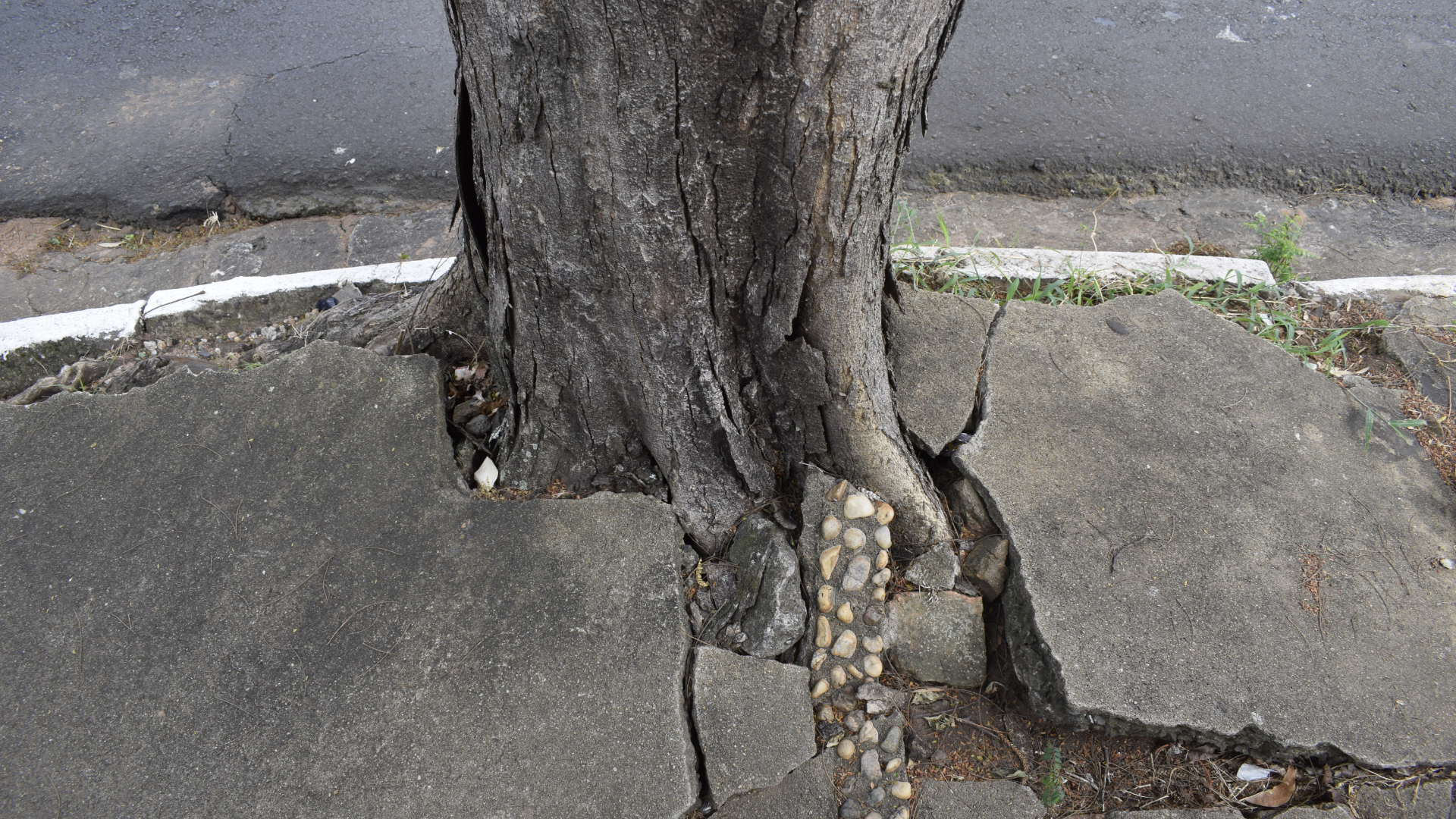
Most root-related concrete problems develop slowly. Trees naturally extend their root systems outward in search of moisture, oxygen, and nutrients. As roots increase in diameter over the years, they begin exerting upward and outward pressure on nearby surfaces.
Because the process happens gradually, homeowners often do not notice the changes immediately. Small shifts in concrete elevation may initially seem minor, but over time the pressure can become significant enough to affect the stability and appearance of the surface.
The larger and more mature the tree becomes, the more influence its root system may have on surrounding concrete.
Concrete Surfaces Are Vulnerable to Pressure
Although concrete appears solid and durable, it remains vulnerable to long-term pressure from below. Sidewalks, driveways, and walkways rely heavily on stable soil conditions underneath the slab.
When roots grow beneath or alongside concrete, they may gradually disrupt that stability by:
- Lifting sections of concrete
- Creating uneven surfaces
- Widening existing cracks
- Altering drainage patterns
- Increasing slab movement over time
Even relatively small root expansion can create noticeable changes once the concrete begins shifting.
Sidewalks Often Show the First Signs
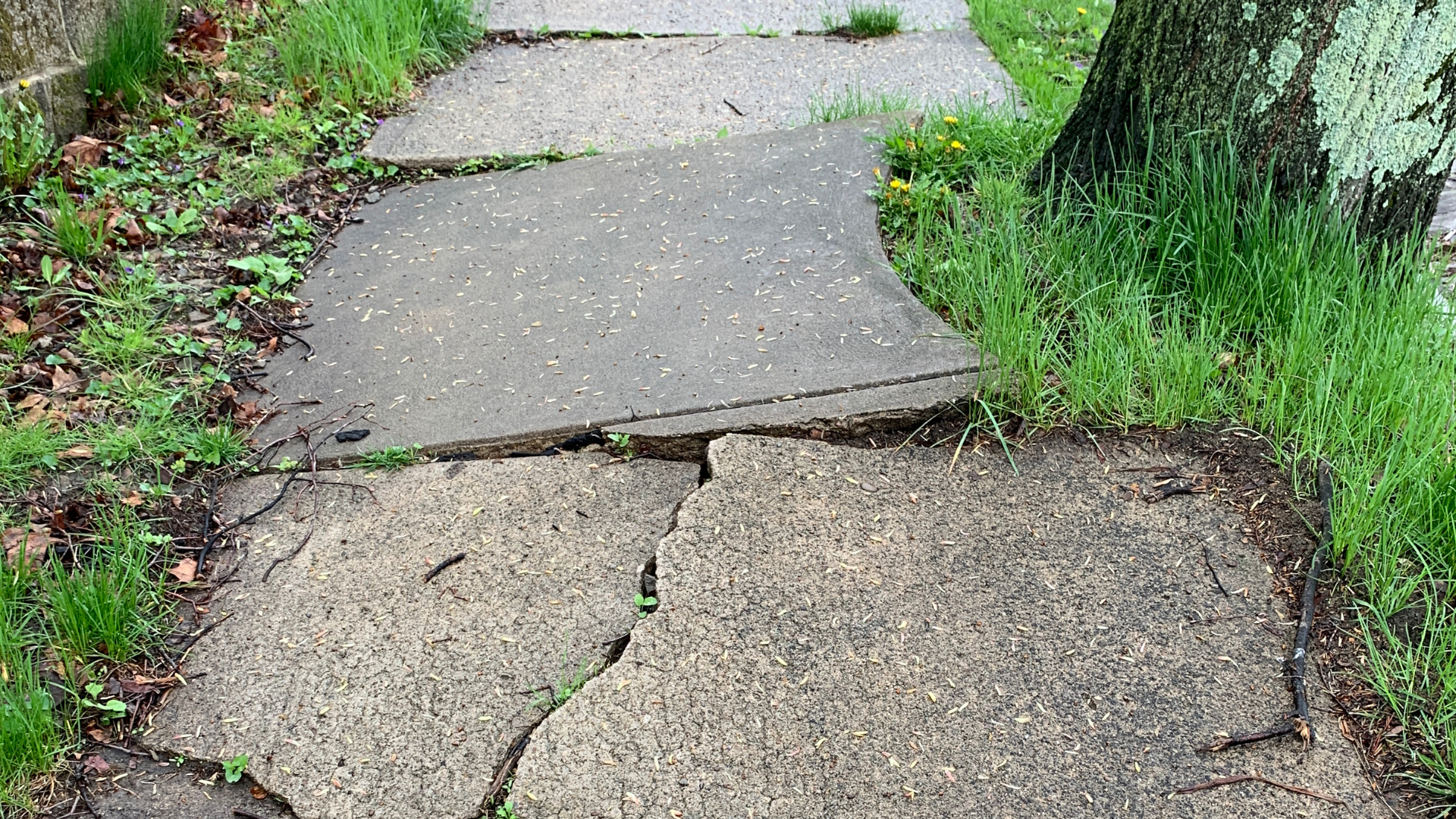
Sidewalks and walkways are especially susceptible to root-related damage because they are usually thinner than driveway slabs and often positioned closer to landscaping or tree lines.
Common warning signs may include:
- Raised sidewalk sections
- Cracking near tree roots
- Uneven walking surfaces
- Separation between slabs
- Drainage issues around walkways
Because sidewalks are heavily used daily, even small changes in elevation can quickly become safety concerns.
Driveways Can Also Experience Long-Term Movement
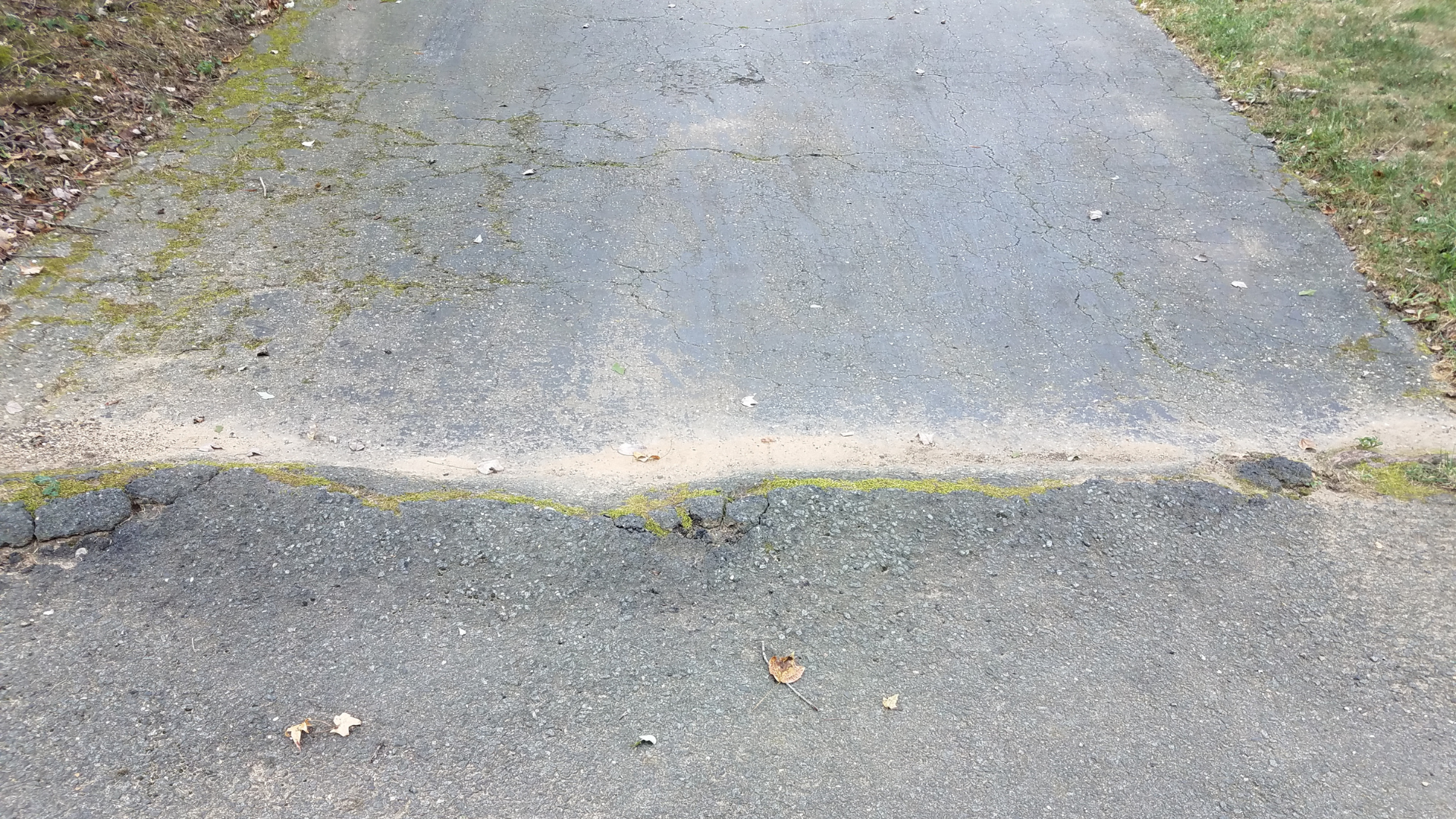
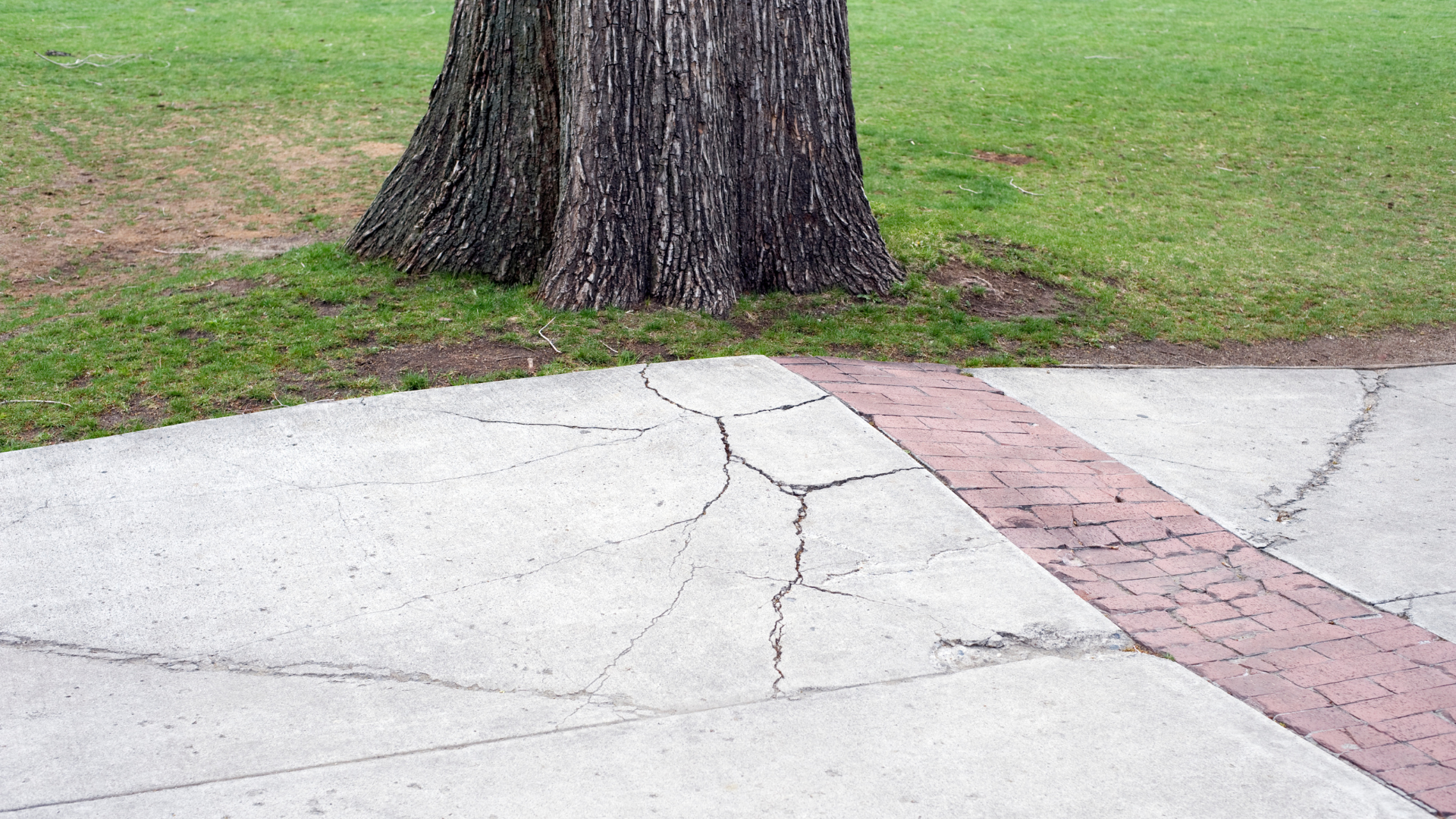
Driveways are not immune to root pressure either. Large root systems may affect driveway edges or sections nearest nearby trees. Over time, pressure from below may contribute to cracking, settling, or surface distortion.
In some cases, homeowners may initially assume the damage is simply related to aging concrete when root activity is actually contributing to the problem underneath.
The interaction between soil movement, moisture conditions, and root expansion often creates a gradual deterioration process that continues worsening if left unaddressed.
Moisture and Soil Conditions Play a Role
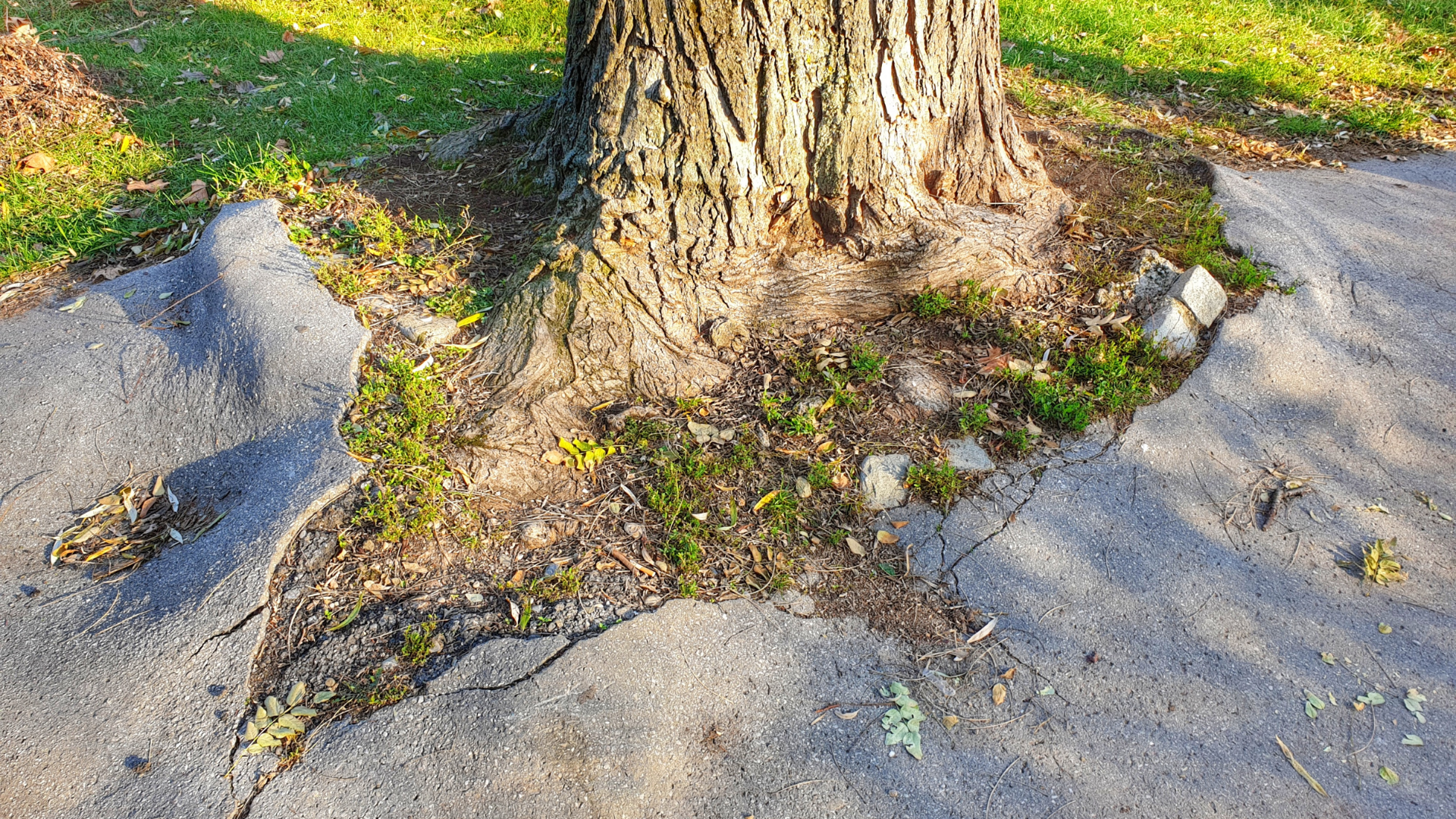
Tree roots and concrete are both influenced heavily by soil moisture conditions. During dry periods, roots may expand further in search of water, while changing moisture levels can also affect soil stability beneath the concrete.
This combination of root pressure and shifting soil conditions often accelerates surface movement over time.
Poor drainage may further complicate the issue by softening soil around roots and allowing additional slab movement to occur.
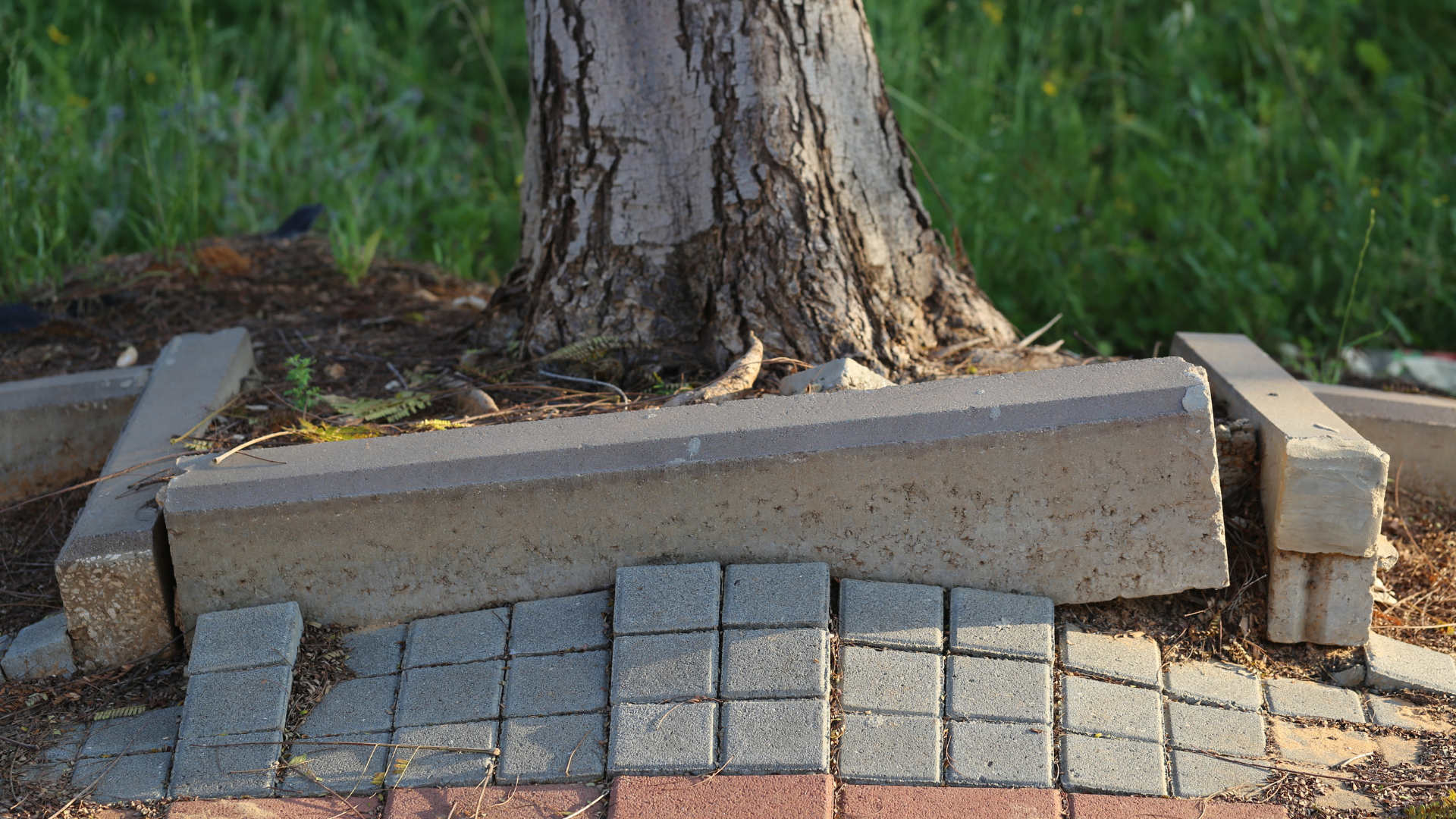
Uneven Concrete Creates Safety Concerns
Root-related concrete movement is not only cosmetic. Uneven sidewalks and driveways may create trip hazards and accessibility concerns for homeowners, visitors, delivery personnel, and pedestrians.
As slabs continue shifting, the risk of injury often increases. Raised edges, cracked surfaces, and unstable walkways can become more hazardous over time if the underlying issue is not addressed.
This is one reason early concrete restoration is important before surface damage becomes more extensive.
Professional Restoration Helps Address Surface Problems
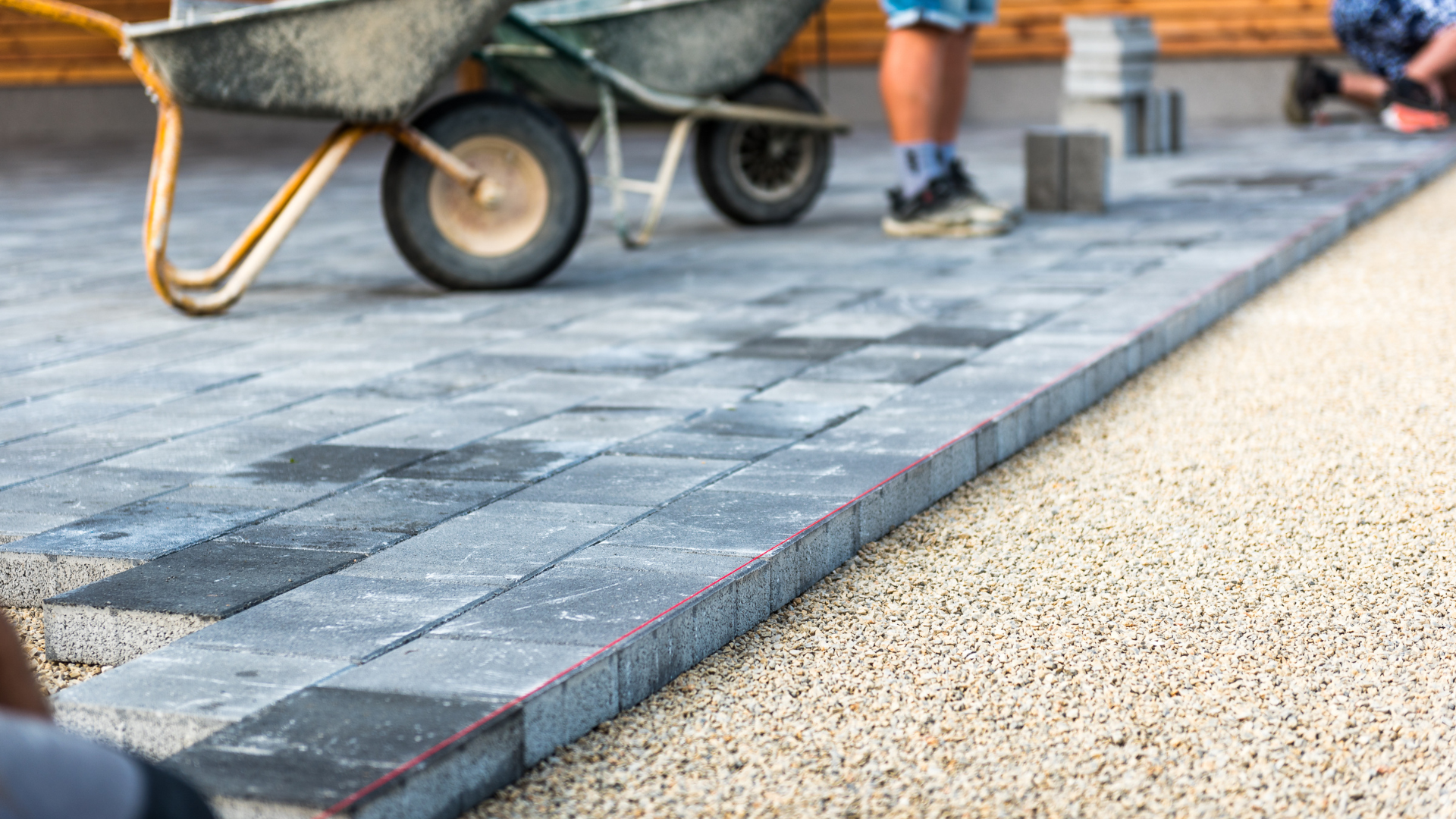
At Rite-Wash, we understand that concrete damage is often connected to long-term environmental forces occurring beneath the surface. Addressing visible cracks alone may not fully resolve the issue if root pressure and soil movement continue affecting the slab.
Professional concrete restoration and evaluation help identify how surface movement developed while improving safety, appearance, and long-term functionality around the property.
Protecting Concrete Around Trees
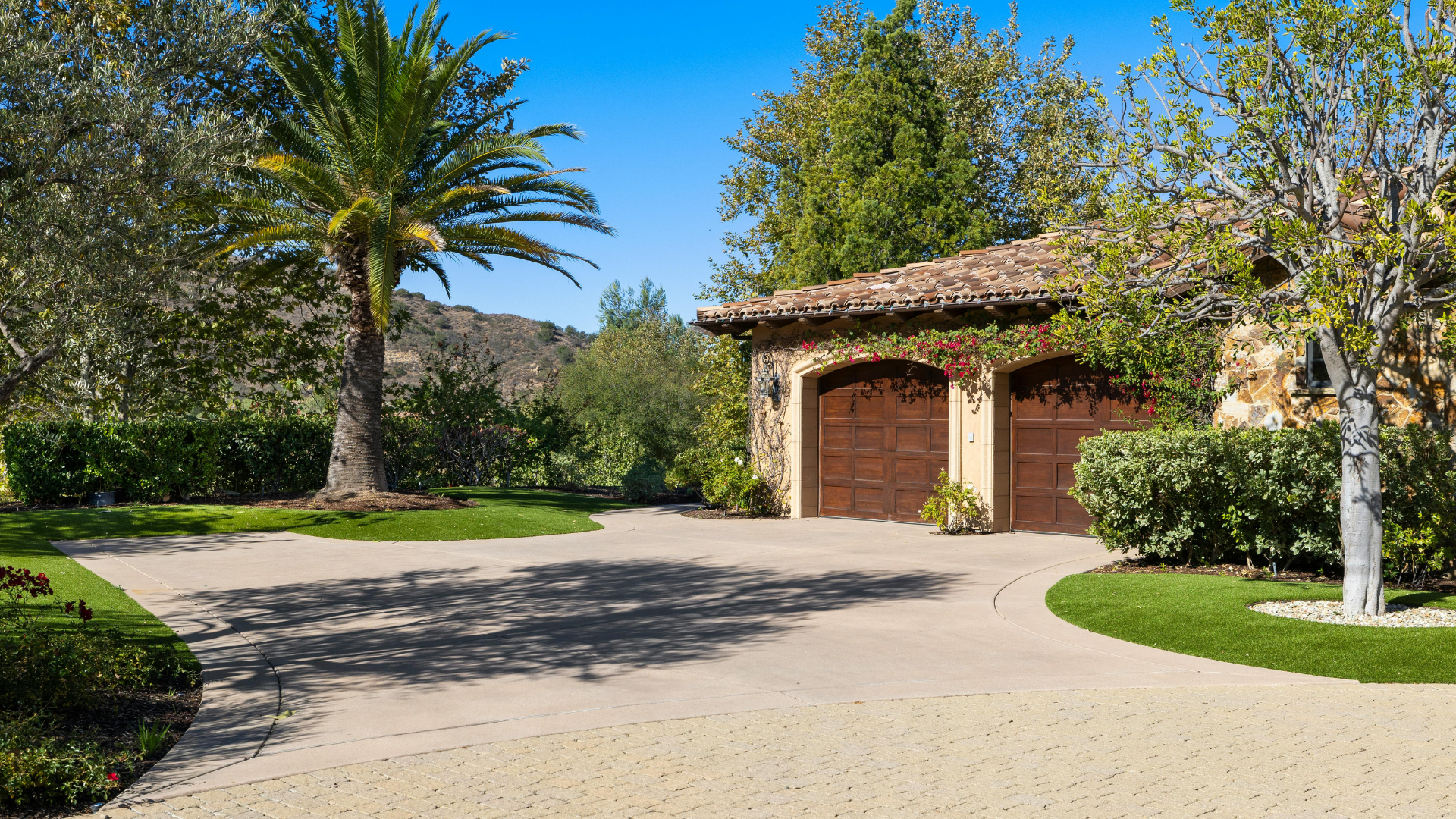
Trees and landscaping remain valuable parts of residential properties, but their root systems can quietly affect surrounding concrete over time. Because the damage develops gradually, many homeowners do not recognize the seriousness of the issue until sidewalks or driveways become noticeably uneven.
At Rite-Wash, we provide professional concrete restoration services designed to improve surface stability, appearance, and long-term property functionality. If your sidewalks, walkways, or driveway are showing signs of shifting or cracking near trees, contact Rite-Wash to learn more about restoring and protecting your concrete surfaces.