How Spalling Develops and Why It Matters
Concrete is known for its strength and durability, which is why it is commonly used for driveways, sidewalks, patios, pool decks, and commercial walkways. However, even well-constructed concrete surfaces can experience wear and deterioration over time. One of the most common forms of concrete damage is known as spalling.
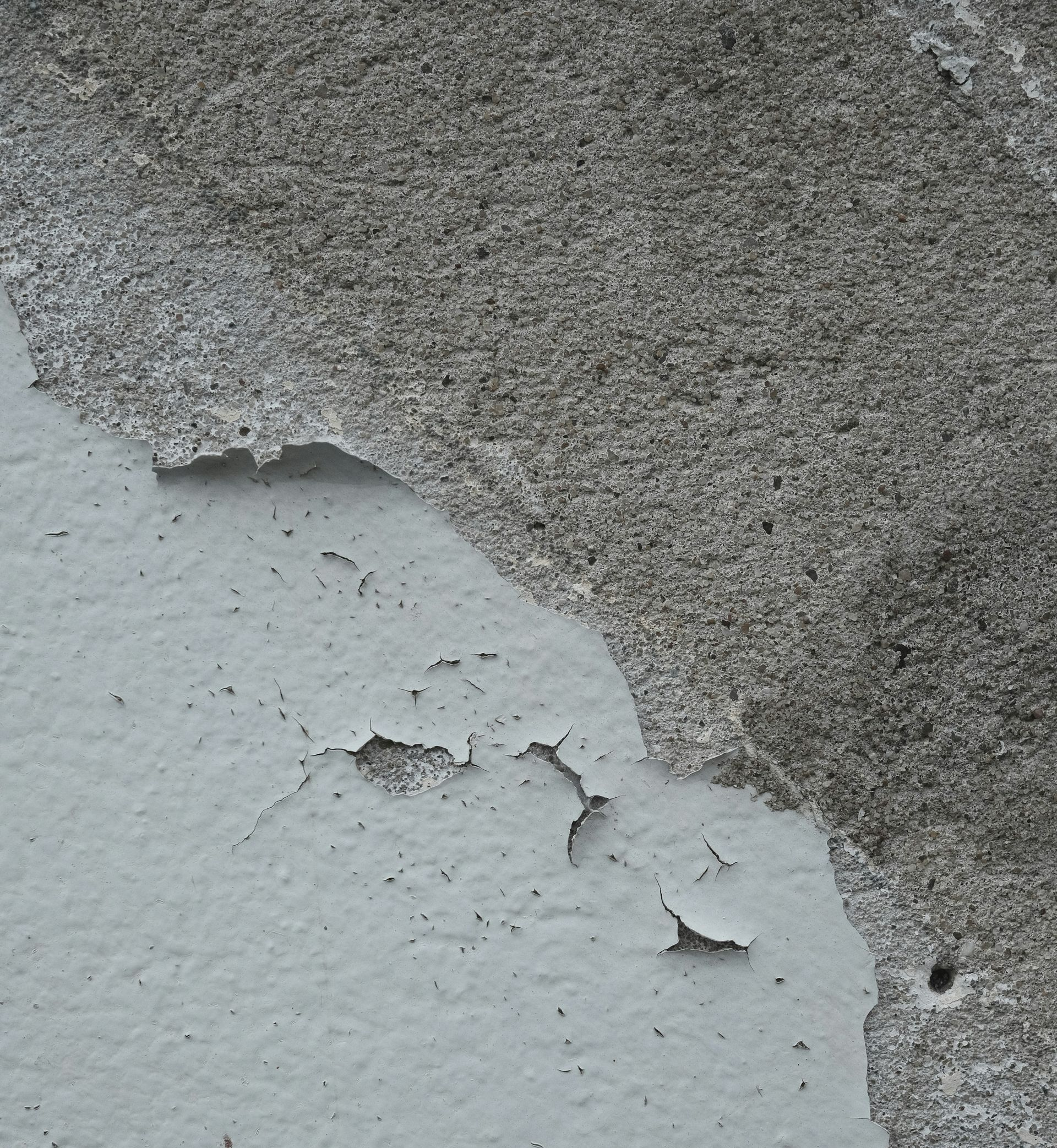
Spalling occurs when the surface layer of concrete begins to flake, chip, peel, or break away. While many property owners initially view spalling as a cosmetic issue, it can be an early indicator of larger problems affecting the concrete. Understanding how spalling develops can help homeowners and property managers recognize when professional restoration may be needed.
What Is Concrete Spalling?
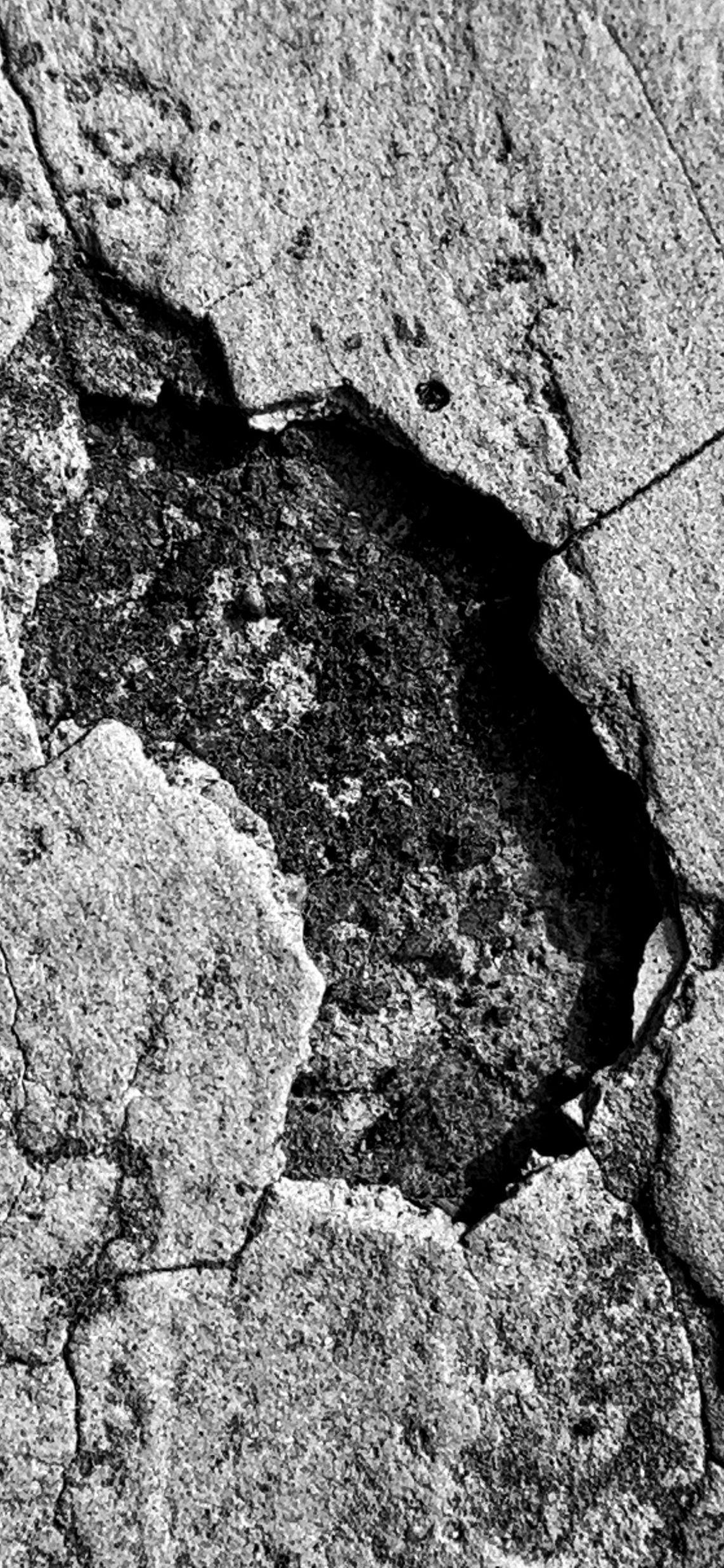
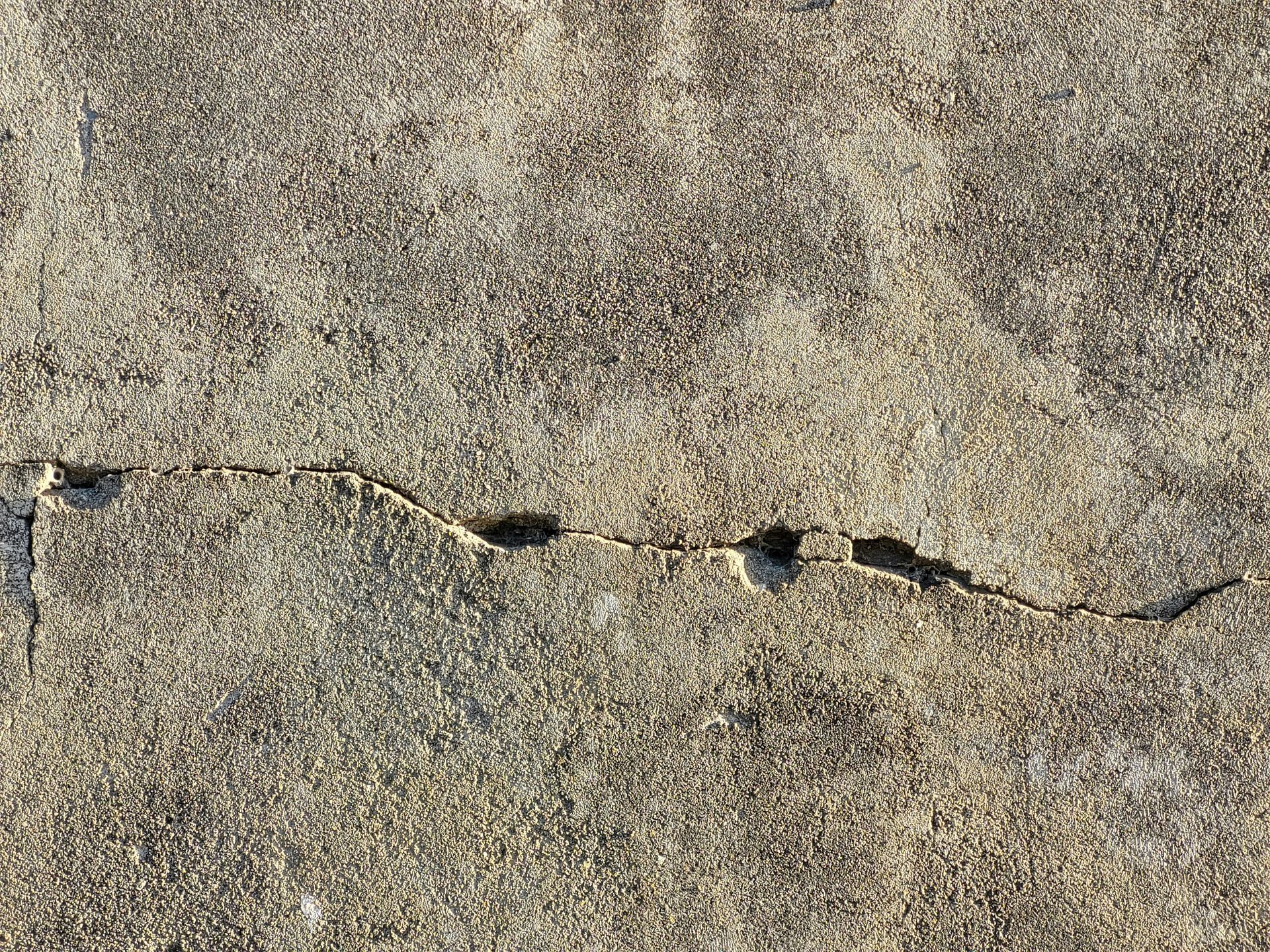
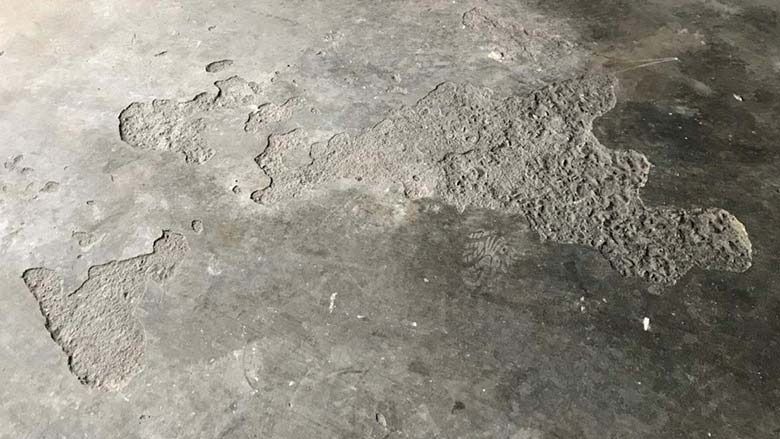
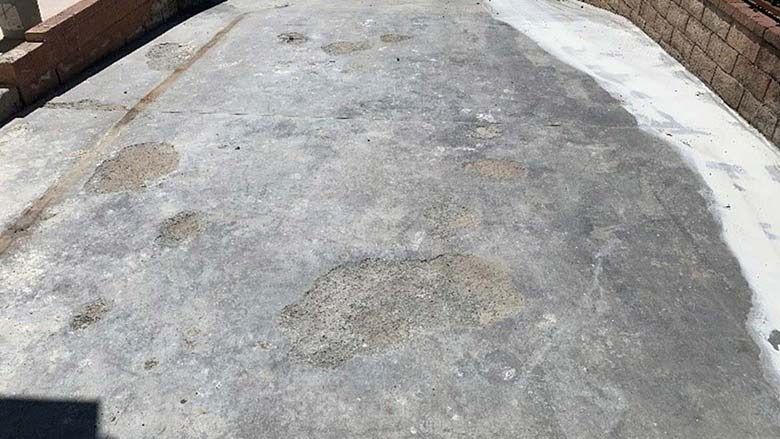
Spalling is the deterioration of the concrete surface, often appearing as rough patches, shallow pits, crumbling edges, or areas where the top layer has separated from the underlying concrete.
The severity can vary significantly. Some surfaces may show only minor surface damage, while others develop widespread deterioration that affects both appearance and functionality.
Because spalling often
begins gradually, many property owners do not notice the problem until the damage becomes more extensive.
Moisture Is Often a Contributing Factor
One of the primary causes of spalling is moisture intrusion. Although concrete appears solid, it contains microscopic pores that can absorb water.
When moisture enters the concrete, it can contribute to deterioration over time. Repeated cycles of moisture penetration and drying place stress on the surface layer, gradually weakening its integrity.
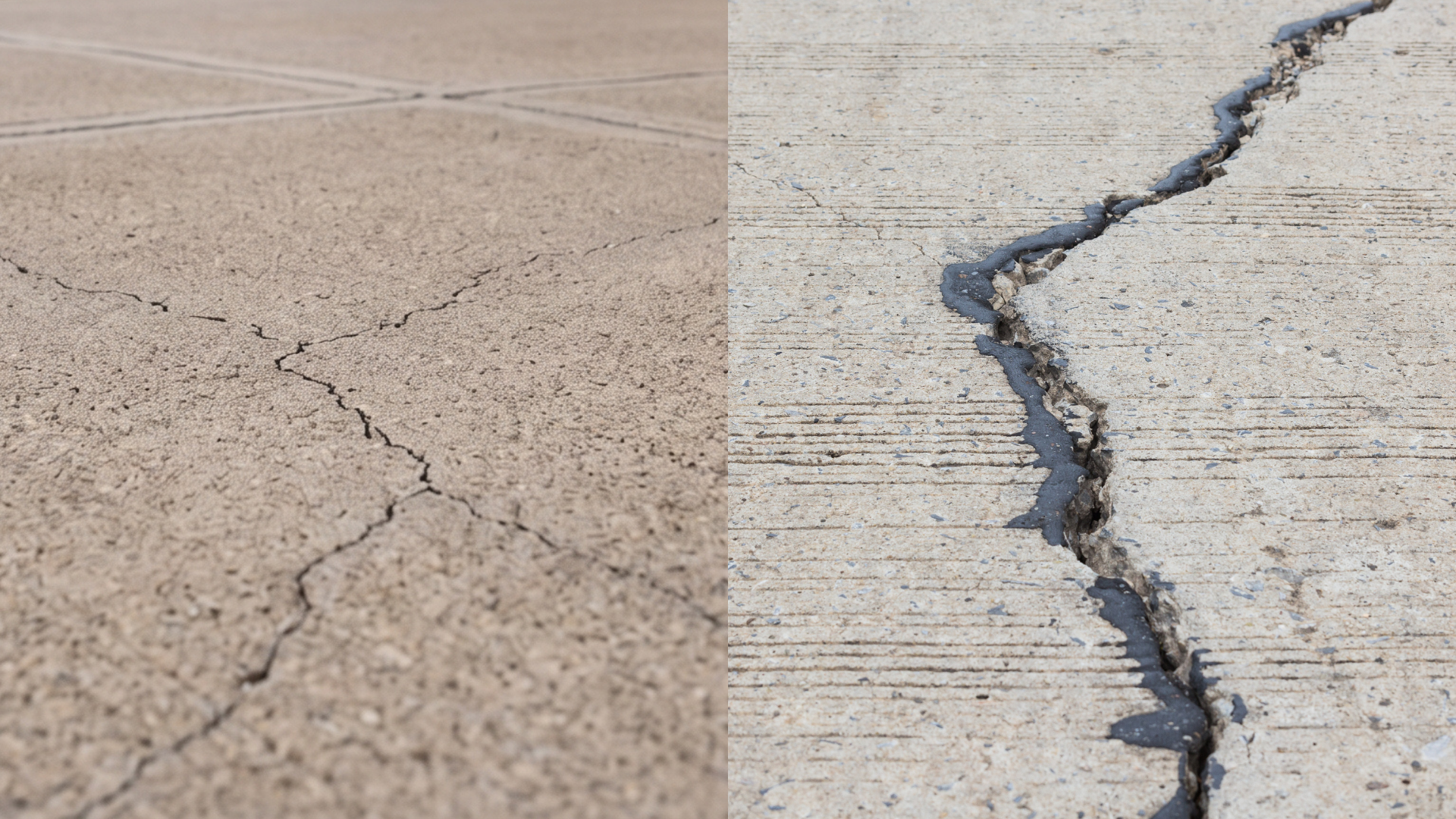
Water can enter concrete through small cracks, damaged joints, or unprotected surfaces. Once inside, it may begin affecting the concrete long before visible damage appears.

Surface Wear Adds Additional Stress
Concrete surfaces are subjected to constant use. Vehicle traffic, foot traffic, outdoor furniture, equipment, and weather exposure all contribute to gradual wear.
Over time, this ongoing stress can weaken the surface layer and make it more vulnerable to deterioration.
Areas that experience heavier use often show signs of spalling sooner than surfaces that receive less traffic. This is particularly common on driveways, walkways, commercial entryways, and outdoor gathering spaces.
Improper Drainage Can Accelerate Damage
Water management plays a significant role in concrete longevity. When water repeatedly collects on or around concrete surfaces, the risk of deterioration often increases.
Poor drainage may allow moisture to remain in contact with the concrete for extended periods. As this cycle continues, the surface can become more susceptible to spalling and other forms of damage.
Addressing drainage concerns is often an important part of preserving concrete and preventing future problems.
Why Spalling Should Not Be Ignored
Many property owners delay repairs because spalling initially appears to be a cosmetic concern. While appearance is certainly affected, the problem often extends beyond aesthetics.
As the surface continues deteriorating, property owners may experience:
- Larger damaged areas
- Increased moisture penetration
- Additional surface breakdown
- Reduced curb appeal
- Potential safety concerns
The longer spalling is allowed to progress, the more extensive restoration efforts may become. Early intervention is often the most effective approach.
Spalling Can Affect Property Appearance
Concrete is one of the most visible features on many properties. Driveways, sidewalks, patios, and entryways contribute significantly to first impressions. Spalled concrete can create a worn, neglected appearance that detracts from the overall look of a home or commercial property.
For businesses, damaged concrete may influence how customers perceive the property. For homeowners, it can reduce curb appeal and diminish the enjoyment of outdoor spaces.
Professional Restoration Can Help
Fortunately, spalling does not always mean concrete must be completely replaced. In many situations, professional restoration can address damaged areas and help extend the life of the surface.
Restoration focuses on repairing deterioration, improving appearance, and protecting the concrete from further damage. Addressing problems early often provides more options and helps preserve the existing concrete.
Rite-Wash specializes in concrete restoration services that help property owners address spalling, cracking, settlement, damaged expansion joints, and other common concrete concerns. By identifying deterioration early and implementing appropriate repairs, property owners can often protect their investment and maintain safer, more attractive concrete surfaces for years to come.
Spalling may begin as a small surface issue, but understanding how it develops is the first step toward preventing more significant concrete damage in the future.