Concrete Cracks Explained: Why They Happen and Why Replacement Is Not a Guarantee
What Homeowners Should Know
Cracks in a driveway can be frustrating for homeowners. They often feel like a sign that the concrete has failed and that full replacement is the only responsible option. In reality, cracking is a common and expected characteristic of concrete, even in brand new driveways. Understanding why cracks form and why replacement does not prevent them helps homeowners make smarter, more cost effective decisions.
Why Concrete Cracks in the First Place
Concrete is strong, but it is not flexible. As it cures and ages, it responds to changes in temperature, moisture, and the ground beneath it. Expansion and contraction occur naturally as seasons change. In areas with fluctuating temperatures and moisture levels, this movement is unavoidable.
Soil conditions also play a major role. The ground beneath a driveway expands when it absorbs moisture and contracts when it dries out. Freeze-thaw cycles exacerbate this process. Over time, this movement places stress on the concrete above it. Even well installed driveways are affected by this process.
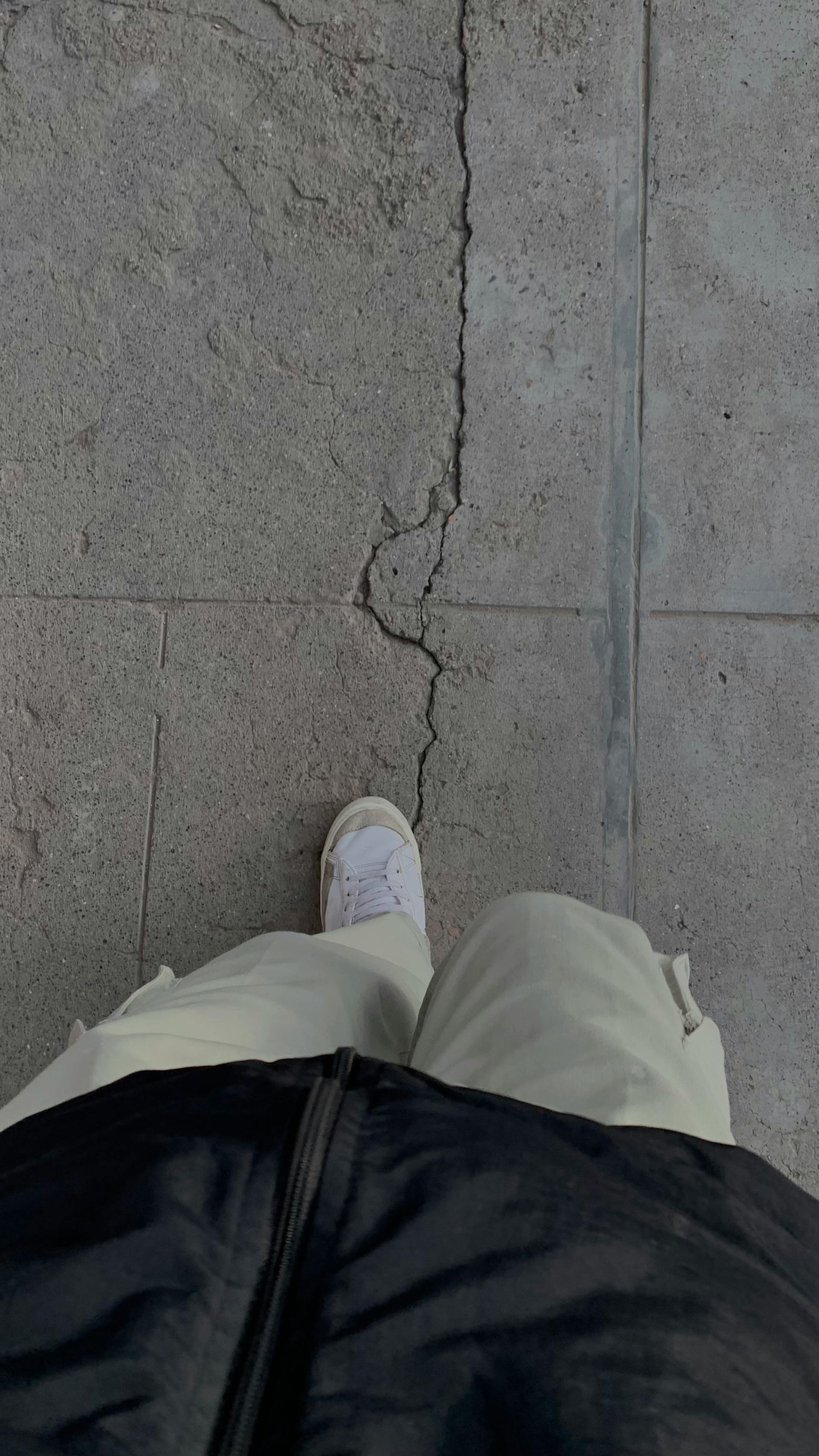
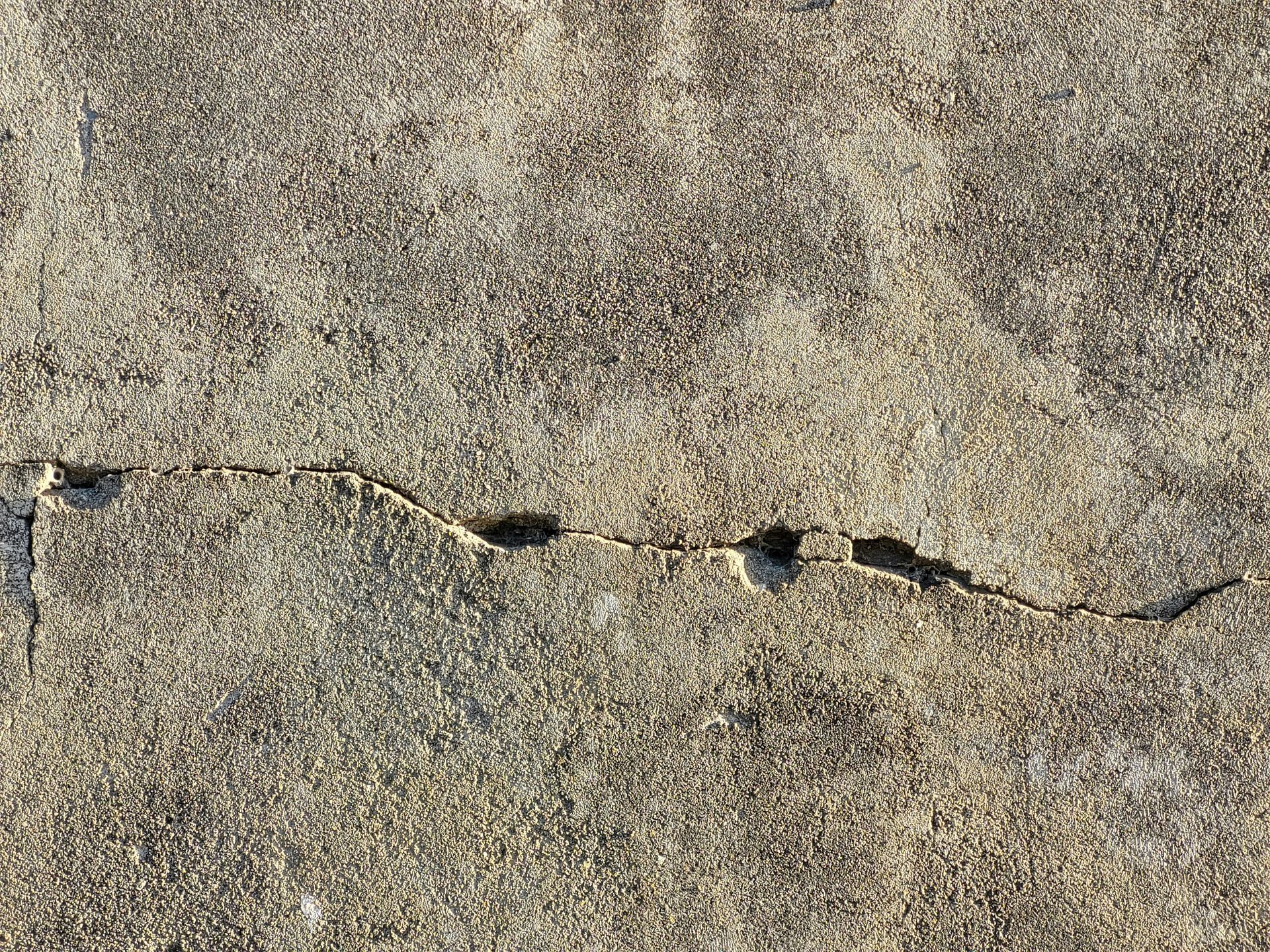
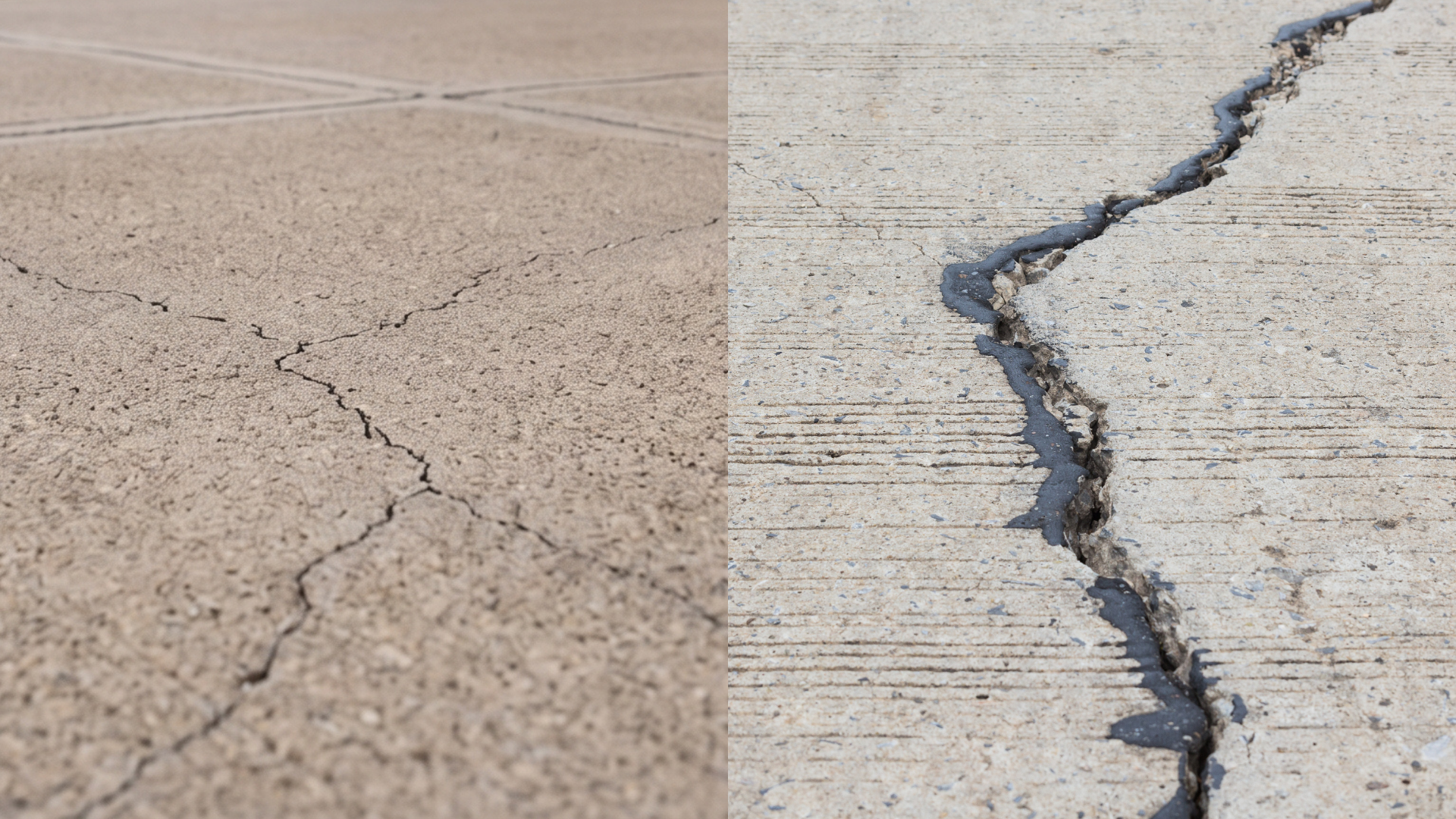
Hairline cracks, surface cracking, and separation at joints are often the result of these natural forces rather than poor workmanship.
Why New Driveways Still Crack
Many homeowners assume that replacing a driveway will permanently solve cracking. Unfortunately, that is not how concrete behaves. Even newly poured concrete will crack as it cures and adjusts to its environment. In fact, most concrete cracks within the first year after installation.
Control joints are intentionally placed in new driveways to encourage cracking in specific locations. This is an acknowledgment that cracking is inevitable. Replacement simply resets the clock, it does not eliminate the underlying causes such as soil movement and weather exposure.
The Real Issue Is Movement, Not Age
In many cases, cracks are a symptom of movement beneath the surface rather than a sign that the concrete itself is beyond repair. Settling soil, poor drainage, and shifting ground create stress points that lead to cracking and uneven slabs.
Replacing the concrete without addressing these conditions often leads to the same problems returning. The new driveway may look pristine at first, but over time it is subjected to the same forces that caused the original cracking.

Why Restoration Makes Sense
Driveway restoration focuses on addressing cracks, joints, and settling rather than tearing everything out. Crack repair helps prevent water from entering and worsening existing damage. Expansion joint repair or replacement allows the concrete to move as designed without creating uncontrolled cracking.
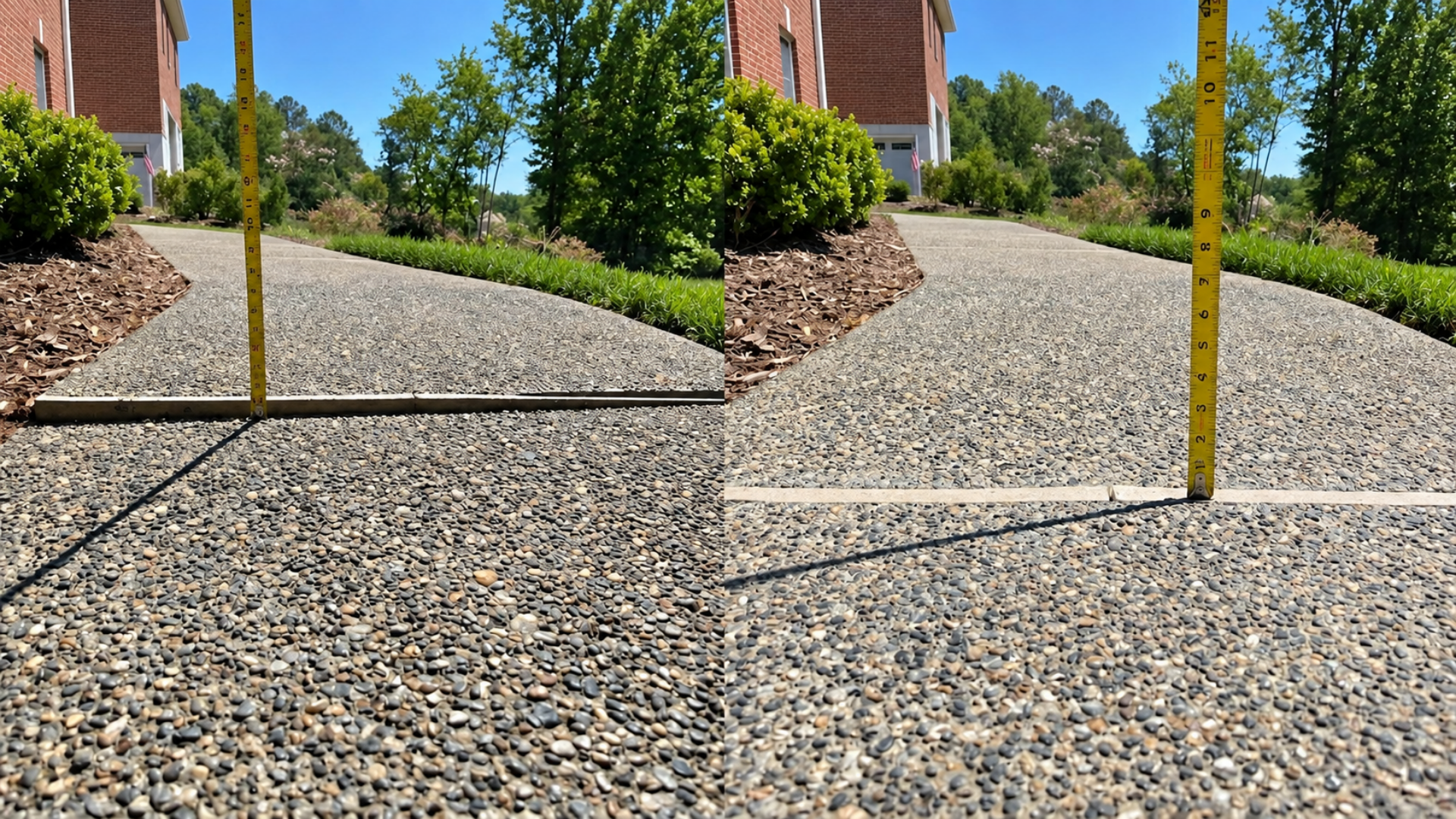
Concrete lifting corrects uneven slabs caused by settling, restoring proper alignment without demolition. These approaches target the root causes of cracking instead of masking them with new concrete.
Cost and Disruption Matter
Full driveway replacement is expensive, time consuming, and disruptive. It often requires demolition, removal, curing time, and restricted access to the property. Restoration solutions are typically completed more quickly and at a fraction of the cost.
For many homeowners,
restoration delivers meaningful improvement in appearance, function, and longevity without the financial burden of replacement.
When Replacement May Be Necessary
There are situations where replacement is appropriate, such as when concrete is severely deteriorated or structurally compromised. However, these cases are less common than many people assume.
A professional evaluation helps determine whether cracks are cosmetic, functional, or structural. In many instances, restoration is the more practical solution.
A Smarter Way Forward
Concrete cracking is not a failure, it is a reality of how concrete behaves. Replacing a driveway does not guarantee that cracks will not return. Addressing cracks, joints, and settling through restoration often provides longer lasting results with less expense.
At Rite-Wash, we help homeowners understand their options and make informed decisions. Driveway restoration offers a practical, cost effective way to improve appearance and performance while acknowledging that concrete will always move.