How Holiday Shutdowns Can Create Better Windows for Concrete Repair
For many commercial and industrial facilities, the holiday season brings a temporary slowdown.
Production schedules may be reduced, fewer employees may be on-site, shipping volume may drop, and certain areas of the property may see less traffic than usual. That can create a valuable opportunity to complete concrete repairs with less disruption to daily operations.
For facility managers, the key is identifying which repairs can be planned during these quieter periods before the normal workload returns.
Reduced Traffic Can Make Repairs Easier to Schedule
Concrete repair often becomes more complicated when people, forklifts, delivery trucks, carts, and other equipment need to move through the same area being repaired.
A holiday shutdown or reduced operating schedule can make it easier to isolate damaged sections and give crews room to work.
This is especially useful in warehouses, loading areas, service corridors, entry aprons, and other high-traffic locations where even a short closure can create operational challenges during the rest of the year.
Planning work during a quieter period can help reduce those conflicts.
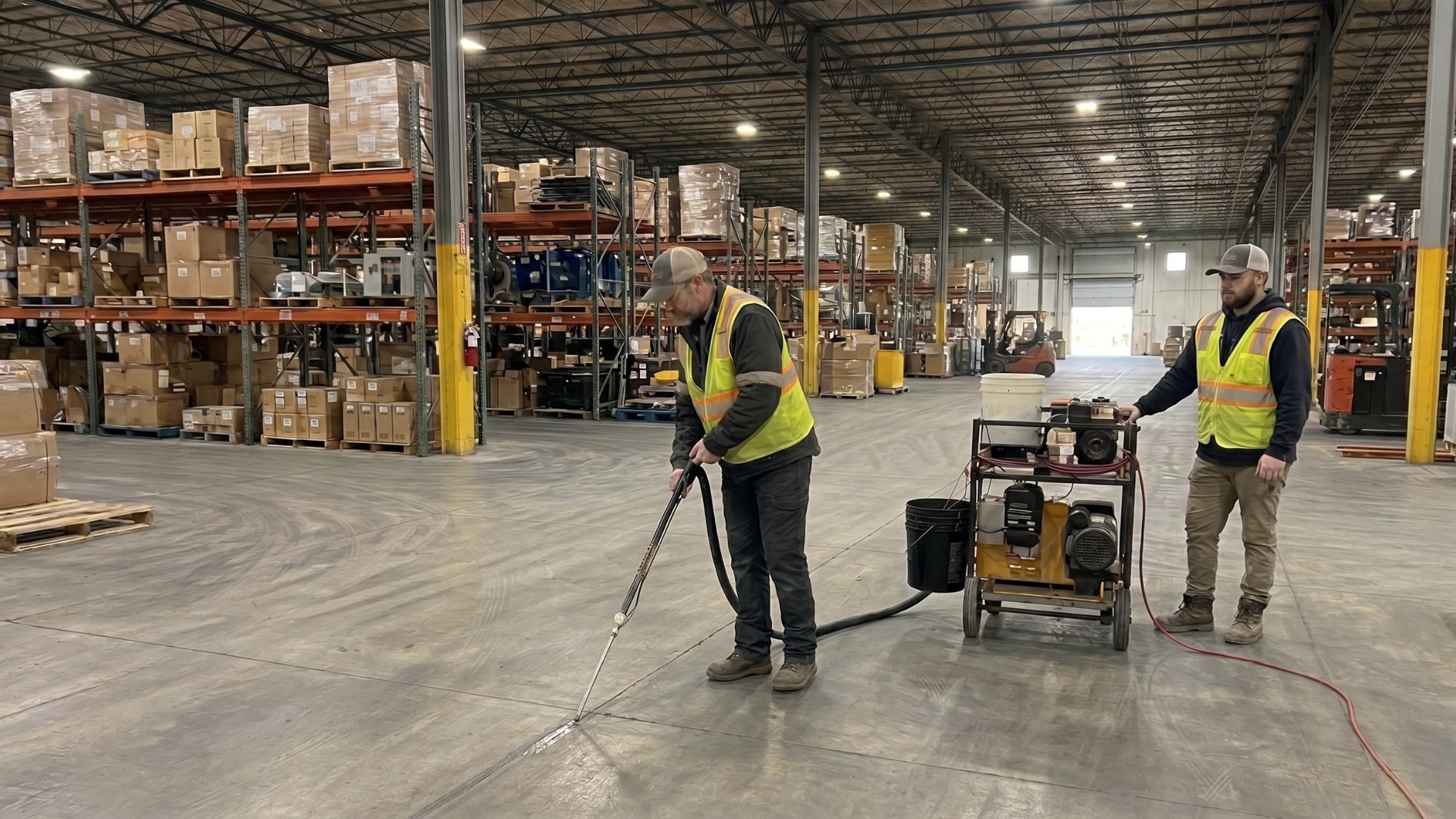
Expansion Joints Are a Good Place to Start
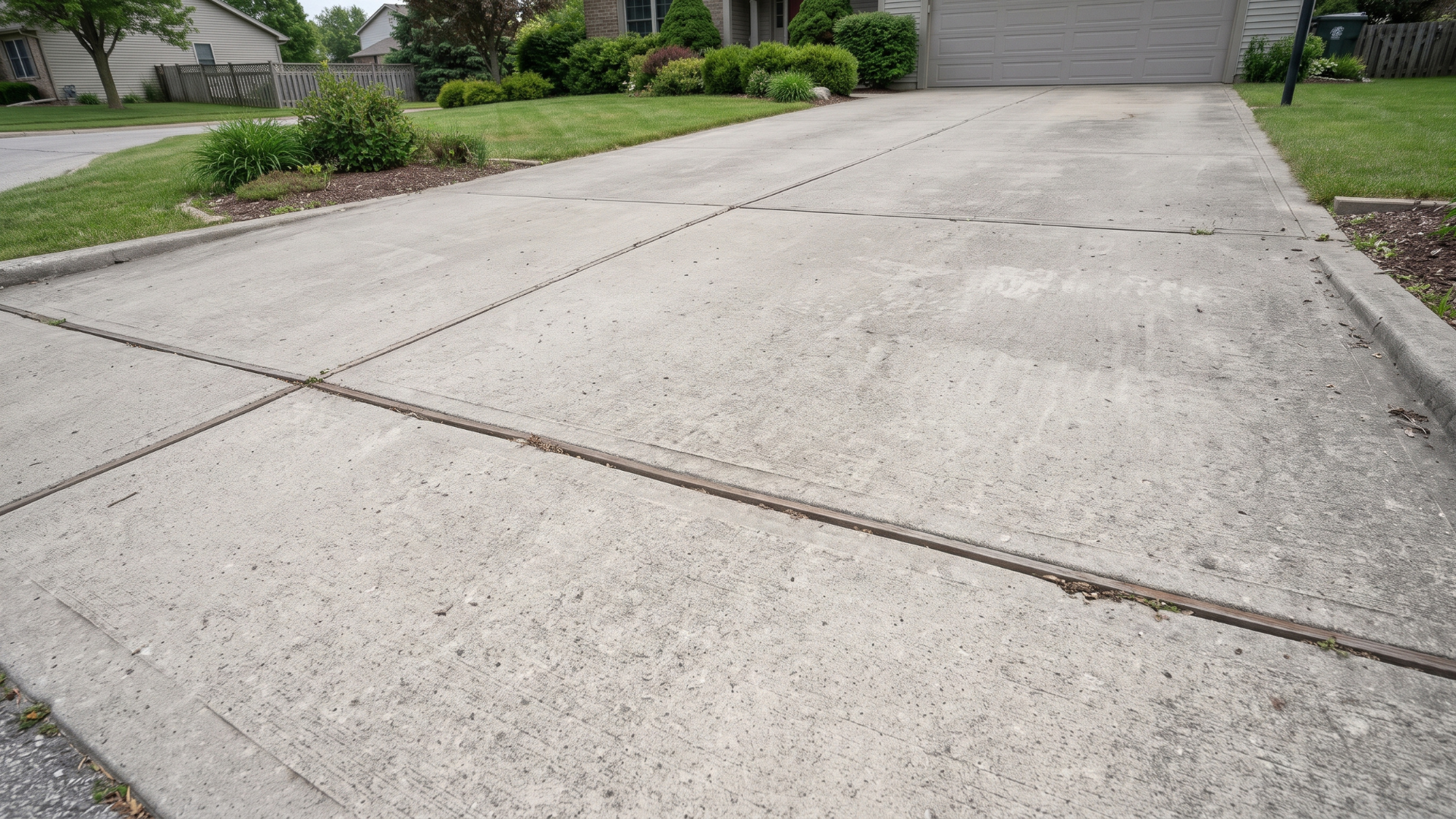
Expansion joints often take significant abuse in industrial environments.
Forklift traffic, pallet jacks, carts, and rolling loads can break down joint edges over time, especially if the joint material has failed or debris has collected inside the opening.
Holiday downtime can provide a practical window for evaluating and repairing damaged joints before normal traffic returns.
Addressing the problem early may also help protect the concrete surrounding the joint from additional deterioration.
Spalling and Surface Damage Can Be Targeted
Surface damage does not always justify replacing an entire slab.
Spalled areas, broken edges, localized cracks, and deteriorated sections may be candidates for targeted restoration if the surrounding concrete is still sound.
A quieter operating period gives facility managers a chance to identify those areas and repair them without waiting for the damage to spread.
Rite-Wash focuses on preserving existing concrete whenever practical, which can help reduce the scope of a project compared with unnecessary full replacement.
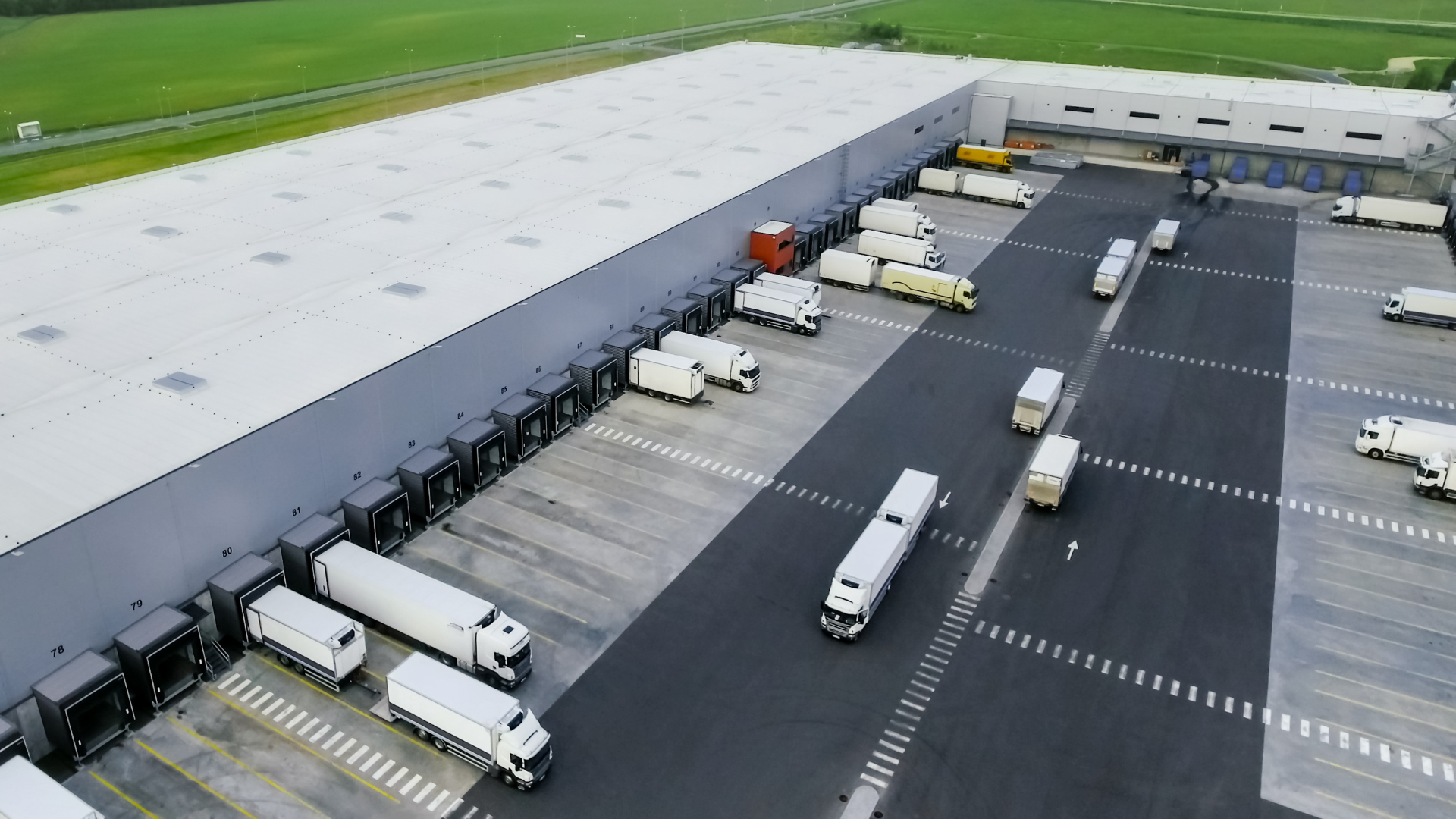
Loading Areas Benefit From Off-Peak Planning
Loading docks and service areas are difficult places to take out of operation.
Even relatively small repairs can interfere with deliveries, truck movement, dock plates, and warehouse traffic.
Holiday shutdowns can create an opportunity to complete work when those areas are under less pressure.
That may include repairing damaged edges, joint deterioration, settled sections, or surface defects that have been getting worse under repeated heavy use.
The less traffic crews need to work around, the easier it can be to organize the repair area safely and efficiently.
Downtime Should Still Be Planned Carefully
A holiday shutdown does not automatically make every repair simple.
Concrete restoration still needs the right preparation, repair method, curing conditions, and protection before traffic returns.
The available window should be compared with the needs of the repair itself.
A rushed repair that is reopened too soon can create another problem later.
That is why planning should begin before the facility actually shuts down.
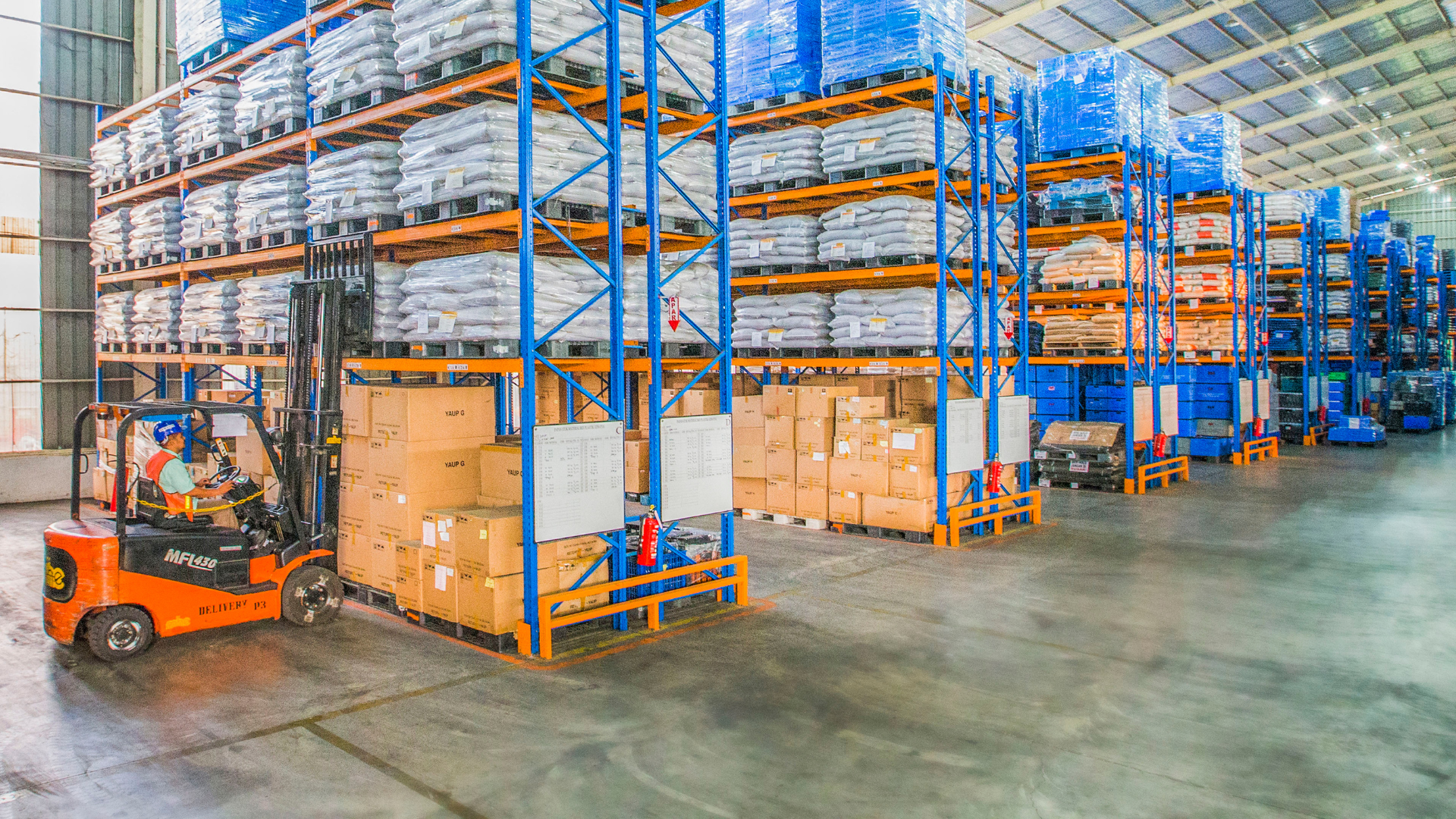
Use the Quiet Period to Inspect More Than One Area
A reduced operating schedule can also be a good time to perform a broader concrete condition review.
Look at expansion joints, thresholds, loading zones, forklift turning areas, walkways, equipment pads, service drives, and places where water tends to collect.
Repeated damage patterns can reveal useful information.
If the same area keeps failing, the issue may involve drainage, traffic concentration, settlement, or another condition that should be addressed as part of the repair strategy.
Turn Holiday Downtime Into Preventive Maintenance
Waiting until damaged concrete disrupts operations can make repairs harder to schedule.
Using planned downtime gives facility managers more control.
Rite-Wash provides concrete repair and restoration for commercial and industrial properties, including expansion joint repair, crack repair, spalling restoration, leveling, and other targeted solutions.
If a facility already expects reduced activity during the holidays, that quieter period can be an ideal time to address concrete problems that have been postponed during busier months.
A well-planned repair now can help the property return to normal operations with fewer unresolved maintenance issues in the new year.